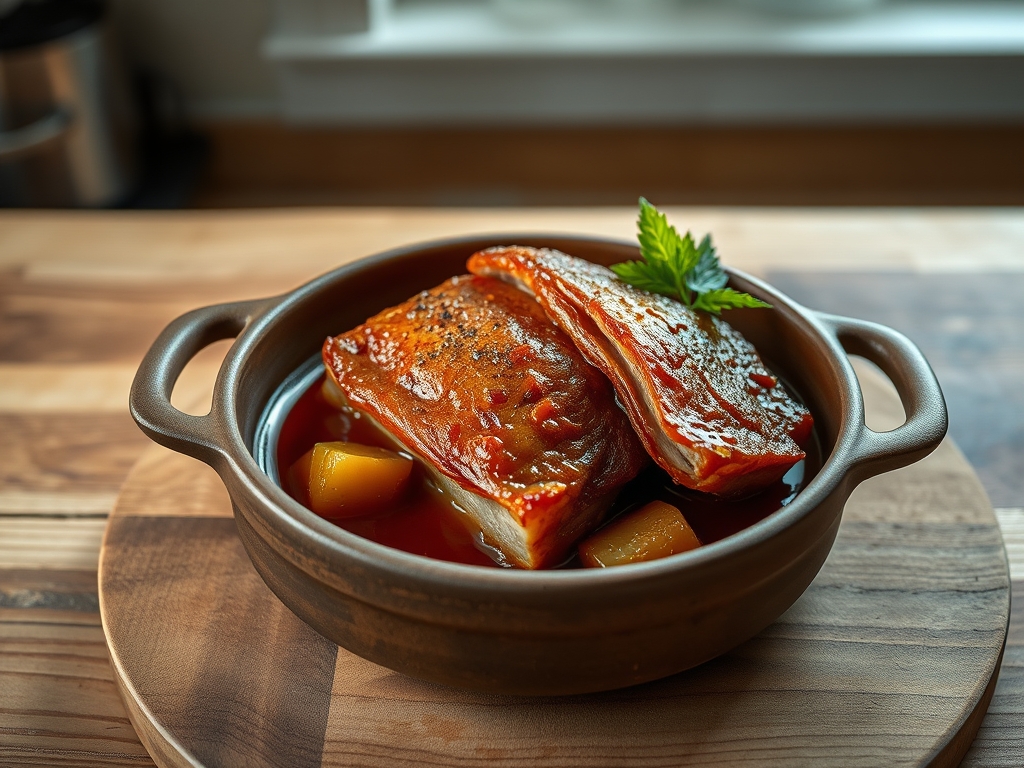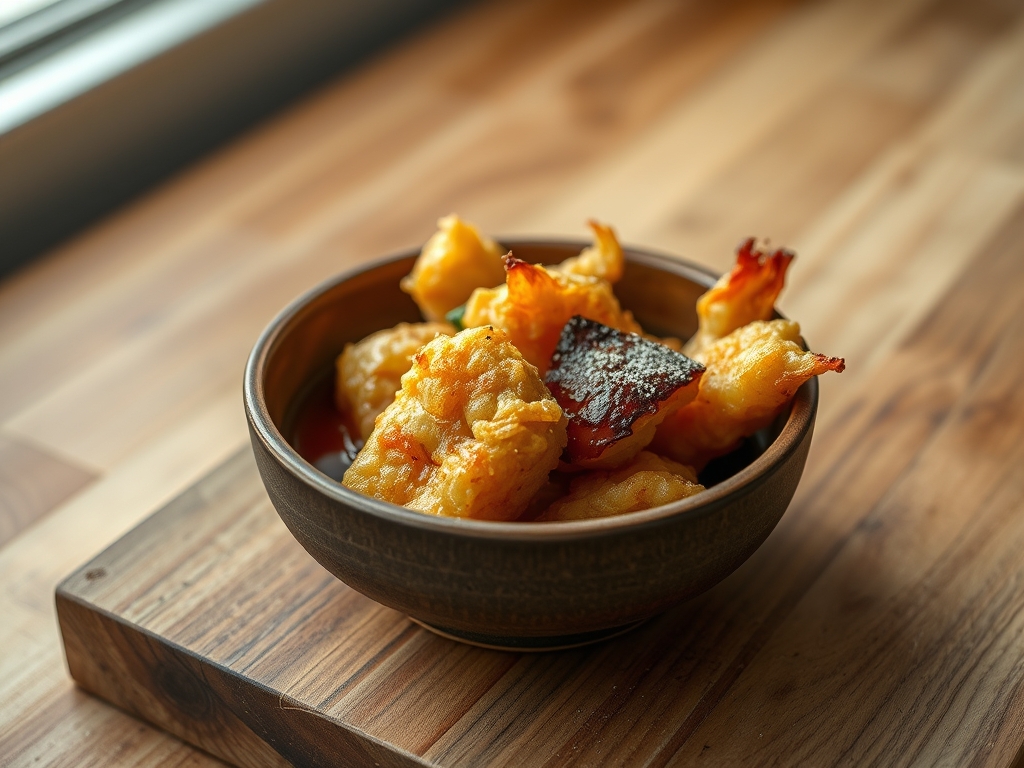
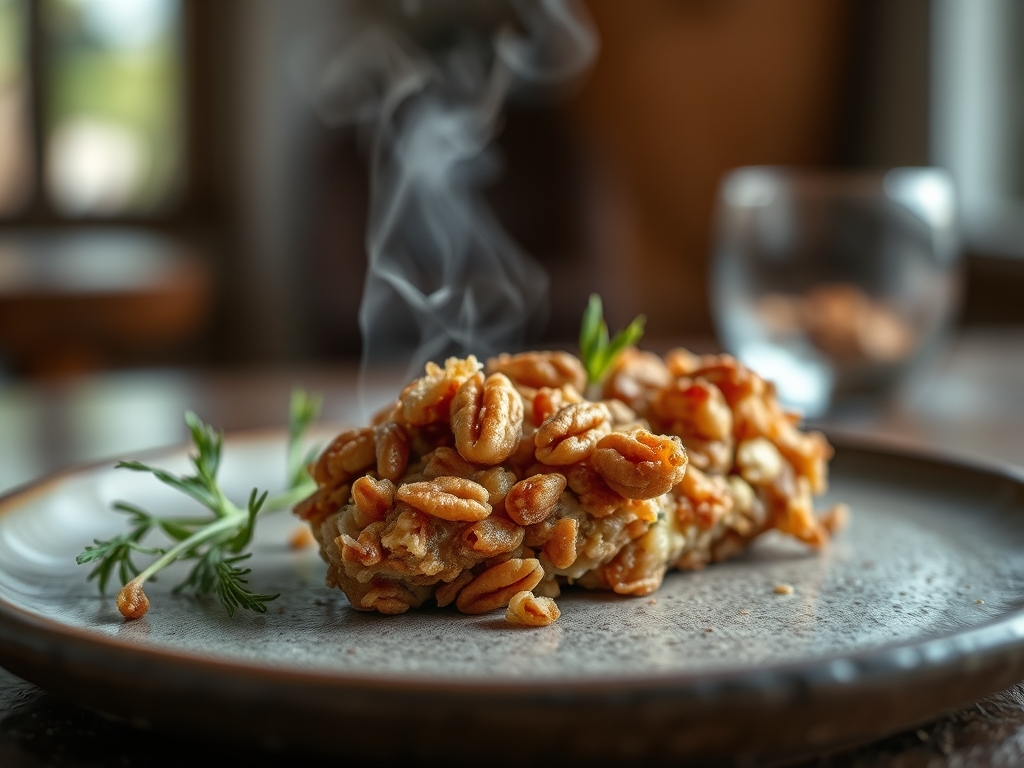
Listen to the sound of structural failure. That sharp, percussive snap is the auditory signature of a perfect Toasted Nut Crunch. We are not merely browning seeds; we are performing a controlled moisture depletion audit to maximize the density of flavor. When the heat hits the lipid-rich cells of a walnut or a pumpkin seed, we trigger a cascade of chemical transformations. This is the Maillard reaction in its most aggressive form. Sugars and amino acids reorganize into a complex lattice of savory, nutty, and slightly bitter compounds. If your kitchen does not currently smell like a caramelized dreamscape, you are failing the thermal test. We are seeking that specific point where the moisture content drops below two percent, leaving behind a brittle, crystalline structure that shatters upon impact. This is the difference between a soggy garnish and a high-performance culinary component. Prepare your sensors for a deep dive into the molecular mechanics of the crunch. We are moving beyond simple roasting into the realm of architectural seed engineering.
THE DATA MATRIX
| Metric | Specification |
|---|---|
| Prep Time | 10 Minutes |
| Execution Time | 25 Minutes |
| Yield | 500g / 2 Cups |
| Complexity (1-10) | 4 |
| Estimated Cost per Serving | $0.85 |
THE GATHERS
Ingredient Protocol:
- 200g / 1.5 cups Raw Whole Pecans
- 100g / 0.75 cup Raw Pumpkin Seeds (Pepitas)
- 50g / 0.25 cup Raw Sesame Seeds
- 60ml / 4 tbsp Grade A Maple Syrup
- 15ml / 1 tbsp Neutral Oil (Grape Seed or Avocado)
- 5g / 1 tsp Flaky Sea Salt
- 2g / 0.5 tsp Cayenne Pepper (optional for piquant kick)
- 1g / 0.25 tsp Ground Cinnamon
Section A: Ingredient Quality Audit:
The primary failure point in Toasted Nut Crunch is the use of oxidized lipids. If your nuts smell like old cardboard or paint, the volatile oils have turned rancid. No amount of heat can fix a chemical spoilage. To audit your raw materials, perform a "snap test" by breaking a pecan in half; it should offer resistance rather than a soft, rubbery yield. If your seeds are slightly stale but not rancid, you can infuse them with a brief 10-minute soak in ice-cold water followed by a complete dehydration cycle in a low-heat oven to "reset" the cellular structure. Ensure your maple syrup is 100% pure. Imitation syrups contain high-fructose corn syrup which has a lower burn point and will create a sticky, viscous mess rather than a brittle snap.
THE MASTERCLASS
1. Thermal Calibration and Prep
Preheat your convection oven to 165C / 325F. Use a digital scale to measure all dry components into a large stainless steel mixing bowl. Precise mass measurements are superior to volumetric cups because nut density varies wildly by crop.
Pro Tip: High-heat seed snap requires uniform heat distribution. A heavy-duty rimmed baking sheet (half-sheet pan) is essential to prevent warping, which causes "hot spots" where sugars can pool and burn.
2. The Emulsification Coating
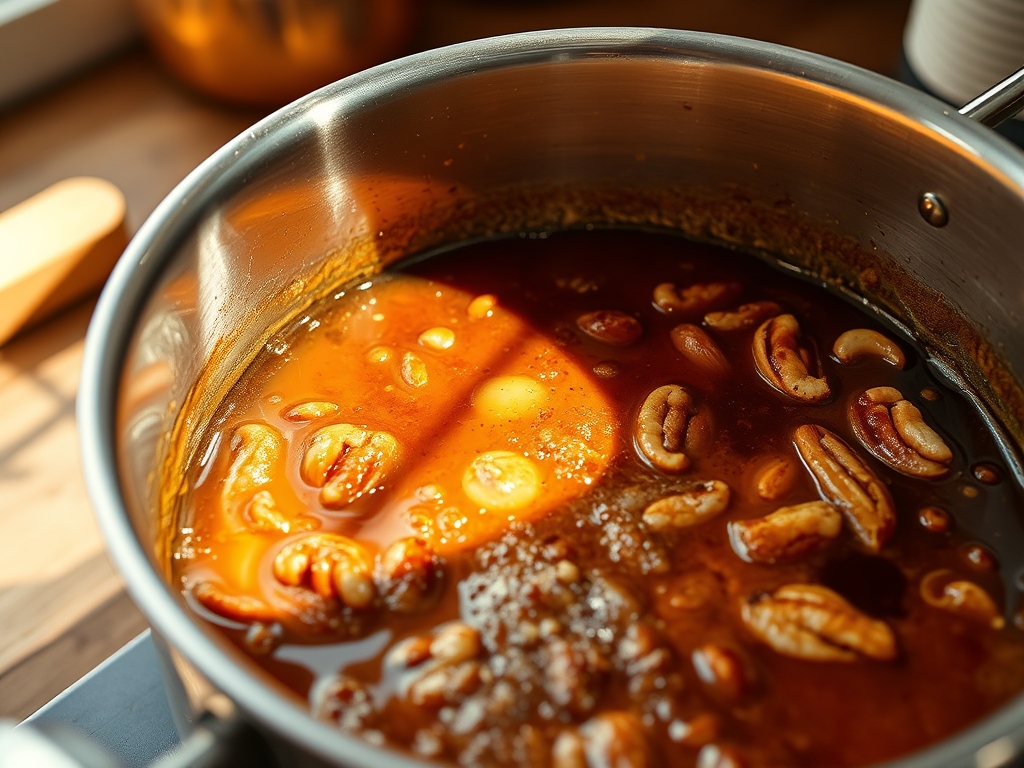
In a small saucier, whisk together the maple syrup, oil, and spices over low heat until the mixture is fully integrated and slightly less viscous. Pour this over the nut mixture and use a bench scraper or large spatula to fold the ingredients until every crevice is coated.
Pro Tip: The oil acts as a heat conductor, helping the thermal energy penetrate the dense center of the nuts, while the syrup provides the sacrificial sugars for the Maillard reaction.
3. The Dehydration Phase
Spread the mixture onto a parchment-lined tray in a single, non-overlapping layer. This is critical for moisture depletion. If the nuts are crowded, they will steam in their own released vapors rather than crisping.
Pro Tip: Using a silpat or high-quality parchment paper prevents the sugars from bonding to the metal tray, which would otherwise require you to deglaze the pan just to save your snack.
4. Agitation and Aeration
Every 8 minutes, remove the tray and use a bench scraper to toss the nuts, moving the outer edges toward the center. This ensures the seeds on the periphery do not over-caramelize while the center remains under-processed.
Pro Tip: This agitation step allows steam to escape the tray surface, effectively helping to aerate the gaps between the seeds for a more even "snap" profile.
5. The Cooling Structural Set
Once the nuts reach a deep mahogany hue, remove them from the oven. They will still feel slightly soft. Do not be fooled. The structural integrity develops during the cooling phase as the sugars crystallize into a solid matrix.
Pro Tip: Spread the hot mixture onto a cold surface or a fresh piece of parchment to stop the residual cooking process immediately. A cooling rack allows air to circulate underneath, preventing bottom-up moisture retention.
Section B: Prep & Timing Fault-Lines:
The most common human error is the "set it and forget it" fallacy. Nut oils are highly volatile; the transition from "perfectly toasted" to "carbonized waste" happens in a window of approximately 90 seconds. If your timing is off, you risk scorching the sesame seeds, which have a much higher surface-area-to-mass ratio than pecans. If you notice the smaller seeds browning too fast, reduce the temperature by 10 degrees and extend the time. Always use a timer; your nose is a lagging indicator that only alerts you once the burning has already begun.
THE VISUAL SPECTRUM
Section C: Thermal & Visual Troubleshooting:
Referencing the Masterclass photo, your Toasted Nut Crunch should exhibit a high-gloss sheen without appearing wet. If the final product looks dull or dusty, you likely under-measured the syrup or failed to render the oils properly during the coat. If the color is uneven, with some seeds pale and others dark, your oven has "cold spots" or you neglected the agitation phase. The pumpkin seeds should puff slightly, indicating that internal moisture has turned to steam and pushed against the hull, creating a hollow, crunchy interior. If your pecans look black in the grooves, your heat was too high; the sugars in the crevices caramelized faster than the flat surfaces. Aim for a uniform "burnished copper" aesthetic.
THE DEEP DIVE
Macro Nutrition Profile
This crunch is a high-density energy source. Per 30g serving, expect approximately 160 calories, 14g of healthy fats (mostly monounsaturated), 4g of protein, and 6g of carbohydrates. The fiber content is significant due to the inclusion of whole pumpkin seeds and pecans.
Dietary Swaps
- Vegan: This recipe is naturally vegan as long as pure maple syrup is used.
- Keto: Replace maple syrup with a monk fruit-based syrup and increase the pecan ratio while decreasing the pumpkin seeds.
- GF: Naturally gluten-free. Ensure your spices are not processed in a facility with wheat.
Meal Prep & Reheating Science
To maintain the molecular structure, store the crunch in an airtight glass jar with a desiccant pack if possible. Moisture is the enemy of the snap. If the crunch loses its texture due to humidity, you can "re-snap" it by placing it in a 150C / 300F oven for 5 minutes to drive off the absorbed water molecules. Do not microwave, as this will vibrate the water molecules inside the nut, making it soft and oily rather than crisp.
THE KITCHEN TABLE
Why is my crunch sticky instead of brittle?
You likely pulled the tray too early or used a syrup with high water content. The sugars must reach the "hard crack" stage to provide that signature snap. Return it to a low oven for five more minutes.
Can I use roasted nuts instead of raw?
You can, but you must reduce the oven time by 50 percent. Pre-roasted nuts have already undergone lipid transformation, so you are only heating them to set the glaze. Monitor them closely to avoid a bitter, over-cooked flavor.
My sesame seeds all fell to the bottom!
This happens when the coating is too thin. Ensure your syrup and oil are properly emulsified before coating. The viscous syrup acts as the "glue" that keeps the smaller seeds bonded to the larger nut surfaces during the roasting cycle.
How long will this stay fresh?
In a sealed container at room temperature, the Toasted Nut Crunch will maintain its structural integrity for up to two weeks. For longer storage, freeze it. The low moisture content prevents ice crystals from forming, preserving the crunch perfectly.