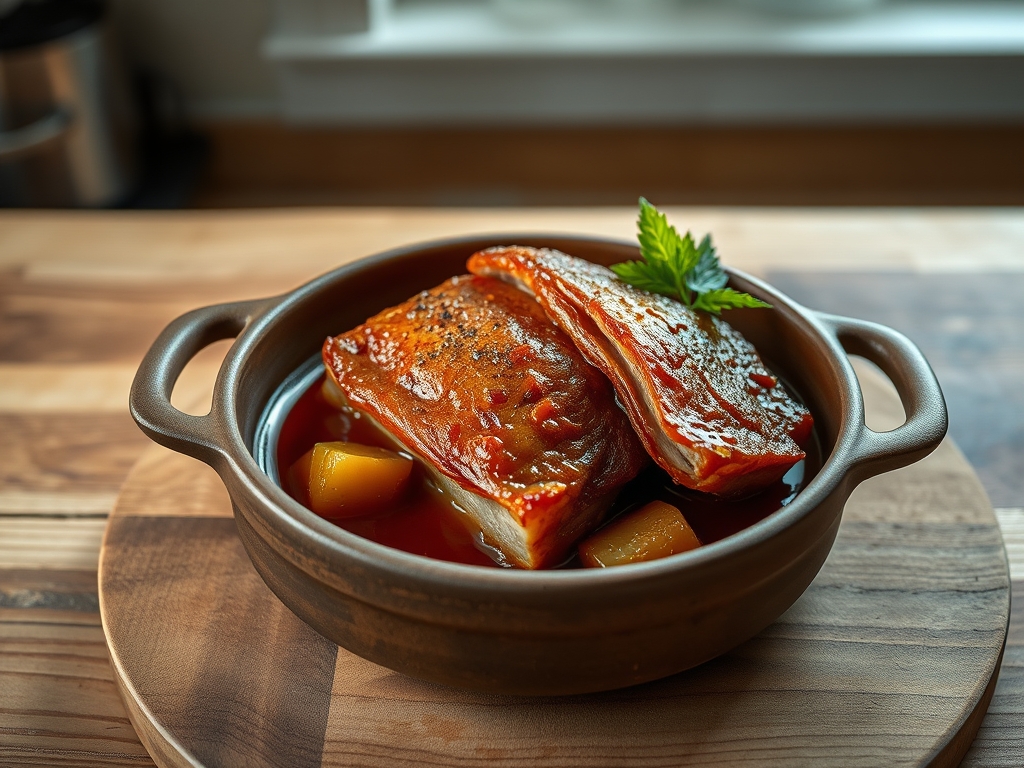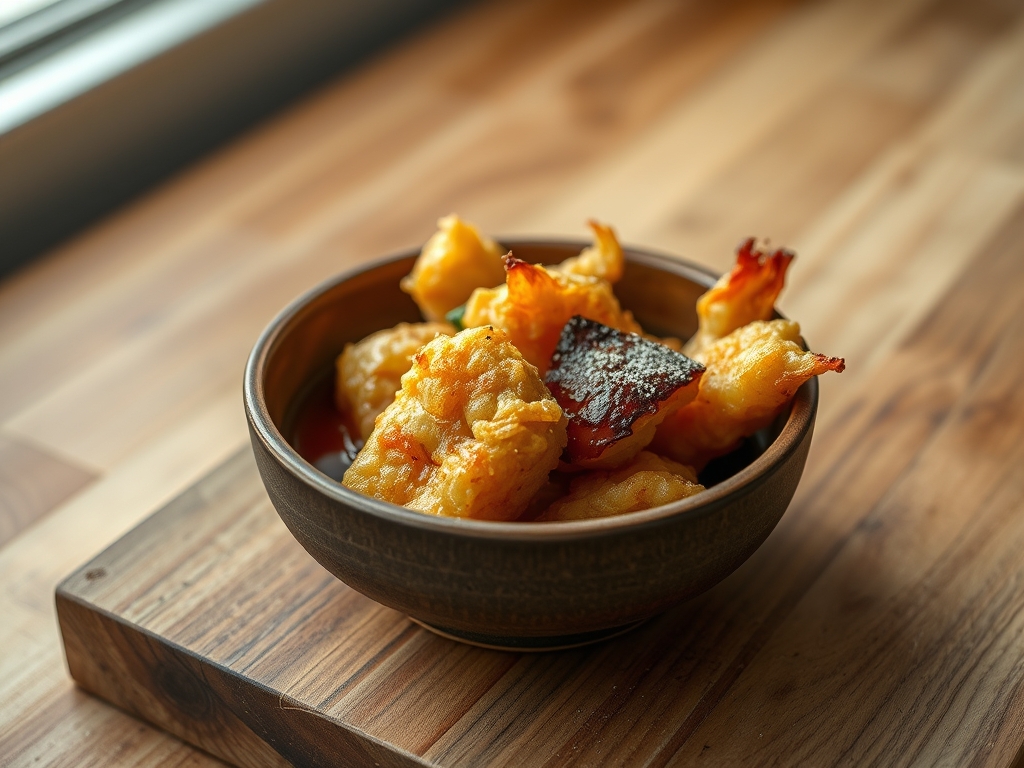
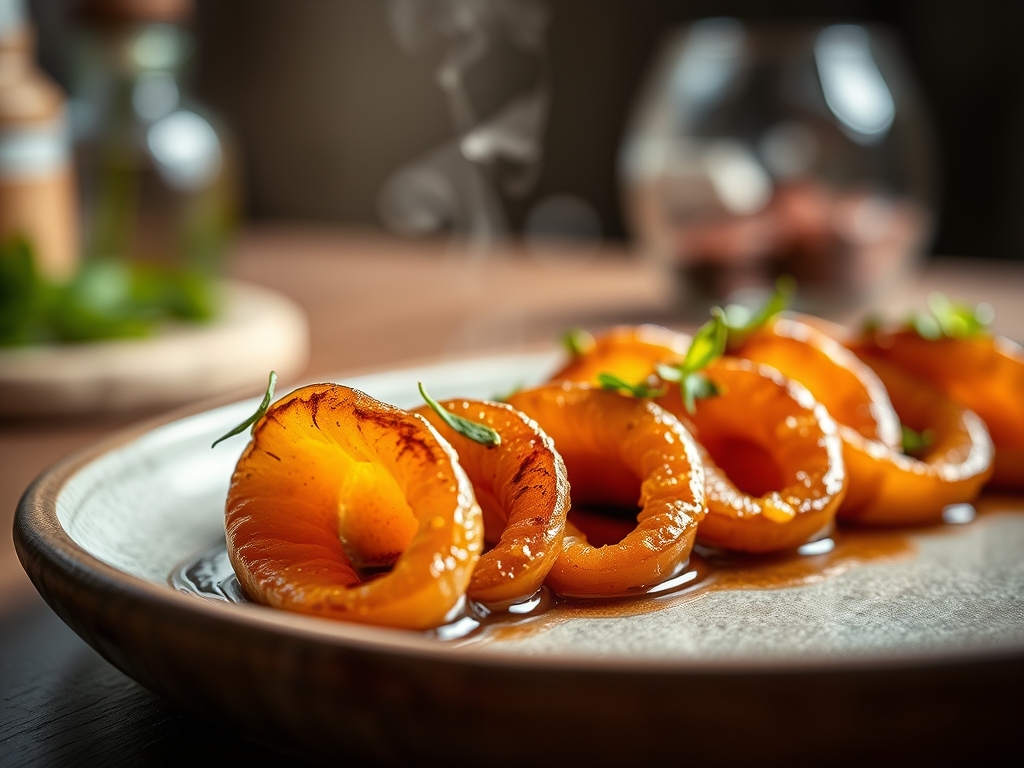
The sound of a successful Caramelized Sugar Snap is not merely a noise; it is a structural failure of a high-tension glass phase. When your spoon makes contact with that amber-hued surface, you are looking for a clean, audible crack that resonates through the ceramic bowl. This is the hallmark of a masterfully executed sugar shell. We are moving beyond the realm of simple cooking and into the world of edible infrastructure. To achieve this, we must manipulate sucrose molecules through a precise thermal trajectory, forcing them to transition from a crystalline solid to a viscous liquid and, finally, into a brittle, amorphous solid. If you miss your marks, you end up with a tacky, tooth-pulling mess or a bitter, carbonized disaster. We are here to ensure your structural integrity remains uncompromised. We are building a dessert foundation that demands respect. Prepare your workstation for a high-velocity audit of the most satisfying sound in the culinary lexicon. Let us begin the thermal descent.
THE DATA MATRIX
| Metric | Specification |
|---|---|
| Prep Time | 15 Minutes |
| Execution Time | 25 Minutes |
| Yield | 6 Servings |
| Complexity (1-10) | 8 |
| Estimated Cost per Serving | $1.25 |
THE GATHERS
Ingredient Protocol:
- 400g / 2 cups Granulated White Sucrose (High Purity)
- 120ml / 0.5 cup Filtered Water
- 60ml / 4 tbsp Light Corn Syrup (To prevent premature crystallization)
- 5ml / 1 tsp Pure Vanilla Bean Paste
- 2g / 0.25 tsp Flaked Sea Salt (For a piquant finish)
- 500ml / 2 cups Heavy Cream (Minimum 36% Milk Fat)
- 6 Large Egg Yolks (Room Temperature)
Section A: Ingredient Quality Audit:
The primary failure point in sugar work is often the purity of the sucrose. If your sugar contains trace minerals or dust, it will act as a "seed" for unwanted crystallization, turning your clear syrup into a grainy sludge. Use a digital scale to ensure precise ratios; volume measurements are for amateurs. If your heavy cream shows signs of separation, it will not infuse properly with the vanilla. Ensure your eggs are fresh; older yolks have weaker protein structures that may fail to render a smooth custard base beneath your snap. If you find your sugar is clumping, sift it through a fine-mesh strainer before it enters the saucier.
THE MASTERCLASS
Step 1: The Hydration Phase
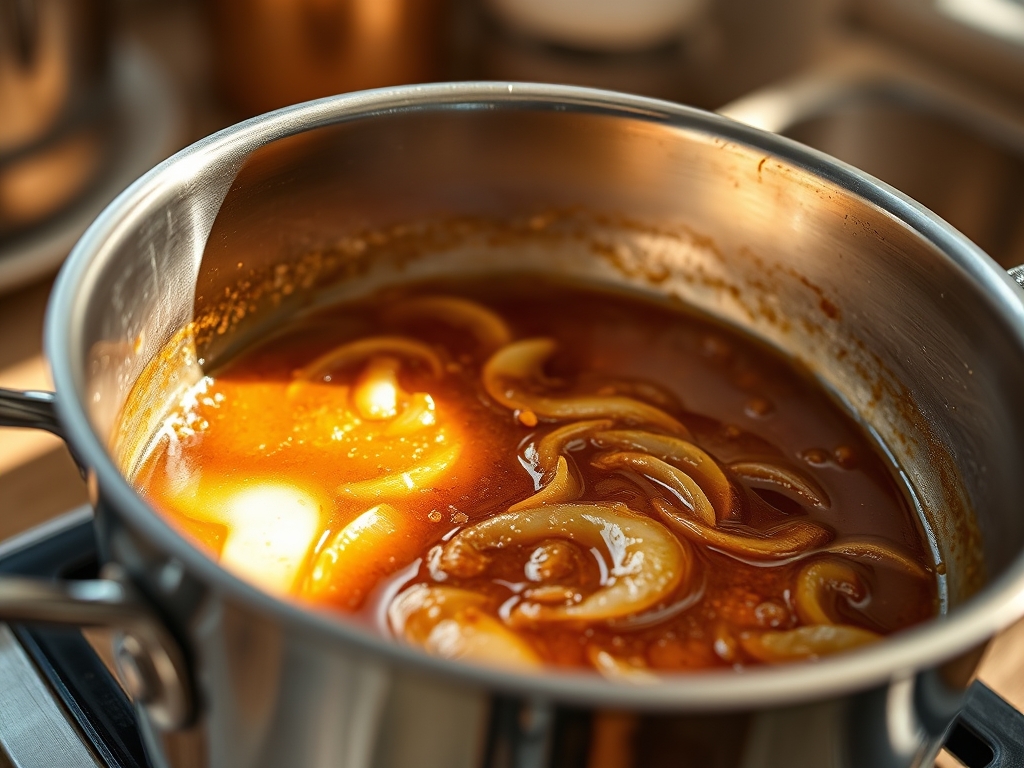
Combine your sugar, water, and corn syrup in a heavy-bottomed saucier. Stir gently over medium heat only until the sugar has dissolved. Once it reaches a simmer, stop stirring immediately. Use a wet pastry brush to wash down any stray crystals on the sides of the pan.
Pro Tip: This phase is about molecular suspension. Stirring after the boil introduces kinetic energy that can trigger a chain reaction of crystallization, ruining the viscous flow of the syrup.
Step 2: The Thermal Ascent
Increase the heat and monitor the temperature using a digital probe. You are aiming for the "Hard Crack" stage, specifically between 300 and 310 degrees Fahrenheit. The bubbles will shift from rapid and thin to slow, thick, and oily in appearance.
Pro Tip: At this stage, the water has been almost entirely evaporated. Professional chefs use a digital scale to monitor weight loss in the syrup to confirm the density of the sugar concentration.
Step 3: The Amber Transition
As the temperature nears 320 degrees Fahrenheit, the Maillard reaction and caramelization take over. Watch for a pale straw color that rapidly deepens into a rich, reddish-brown. Remove from heat at 335 degrees Fahrenheit; residual heat will carry it to the finish line.
Pro Tip: The color change indicates the breakdown of sucrose into glucose and fructose, followed by the creation of new aromatic compounds. A bench scraper can be used to clean any spills on your marble slab before they set.
Step 4: The Glass Set
Pour the molten caramel over your chilled custard bases or onto a silicone mat in a thin, even layer. It must be thin enough to fracture but thick enough to hold its shape. Allow it to cool at room temperature in a low-humidity environment.
Pro Tip: Humidity is the enemy of the glass phase. Sugar is hygroscopic, meaning it pulls moisture from the air. If the room is humid, your snap will become tacky within minutes.
Section B: Prep & Timing Fault-Lines:
The most common human error is the "Panic Pull." Removing the sugar from the heat too early results in a chewy texture that lacks the signature fracture. Conversely, waiting three seconds too long will result in a bitter, burnt profile. Use a timer and a calibrated thermometer. If your custard is not fully chilled before the sugar application, the thermal shock will melt the surface, creating a watery interface that prevents the sugar from bonding. Coordination is key; have your serving vessels lined up and ready before the sugar reaches 300 degrees.
THE VISUAL SPECTRUM
Section C: Thermal & Visual Troubleshooting:
Referencing the Masterclass photo, you are looking for a surface that mimics polished obsidian. If the surface appears dull or "cloudy," you have likely incorporated too much air or failed to dissolve all crystals. If you see "pockmarks" or small bubbles trapped in the glass, you poured the sugar too aggressively; aerate the syrup less during the final pour. Uneven browning, where one side is pale and the other is dark, indicates an uneven heat source. Rotate your saucier frequently during the thermal ascent to ensure even heat distribution. A perfect snap should be translucent when held to the light, showing a deep copper glow.
THE DEEP DIVE
Macro Nutrition Profile:
This is a high-density energy source. Each serving contains approximately 320 calories, 18g of fat, and 38g of carbohydrates. The protein content is negligible, derived primarily from the egg yolk stabilizers.
Dietary Swaps:
- Vegan: Replace heavy cream with full-fat coconut milk and use an agar-agar stabilizer. Substitute the sugar with a high-quality Isomalt for a sugar-free, keto-friendly snap.
- GF: This recipe is naturally gluten-free, provided your vanilla paste does not use grain-based alcohol carriers.
Meal Prep & Reheating Science:
You cannot reheat a Caramelized Sugar Snap. Once the glass phase is broken or has absorbed moisture, the molecular structure is permanently altered. To "prep" this, store the sugar shards in an airtight container with silica gel packets to maintain brittleness for up to 24 hours.
THE KITCHEN TABLE
Why is my sugar shell soft and sticky?
High humidity or undercooking the syrup are the usual suspects. If the sugar does not reach the "Hard Crack" temperature, it retains too much moisture to form a brittle lattice. Always use a thermometer to verify the thermal stage.
Can I fix a crystallized pot of sugar?
Yes, if it is in the early stages. Add a tablespoon of water and a drop of lemon acid, then reheat slowly. However, if it has already turned into a hard, white mass, it is better to start over.
How do I get the sugar off my pan?
Fill the saucier with water and bring it to a boil. The heat will re-dissolve the hardened sugar, allowing you to pour it away. Never use metal scrapers on your high-quality cookware.
Does the type of sugar really matter?
Absolutely. Impurities in cheap sugar act as nucleation sites for crystals. Use high-purity, fine-grain granulated sugar for the clearest results. Avoid "raw" or brown sugars for the primary snap as their moisture content is unpredictable.