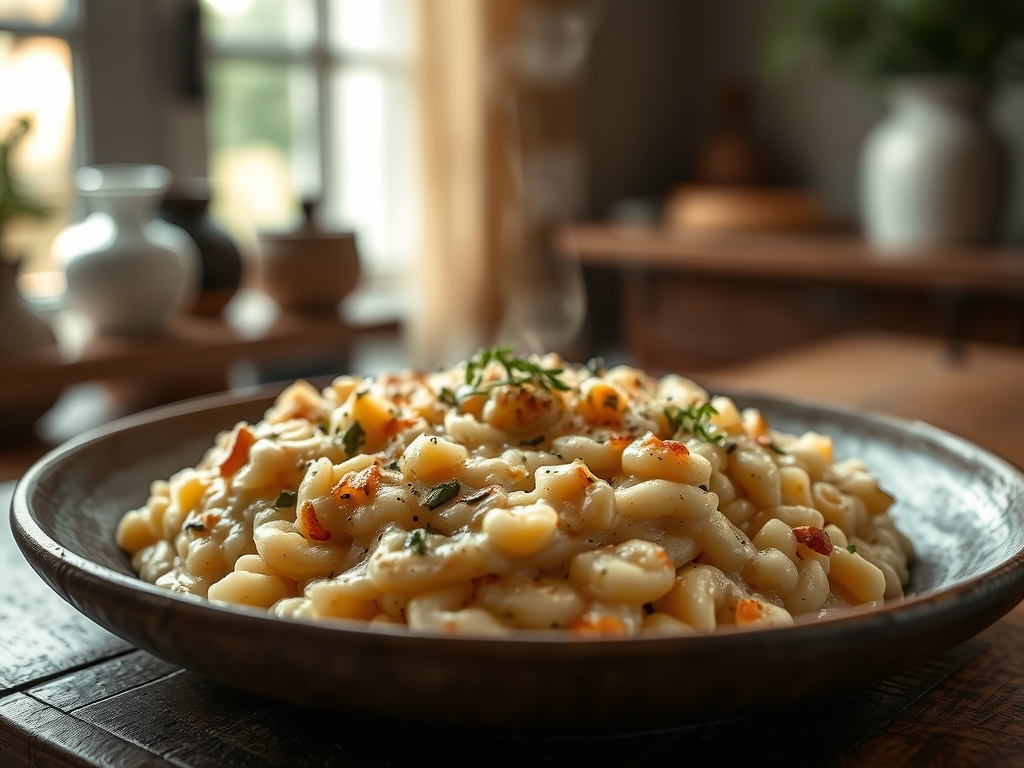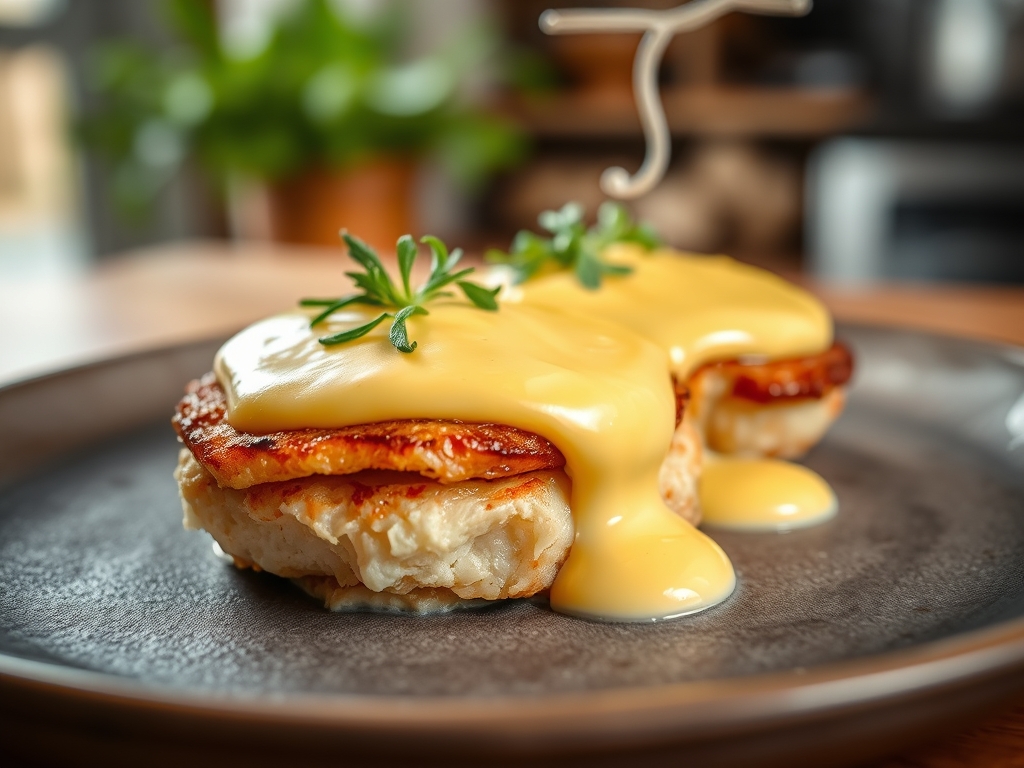
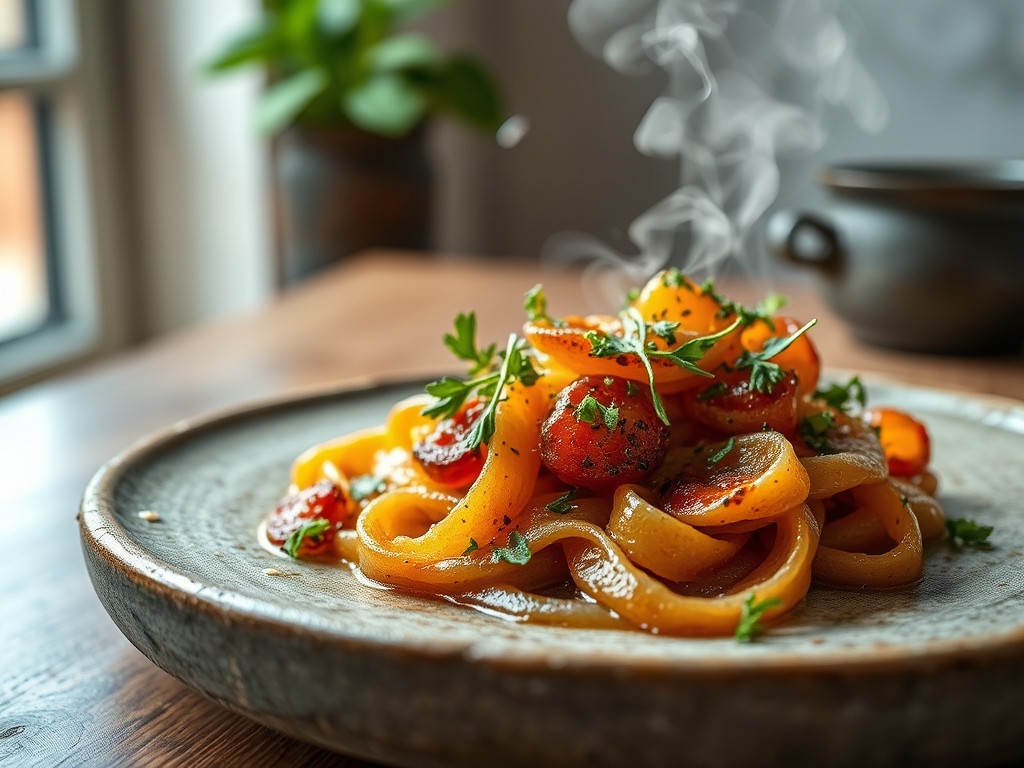
Close your eyes and listen to the sound of a kitchen in high gear. You are not listening for the clatter of plates or the roar of the exhaust fan; you are listening for the frequency of structural transformation. When a wire whisk strikes the side of a copper bowl, it creates a rhythmic percussion that signals the birth of a masterpiece. This is the art of Hearing Whisk Aeration. It is the moment where liquid physics meets culinary ambition. You can actually hear the mixture thicken. The sound shifts from a thin, metallic splash to a muffled, heavy thud as millions of microscopic air bubbles are forced into a viscous matrix. Whether you are building a towering souffle or a velvet hollandaise, the acoustic feedback of your tools is your most reliable sensor. If you cannot hear the air being trapped, you are not cooking; you are merely stirring. We are here to audit your technique and ensure your infrastructure is capable of supporting true, aerated volume.
THE DATA MATRIX
| Metric | Specification |
|---|---|
| Prep Time | 15 Minutes |
| Execution Time | 25 Minutes |
| Yield | 4 Servings |
| Complexity (1-10) | 7 |
| Estimated Cost per Serving | $4.50 |
THE GATHERS
Ingredient Protocol:
- 4 Large Egg Yolks (approx. 72g) / 4 units
- 225g Unsalted European Butter (High Fat) / 1 cup
- 30ml Champagne Vinegar / 2 tbsp
- 15ml Fresh Lemon Juice / 1 tbsp
- 5g Fine Sea Salt / 1 tsp
- 2g Cayenne Pepper / 0.5 tsp
- 30ml Cold Water / 2 tbsp
Section A: Ingredient Quality Audit:
The primary failure point in high-volume aeration is the lipid-to-water ratio. If your butter has a high water content (standard supermarket brands), your emulsion will collapse into a greasy puddle. Technical Fix: Always source European-style butter with at least 82 percent butterfat. If your eggs are older than seven days, the protein strands in the whites and yolks have begun to denature; this weakens the walls of the air bubbles you are trying to create. Technical Fix: Test egg freshness by submerging them in water. If they tilt or float, the air cell is too large and the protein integrity is compromised. Use only heavy, sinking eggs for maximum structural stability.
THE MASTERCLASS
Step-by-Step Execution:
1. The Thermal Foundation
Place your yolks and vinegar into a heavy-bottomed saucier. Using a digital scale, ensure your measurements are precise to the gram. Set the heat to the lowest possible setting. You are looking for a gentle rise in temperature to begin the denaturation of proteins without scrambling the yolks.
Pro Tip: The saucier is superior to a standard saucepan because its curved bottom eliminates "dead zones" where eggs can get trapped and overcook. The goal is a uniform heat distribution that allows the lecithin in the yolks to prepare for emulsification.
2. Initiating Hearing Whisk Aeration
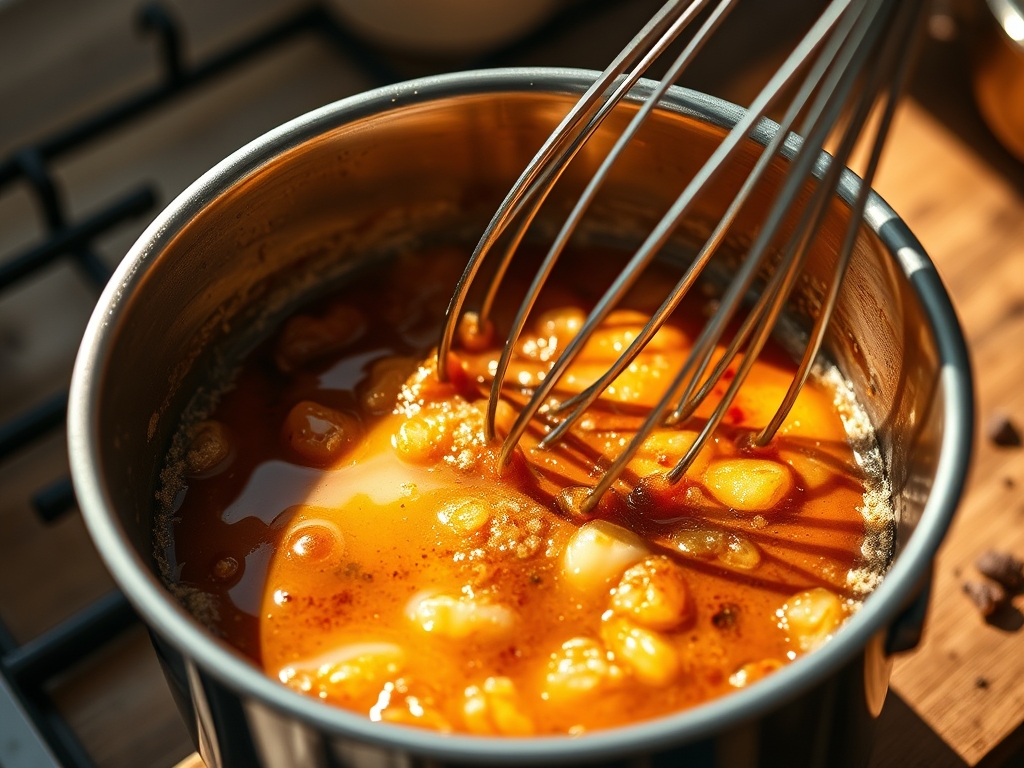
Begin whisking vigorously in a figure-eight motion. Listen closely. As you introduce air, the pitch of the whisk hitting the steel will deepen. This is the Hearing Whisk Aeration phase. The yolks should double in volume and turn a pale, buttery yellow before any fat is introduced.
Pro Tip: This acoustic shift indicates that you have successfully created a stable foam. If the sound remains high-pitched and "splashy," increase your whisking speed. You are building the "balloons" that will later hold the butter.
3. The Lipid Infusion
Slowly drizzle in your rendered clarified butter. Do not rush this. Start with a drop-by-drop cadence while maintaining your whisking rhythm. The mixture will become increasingly viscous. If the sauce looks "shaggy" or dull, stop the fat infusion immediately and add a teaspoon of cold water to reset the emulsion.
Pro Tip: Use a bench scraper to keep your workstation clean of any salt or spice debris that could fall into the sauce and act as a seed for crystallization or "breaking" the sauce.
4. Seasoning and Final Polish
Once all the butter is incorporated and the sauce holds a soft peak, whisk in the lemon juice, salt, and cayenne. This will infuse the sauce with a piquant brightness that cuts through the heavy lipids. The final texture should be light enough to coat a spoon but airy enough to feel weightless on the palate.
Pro Tip: Professional chefs use a digital thermometer to ensure the sauce stays between 130F and 145F. Anything higher will scramble the eggs; anything lower will allow the butter to solidify, destroying the aeration.
Section B: Prep & Timing Fault-Lines:
The most common human error is "The Heat Rush." If you attempt to speed up the aeration by increasing the flame, you will reach the coagulation point of the egg proteins (155F) before the air is trapped. This results in a grainy texture. Correction: If you see steam rising aggressively from the saucier, lift the pan off the heat for ten seconds while continuing to whisk. Timing is everything. The window of perfect emulsion lasts only as long as the temperature is controlled.
THE VISUAL SPECTRUM
Section C: Thermal & Visual Troubleshooting:
Referencing the Masterclass photo, observe the "Ribbon Stage" of the sauce. The surface should show distinct tracks left by the whisk that hold their shape for three seconds before dissolving. If your sauce is a dull, dark yellow, you have failed to incorporate enough air; return to the Hearing Whisk Aeration technique. If the sauce appears broken or oily, the butter was added too quickly. You can fix this by placing a fresh egg yolk in a clean bowl and slowly whisking the broken sauce into it. The visual cue for success is a satin-like sheen. It should reflect light without looking greasy. If it looks matte, it is likely too thick; whisk in a few drops of warm water to aerate and loosen the matrix.
THE DEEP DIVE
Macro Nutrition Profile:
This is a high-fat, high-protein component. Per serving: 450 Calories, 48g Fat, 3g Protein, 1g Carbohydrates. It is an energy-dense addition designed for luxury and satiety.
Dietary Swaps:
- Vegan: Substitute egg yolks with 45ml of aquafaba and use a high-quality vegan butter block. The Hearing Whisk Aeration will take longer but follows the same acoustic principles.
- Keto: This recipe is naturally Keto-compliant.
- GF: Naturally Gluten-Free.
Meal Prep & Reheating Science:
Emulsions are notoriously fragile. To store, place in a thermos to maintain the 140F "Goldilocks" zone. If reheating, use a bain-marie (water bath) on very low heat. Never microwave an aerated sauce; the localized high-heat pockets will cause the air bubbles to expand and burst, leading to a total structural collapse of the molecular matrix.
THE KITCHEN TABLE
Why does my sauce taste metallic?
You likely used a whisk on an unlined aluminum pan. The friction shears off microscopic particles. Always use stainless steel or copper with a non-reactive lining to preserve the piquant flavor profile of the lemon and vinegar.
Can I use a blender instead of a whisk?
While a blender provides speed, it lacks the nuanced control of Hearing Whisk Aeration. Blenders often over-shear the proteins, leading to a heavy, dense sauce rather than a light, aerated volume. Use a whisk for superior texture.
What if my sauce is too thin?
Your temperature was likely too low. The yolks need enough heat to slightly thicken and encapsulate the air. Gently increase the heat while whisking until the sound of the whisk becomes muffled and the mixture gains body.
How do I stop a skin from forming?
A skin forms when the surface moisture evaporates. To prevent this, place a piece of plastic wrap or parchment paper directly on the surface of the sauce. This maintains the moisture balance and protects the delicate molecular structure.