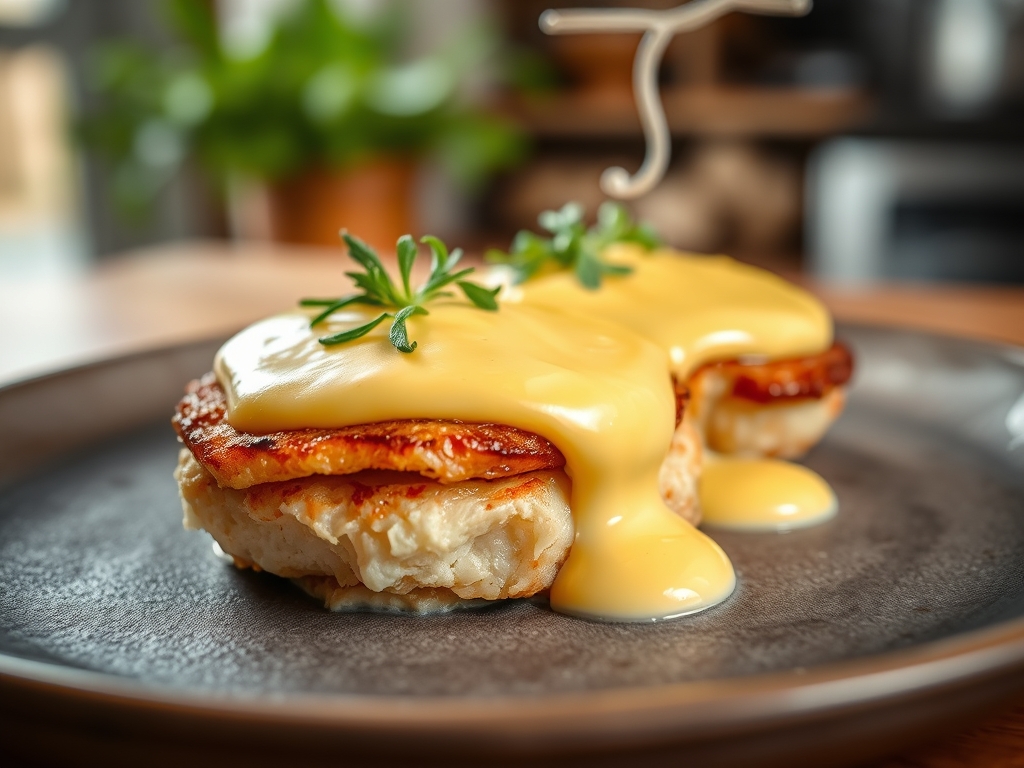
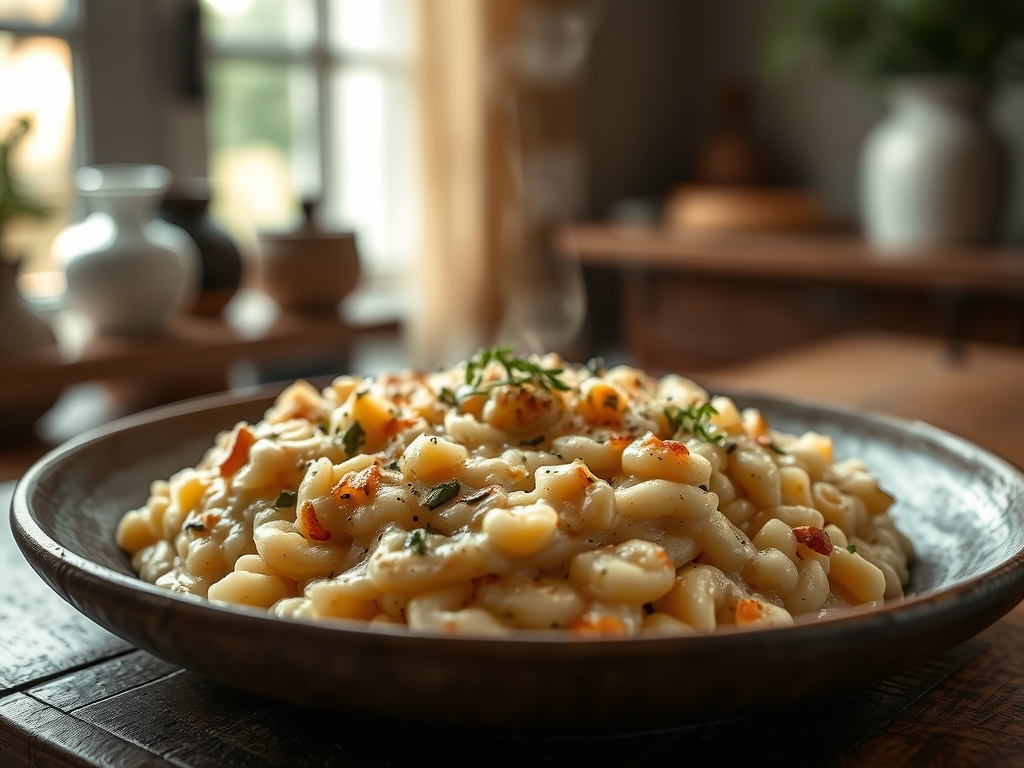
Listen up, culinary engineers. We are not here to stir a pot of rice; we are here to manage a high-stakes starch suspension. Achieving the perfect Creamy Risotto Texture is an exercise in structural integrity and precise mechanical agitation. It is the difference between a sad, stodgy pile of grain and a flowing, silken wave that ripples across the plate like a velvet tide. This is the "all'onda" effect. If your risotto stands up like a scoop of mashed potatoes, you have failed the audit. If it runs off the plate like a soup, your emulsion has collapsed. We are hunting for that precise molecular sweet spot where the exterior amylopectin has sloughed off into the cooking liquid to create a luxurious binder while the interior remains firm and defiant. It is a piquant dance of heat, friction, and hydration. Prepare to calibrate your sensors. We are moving beyond the recipe and into the realm of architectural gastronomy. Let us render some fat and infuse some soul.
THE DATA MATRIX
| Metric | Specification |
|---|---|
| Prep Time | 15 Minutes |
| Execution Time | 25 Minutes |
| Yield | 4 Servings |
| Complexity | 7/10 |
| Estimated Cost per Serving | $4.50 |
THE GATHERS
Ingredient Protocol:
- 320g / 1.6 cups Arborio or Carnaroli Rice (Superfino grade required)
- 1.2L / 5 cups Organic Chicken or Vegetable Stock (High gelatin content preferred)
- 120ml / 0.5 cup Dry White Wine (Pinot Grigio or Sauvignon Blanc)
- 60g / 4 tbsp Unsalted High-Fat Butter (Cold, cubed)
- 80g / 1 cup Parmigiano-Reggiano (Aged 24 months, finely grated)
- 2 medium Shallots (Finely minced)
- 30ml / 2 tbsp Extra Virgin Olive Oil
- 5g / 1 tsp Kosher Salt (Adjust to taste)
- 2g / 0.5 tsp Freshly Cracked Black Pepper
Section A: Ingredient Quality Audit:
If your rice looks chalky or contains broken grains, abort immediately. Broken grains release starch too early, leading to a gummy mess rather than a refined Creamy Risotto Texture. Use only superfino grade rice. If your stock is room temperature, you will shock the grain and seize the starch. Keep it at a low simmer. If your cheese is the pre-shredded variety found in plastic tubs, the cellulose anti-clumping agents will sabotage your emulsion. Grate it yourself using a microplane to ensure maximum surface area for melting.
THE MASTERCLASS
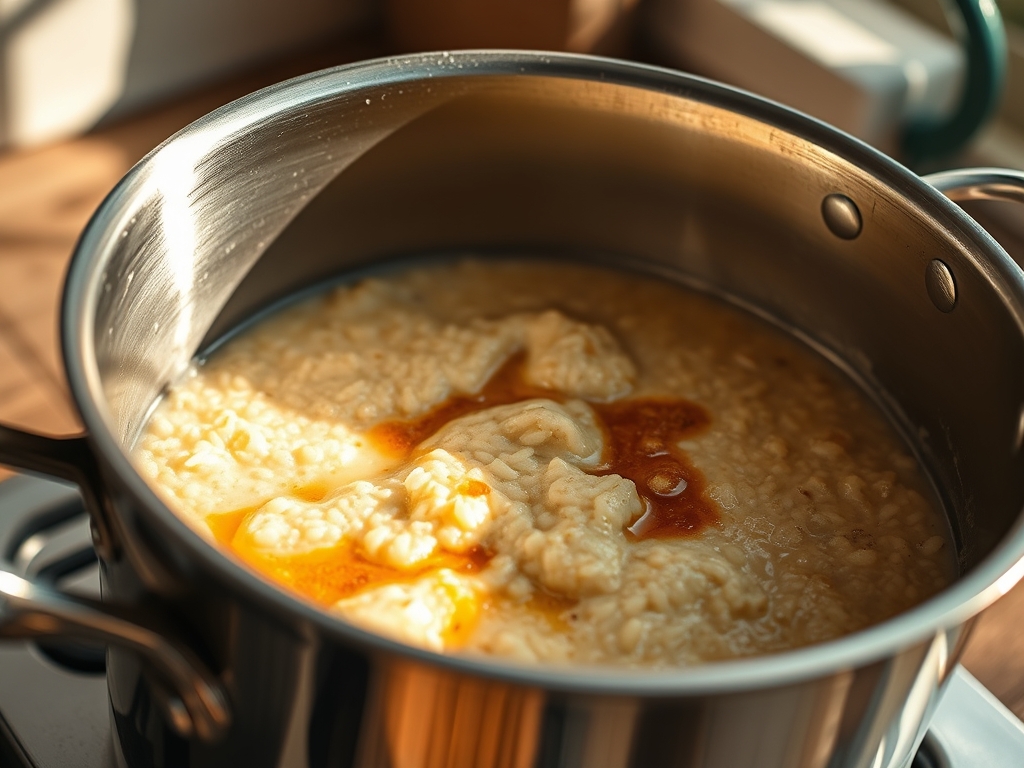
Step-by-Step Execution:
1. The Soffritto Foundation
Place your saucier over medium heat and add the olive oil. Sauté the minced shallots until translucent but not browned. We are looking for a soft aromatic base, not a Maillard reaction. Use a silicone spatula to ensure no bits stick to the curved edges of the pan.
Pro Tip: Sweating the shallots breaks down their cellular walls, releasing sugars that provide a subtle sweetness to balance the salty cheese later.
2. The Tostatura (Toasting)
Increase the heat slightly and add the rice. Stir vigorously for 2 to 3 minutes until the edges of the grains become translucent while the center remains white. The rice should smell slightly nutty and feel hot to the touch.
Pro Tip: Toasting the grain creates a protective shell that prevents the rice from disintegrating during the long hydration process. Use a digital scale to ensure your rice-to-liquid ratio remains precise.
3. The Deglaze Phase
Pour in the white wine. It should hiss and steam immediately. Stir until the liquid is almost entirely absorbed by the rice. This step strips the starch from the surface and introduces acidity to the profile.
Pro Tip: Deglazing isn't just for flavor; the acidity of the wine helps manage the viscous nature of the starch, keeping the final texture from feeling overly heavy on the palate.
4. Incremental Hydration
Add the simmering stock one ladle at a time. Stir frequently. Wait until the liquid is 90 percent absorbed before adding the next increment. This mechanical agitation is what rubs the starch off the grains to create the sauce.
Pro Tip: Frequent stirring is the "engine" of the Creamy Risotto Texture. It causes the grains to rub against each other, a process called abrasion, which releases the amylopectin into the surrounding liquid.
5. The Mantecatura (The Finish)
Once the rice is al dente, remove the pan from the heat. This is the most critical phase. Vigorously beat in the cold butter and the grated cheese. Use a wooden spoon or a bench scraper to move the rice in a circular motion, incorporating air.
Pro Tip: This is a cold-emulsification process. Adding cold butter to hot rice creates a stable fat-in-water emulsion that results in a glossy, aerated finish rather than a greasy one.
Section B: Prep & Timing Fault-Lines:
The most common human error is the "dump and simmer" mistake. Risotto is not boiled rice. If you add all the liquid at once, you lose the friction necessary for starch release. Another failure point is the "resting" phase. If the risotto sits in the pan for even three minutes without being served, the starch will continue to hydrate and the dish will lock up. Your guests must be waiting for the risotto; the risotto never waits for the guests.
THE VISUAL SPECTRUM
Section C: Thermal & Visual Troubleshooting:
Referencing the Masterclass photo, observe the "wave" at the edge of the plate. If your dish looks matte or dull, you lacked enough fat or air during the mantecatura. A glossy sheen indicates a successful emulsion. If you see uneven browning, your initial tostatura was too aggressive or your heat source is uneven. If the liquid is separating from the rice on the plate, the starch was not properly agitated; return to the pan and beat in a splash of hot stock and a knob of butter to re-bind the suspension.
THE DEEP DIVE
Macro Nutrition Profile:
A standard serving contains approximately 450 calories, 12g of fat, 65g of carbohydrates, and 10g of protein. It is a high-glycemic fuel source designed for immediate energy.
Dietary Swaps:
- Vegan: Replace butter with a high-quality emulsified cashew cream and use nutritional yeast or a vegan miso-based "parmesan" for the piquant kick.
- Keto: This is functionally impossible with rice. Use riced cauliflower, but skip the incremental hydration as there is no starch to release. Focus on a heavy cream reduction instead.
- GF: Naturally gluten-free, but ensure your stock is certified to avoid hidden thickeners.
Meal Prep & Reheating Science:
Risotto is a "live" dish. To reheat, you must break the starch bonds that set in the fridge. Add a splash of water or stock to a cold pan, add the risotto, and whisk vigorously over medium heat to aerate and re-emulsify the fats.
THE KITCHEN TABLE
Why is my risotto crunchy?
You likely had the heat too high, evaporating the liquid before it could penetrate the grain core. Or, your stock was cold, which prevents the starch from relaxing and absorbing moisture properly.
Can I use Basmati rice?
Negative. Basmati is a long-grain rice designed to stay separate and fluffy. It lacks the surface amylopectin required to create a Creamy Risotto Texture. You will end up with wet rice, not risotto.
What does "all'onda" actually mean?
It translates to "at the wave." When you shake the pan horizontally, the risotto should ripple and fold over itself like a gentle ocean wave. If it cracks or breaks, it is too dry.
Do I really have to stir the whole time?
Not every second, but frequently. You need enough movement to cause grain-on-grain friction. If you leave it alone, you are just boiling rice, and the texture will be flat and one-dimensional.