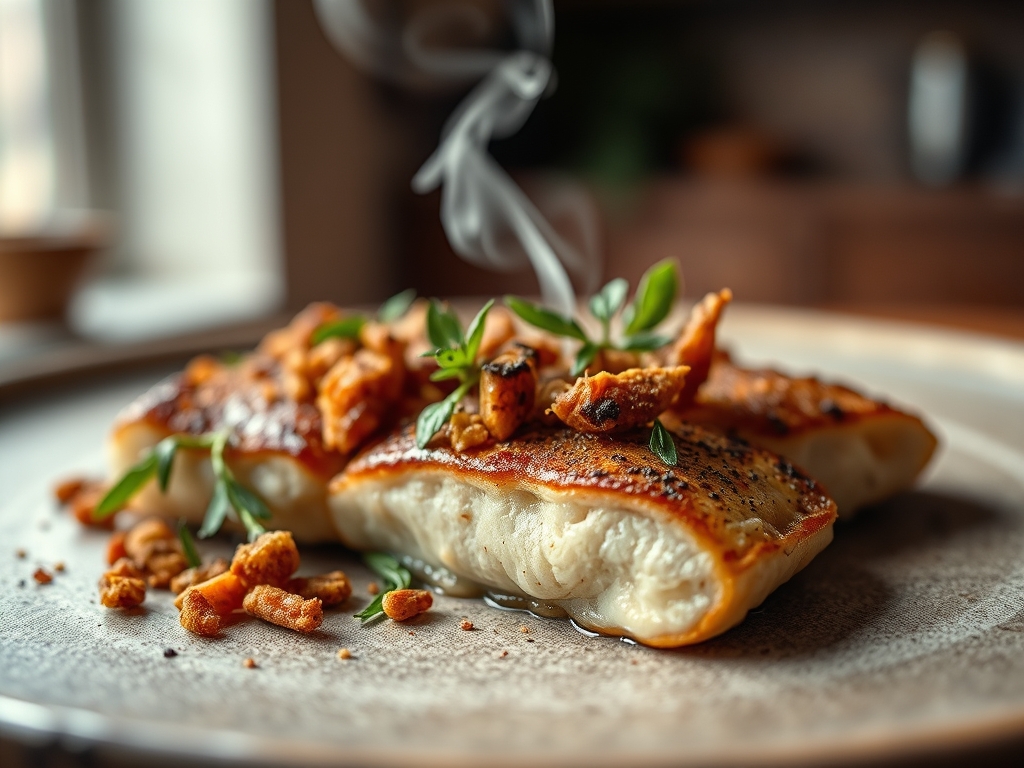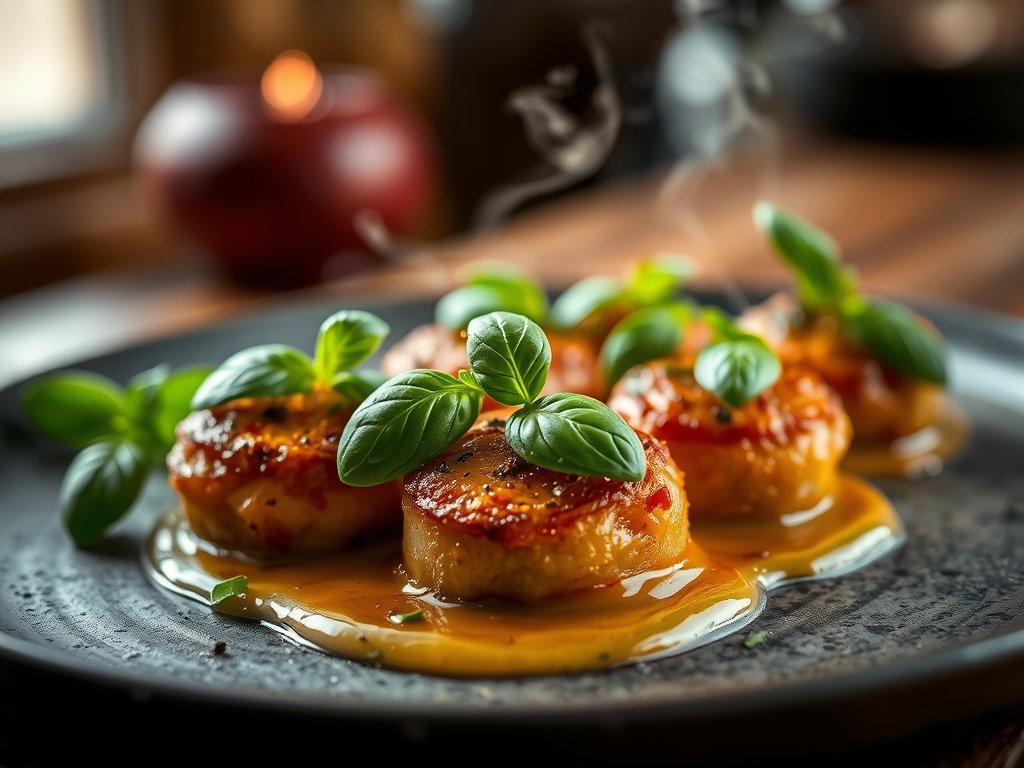
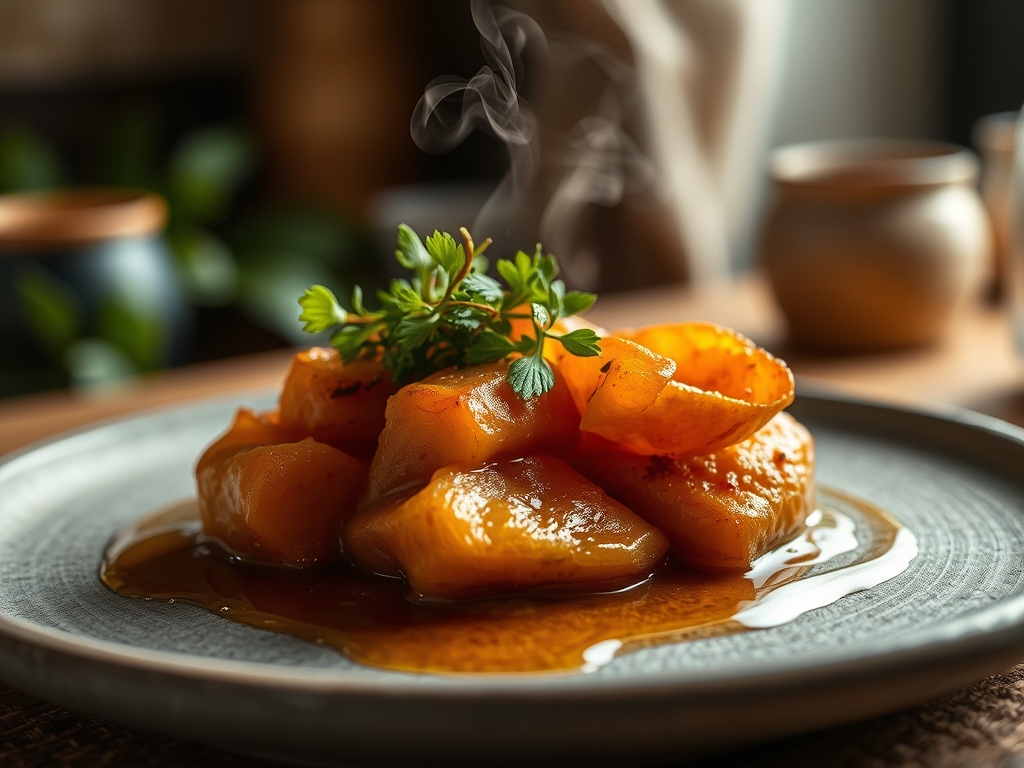
The air in a high performance kitchen does not just carry smells; it carries data. When you slice into a fresh rhizome of Zingiber officinale, you are not just prepping an aromatic. You are initiating a Gingerol Vapor Audit. This is the moment where the volatile oils, specifically the gingerols and shogaols, transition from a dormant cellular state into a thermogenic aerosol. As an auditor of culinary infrastructure, I am looking for that sharp, piquant sting that hits the back of the throat. If your ginger smells like dusty cardboard, your infrastructure has failed. We are looking for a sensory profile that is bright, electric, and slightly woody. This audit determines the potency of your final output. We are not merely cooking; we are managing a chemical reaction that involves the rapid evaporation of moisture and the concentration of pungent resins. Prepare your workstation. Clear the line. We are about to engineer a ginger based infusion that leverages heat to maximize molecular impact while maintaining the structural integrity of the ingredient.
THE DATA MATRIX
| Metric | Specification |
|---|---|
| Prep Time | 15 Minutes |
| Execution Time | 25 Minutes |
| Yield | 4 Servings |
| Complexity (1-10) | 4 |
| Estimated Cost per Serving | $3.25 |
THE GATHERS
Ingredient Protocol:
- 500g / 1.1 lbs Fresh Young Ginger (Firm, thin skin)
- 60ml / 4 tbsp Neutral High-Smoke Point Oil (Grapeseed or Avocado)
- 15ml / 1 tbsp Toasted Sesame Oil
- 45ml / 3 tbsp Tamari or Soy Sauce
- 30g / 2 tbsp Raw Honey or Agave
- 5g / 1 tsp Red Chili Flakes (Optional for heat amplification)
- 10ml / 2 tsp Rice Wine Vinegar (For acidity balance)
Section A: Ingredient Quality Audit:
If your ginger exhibits shriveled skin or a soft, spongy texture, the internal moisture has evaporated. This leads to a concentration of fibers that will result in a woody, unpleasant mouthfeel. To fix sub-par raw materials, soak the peeled ginger in ice water for twenty minutes to rehydrate the cellular walls before processing. If the gingerol vapor is weak, supplement the fresh root with a pinch of high quality ground ginger to bolster the baseline heat. Always check for blue or grey streaks inside the root; this indicates oxidation and a breakdown of the primary flavor compounds. Discard any sections that show these signs of degradation.
THE MASTERCLASS

Step-by-Step Execution:
1. Mechanical Breakdown and Slicing
Peel the ginger using the edge of a metal spoon to minimize waste. Use a sharp chef knife or a mandoline to create uniform matchsticks (julienne). Ensure every piece is approximately 2mm in thickness to guarantee even thermal penetration during the cooking phase.
Pro Tip: Use a digital scale to ensure your ratios are exact. Uniformity in size ensures that the surface area to volume ratio is consistent; this prevents smaller pieces from burning while larger pieces remain raw and overly acrid.
2. The Cold Start Infusion
Place the ginger and the neutral oil into a cold saucier. Turn the heat to medium-low. This gradual temperature climb allows the gingerols to slowly leach into the lipid carrier without scorching the delicate sugars present in the root.
Pro Tip: Starting in a cold pan allows the oils to infuse more deeply. As the temperature rises, you will see small bubbles forming around the ginger; this is the moisture escaping, which makes room for the oil to penetrate the cellular structure.
3. Thermal Acceleration and Aeration
Increase the heat to medium-high. Use a heat resistant spatula or a bench scraper to keep the ginger moving. You want to render the moisture out until the ginger begins to take on a pale golden hue. The scent will shift from sharp and raw to toasted and sweet.
Pro Tip: Continually aerate the mixture by tossing it. This introduces oxygen and helps manage the vapor pressure, ensuring the "Gingerol Vapor Audit" results in a clean, piquant aroma rather than a heavy, oily smell.
4. Deglazing and Emulsification
Once the ginger is golden, add the honey and tamari. The liquid will bubble violently as the sugars caramelize. Use the liquid to deglaze the bottom of the pan, scraping up any browned bits (fond) which contain concentrated flavor.
Pro Tip: This step creates a viscous glaze. The interaction between the fats in the oil and the sugars in the honey creates a temporary emulsion that coats each piece of ginger perfectly.
5. Final Acid Adjustment
Remove the pan from the heat and stir in the rice wine vinegar and toasted sesame oil. The acidity of the vinegar cuts through the density of the lipids, brightening the entire flavor profile and stabilizing the volatile aromatics.
Pro Tip: Never add toasted sesame oil during the high heat phase. Its smoke point is low, and high heat will destroy the delicate nutty notes you worked hard to preserve.
Section B: Prep & Timing Fault-Lines:
The most common failure in this protocol is "Thermal Runaway." This occurs when the pan temperature exceeds 350 degrees Fahrenheit, causing the sugars in the ginger to undergo rapid pyrolysis (burning) rather than controlled Maillard browning. If you notice acrid blue smoke, immediately remove the saucier from the heat and add a splash of room temperature water to drop the internal energy of the system. Another fault line is "Crowding the Pan." If the ginger is layered too thickly, it will steam in its own moisture rather than crisping, resulting in a limp, soggy texture.
THE VISUAL SPECTRUM
Section C: Thermal & Visual Troubleshooting:
Referencing the Masterclass photo, your target visual is a vibrant, amber-gold finish. If your ginger appears dull or grey, it likely suffered from insufficient heat during the initial infusion phase, failing to trigger the necessary chemical transformations. If the edges are black while the centers are white, your knife work was inconsistent; the thinner sections carbonized before the thicker sections could cook. To fix uneven browning, ensure you are using a heavy-bottomed pan that distributes heat evenly across the entire surface. If the sauce looks broken or oily, whisk in a teaspoon of warm water to re-establish the emulsion.
THE DEEP DIVE
Macro Nutrition Profile
Per serving, this infrastructure provides approximately 140 calories, 11g of healthy fats (primarily monounsaturated), 8g of carbohydrates, and 1g of protein. The primary benefit is the high concentration of gingerols, which act as potent anti-inflammatory agents.
Dietary Swaps
- Vegan: This recipe is inherently vegan if using agave or maple syrup instead of honey.
- Keto: Replace honey with a liquid monk fruit sweetener and ensure the tamari is sugar-free.
- GF: Always use certified gluten-free tamari instead of standard soy sauce to avoid wheat derivatives.
Meal Prep & Reheating Science
To maintain the molecular structure, store the ginger infusion in a glass airtight container. When reheating, avoid the microwave as it causes localized "hot spots" that can turn the ginger rubbery. Instead, use a small skillet over low heat to gently redistribute the fats and restore the piquant vapor profile.
THE KITCHEN TABLE
Why is my ginger bitter?
Bitterness usually indicates the ginger was overcooked or the skin was not fully removed. The skin contains tannins that become astringent when exposed to high heat for extended periods. Ensure a clean peel and monitor the color closely.
Can I use ginger paste instead?
Ginger paste often contains stabilizers and excess water that disrupt the "Gingerol Vapor Audit." For the required texture and aromatic intensity, fresh hand-cut ginger is the only acceptable substrate for this specific technical infrastructure.
How do I store leftovers?
Store in the refrigerator for up to five days. The flavors will actually deepen over the first twenty-four hours as the oils continue to extract compounds from the ginger solids. Always stir before reusing to reintegrate the settled oils.
What is the best oil to use?
Grapeseed oil is the gold standard here. It has a high smoke point and a neutral flavor profile that allows the gingerol vapors to remain the primary sensory focus without interference from heavy olive or coconut notes.