Stop treating your herb garden like a decorative garnish and start treating it like a high-performance chemical reactor. When you bruise a leaf of Ocimum basilicum, you are not just releasing a scent; you are initiating a volatile explosion of linalool and estragole. Fresh Basil Volatiles are the high-octane fuel of Mediterranean infrastructure. They are delicate, heat-sensitive, and prone to rapid oxidation if handled by an amateur. To capture that electric, peppery-sweet essence, you must understand the physics of the cell wall. We are moving beyond the rustic "smash and dash" method. We are here to map the aromatic concentration of the perfect pesto and infused emulsion. If your kitchen smells like mown grass instead of a floral, spicy cloud of complexity, your infrastructure has failed. We are going to fix that by stabilizing these compounds through temperature control and lipid suspension. Prepare your workstation for a deep dive into the molecular mechanics of green gold. We are auditing your flavor profile from the soil up.
THE DATA MATRIX
| Metric | Specification |
|---|---|
| Prep Time | 20 Minutes |
| Execution Time | 10 Minutes |
| Yield | 350ml / 1.5 Cups |
| Complexity (1-10) | 4 |
| Estimated Cost per Serving | $1.75 USD |
THE GATHERS
Ingredient Protocol:
- 80g / 3 cups Fresh Basil Volatiles (Packed leaves, stems removed)
- 60g / 0.5 cup Toasted Pine Nuts (Pinus edulis)
- 50g / 0.5 cup Pecorino Romano, finely grated
- 45g / 0.5 cup Parmigiano Reggiano, 24-month aged
- 180ml / 0.75 cup Extra Virgin Olive Oil (Cold-pressed)
- 3 Large Garlic Cloves (Smashed and peeled)
- 5g / 1 tsp Flaky Sea Salt
- 2g / 0.5 tsp Freshly cracked black pepper
Section A: Ingredient Quality Audit:
If your basil leaves are sporting dark necrotic spots or a dull, matte finish, your linalool levels are already cratering. Sub-par greens result in a bitter, metallic aftertaste. To fix this, perform a cold-shock hydration; submerge the basil in ice water for ten minutes to turgidity. If your olive oil tastes "flat" or greasy, it has likely oxidized. Always use oil from a dark glass bottle to ensure the polyphenols remain intact. If the garlic is sprouting a green germ, remove it immediately; that bitter little sprout will hijack the entire aromatic profile of your emulsion.
THE MASTERCLASS
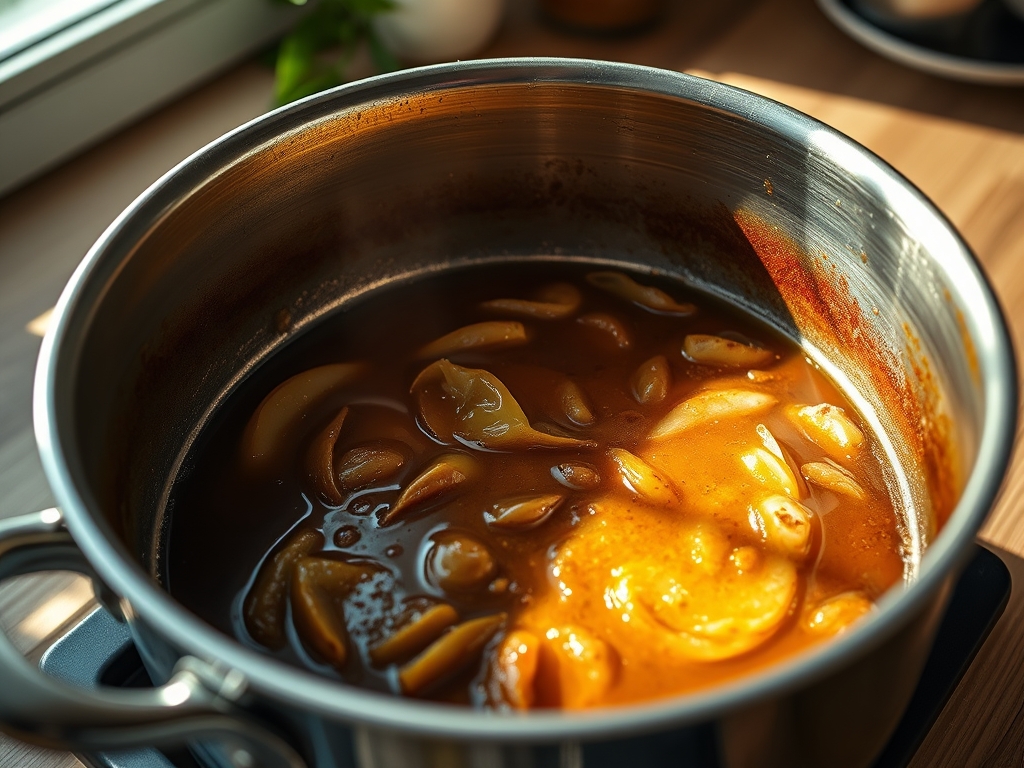
Step 1: Thermal Stabilization of the Basin
Place your stainless steel food processor bowl or marble mortar in the freezer for 15 minutes. High-speed blades generate friction heat which causes Fresh Basil Volatiles to evaporate before they hit the plate. By chilling the hardware, you create a heat sink that protects the delicate essential oils.
Pro Tip: Use a digital scale to measure your ingredients by mass rather than volume. Basil leaves vary in density; weight is the only way to ensure consistent chemical ratios in your final emulsion.
Step 2: The Aromatic Foundation
Add the garlic and toasted pine nuts to the chilled vessel. Pulse until they form a coarse, sandy paste. You are looking to render the oils from the nuts to act as a carrier for the herb volatiles.
Pro Tip: Use a bench scraper to move the paste from the sides of the bowl back toward the blades. This ensures a uniform particle size, preventing large chunks of garlic from creating "hot spots" of flavor.
Step 3: Integrating the Volatile Load
Add the basil leaves in three stages. Pulse briefly after each addition. Do not over-process. You want to shear the cell walls to release the linalool without pureeing the fibers into a swampy sludge.
Pro Tip: The mechanical energy of a food processor can reach temperatures that "cook" the basil. If you see steam or notice the color shifting to olive drab, stop immediately and add a single ice cube to infuse moisture and drop the temperature.
Step 4: Lipid Emulsification
With the motor running on the lowest setting, slowly stream in the extra virgin olive oil. This creates a stable suspension where the oil encapsulates the basil particles, protecting them from oxygen.
Pro Tip: Use a saucier or a narrow-spouted pitcher to control the flow. A slow stream allows the proteins in the cheese and the fats in the nuts to aerate and bond with the oil, resulting in a viscous, creamy texture.
Section B: Prep & Timing Fault-Lines:
The most common failure in herb infrastructure is the "Oxygen Lag." If you prep your basil and let it sit on a cutting board, the enzymes begin to break down the chlorophyll instantly. Timing is everything. Your mise en place must be ready before the first leaf is plucked. If your emulsion breaks (separates into oil and solids), it is usually a temperature failure. To recover a broken pesto, whisk in a teaspoon of warm water to re-establish the bond between the fats and the solids.
THE VISUAL SPECTRUM
Section C: Thermal & Visual Troubleshooting:
Look at the reference image above. Notice the "Electric Neon" green hue. If your result looks dark or brown, you have oxidized the leaves. This happens when the blades are dull or the processing time was too long. If the texture looks "curdled," your cheese was likely too cold or too coarsely grated; it failed to melt into the lipid phase. A perfect map of Fresh Basil Volatiles should show a glossy, vibrant sheen with visible but microscopic flecks of herb, indicating a successful mechanical shear without total cellular collapse.
THE DEEP DIVE
Macro Nutrition Profile:
Per 30ml (2 tbsp) serving: 145 Calories, 14g Fat (2g Saturated), 2g Carbohydrates, 3g Protein. This is a high-density fuel source rich in Vitamin K and manganese.
Dietary Swaps:
- Vegan: Swap the cheeses for 30g of Nutritional Yeast and an extra pinch of sea salt to maintain the piquant profile.
- Keto: This recipe is naturally keto-compliant; increase the pine nuts or swap for walnuts for higher fat content.
- GF: Naturally gluten-free, but ensure your nuts were not processed in a facility with wheat.
Meal Prep & Reheating Science:
Never microwave a basil-based emulsion. High heat destroys the linalool and turns the oil acrid. To reheat, toss the pesto with hot pasta water (the starch helps the emulsion) or bring it to room temperature naturally. To store, cover the surface with a thin layer of olive oil to create an airtight seal, preserving the molecular structure for up to five days.
THE KITCHEN TABLE
Why does my pesto taste bitter?
You likely over-processed the extra virgin olive oil. High-speed blades can break down oil molecules into bitter polyphenols. Pulse the basil first, then stir the oil in by hand for the most refined flavor profile.
Can I use dried basil?
Absolutely not. Dried basil has lost 90 percent of its Fresh Basil Volatiles through evaporation. The resulting infrastructure would be woody, dusty, and devoid of the electric aromatic signature required for this culinary audit.
How do I keep it bright green?
Blanch the basil leaves in boiling water for exactly five seconds, then immediately shock them in an ice bath. This sets the chlorophyll and deactivates the browning enzymes, ensuring a neon-green finish that lasts for days.
What is the best way to toast pine nuts?
Use a dry skillet over medium heat. Shake constantly until they are golden and fragrant. The goal is to render the internal oils to the surface without scorching the delicate exterior proteins.