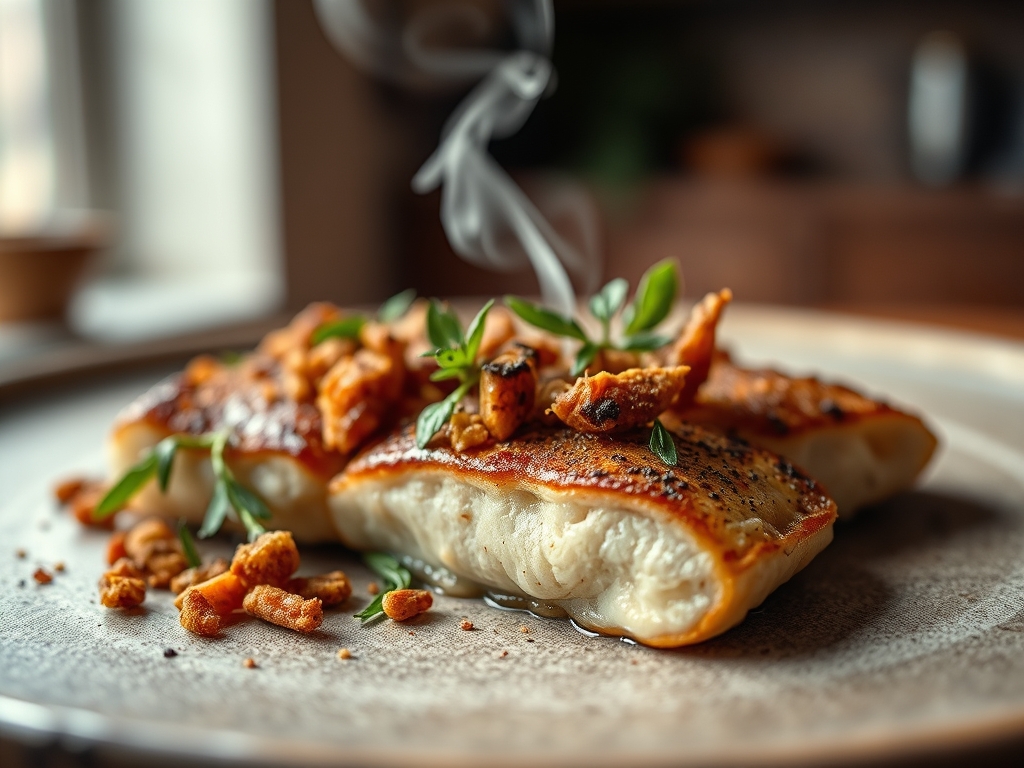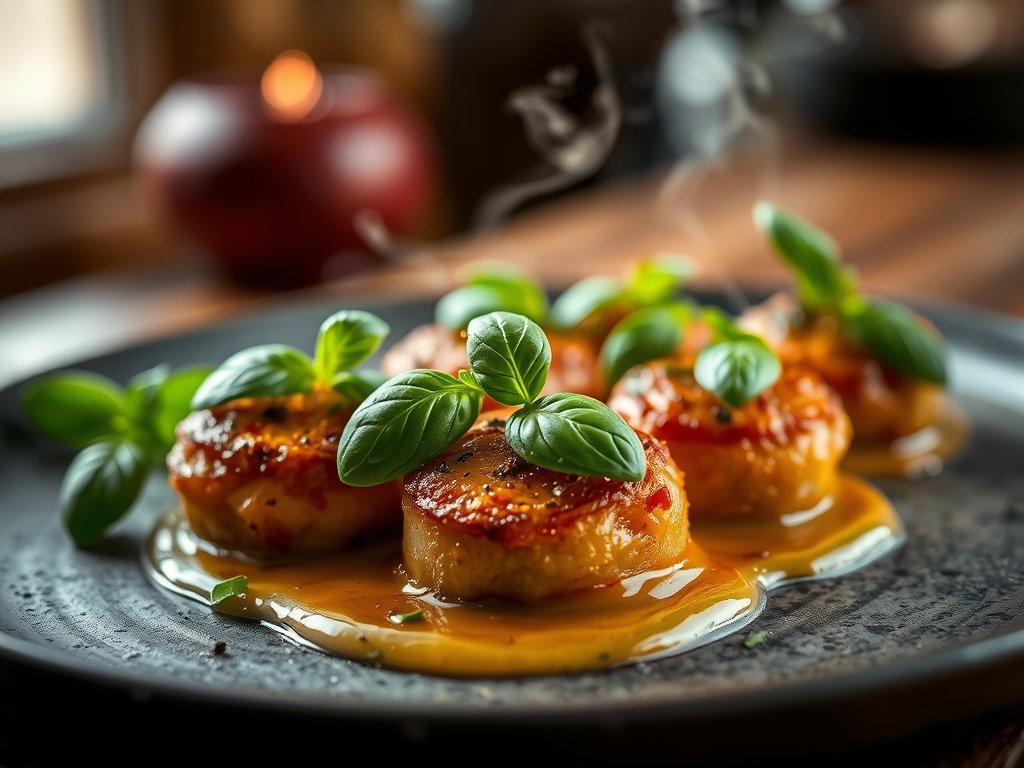
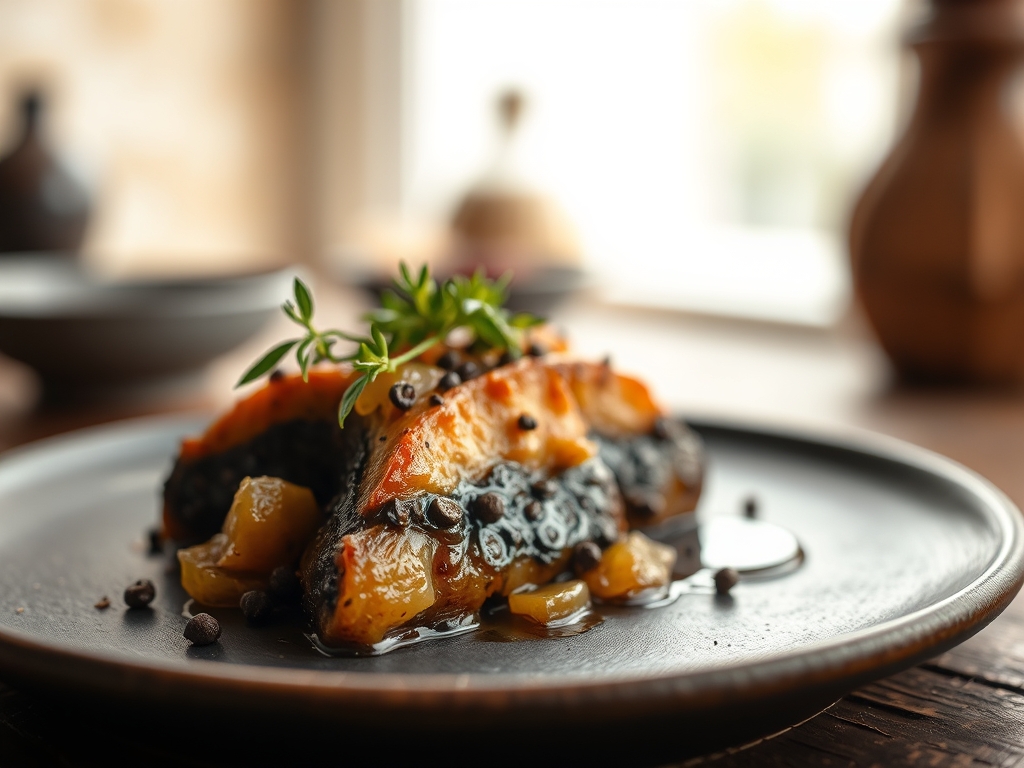
The kitchen is a laboratory of friction and volatility. When you drop a whole Tellicherry peppercorn into a heavy duty burr mill, you are not just crushing a spice; you are initiating a structural collapse that releases Black Pepper Piperine into the atmosphere. This alkaloid is the high voltage current of the culinary world. It provides that immediate, sharp heat that hits the back of the soft palate and triggers a physiological response. Pre-ground pepper is a ghost. It is a dusty, oxidized relic that has lost its volatile oils and its soul. To achieve true pungency, you must crack the hull in real time. We are looking for a textural landscape ranging from fine dust to jagged boulders. This creates a staggered release of flavor where the fine particles dissolve into the fat while the larger shards provide rhythmic bursts of heat. We are building a peppercorn cream sauce that relies on this specific infrastructure to cut through the richness of rendered beef fat and heavy cream. Prepare for impact.
THE DATA MATRIX
| Metric | Specification |
|---|---|
| Prep Time | 10 Minutes |
| Execution Time | 15 Minutes |
| Yield | 4 Servings |
| Complexity (1-10) | 4 |
| Estimated Cost per Serving | $3.50 |
THE GATHERS
Ingredient Protocol:
- 500g / 1.1 lbs Beef Tenderloin or Ribeye
- 30ml / 2 tbsp Neutral High-Smoke Point Oil (Grapeseed or Avocado)
- 45g / 3 tbsp Unsalted European Style Butter
- 15g / 1 tbsp Whole Black Peppercorns (to be cracked)
- 60ml / 0.25 cup Cognac or Brandy
- 240ml / 1 cup Heavy Cream (Minimum 36% milkfat)
- 5g / 1 tsp Fine Sea Salt
- 2 Large Shallots, finely minced
Section A: Ingredient Quality Audit:
The primary failure point in this assembly is the age of the peppercorns. If your peppercorns are grey or dusty, the Black Pepper Piperine has degraded into a flat, bitter shadow of itself. Technical Fix: Test your peppercorns by crushing one under a heavy pan. If it shatters into dry powder without releasing an oily, resinous aroma, discard the batch. Another common issue is using low-fat cream. Anything under 36% fat will likely break or curdle when it meets the acidity of the cognac and the high heat of the pan. If you only have light cream, you must emulsify it with a cold butter mount at the very end of the process to stabilize the protein structures.
THE MASTERCLASS
1. The Mechanical Fracture
Place your whole peppercorns on a clean cutting board and use the bottom of a heavy cast iron skillet or a dedicated spice press to crush them. You are looking for a coarse, uneven grind rather than a uniform powder. Pro Tip: Using a digital scale to measure your peppercorns ensures consistent heat levels across different sessions. The science here is surface area; the jagged edges of a hand-cracked peppercorn allow the fats to penetrate the spice and extract the fat-soluble piperine more efficiently than a standard tabletop shaker.
2. The Maillard Foundation
Pat your beef dry with paper towels to remove surface moisture. Season heavily with salt but hold the pepper for now. Heat your saucier or stainless steel pan until the oil is shimmering and just beginning to smoke. Sear the beef to develop a deep, mahogany crust. Pro Tip: This browning is the Maillard reaction, creating hundreds of different flavor compounds. Use a bench scraper to keep your station clean as you work, ensuring no stray moisture enters the pan to steam the meat instead of searing it.
3. The Aromatic Infusion
Remove the meat and reduce the heat to medium. Add the butter and the minced shallots. Use a wooden spoon to scrape the bottom of the pan, loosening the fond (the caramelized meat bits). Add the cracked peppercorns directly into the hot butter. Pro Tip: This step allows the heat to infuse the fat with the pepper's essential oils. Because piperine is hydrophobic, it requires a fat medium to carry its flavor across your palate.
4. The Volatile Deglaze
Pour in the cognac. If you are using a gas flame, be prepared for a brief flambe; if using induction, simply let the liquid bubble violently. Use the liquid to deglaze the pan completely. Pro Tip: The alcohol acts as a solvent, pulling out flavor compounds that are neither water-soluble nor fat-soluble. This creates a multi-dimensional flavor profile that salt alone cannot achieve.
5. The Viscous Reduction
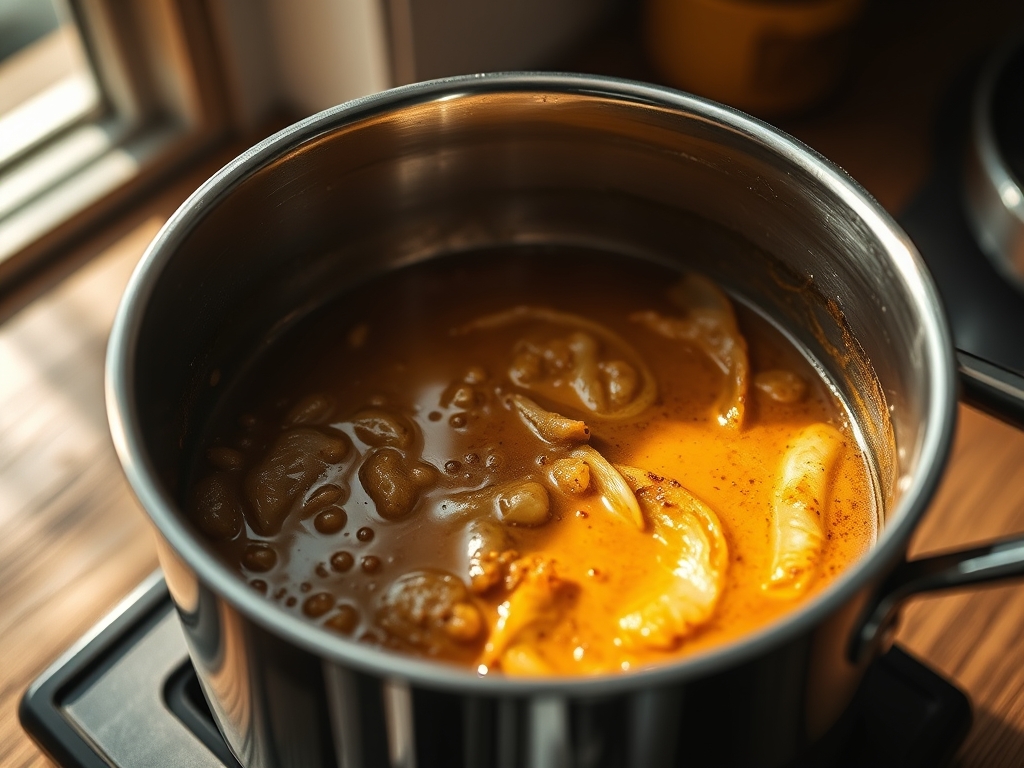
Add the heavy cream and turn the heat to medium-high. Whisk constantly as the liquid begins to aerate and reduce. You are looking for a viscous consistency that coats the back of a spoon. Pro Tip: Use a high-quality whisk to keep the milk solids in motion. This prevents the proteins from scorching on the bottom of the pan, which would introduce an acrid, burnt note to your delicate sauce.
Section B: Prep & Timing Fault-Lines:
The most common human error is the "Cold Meat Syndrome." If you pull your beef directly from the refrigerator and drop it into the pan, the surface temperature of the metal drops instantly. This prevents a proper sear and results in a grey, boiled texture. Always temper your meat at room temperature for at least 30 minutes. Another timing error occurs during the reduction of the cream. If you reduce it too far, the fat will separate from the solids, leaving you with an oily mess. If this happens, whisk in a tablespoon of hot water immediately to re-emulsify the sauce.
THE VISUAL SPECTRUM
Section C: Thermal & Visual Troubleshooting:
Look at the Masterclass photo above. Notice the deep, glossy sheen of the sauce and the visible, dark specks of the cracked pepper. If your sauce looks dull or matte, you likely lacked enough fat or over-reduced the liquid. If the sauce is too pale, you did not allow the shallots and peppercorns to toast sufficiently in the butter before adding the cream. Uneven browning on the meat usually indicates that the pan was crowded; ensure at least an inch of space between cuts of meat to allow steam to escape. The final texture should be silky, not grainy. If you see large chunks of shallot, your knife work was too coarse. Aim for a fine mince to ensure they melt into the infrastructure of the sauce.
THE DEEP DIVE
Macro Nutrition Profile:
A single serving of this preparation (including a 4oz portion of beef) contains approximately 450 calories, 32g of protein, 35g of fat, and 4g of carbohydrates. The high fat content is essential for the delivery of the Black Pepper Piperine, as the alkaloid requires lipids for optimal absorption and flavor perception.
Dietary Swaps:
- Vegan: Replace the beef with thick-cut roasted cauliflower steaks. Use a high-quality cashew cream and vegan butter substitute. The piperine will still provide the necessary bite.
- Keto: This recipe is naturally keto-compliant. Ensure the cognac is fully reduced to cook off the sugars.
- GF: This sauce is naturally gluten-free as it relies on reduction rather than a flour-based roux for thickness.
Meal Prep & Reheating Science:
To maintain the molecular structure of a cream-based sauce, avoid the microwave. The uneven heating will cause the emulsion to break. Instead, reheat gently in a small saucepan over low heat. Add a splash of cream or water and whisk constantly to bring the fats and proteins back into a cohesive, silky state.
THE KITCHEN TABLE
Why does my pepper taste dusty instead of hot?
Your pepper has likely oxidized. Whole peppercorns protect the Black Pepper Piperine inside a hard shell. Once cracked, the clock starts. Use fresh peppercorns and grind them seconds before they hit the heat to ensure maximum potency.
Can I use a standard pepper mill?
Yes, but most consumer mills cannot achieve the "cracked" texture required for this specific infrastructure. A mortar and pestle or the bottom of a heavy pan provides the irregular geometry needed for the best sensory experience.
What if my sauce is too thin?
Continue to simmer the sauce. You are waiting for water to evaporate, which increases the concentration of fats and proteins. This creates a natural thickening effect without the need for starch or flour.
Is the cognac strictly necessary?
The cognac provides acidity and acts as a solvent for specific flavor compounds. If you must avoid alcohol, use a splash of beef stock mixed with a teaspoon of Dijon mustard to provide a similar depth and tang.