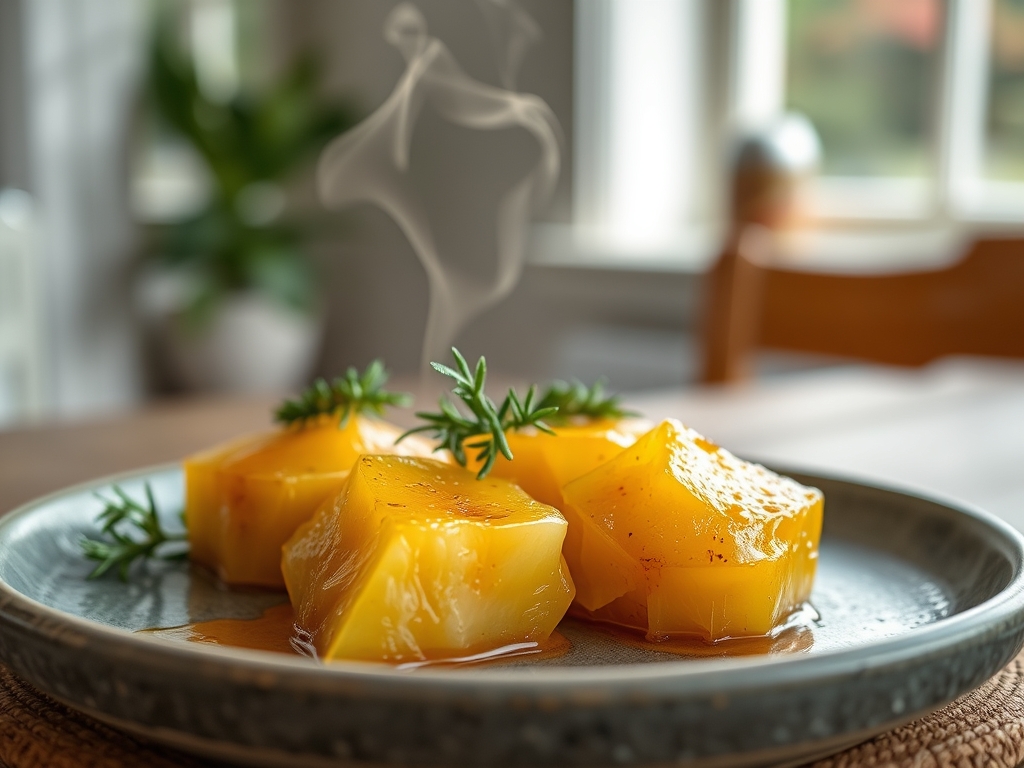
The scent of a high-performance kitchen during a tropical reduction is not merely an aroma; it is a chemical broadcast of volatile organic compounds demanding your absolute attention. When you slice into a sun-ripened fruit, you are releasing a pressurized payload of Pineapple Esters, specifically ethyl butyrate and methyl hexanoate. These molecules are the high-frequency notes of the culinary world. They are loud, piquant, and notoriously unstable under thermal stress. To capture them, you cannot simply cook; you must conduct a tactical extraction. We are looking for that precise moment where the sugars begin to undergo pyrolysis without sacrificing the delicate, floral top notes that define the fruit's identity. This audit focuses on the Pineapple Ester Gastrique, a sauce that balances aggressive acidity against deep, caramelized sweetness. If you fail to respect the volatility of these esters, your final product will taste like canned syrup rather than the vibrant, electric essence of the tropics. Strap in; we are about to optimize your flavor matrix through rigorous thermal application and molecular precision.
THE DATA MATRIX
| Metric | Specification |
|---|---|
| Prep Time | 20 Minutes |
| Execution Time | 35 Minutes |
| Yield | 500ml / 2 Cups |
| Complexity (1-10) | 7 |
| Estimated Cost per Serving | $1.45 |
THE GATHERS
Ingredient Protocol:
- 500g / 3 cups Fresh Gold Pineapple (Diced 1cm)
- 200g / 1 cup Granulated White Sugar
- 120ml / 0.5 cup Champagne Vinegar
- 60ml / 4 tbsp Fresh Lime Juice
- 5g / 1 tsp Sea Salt
- 2g / 0.5 tsp Red Chili Flakes
- 15g / 1 tbsp Cold Unsalted Butter (Cubed)
- 2 sprigs Fresh Mint (For infusion)
Section A: Ingredient Quality Audit:
The primary failure point in this protocol is the use of under-ripe fruit. If your pineapple lacks the necessary Brix content, the Pineapple Esters will be masked by a sharp, metallic acidity. To fix this, roast under-ripe chunks at 200C for ten minutes before starting the gastrique; this triggers enzymatic browning and concentrates the available sugars. If your vinegar is too aggressive, such as a low-grade white distilled variety, it will obliterate the delicate aromatics. Always opt for a fermented vinegar with a complex profile to provide a sophisticated structural backbone. If the fruit is excessively fibrous, use a high-speed blender to aerate and pulverize the solids before the final reduction phase.
THE MASTERCLASS
Step 1: The Dry Caramel Foundation
Place your sugar in a heavy-bottomed saucier over medium heat. Do not stir; allow the crystals to liquefy and move toward a pale amber hue. This is the stage where you create the bitter-sweet contrast necessary to balance the fruit.
Pro Tip: Use a digital scale for your sugar to ensure the ratio of solute to solvent is exact. A saucier is preferred over a traditional saucepan because its sloped sides prevent sugar crystals from catching and burning in the corners.
Step 2: Deglazing the Matrix
Once the caramel reaches a deep gold, carefully deglaze the pan with the champagne vinegar. The mixture will seize initially as the temperature drops. Maintain steady heat and whisk until the caramel dissolves back into the liquid.
Pro Tip: This is a high-energy exothermic reaction. Stand back to avoid the acidic steam, which can be quite piquant and irritating to the respiratory system.
Step 3: Fruit Integration and Reduction
Add the diced pineapple and lime juice to the gastrique base. Lower the heat to a simmer. You are looking to render the moisture out of the fruit cells while allowing the sugar-vinegar solution to infuse the fruit fibers.
Pro Tip: Use a bench scraper to efficiently transfer your precision-cut fruit from the cutting board to the pot, ensuring no loss of juice or structural integrity.
Step 4: Emulsification and Finishing
Remove the pan from the heat. Whisk in the cold butter cubes one at a time to create a viscous, glossy finish. Add the mint sprigs and allow them to steep for exactly three minutes before straining the entire mixture through a fine-mesh sieve.
Pro Tip: This technique, known as monter au beurre, uses the fats in the butter to trap the remaining Pineapple Esters, preventing them from evaporating and ensuring a velvety mouthfeel.
Section B: Prep & Timing Fault-Lines:
Timing is the silent killer of the gastrique. If you add the fruit too early to the caramel, the water content will prevent the sugar from reaching the necessary temperature for complex flavor development. Conversely, if you cook the fruit for too long, the Pineapple Esters will break down into generic "cooked fruit" notes, losing their tropical vibrance. Always use a digital thermometer; your target temperature for the caramel before deglazing is 170C. If the sauce breaks or becomes oily, your butter was added while the base was too hot. Fix this by whisking in a teaspoon of room-temperature water to re-establish the emulsion.
THE VISUAL SPECTRUM
Section C: Thermal & Visual Troubleshooting:
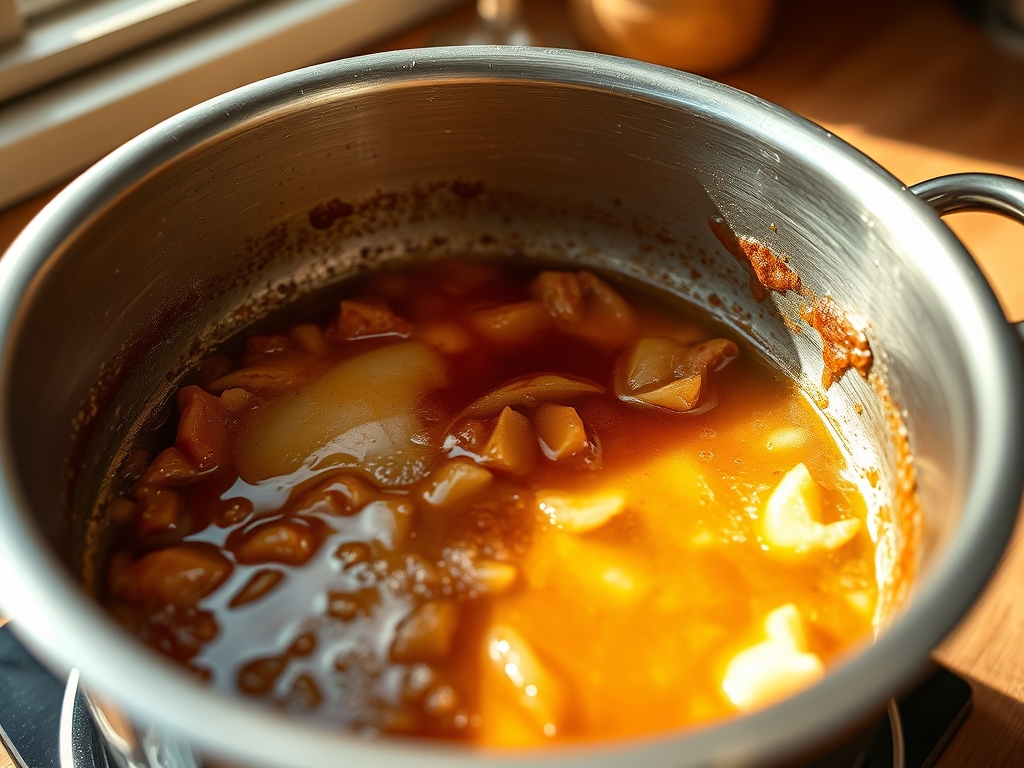
Referencing the Masterclass photo, the gastrique should exhibit a translucent, glowing amber clarity with visible suspension of the fruit's natural pectins. If your sauce appears dull or muddy, you likely over-stirred the fruit, causing the cellular walls to collapse and release too much pulp into the liquid. If the color is too light, the caramelization process was interrupted prematurely. To rectify a pale sauce, you can add a drop of dark agave nectar, though this is a "cheat" and lacks the depth of a proper dry caramel. The texture should be thick enough to coat the back of a spoon without being tacky; if it is too thin, continue the reduction over low heat until the bubbles become large and slow-popping.
THE DEEP DIVE
Macro Nutrition Profile:
Per 30ml serving, this gastrique contains approximately 60 calories, 14g of carbohydrates (primarily simple sugars), and 1g of fat. It is a high-impact flavor additive meant for moderation.
Dietary Swaps:
- Vegan: Replace the finishing butter with a high-quality refined coconut oil to maintain the tropical profile while achieving a similar viscous texture.
- Keto: This is difficult due to the sugar requirements for caramelization; however, Allulose can be substituted as it undergoes browning, though the flavor profile will be less intense.
- GF: Naturally gluten-free. Ensure your vinegar is certified.
Meal Prep & Reheating Science:
To maintain the molecular structure, store the gastrique in a glass airtight container for up to two weeks. When reheating, do not use a microwave; the uneven radiation will break the emulsion. Instead, use a small saucepan over low heat, whisking constantly to reintegrate the fats and sugars.
THE KITCHEN TABLE
Why does my gastrique taste like vinegar?
The acidity hasn't been properly balanced by the reduction of the fruit sugars. Continue simmering the sauce to allow the acetic acid to mellow and the Pineapple Esters to become the dominant sensory note.
Can I use canned pineapple?
Negative. Canned fruit has been heat-treated, which destroys the volatile esters we are trying to highlight. The resulting sauce will be one-dimensional and lack the piquant punch of fresh fruit.
How do I get a clearer sauce?
Do not press the solids when straining through the sieve. Allow gravity to do the work. Pressing the fruit forces pectins and fibers through the mesh, resulting in a cloudy, opaque final product.
What is the best pairing for this?
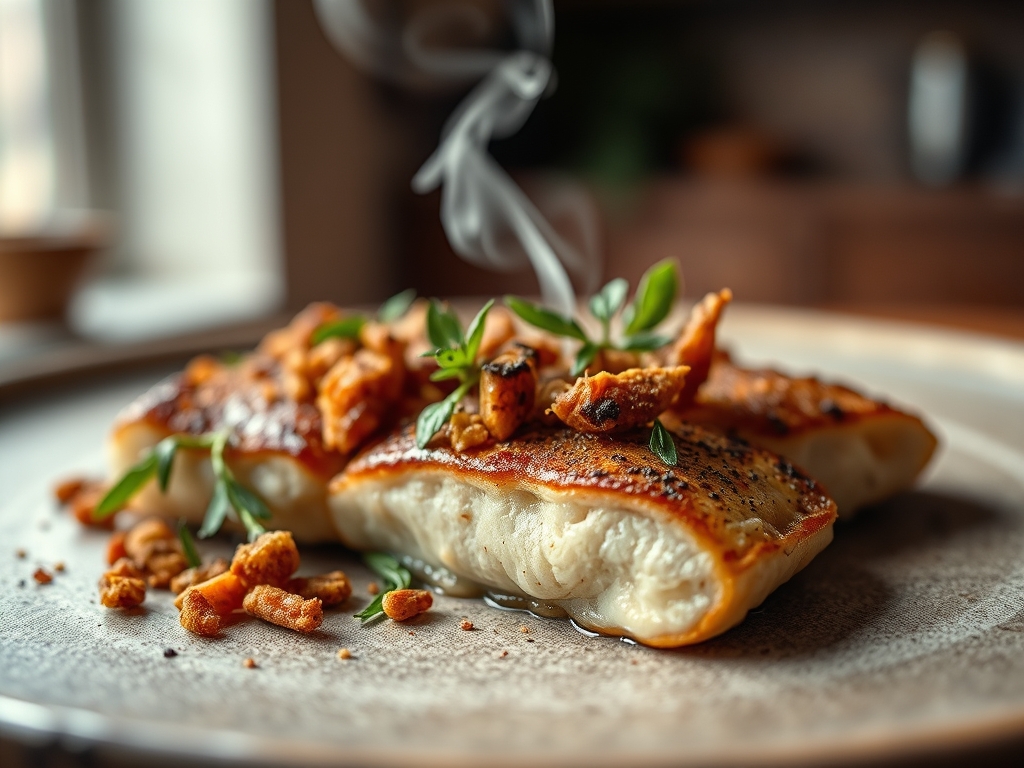
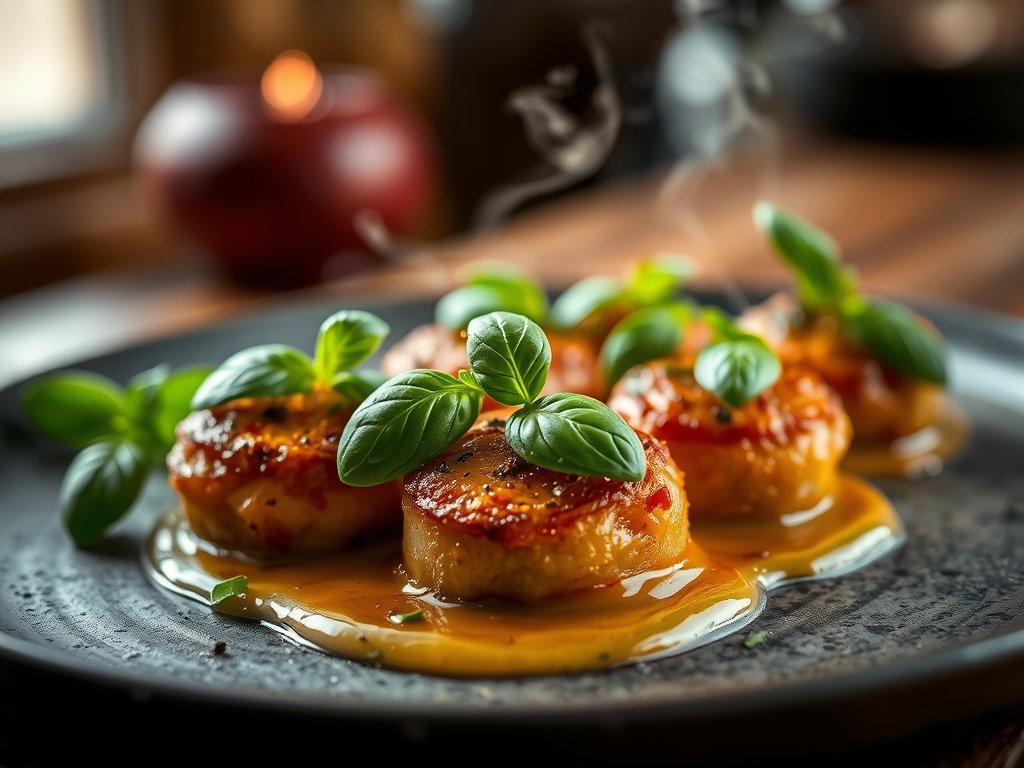
The high acidity and tropical sweetness make this an ideal match for fatty proteins. Try it over seared pork belly or grilled scallops to cut through the richness with a bright, citrusy finish.