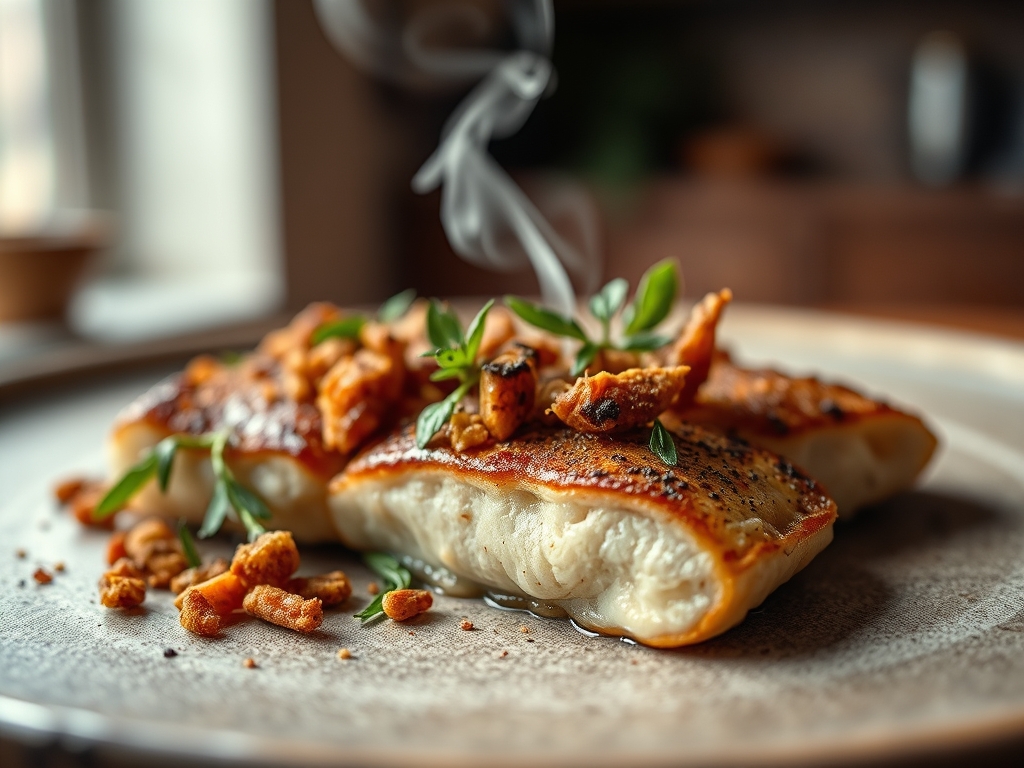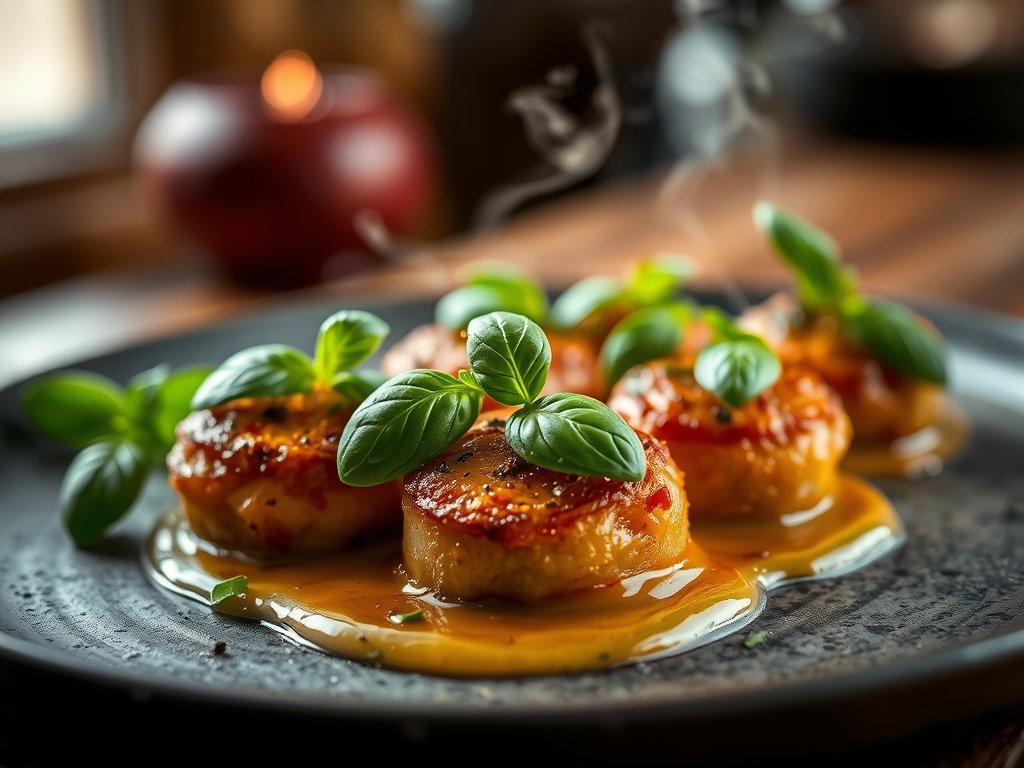
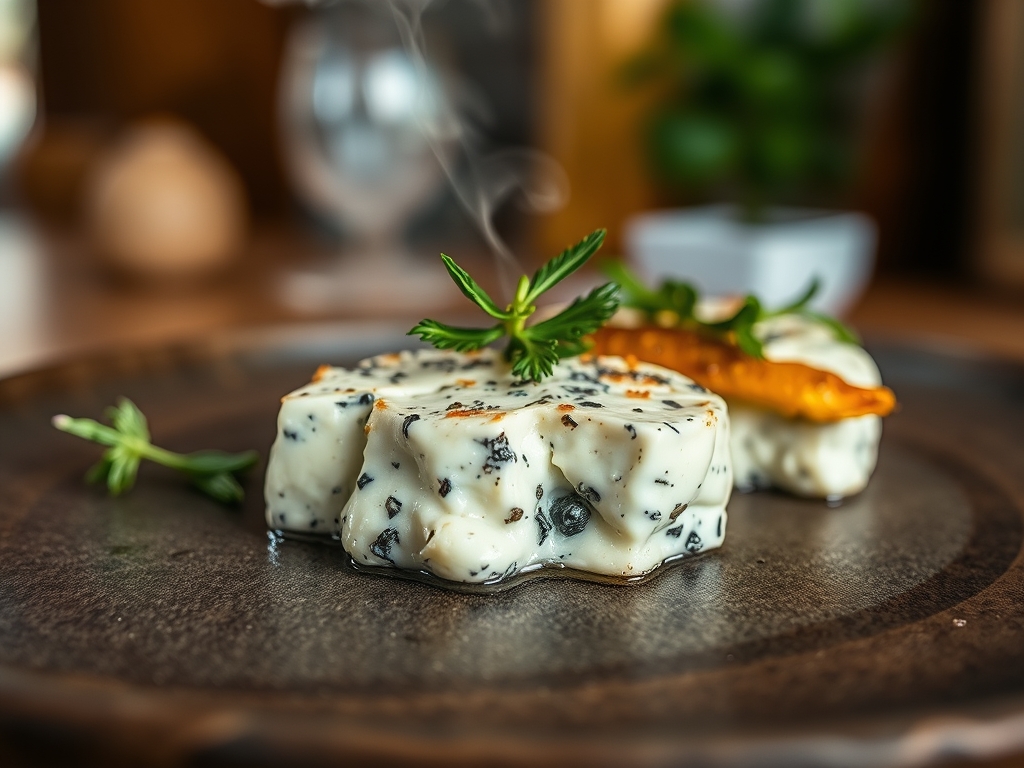
Welcome to the olfactory war zone where the line between rot and refinement is drawn in veins of mold. If you are here, you are not looking for a mild experience; you are hunting the visceral, sharp, and unapologetic power of Blue Cheese Pungency. This is the heavy metal of the dairy world. We are dealing with Penicillium roqueforti, a fungus that breathes oxygen and exhales a complex bouquet of methyl ketones and fatty acids. When these microbes tear through milk fats, they create a chemical landscape that is both terrifying and addictive. The aroma is more than a scent; it is a structural force that hits the back of the throat with a metallic, salty, and earthy punch. To master this ingredient is to understand the volatile organic compounds that define high-end gastronomy. We are going to harness this funk to create a velvet-textured sauce that defies the laws of emulsion. Brace yourself. We are about to turn a kitchen into a high-performance laboratory of flavor.
THE DATA MATRIX
| Metric | Specification |
|---|---|
| Prep Time | 15 Minutes |
| Execution Time | 25 Minutes |
| Yield | 500ml (approx. 2 cups) |
| Complexity (1-10) | 7 |
| Estimated Cost per Serving | $3.50 USD |
THE GATHERS
Ingredient Protocol:
- 250g / 8.8 oz High-Quality Blue Cheese (Roquefort or Stilton preferred)
- 300ml / 1.25 cups Heavy Cream (minimum 36% milk fat)
- 60ml / 0.25 cups Dry White Wine (Sauvignon Blanc or Pinot Grigio)
- 30g / 2 tbsp Unsalted European-Style Butter (82% butterfat)
- 2 Large Shallots (approx. 50g / 1.7 oz), finely minced
- 5ml / 1 tsp Fresh Lemon Juice
- 2g / 0.5 tsp Xanthan Gum (optional stabilizer)
- 1g / 0.25 tsp Cracked Black Peppercorns
Section A: Ingredient Quality Audit:
If your cheese lacks that signature Blue Cheese Pungency and feels rubbery, it has likely been "cold-shocked" or over-processed. Technical fix: Allow the cheese to temper at room temperature for 45 minutes before use to aerate the lipid structures. If your cream is ultra-pasteurized, it may resist thickening. You must infuse the cream with a small amount of additional fat, such as a high-quality butter, to restore the necessary viscosity. Avoid "pre-crumbled" blue cheese at all costs. These products are often coated in cellulose to prevent clumping, which will destroy the silky mouthfeel of your final emulsion.
THE MASTERCLASS
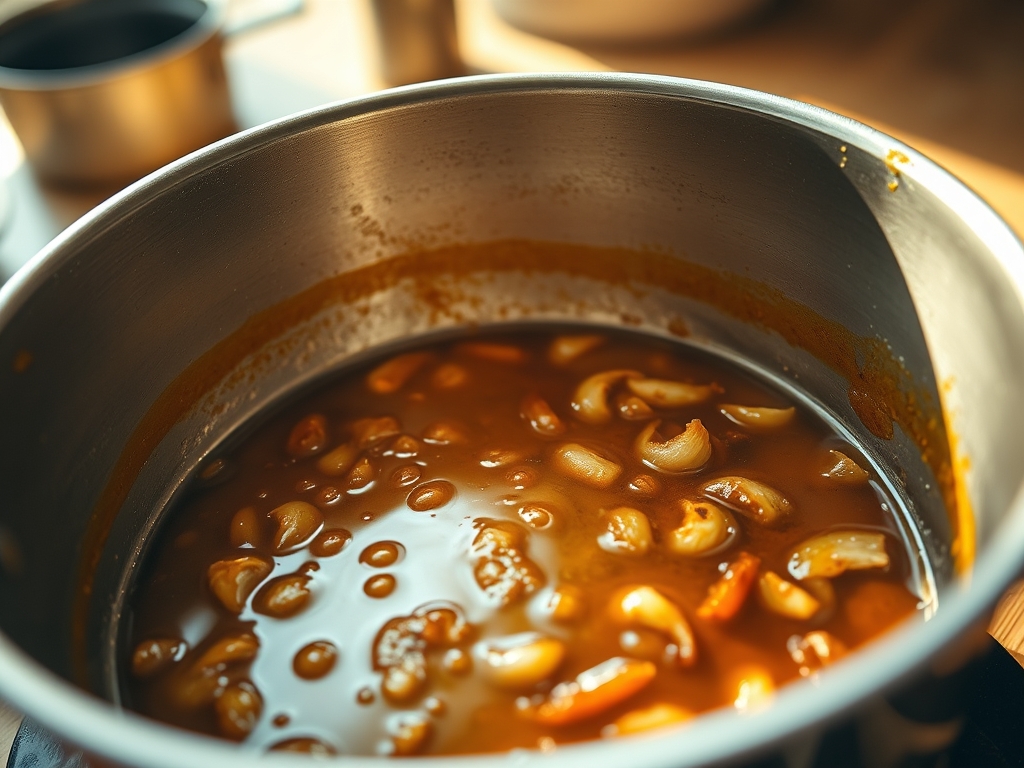
1. The Aromatic Foundation
Place your stainless steel saucier over medium-low heat. Add the butter and wait for the milk solids to begin a light foam. Add the minced shallots. You are not looking for a hard sear; you want to render the moisture out of the shallots until they are translucent and sweet.
Pro Tip: Use a high-quality bench scraper to move your minced shallots from the cutting board to the pan to ensure you capture all the essential oils and juices that contain the flavor precursors.
2. Deglazing the Infrastructure
Pour in the dry white wine to deglaze the pan. Use a silicone whisk to scrape any browned bits from the bottom. Increase the heat slightly to reduce the liquid by half. This step is critical because the acidity in the wine will act as a molecular counterpoint to the heavy fats of the cheese.
Pro Tip: Precision is key. Use a digital scale to measure your wine reduction if you are unsure; the goal is a concentrated essence that provides a bright top note to the deep funk of the cheese.
3. The Lipid Integration
Lower the heat to the minimum setting and pour in the heavy cream. Whisk slowly to aerate the mixture as it warms. Do not allow the cream to reach a rolling boil, as this can cause the proteins to denature and clump. Once the cream is steaming, begin adding the blue cheese in small, 20g increments.
Pro Tip: Constant motion with a whisk prevents the cheese solids from scorching on the bottom of the saucier, ensuring a perfectly homogenous viscous texture.
4. Emulsification and Stabilization
Once all the cheese has melted, evaluate the thickness. If the sauce feels thin, sift in the xanthan gum while whisking vigorously. This creates a hydrocolloid network that holds the fat and water in a permanent embrace. Finish with the lemon juice to "wake up" the Blue Cheese Pungency.
Pro Tip: The lemon juice provides a late-stage pH adjustment that prevents the sauce from feeling heavy on the palate; it cuts through the fat like a scalpel.
Section B: Prep & Timing Fault-Lines:
The most common failure is the "break," where the oil separates from the solids. This usually happens if the heat is too high. If you see oil droplets forming on the surface, immediately remove the pan from the heat and whisk in a tablespoon of cold heavy cream. This lowers the temperature and provides fresh emulsifiers to pull the sauce back together. Timing is everything; if you add the cheese too early to a boiling liquid, the Blue Cheese Pungency will turn bitter and soapy.
THE VISUAL SPECTRUM
Section C: Thermal & Visual Troubleshooting:
In the reference photo, notice the ivory hue with distinct, microscopic flecks of blue-gray. This indicates a successful partial breakdown of the mold colonies. If your sauce is a uniform grey, you have over-mixed it or the heat was too high for too long. If the sauce appears dull or matte, it lacks sufficient fat or acidity. A perfect sauce should have a glossy, reflective sheen that coats the back of a spoon. If the texture is grainy, your cheese was likely too cold when added, causing the proteins to seize rather than melt.
THE DEEP DIVE
Macro Nutrition Profile:
This sauce is a caloric powerhouse. Per 60ml serving: 240 Calories, 22g Fat, 4g Protein, 3g Carbohydrates. It is high in sodium and saturated fats, making it a "flavor-first" addition rather than a dietary staple.
Dietary Swaps:
- Vegan: Replace heavy cream with full-fat coconut milk and use a fermented cashew-based blue cheese alternative. Add a drop of liquid smoke to mimic the aged depth.
- Keto: This recipe is naturally Keto-friendly. Ensure the wine is bone-dry to minimize residual sugars.
- GF: Naturally gluten-free, provided your blue cheese brand does not use bread-based cultures (rare, but check labels).
Meal Prep & Reheating Science:
To maintain the molecular structure, do not microwave this sauce. Reheat it in a small pot over the lowest possible flame. Add a splash of water or milk to loosen the proteins. The goal is to gently vibrate the molecules back into a liquid state without breaking the delicate emulsion bonds.
THE KITCHEN TABLE
Why does my sauce smell like ammonia?
This happens when blue cheese is over-ripened or stored in airtight plastic. The microbes produce ammonia as a byproduct. To fix this, let the cheese breathe at room temperature for 30 minutes before cooking to dissipate the gas.
Can I use Gorgonzola instead of Roquefort?
Yes. Gorgonzola Dolce will produce a creamier, milder sauce, while Gorgonzola Piccante will provide a sharper Blue Cheese Pungency. Roquefort is sheep's milk-based, offering a saltier, more metallic tang that is unmatched for intensity.
How do I get a smoother texture?
For a professional "mirror" finish, pass the finished sauce through a fine-mesh chinois. This removes any unmelted mold structures or shallot fragments, leaving you with a liquid that is purely viscous and silk-like.
My sauce turned out too salty. Help!
Blue cheese is inherently high in sodium. Do not add salt until the very end of the process. If it is already too salty, double the amount of cream or add a teaspoon of honey to balance the salinity.