Imagine a sensory assault that begins with a sharp, funky punch to the olfactory system and ends with a deep, symphonic resonance on the back of the tongue. This is the realm of Fermented Fish Sauce; the liquid gold of the culinary underworld. We are not merely talking about a condiment. We are discussing a high-velocity delivery system for glutamates and inosinates that transforms flat, one-dimensional liquids into multidimensional flavor architectures. When anchovies undergo long-term proteolysis in a high-saline environment, they don't just rot; they transcend. The resulting amber fluid is a volatile cocktail of nitrogenous compounds that, when introduced to heat, undergoes a spectacular aromatic conversion. In its raw state, it is aggressive and unapologetic. However, once it hits a hot pan to deglaze or is whisked into a fatty emulsion, the acrid notes evaporate, leaving behind a savory, caramelized backbone that mimics the complexity of aged parmesan or slow-roasted beef. This is the technical audit of umami in its most concentrated, liquid form.
THE DATA MATRIX
| Metric | Specification |
|---|---|
| Prep Time | 10 Minutes |
| Execution Time | 25 Minutes |
| Yield | 500ml / 2 Cups |
| Complexity (1-10) | 4 |
| Estimated Cost per Serving | $0.45 |
THE GATHERS
Ingredient Protocol:
- 500ml / 2 cups High-Quality Fermented Fish Sauce (First press preferred)
- 120g / 0.5 cup Palm Sugar (Finely shaved)
- 60ml / 0.25 cup Fresh Lime Juice (Filtered for pulp)
- 15g / 3 cloves Garlic (Microplaned into a paste)
- 10g / 2-4 Bird's Eye Chilies (Bruised to release capsaicin)
- 30ml / 2 tbsp Water (Deionized or filtered)
- 5g / 1 tsp Cilantro Stems (Finely minced for aromatic infusion)
Section A: Ingredient Quality Audit:
The primary failure point in this protocol is the use of "industrial grade" sauce. If your Fermented Fish Sauce looks muddy or opaque, it likely contains fillers like caramel color or MSG to mask a rushed fermentation process. High-quality sauce should be translucent amber, resembling a dark sherry. If your sugar is overly processed white beet sugar, the flavor profile will lack the smoky, earthy depth required to balance the salt. Technical Fix: If you are stuck with sub-par sauce, gently simmer it with a piece of dried kombu for ten minutes to artificially boost the glutamic acid content before proceeding with the recipe.
THE MASTERCLASS
Step-by-Step Execution:
1. Thermal Activation of Aromatics
Place your heavy-bottomed saucier over medium-low heat. Add the water and shaved palm sugar. Use a whisk to agitate the mixture until the sugar reaches a state of complete dissolution. Do not allow it to reach a hard-crack stage; we are looking for a gentle syrup.
Pro Tip: Using a digital scale to measure sugar by weight rather than volume ensures consistent osmotic pressure, which prevents the sauce from becoming syrupy or cloying.
2. The Umami Integration
Slowly pour the Fermented Fish Sauce into the sugar syrup. Increase the heat slightly to induce a light simmer. You will notice a sharp, pungent aroma. This is the volatile amines escaping. Continue to stir for three minutes to allow the flavors to marry.
Pro Tip: The Maillard reaction is limited here due to the high water content, but the gentle heat helps to infuse the sugar's caramel notes into the fish proteins, creating a more cohesive molecular structure.
3. Capsaicin and Allium Infusion
Introduce the microplaned garlic and bruised chilies into the liquid. Reduce the heat to the lowest setting. The goal is to render the aromatic oils from the chilies without burning the garlic solids, which would introduce unwanted bitterness.
Pro Tip: Use a bench scraper to cleanly transfer your minced aromatics from the cutting board to the pot, ensuring no loss of essential oils or juices during the transition.
4. Acid Stabilization and Aeration
Remove the saucier from the heat source before adding the lime juice. Whisk vigorously to aerate the mixture. Adding acid while the sauce is boiling can cause the bright, citric notes to degrade into a dull, metallic flavor.
Pro Tip: A saucier with rounded bottom edges is superior to a standard saucepan here, as it prevents sugar and garlic solids from getting trapped in the corners and scorching.
Section B: Prep & Timing Fault-Lines:
Temperature control is the difference between a piquant masterpiece and a salty disaster. If you boil the fish sauce for too long, the water evaporates, concentrating the salt to an inedible level. If you add the garlic too early to a high-heat pan, the sulfur compounds turn acrid. Always use a digital thermometer if you are unsure; the mixture should never exceed 95 degrees Celsius (203 degrees Fahrenheit) during the infusion stage.
THE VISUAL SPECTRUM
Section C: Thermal & Visual Troubleshooting:
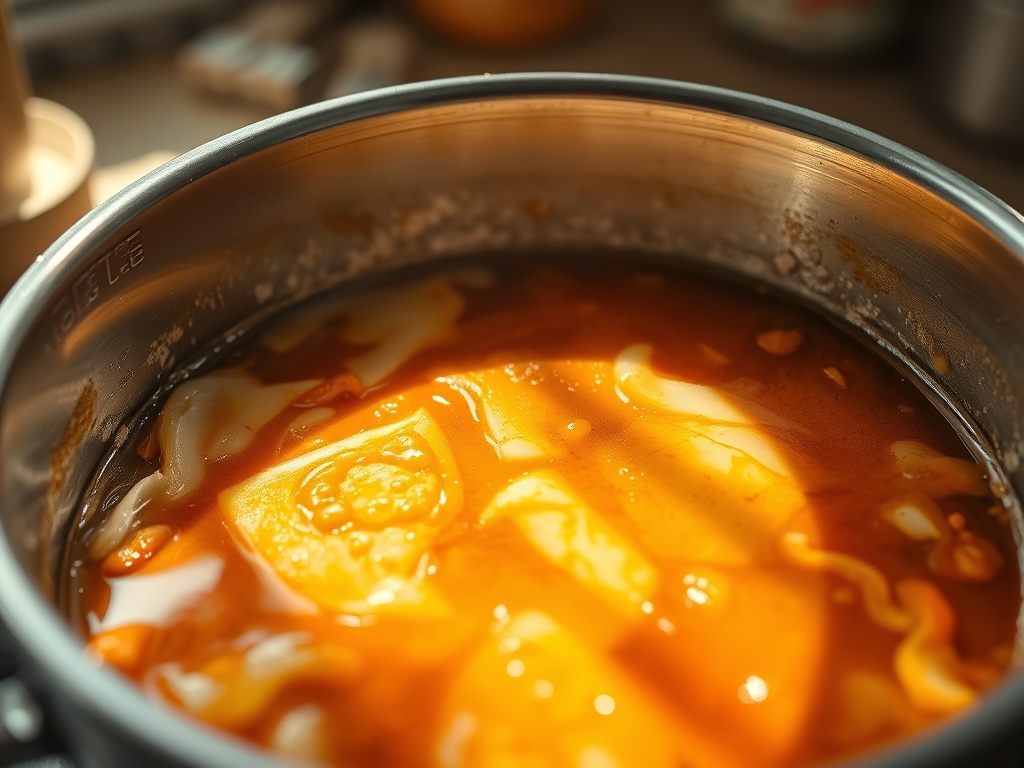
Referencing the Masterclass photo, your final product should exhibit a vibrant, glossy sheen. If the sauce appears dull or "flat," it likely lacks sufficient sugar or has been over-boiled, causing the solids to precipitate. If you see dark flecks that aren't chili seeds, your garlic has scorched. To fix a "broken" look where the oil from the chilies separates, use a high-speed immersion blender to briefly emulsify the mixture, though this will change the clarity of the sauce. The visual cue for success is a viscous liquid that coats the back of a spoon without being sticky.
THE DEEP DIVE
Macro Nutrition Profile:
Per 30ml serving: 45 Calories, 0g Fat, 8g Carbohydrates, 2g Protein, 1150mg Sodium. This is a high-sodium extract; use it as a functional tool, not a beverage.
Dietary Swaps:
- Vegan: Substitute the fish sauce with a 1:1 ratio of "No-Fish" sauce made from fermented pineapple and seaweed extract to maintain the oceanic profile.
- Keto: Replace palm sugar with a monk fruit erythritol blend, though you will lose the caramel viscosity.
- GF: Most high-quality fish sauces are naturally gluten-free, but always verify the label for hidden wheat thickeners.
Meal Prep & Reheating Science:
This sauce is shelf-stable for up to two weeks in the refrigerator. To maintain the molecular structure, do not microwave. Reheat gently in a small pan to avoid "breaking" the sugar-acid balance. If the sauce crystallizes, add 5ml of warm water and whisk vigorously to re-integrate the solutes.
THE KITCHEN TABLE
Why does my sauce smell like "old socks" initially?
That is the result of trimethylamine and other volatile compounds. Once the sauce is diluted or heated in a dish, these aromatics dissipate, leaving behind only the deep, savory "bass notes" of the fermented proteins.
Can I use bottled lime juice instead of fresh?
Negative. Bottled juice contains preservatives and has undergone heat pasteurization, which destroys the bright top notes required to cut through the heavy salinity of the fish sauce. Stick to the fresh citrus protocol.
My sauce is too salty. How do I rescue it?
Do not add more water, as this dilutes the viscosity. Instead, increase the concentration of palm sugar and lime juice in equal parts. This creates a "flavor tripod" that balances the salt through competition.
How do I store the leftovers for maximum potency?
Store in a glass airtight container. Plastic vessels will absorb the fish aromatics and likely never recover. The glass maintains a neutral environment, preventing the delicate esters from reacting with the container walls.