Forget the limp, waterlogged starch often masquerading as dinner. We are here to talk about structural integrity. When we discuss the Al Dente Pasta Bite, we are not just talking about a preference; we are discussing the precise moment when the protein matrix of durum wheat holds its ground against the hydration of boiling water. It is a tactile snap that resonates through the jaw. It is the culinary equivalent of a perfectly tuned suspension system. This is the intersection of high-pressure extrusion and thermal timing. If your pasta collapses under the slightest pressure from a fork, you have failed the audit. True semolina excellence requires a defiant resistance at the core of the noodle. We are seeking that translucent ring of uncooked starch at the center, a fleeting architectural marvel that exists for only sixty seconds before over-hydration ruins the structural tension. Prepare your sensors. We are moving beyond boiling and into the realm of kinetic gastronomy where every second dictates the difference between a masterpiece and a mushy disaster.
THE DATA MATRIX
| Metric | Specification |
|---|---|
| Prep Time | 10 Minutes |
| Execution Time | 12 Minutes |
| Yield | 4 Servings |
| Complexity (1-10) | 4 |
| Estimated Cost per Serving | $1.85 |
THE GATHERS
Ingredient Protocol:
- 454g / 1 lb High-Protein Bronze-Cut Semolina Pasta
- 5 Liters / 5.3 Quarts Filtered Water
- 50g / 3.5 tbsp Fine Sea Salt
- 60ml / 4 tbsp Extra Virgin Olive Oil (High Phenolic)
- 4 Large Cloves Garlic (Smashed)
- 5g / 1 tsp Red Chili Flakes
- 100g / 1 cup Freshly Grated Pecorino Romano
Section A: Ingredient Quality Audit:
The primary failure point in most pasta infrastructures is the choice of dried material. If your pasta has a smooth, shiny surface, it was likely extruded through Teflon. This creates a slick exterior that refuses to bond with lipids. You must source bronze-die extruded pasta. The rough, porous surface area is essential to infuse the sauce into the noodle. If your water lacks mineral content, the starch will leach out too quickly, leading to a gummy surface. Fix this by ensuring your water is salted to the salinity of the Mediterranean. If your olive oil lacks a piquant kick, it is likely oxidized. Use a harvest-dated oil to ensure the polyphenols provide the necessary chemical bite to balance the starch.
THE MASTERCLASS
1. Thermal Priming and Salinity Calibration
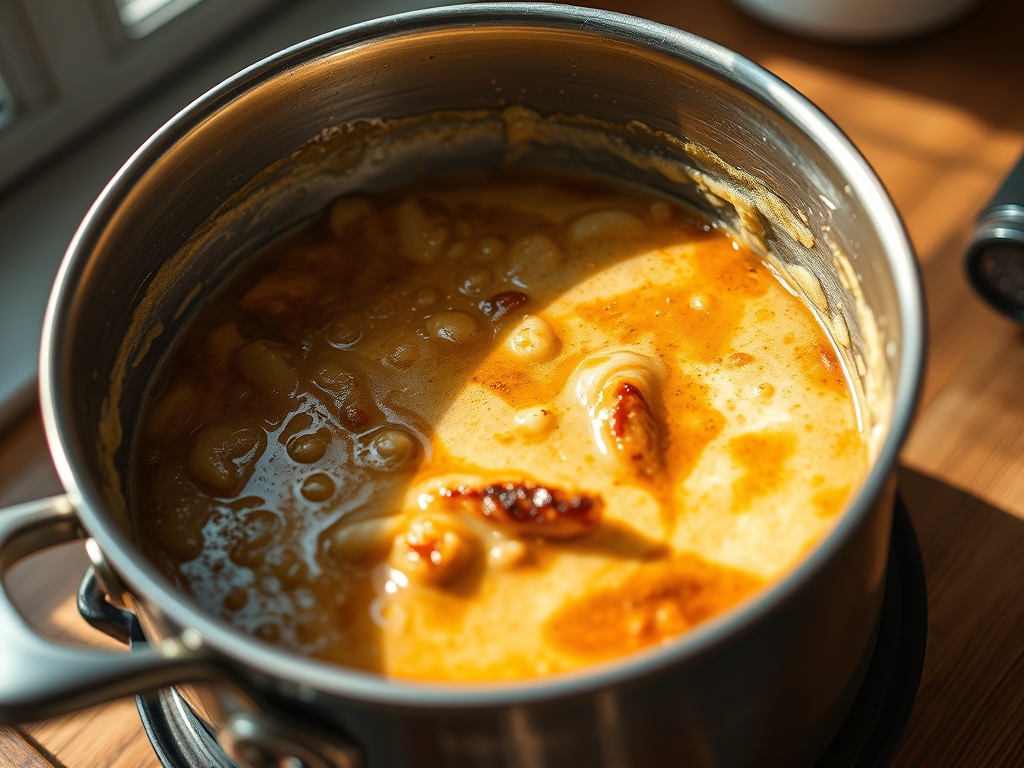
Begin by bringing your filtered water to a rolling boil in a heavy-bottomed stockpot. Use a digital scale to measure your salt precisely. We are looking for a 1 percent salinity solution. This is not just for flavor; salt strengthens the gluten structure, ensuring the Al Dente Pasta Bite remains firm rather than flaccid.
Pro Tip: High salinity raises the boiling point slightly but, more importantly, it prevents the pectin in the wheat from dissolving too rapidly. This maintains the "snap" of the outer layer.
2. The Kinetic Drop and Agitation
Add the pasta all at once. Immediately use a long-handled saucier spoon or pasta fork to agitate the noodles for the first 60 seconds. This prevents the surface starches from bonding together, which would create a singular, undercooked mass.
Pro Tip: Constant agitation during the initial hydration phase ensures even heat distribution. Use a bench scraper to clear your workstation while the timer runs; efficiency is the hallmark of a professional auditor.
3. Emulsion Base Construction
While the pasta hydrates, heat your olive oil in a wide saucier over medium heat. Add the smashed garlic and chili flakes. We want to render the aromatic compounds into the fat without browning the garlic. The goal is to infuse the oil with a golden, spicy profile that will eventually coat the starch.
Pro Tip: This is a cold-start infusion. By starting the garlic in cool oil, you extract more flavor molecules before the cellular walls of the garlic toughen.
4. The Al Dente Extraction
Two minutes before the package instructions suggest, begin testing. You are looking for a tiny white dot at the center of the noodle. This is the "soul" of the pasta. Use a digital timer to track the exact second the resistance feels firm but yielding. Reserve 250ml of the starchy pasta water before draining.
Pro Tip: The reserved water is liquid gold. It contains loosened amylose starch which acts as a natural bridge between the hydrophobic oil and the hydrophilic pasta.
5. Molecular Binding and Glazing
Transfer the pasta directly into the saucier with the infused oil. Add the reserved pasta water and increase the heat to high. Toss vigorously. The mechanical action will aerate the mixture, creating a viscous emulsion that clings to every pore of the bronze-cut surface.
Pro Tip: This "mantecatura" process is where the Al Dente Pasta Bite is solidified. The final 60 seconds of cooking happen in the sauce, not the water, allowing the noodle to absorb flavor instead of just moisture.
Section B: Prep & Timing Fault-Lines:
The most common human error is the "passive drain." If you leave pasta in a colander for more than 30 seconds, the residual heat continues the cooking process, destroying the firm core. You must move from water to sauce instantly. If your kitchen temperature is too low, the fats will congeal before the emulsion stabilizes. Ensure your serving bowls are pre-warmed to maintain the kinetic energy of the dish.
THE VISUAL SPECTRUM
Section C: Thermal & Visual Troubleshooting:
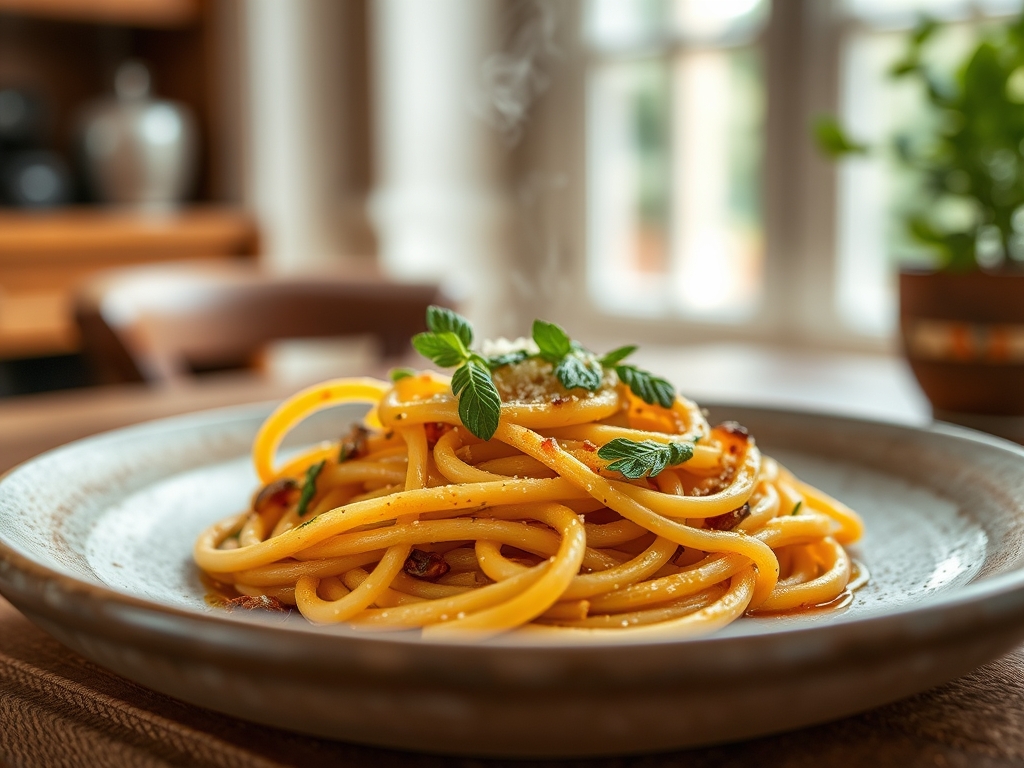
Look at the Masterclass photo above. Notice the matte finish of the noodle; it is not greasy, but rather "glazed." If your pasta looks dull or grey, you likely under-salted the water or used poor quality wheat. If the oil is pooling at the bottom of the plate, the emulsion has broken. To fix a broken sauce, add a splash more pasta water and whisk violently to re-incorporate the fats. The color should be a vibrant, translucent gold. If the garlic is dark brown, it will taste bitter; aim for a pale straw color to ensure a sweet, nutty profile.
THE DEEP DIVE
Macro Nutrition Profile
A standard serving provides approximately 380 calories, 12g of protein, 55g of carbohydrates, and 14g of healthy fats. The high protein content of semolina ensures a lower glycemic index compared to standard white flour, especially when cooked to a firm Al Dente state.
Dietary Swaps
- Vegan: This recipe is naturally vegan if you omit the Pecorino or swap for a high-quality cashew-based fermented crumble.
- Keto: Replace semolina with hearts of palm or konjac noodles, though the "bite" will be significantly different.
- GF: Use a brown rice and quinoa blend pasta. Note that GF pasta has a very narrow Al Dente window; audit the texture every 30 seconds.
Meal Prep & Reheating Science
To maintain molecular structure, undercook the pasta by an additional 2 minutes if prepping ahead. Shock in ice water to stop the cook, then coat in oil. When reheating, use a deglaze technique with a tablespoon of water in a hot pan to steam the noodles back to life without making them mushy.
THE KITCHEN TABLE
Why is my pasta always sticky?
You likely used too little water or failed to agitate the noodles during the first minute. Starch builds up in small volumes of water, creating a glue-like coating. Use at least 5 liters per pound of pasta.
Can I skip the pasta water in the sauce?
Absolutely not. The starch in that water is the emulsifying agent that binds the oil to the noodle. Without it, your sauce will be greasy and will separate immediately upon plating.
What does "Bronze-Cut" actually do?
Standard Teflon dies create a smooth surface. Bronze dies leave microscopic pits and ridges. This increased surface area allows the sauce to physically "grip" the noodle, ensuring every Al Dente Pasta Bite is fully seasoned.
Is rinsing pasta ever acceptable?
Only for cold pasta salads. Rinsing removes the surface starch necessary for sauce adhesion. For hot dishes, rinsing is a cardinal sin of culinary infrastructure. It kills the temperature and ruins the texture.