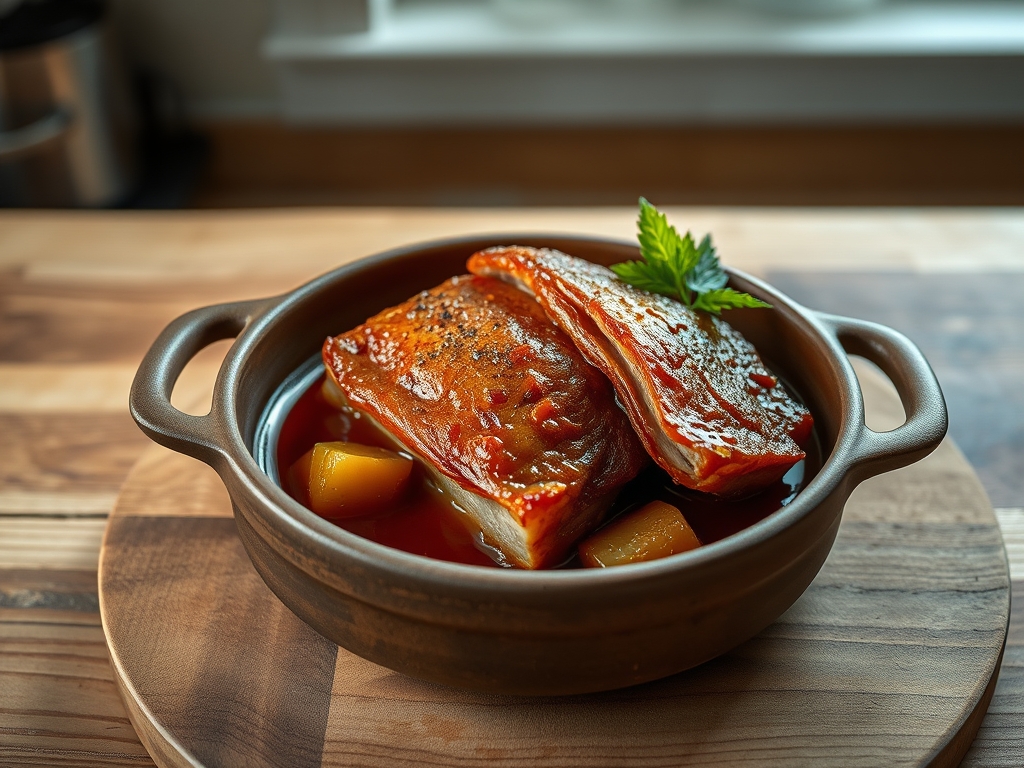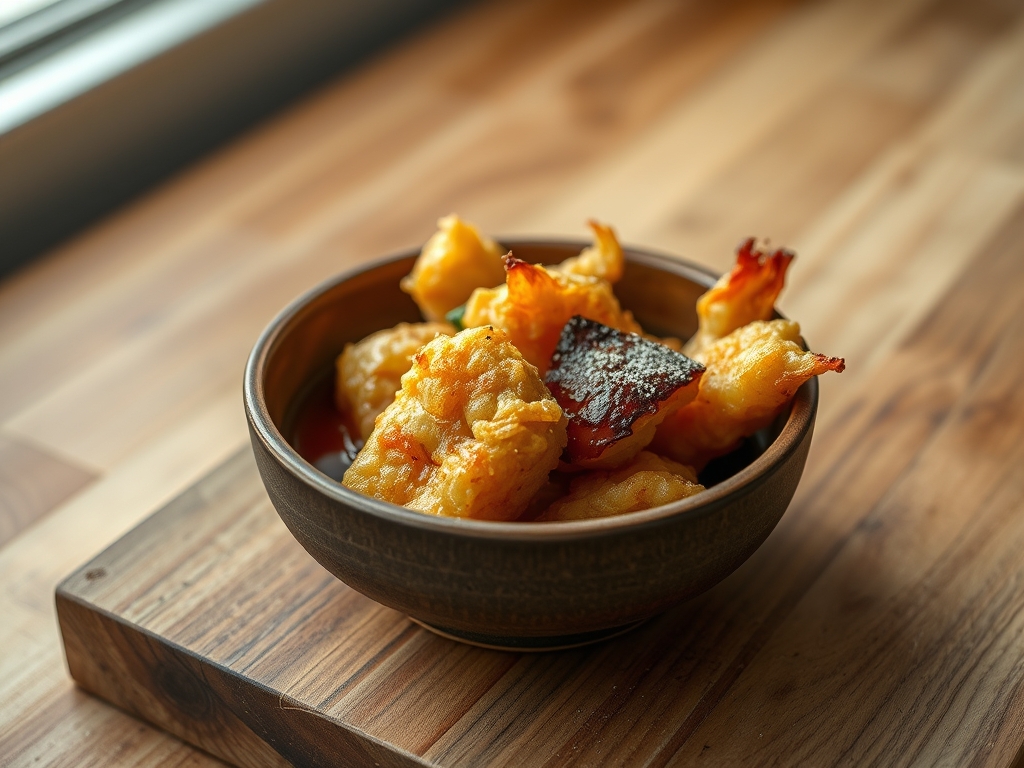
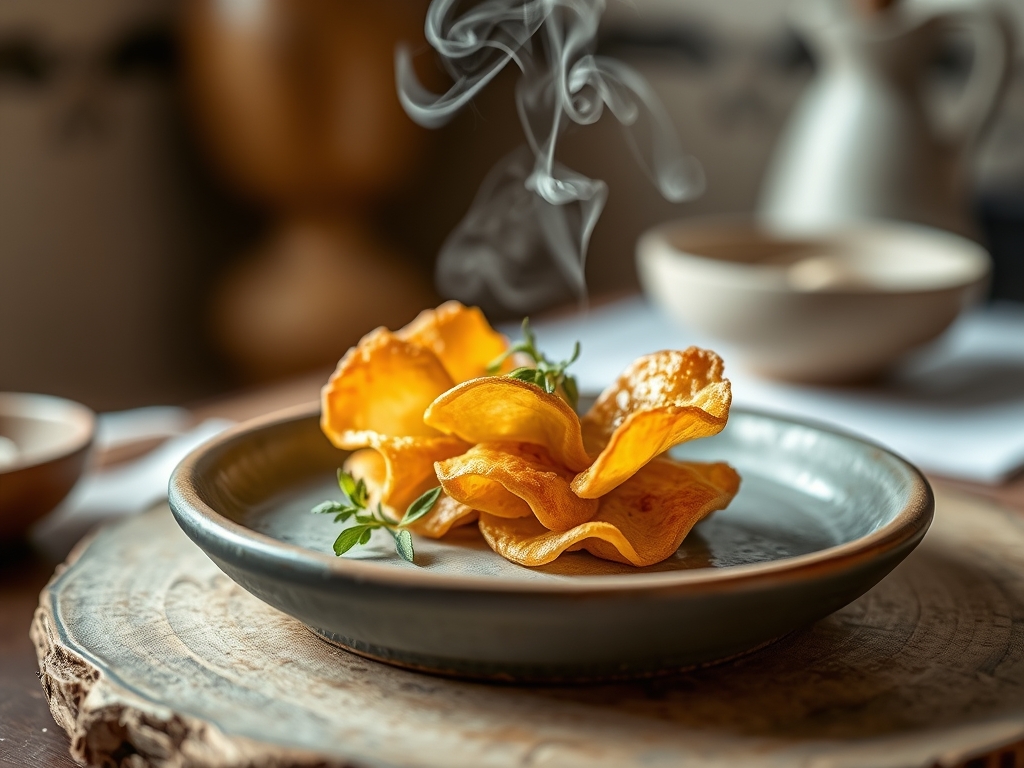
Listen to that sound. It is the violent, rhythmic shattering of a thousand microscopic glass panes. This is the structural collapse of a perfectly engineered Puff Pastry Flake; a feat of culinary architecture that relies on the explosive power of steam trapped between layers of cold, high-fat lipids. We are not just baking here. We are managing a high-stakes phase change where water turns to vapor, forcing sheets of dough to aerate and expand into a towering, golden monument of crunch. If your pastry sounds like cardboard or feels like lead, your infrastructure has failed. A true flake should be so delicate that a sharp look might cause it to splinter, yet robust enough to shatter into a million shards upon the first bite. We are looking for the precise moment where the Maillard reaction meets structural instability. It is loud, it is messy, and it is the only metric of success in the world of high-end laminations. Welcome to the audit of your life.
THE DATA MATRIX
| Metric | Specification |
|---|---|
| Prep Time | 45 Minutes (Active) |
| Execution Time | 6 Hours (Including Chilling) |
| Yield | 1.2 kg Finished Dough |
| Complexity (1-10) | 9 (High Precision Required) |
| Estimated Cost per Serving | $0.85 |
THE GATHERS
Ingredient Protocol:
- 500g / 4 cups All-Purpose Flour (11.5% protein content)
- 10g / 2 tsp Fine Sea Salt
- 250ml / 1 cup Ice-Cold Filtered Water
- 75g / 5 tbsp Unsalted Butter (Melted and cooled for the detrempe)
- 400g / 1.75 cups High-Fat European Style Butter (Minimum 82% butterfat for the beurrage)
- 5ml / 1 tsp Lemon Juice (To inhibit oxidation)
Section A: Ingredient Quality Audit:
If your flour protein is too low, the dough will lack the tensile strength to hold the steam, resulting in a pathetic, flat puddle. If it is too high, the gluten will become a rubbery cage that refuses to expand. Use a digital scale to ensure your ratios are exact. If your butter has a high water content (standard supermarket brands), it will soften too quickly and bleed into the dough, destroying your layers. The fix: Seek out cultured, European-style butter with a high plastic point. If the butter feels greasy at room temperature, it is already failing you. Keep it cold, keep it firm, and keep your workspace at a cool 65 degrees Fahrenheit.
THE MASTERCLASS
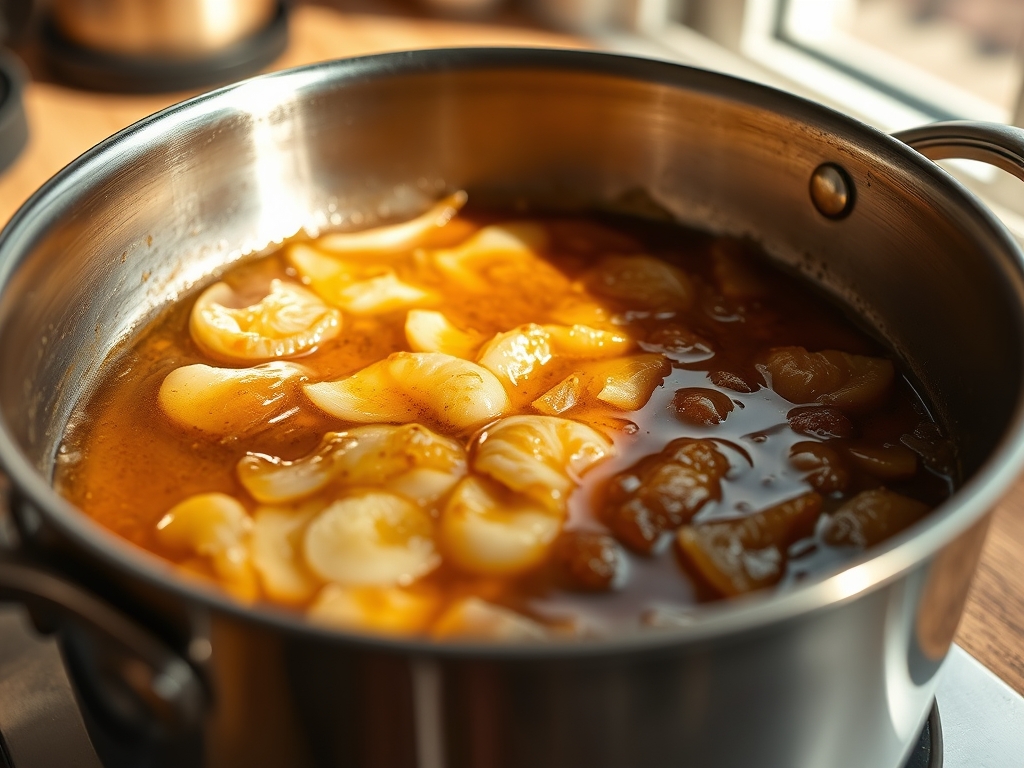
Step-by-Step Execution:
1. The Detrempe Construction
Combine the flour, salt, melted butter, and water in the bowl of a stand mixer. Mix on low speed just until a shaggy mass forms. Do not overwork the gluten at this stage. You want a supple base, not a bouncy ball of rubber. Wrap the dough tightly in plastic and chill for at least two hours.
Pro Tip: Use a bench scraper to clean your work surface frequently. Any dried bits of dough incorporated back into the mass will create structural weak points in your Puff Pastry Flake.
2. The Beurrage Engineering
Place your cold, high-fat butter between two sheets of parchment paper. Use a heavy rolling pin to pound the butter into a flat, even square of roughly 7 inches. The goal is to make the butter "plastic" so it bends without breaking. It must be the same consistency as your chilled dough.
Pro Tip: Temperature parity is the secret. If the butter is harder than the dough, it will tear through the layers. If it is softer, it will infuse into the flour and turn your puff into shortbread.
3. The Lock-In Phase
Roll your chilled dough into a 10 inch square. Place the butter block diagonally in the center. Fold the corners of the dough over the butter like an envelope, sealing the edges completely. You have now created the primary engine of lamination.
Pro Tip: Use a digital scale to weigh the package before and after to ensure no butter has escaped. This is the foundation of your multi phase flake sound.
4. The Lamination Turns
Roll the dough into a long rectangle and perform a "letter fold" (folding in thirds). Rotate 90 degrees and repeat. This is your first and second turn. Chill for one hour between every two turns. Complete a total of six turns to create 729 distinct layers of butter.
Pro Tip: A bench scraper is essential here to maintain straight edges. Square corners ensure that every single square inch of your dough has the same number of layers.
5. The Final Expansion
Roll the finished dough to a thickness of 1/8 inch. Cut into desired shapes using a very sharp knife or pastry wheel. Do not drag the blade; a clean vertical cut is required to avoid sealing the edges, which would prevent the Puff Pastry Flake from rising.
Pro Tip: Chill the cut shapes for 30 minutes before baking to relax the gluten. This prevents the dough from shrinking or warping in the high-heat environment of the oven.
6. The Thermal Blast
Bake at 425 degrees Fahrenheit for the first 10 minutes to trigger the steam explosion, then reduce to 375 degrees to render the fat and brown the exterior. The high initial heat is what creates the "shatter" effect.
Pro Tip: Use a heavy-duty baking stone or a preheated sheet pan to ensure the bottom of the pastry receives immediate heat transfer, preventing a "soggy bottom" syndrome.
Section B: Prep & Timing Fault-Lines:
The biggest human error is impatience. If you rush the chilling stages, the butter will melt, and your layers will collapse into a greasy mess. If you see butter leaking out onto the pan during baking, your oven temperature was too low or your dough was too warm when it went in. Conversely, if the dough resists rolling and shrinks back, you have overdeveloped the gluten. Walk away. Let it rest. Time is an ingredient as much as flour or fat.
THE VISUAL SPECTRUM
Section C: Thermal & Visual Troubleshooting:
Look at the Masterclass photo. Notice the distinct, visible ridges on the sides of the pastry. This is the "book" effect. If your edges look fused or smooth, your knife was dull or you handled the edges too much. If the top is pale but the bottom is burnt, your oven rack is too low. The ideal Puff Pastry Flake should exhibit a deep, mahogany bronze on the exterior with a pale, cream-colored interior. If the pastry is leaning to one side, your rolling was uneven. Use a digital scale to ensure your dough thickness is uniform across the entire sheet. Dull colors usually indicate a lack of egg wash or an oven that is not venting steam properly; crack the door for the last five minutes of baking to dry out the flakes.
THE DEEP DIVE
Macro Nutrition Profile:
This is a high-density energy source. Per 100g serving, expect approximately 550 calories, 35g of fat, and 50g of carbohydrates. It is a luxury item designed for sensory impact rather than daily sustenance.
Dietary Swaps:
- Vegan: Use a high-quality vegan block butter with a high melting point (stearate-heavy). Avoid soft tub margarines.
- Gluten-Free: Use a high-quality 1-to-1 flour blend with added xanthan gum. Note that the layers will be more brittle and less airy.
- Keto: Currently impossible to achieve a true Puff Pastry Flake without starch-based expansion. Fat-head dough is a functional but inferior substitute.
Meal Prep & Reheating Science:
To maintain the molecular structure, never microwave puff pastry. The radiation excites water molecules, turning the crisp flakes into a viscous, chewy disaster. Reheat in a 350 degree oven for 5 minutes to re-crisp the fat and evaporate any absorbed atmospheric moisture.
THE KITCHEN TABLE
Why is my pastry tough instead of flaky?
You likely overworked the dough or used too much water. Excess water triggers massive gluten development. Keep the detrempe lean and mean. Only add enough water to hold the flour together; the butter provides the rest of the moisture.
Can I freeze the raw dough?
Absolutely. Wrap it in multiple layers of plastic to prevent freezer burn. Thaw in the refrigerator for 24 hours before the final roll-out. Freezing actually helps relax the gluten, often resulting in a superior Puff Pastry Flake.
What if my butter breaks into chunks during rolling?
Your butter was too cold. If it snaps, it creates gaps in the lamination. Let the dough sit at room temperature for five minutes before rolling to ensure the butter and dough move as one cohesive unit.
Why did my pastry not rise?
Either your oven was too cold or you "pinned" the edges by touching them with your fingers. The raw edges must remain untouched to allow the steam to push the layers apart. Always handle the dough by the top and bottom.