Listen to that sound. It is not just a crunch; it is a structural failure of cellulose under extreme atmospheric pressure. When you sink your teeth into a high density pome, you are looking for the definitive Apple Flesh Snap. This is the audible benchmark of quality. If the fruit yields with a pathetic, mealy sigh, the audit has failed. We are here to weaponize that snap into a culinary masterpiece: the High-Velocity Salted Caramel Pomme Tarte. We are talking about piquant acidity meeting viscous, deeply rendered sugars. To achieve the perfect result, you must treat your kitchen like a laboratory. Every gram of sucrose and every millimeter of pastry thickness is a variable in a high-stakes equation. We are not just baking; we are engineering a sensory explosion where the structural integrity of the fruit remains intact despite the thermal onslaught of the oven. Prepare your digital scales and calibrate your ovens. We are diving into the cellular architecture of the perfect pome fruit execution.
THE DATA MATRIX
| Metric | Specification |
|---|---|
| Prep Time | 45 Minutes |
| Execution Time | 55 Minutes |
| Yield | 8 Servings |
| Complexity | 7/10 |
| Estimated Cost per Serving | $2.75 |
THE GATHERS
Ingredient Protocol:
- 800g / 4 large High-Density Apples (Honeycrisp or Pink Lady for maximum Apple Flesh Snap)
- 250g / 1.25 cups All-Purpose Flour (unbleached)
- 200g / 1 cup Unsalted European Butter (chilled and cubed)
- 150g / 0.75 cup Granulated White Sugar
- 60ml / 0.25 cup Heavy Cream (minimum 36% milk fat)
- 5g / 1 tsp Fine Sea Salt
- 15ml / 1 tbsp Ice Cold Water
- 2g / 0.5 tsp Ground Saigon Cinnamon
Section A: Ingredient Quality Audit:
If your apples feel "spongy" to the touch, their cellular walls have already begun to collapse. This ruins the Apple Flesh Snap. To fix this, soak sliced segments in an acidulated ice bath for 20 minutes to tighten the pectin bonds. If your butter is too soft, the pastry will fail to aerate, resulting in a greasy slab rather than a flaky crust. Ensure all fats are below 4 degrees Celsius before integration. If your heavy cream has a low fat content, the caramel will not achieve the necessary viscous mouthfeel; compensate by whisking in a small knob of cold butter at the end of the emulsification process.
THE MASTERCLASS
1. Architectural Pastry Construction
Begin by combining your chilled flour and salt on a clean marble surface or in a wide stainless steel bowl. Use a bench scraper to cut the cold butter into the flour until the particles are the size of peas. Slowly drizzle the ice water over the mixture, tossing lightly until a shaggy dough forms. Do not overwork the proteins.
Pro Tip: This process relies on solid-state fat distribution. When the cold butter hits the hot oven, it evaporates, creating steam pockets that lift the dough layers. Over-handling warms the fat, causing it to soak into the flour and destroying the flake.
2. Precision Pome Slicing
Peel and core your apples. Using a mandoline or a very sharp chef knife, slice the fruit into uniform 3mm crescents. Consistency is non-negotiable here. If the slices vary in thickness, the rate of heat transfer will be uneven, leading to some segments turning to mush while others remain raw.
Pro Tip: Maintaining a uniform thickness ensures that the pectin chains degrade at a synchronized rate. This preserves a "toothsome" resistance, mimicking the original Apple Flesh Snap even after the fruit has been fully cooked.
3. The Caramel Maillard Reaction
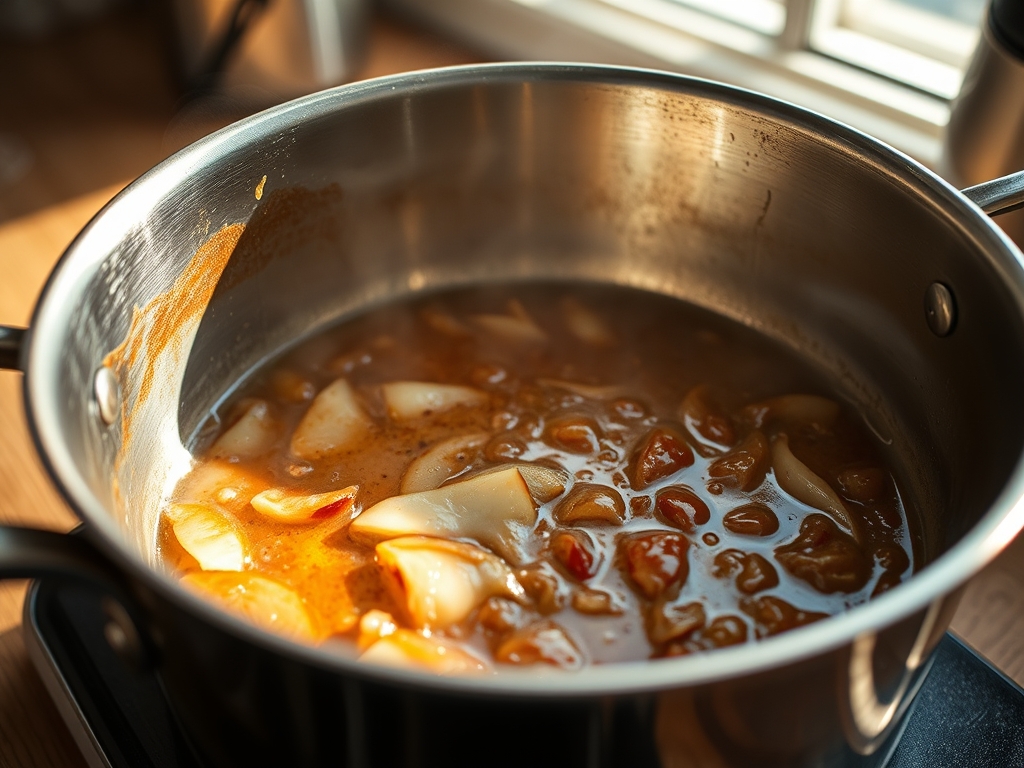
In a heavy-bottomed saucier, heat your sugar over medium-high heat. Do not stir; simply swirl the pan. Once the sugar melts into a deep amber liquid, carefully pour in the heavy cream. The mixture will seize and steam violently. Whisk vigorously until the sauce is smooth and viscous, then stir in the sea salt.
Pro Tip: This is a controlled thermal decomposition of sucrose. The deep amber color indicates the presence of complex flavor compounds created by the Maillard reaction and caramelization. Using a saucier with rounded bottom edges prevents sugar crystals from getting stuck and burning.
4. Assembly and Thermal Saturation
Layer the apple slices in a concentric pattern over your rolled-out pastry. Pour the salted caramel over the fruit, ensuring it seeps into the gaps. Place the tart into an oven preheated to 200 degrees Celsius. Bake until the pastry is golden brown and the caramel is bubbling.
Pro Tip: Use a digital scale to weigh your tart before and after baking if you want to track moisture loss. The goal is to render the apple juices into the caramel, creating a concentrated syrup that binds the fruit without making the crust soggy.
Section B: Prep & Timing Fault-Lines:
The most common human error is "The Rest Gap." If you do not allow the dough to hydrate in the refrigerator for at least 30 minutes, it will shrink in the oven. Another failure point is the "Caramel Stall." If you add the cream too slowly, the sugar temperature will continue to rise, leading to a bitter, burnt profile. Use an infrared thermometer to ensure your sugar stays between 170 and 180 degrees Celsius before deglazing with cream.
THE VISUAL SPECTRUM
Section C: Thermal & Visual Troubleshooting:
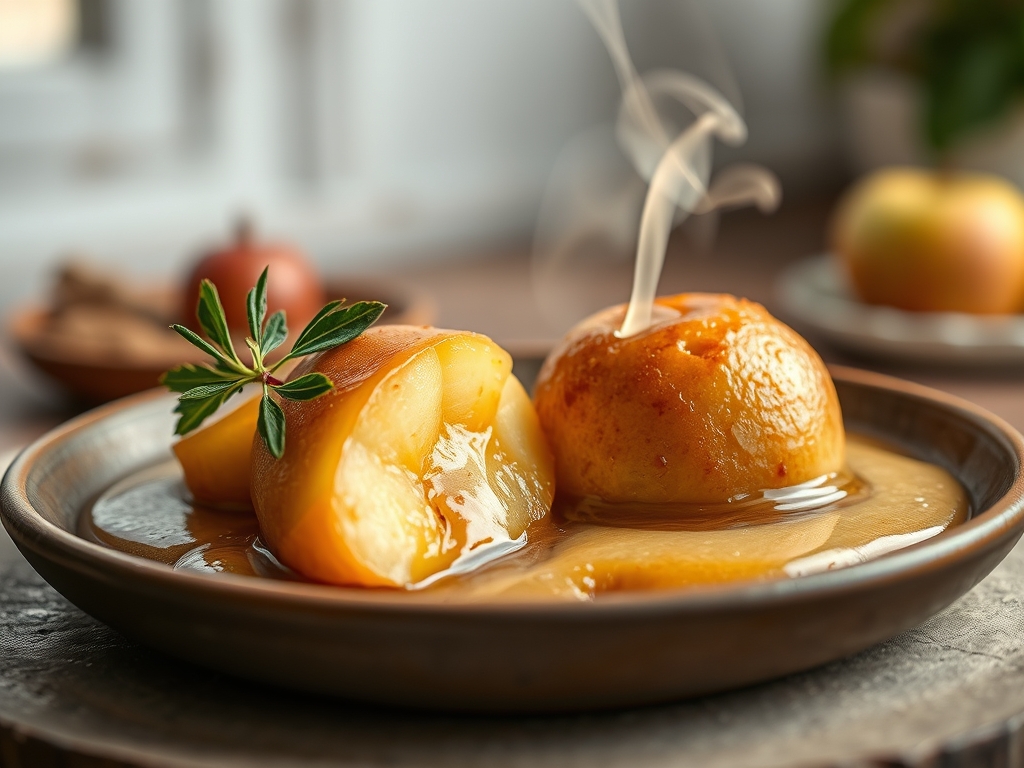
Referencing the Masterclass photo, look for the "Glisten Factor." The apples should appear translucent but not transparent. If the edges of the fruit are blackened, your oven has "hot spots"; rotate the pan every 15 minutes. If the caramel looks dull or matte, the emulsion has broken. This usually happens if the cream was added too cold. To fix a broken sauce, add a teaspoon of boiling water and whisk at high speed to re-emulsify the fats. The final product should have a vibrant, bronze sheen that reflects light, indicating a perfect sugar-to-fat ratio.
THE DEEP DIVE
Macro Nutrition Profile
Each serving contains approximately 320 calories, 18g of fat, 42g of carbohydrates, and 2g of protein. The high fiber content from the apple skins (if left on) can slightly mitigate the glucose spike from the caramel.
Dietary Swaps
- Vegan: Replace European butter with a high-quality vegan block butter (oil-based) and use full-fat coconut cream for the caramel.
- Keto: This is difficult given the fruit and sugar, but a crust made of almond flour and a caramel using allulose can approximate the experience.
- GF: Use a 1:1 gluten-free flour blend containing xanthan gum to provide the structural elasticity missing from wheat gluten.
Meal Prep & Reheating Science
To maintain the molecular structure, never microwave this tart. The microwave agitates water molecules, turning the crisp pastry into a rubbery mess. Reheat in a 150 degree Celsius oven for 10 minutes. This re-crystallizes the surface sugars and draws residual moisture out of the crust, restoring the snap.
THE KITCHEN TABLE
Why is my pastry tough instead of flaky?
You likely over-developed the gluten. Use cold tools and minimal handling. The goal is to keep the flour "short," meaning the fat coats the proteins to prevent long, chewy strands from forming during the mixing process.
Can I use Granny Smith apples?
Yes. While they have a different density, their high acidity provides a sharp contrast to the sweet caramel. However, they may require a slightly longer bake time to soften the tougher cellular walls compared to a Honeycrisp.
My caramel turned into a hard brick. What happened?
The sugar was likely cooked too long or the cream was added too late. Once the sugar loses too much moisture, it reverts to a hard-crack stage. You can sometimes save it by gently reheating with extra cream.
How do I get that professional shine?
Brush the finished tart with a light coating of apricot preserves that have been melted and strained. This creates a secondary moisture barrier and provides a high-gloss finish that highlights the Apple Flesh Snap of the fruit.