Listen to the clatter of frozen geometry hitting a glass vessel. It is the sound of a thermodynamic negotiation. In the world of high-end mixology and culinary fluid dynamics, we do not just cool a liquid; we manage its molecular expansion. Ice Cube Dilution is the silent partner in every balanced cocktail and chilled soup. It is the bridge between a concentrated, viscous syrup and a bright, refreshing masterpiece. Most amateurs view ice as a mere cooling agent. They are wrong. Ice is a solvent. As the solid phase transitions to liquid, it releases water molecules that open up the aromatic profile of your spirits or stocks. If you ignore the rate of this melt, you end up with a watery catastrophe that lacks structural integrity. We are here to audit your infrastructure. We are going to master the precise art of controlled melting to ensure your beverages maintain their piquant punch from the first sip to the final drop. Prepare for a deep dive into the architecture of the chill.
THE DATA MATRIX
| Metric | Specification |
|---|---|
| Prep Time | 10 Minutes |
| Execution Time | 5 Minutes |
| Yield | 2 Servings |
| Complexity (1-10) | 4 |
| Estimated Cost per Serving | $4.50 |
THE GATHERS
Ingredient Protocol:
- 240ml / 1 cup High-Proof Bourbon or Rye
- 60ml / 2 oz Demerara Syrup (2:1 ratio)
- 4 Dashes Aromatic Bitters
- 8 Large Clear Ice Cubes (5cm / 2in square)
- 2 Strips Expressed Orange Peel
Section A: Ingredient Quality Audit:
The most common failure point in Ice Cube Dilution is the use of "wet" ice. If your ice has been sitting in a defrosting tray, it carries a film of liquid water that will over-dilute your drink instantly. Fix this by using "tempered" ice that has been pulled from a deep freeze and allowed to sit for sixty seconds until the surface is tacky but not dripping. Another issue is cloudy ice. Impurities and trapped air bubbles cause the ice to shatter and melt unevenly. Use directional freezing techniques or distilled water to create clear, dense blocks that provide a predictable melt rate. If your bitters lack a piquant edge, they may be oxidized; always store your botanicals in a cool, dark environment to preserve their volatile oils.
THE MASTERCLASS
1. Thermal Priming of the Vessel
Begin by placing your mixing glass on a digital scale to track the exact mass of your ingredients. Fill the glass with sacrificial ice to chill the walls of the container. This ensures that when the actual mixing occurs, the energy transfer is focused on the liquid rather than cooling the glass itself.
Pro Tip: Use a heavy-bottomed glass to maintain thermal mass. Professional bartenders use this technique to prevent the ambient room temperature from accelerating the Ice Cube Dilution before the first stir even begins.
2. The Component Integration
Discard the sacrificial ice and add your bourbon, syrup, and bitters. Use a long-handled bar spoon to gently incorporate the liquids before adding the final ice. This ensures the sugars are evenly distributed through the viscous spirit, preventing "hot spots" of high alcohol concentration.
Pro Tip: Measuring by weight on a digital scale is more accurate than volumetric pouring. A single gram of extra syrup can shift the entire browning profile and sweetness level of the final product.
3. The Controlled Agitation
Add four large, clear cubes to the vessel. Insert your bar spoon between the glass wall and the ice. Stir with a smooth, rhythmic motion for exactly thirty seconds. You are looking for the moment when the outside of the glass develops a fine mist of condensation. This indicates you have reached the "goldilocks zone" of Ice Cube Dilution.
Pro Tip: Do not "crack" the ice with your spoon. This increases the surface area and leads to rapid, uncontrolled melting. The goal is to aerate the liquid slightly while maintaining a slow, steady chill.
4. The Structural Strain
Place a Julep strainer over the mixing glass and pour the liquid into a chilled rocks glass containing one massive, fresh ice cube. The double-straining process ensures that no tiny ice shards enter the final serving, as these would melt too quickly and ruin the texture.
Pro Tip: Use a stainless steel strainer to maintain the temperature during the transfer. A professional-grade tool prevents the liquid from warming up as it travels from the mixing glass to the service vessel.
Section B: Prep & Timing Fault-Lines:
Timing is the silent killer of the perfect chill. If you stir for forty-five seconds instead of thirty, you increase the water content by nearly fifteen percent, which flattens the flavor profile. Conversely, stirring for only ten seconds leaves the spirit "hot" and unrefined. Use a stopwatch to calibrate your stirring speed. Temperature control is equally vital; if your room is above 25 degrees Celsius, you must work faster to compensate for the increased thermal energy. If you find your drink is too diluted, check your ice size. Smaller cubes have a higher surface-area-to-volume ratio, leading to faster melting.
THE VISUAL SPECTRUM
Section C: Thermal & Visual Troubleshooting:
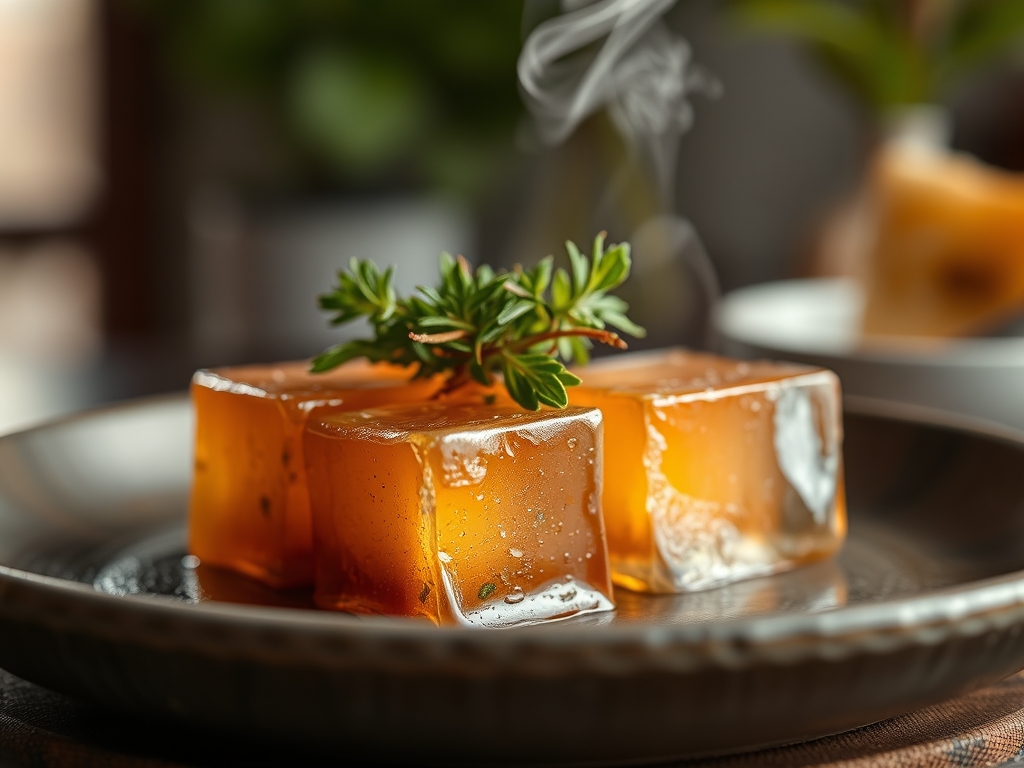
Look at the Masterclass photo. Notice the clarity of the liquid and the sharp edges of the ice. If your drink appears cloudy, you have likely over-agitated the mixture, introducing too many air bubbles. If the color is dull rather than a vibrant amber, your bitters may have settled at the bottom; ensure a thorough stir to infuse the colors evenly. If you see "oil slicks" on the surface, your citrus garnish was over-expressed, or your glassware had residual detergent. A perfect Ice Cube Dilution results in a liquid that looks like liquid gold, with the ice cube appearing almost invisible within the glass due to similar refractive indices.
THE DEEP DIVE
Macro Nutrition Profile:
A standard serving contains approximately 210 calories, primarily from the alcohol and the Demerara syrup. There are zero grams of fat or protein. The sugar content is roughly 8 grams per serving. While not a health food, the use of high-quality ingredients reduces the presence of congeners that contribute to hangovers.
Dietary Swaps:
- Vegan: Ensure your sugar is certified vegan, as some bone char is used in traditional processing.
- Keto: Replace the Demerara syrup with a monk fruit or erythritol-based simple syrup.
- GF: Most distilled spirits are gluten-free, but always verify the source of your bitters.
Meal Prep & Reheating Science:
You cannot "reheat" a chilled fluid without destroying its molecular structure. However, you can "pre-batch" the spirits and syrup. Mix your bourbon and syrup in a sealed glass bottle and store it in the freezer. This "super-chills" the base, allowing for even less Ice Cube Dilution when you are ready to serve. This maintains the viscous texture and prevents the volatiles from escaping.
THE KITCHEN TABLE
Why does my ice taste like the freezer?
Ice acts as a sponge for odors. Store your ice in airtight silicone molds or bags to prevent it from absorbing the "aroma" of last week's leftovers. Fresh ice is the foundation of clean flavor.
Can I use crushed ice for this recipe?
Absolutely not. Crushed ice provides too much surface area, leading to instant over-dilution. Save the crushed ice for juleps or tiki drinks where rapid dilution is a structural requirement, not a flaw.
What is the best water for making ice?
Distilled or reverse-osmosis water is king. It removes the minerals that cause cloudiness and off-flavors. If you want that crystal-clear professional look, start with the purest water possible.
How do I know when I have stirred enough?
Touch the outside of your mixing glass. When it feels painfully cold and a thin layer of frost begins to form, you have achieved the perfect thermal equilibrium and the ideal Ice Cube Dilution.
Does the shape of the ice really matter?
Yes. Spheres have the lowest surface area and melt the slowest. Large cubes are a close second. Avoid small, hollow "hotel ice" as it collapses and dilutes the drink before you can finish the first sip.