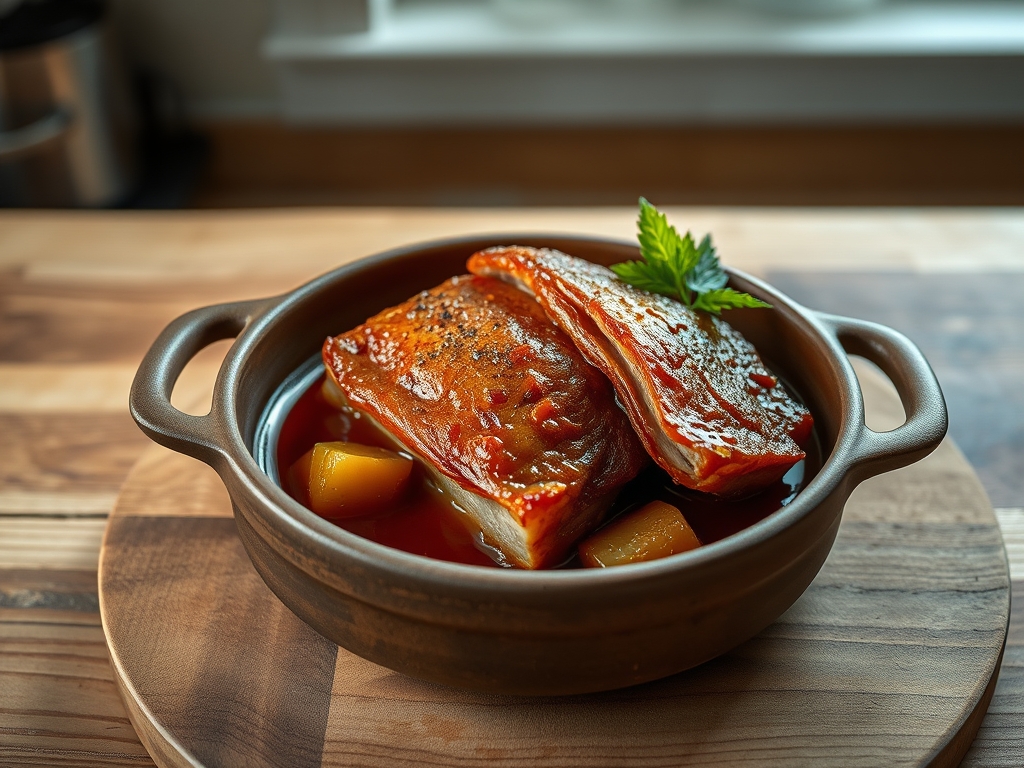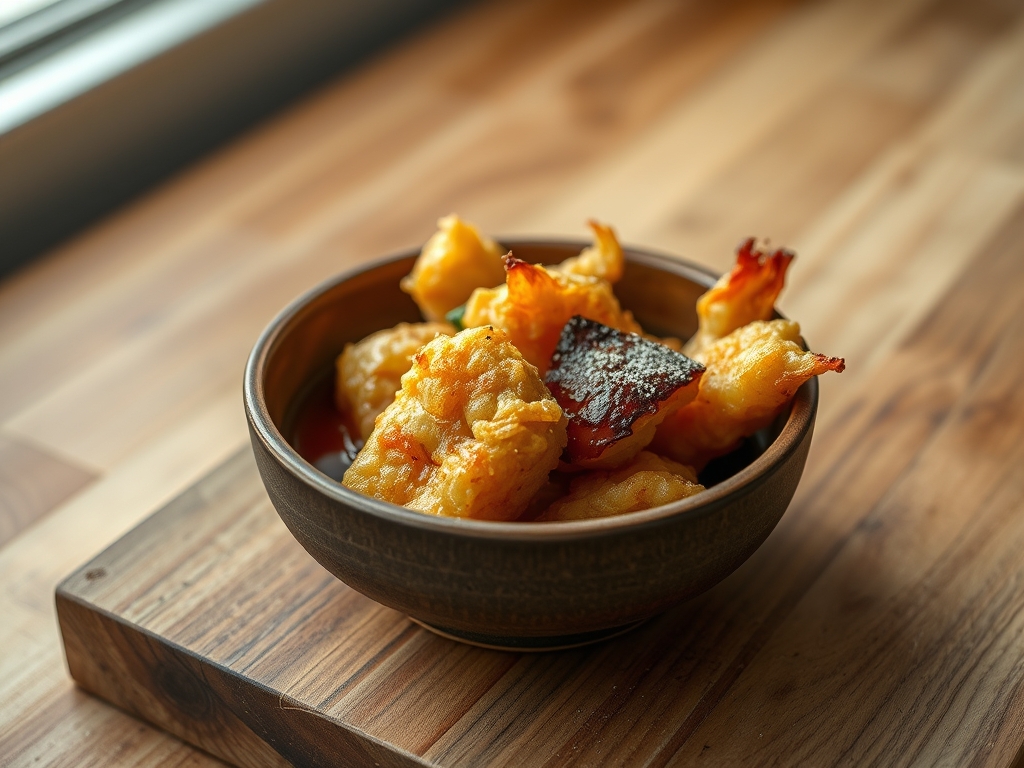
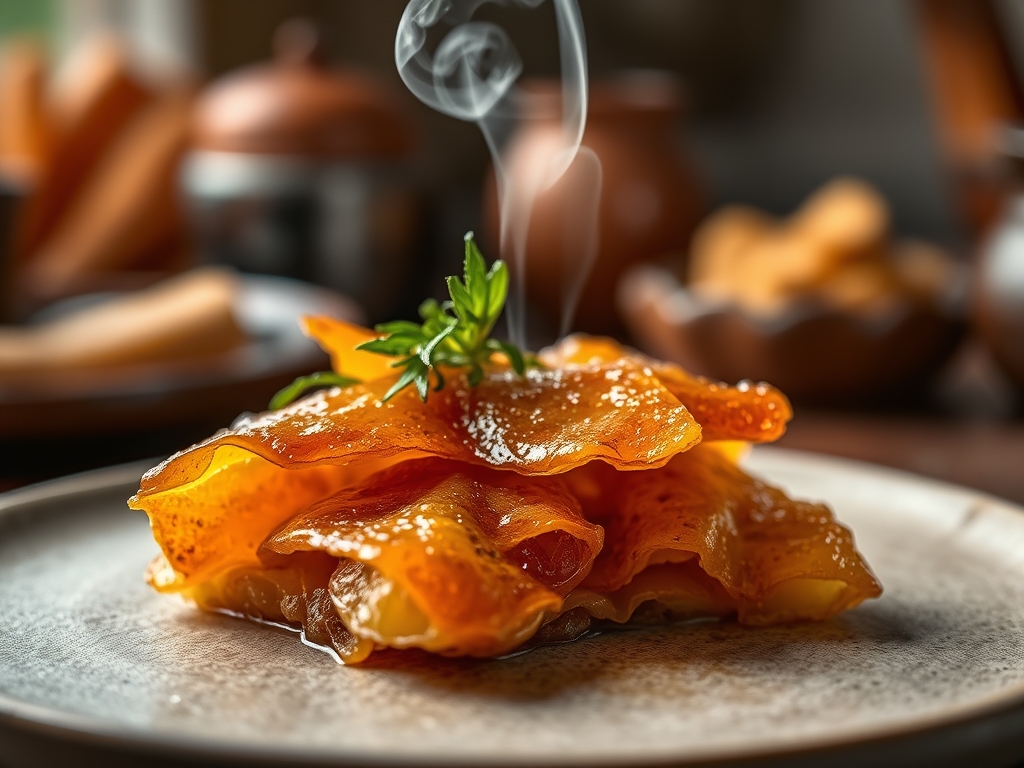
Listen to the sound of a structural failure. It is not the dull thud of a failed cake or the weeping of a broken emulsion. It is a high frequency report that signals a perfect molecular alignment. This is the Brittle Candy Snap; the auditory proof that you have successfully navigated the transition from a viscous liquid to an amorphous solid. Toffee is not a recipe. It is a high stakes thermal audit of sucrose and lipid stability. We are hunting for that specific moment where the moisture content drops below two percent and the sugar matrix locks into a glass state. If you miss the window, you are left with a tooth-pulling disaster or a grainy heap of crystallized failure. We demand a fracture that is clean, sharp, and instantaneous. This article is your technical blueprint for achieving a candy that shatters like a diamond under pressure. We will utilize precise temperature control to force a Maillard reaction that delivers deep, complex bitterness to balance the aggressive sweetness. Prepare your station. We are about to render sugar into architecture.
THE DATA MATRIX
| Metric | Specification |
|---|---|
| Prep Time | 15 Minutes |
| Execution Time | 25 Minutes |
| Yield | 900g / 2 lbs |
| Complexity (1-10) | 8 |
| Estimated Cost per Serving | $0.45 |
THE GATHERS
Ingredient Protocol:
- 450g / 2 cups High-Quality Unsalted Butter (minimum 82 percent butterfat)
- 400g / 2 cups Granulated White Sugar
- 60ml / 4 tbsp Water
- 5g / 1 tsp Fine Sea Salt
- 5ml / 1 tsp Pure Vanilla Extract
- 200g / 1.5 cups Toasted Almonds (finely chopped)
- 300g / 2 cups Dark Chocolate (60 percent cacao or higher)
Section A: Ingredient Quality Audit:
The primary failure point in toffee is lipid separation. If you use cheap butter with high water content, the emulsion will break before you reach the hard-crack stage. If you see oil pooling at the top of your saucier, your emulsion has failed. To fix this during the cook, add one tablespoon of boiling water and whisk vigorously to re-incorporate the fats. Furthermore, ensure your sugar is pure sucrose. Impurities or "raw" sugars contain minerals that can trigger premature crystallization. If your sugar looks gray or sandy, discard it and start with a fresh bag of ultra-fine granulated sugar to ensure a smooth melt.
THE MASTERCLASS
Step-by-Step Execution:
1. Thermal Loading and Emulsification
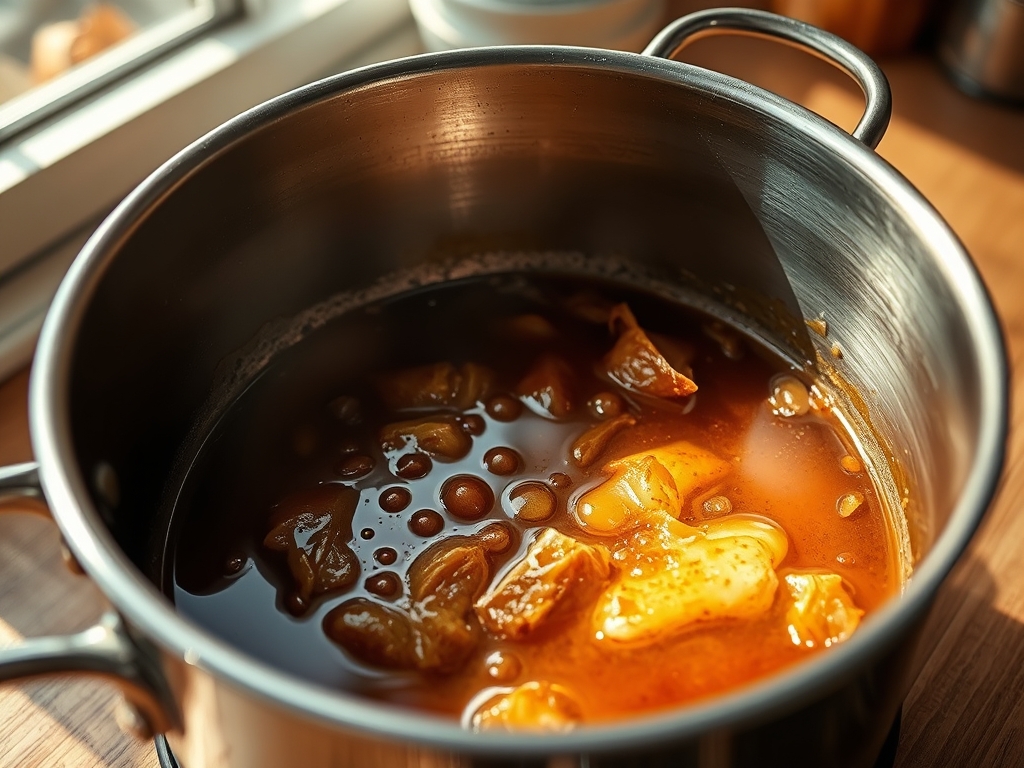
Combine the butter, sugar, water, and salt in a heavy-bottomed stainless steel saucier. Place over medium heat and stir constantly with a heat-resistant silicone spatula. You are looking for a uniform, opaque liquid.
Pro Tip: Use a digital scale for your measurements. Volumetric measurements are too imprecise for candy chemistry. The water acts as a solvent to ensure every sugar crystal dissolves before the temperature exceeds 100 degrees Celsius, preventing a grainy texture.
2. The Evaporation Phase
Once the mixture reaches a boil, stop stirring frequently. Attach a calibrated digital candy thermometer to the side of the pan. The temperature will stall around 105 degrees Celsius as the water evaporates.
Pro Tip: This is the "danger zone" for crystallization. Use a pastry brush dipped in warm water to wash down any sugar crystals clinging to the sides of the pan. This prevents a chain reaction that could turn your smooth syrup into a gritty mess.
3. Achieving the Hard-Crack State
Continue heating until the mixture reaches 150 degrees Celsius (300 degrees Fahrenheit). The color will shift from pale cream to a deep, burnished amber. This is the Maillard reaction in full effect, where proteins and sugars reorganize into complex flavor compounds.
Pro Tip: Remove the pan from the heat at 148 degrees Celsius. Residual heat will carry the mixture to the final target. Overshooting by even two degrees can result in a burnt, acrid flavor profile that ruins the Brittle Candy Snap.
4. Aeration and Flavor Infusion
Quickly whisk in the vanilla extract. The mixture will bubble violently as the alcohol and water in the extract vaporize. This flash-evaporation helps aerate the toffee slightly, making the final snap more brittle and less dense.
Pro Tip: Work quickly. At this temperature, the viscosity increases exponentially every second. Use a bench scraper to prep your cooling surface (a silicone mat or buttered parchment) so there is zero delay in pouring.
5. Structural Setting and Lamination
Pour the molten toffee onto your prepared surface. Use an offset spatula to spread it to a uniform thickness of approximately 6mm. Immediately sprinkle the chocolate over the surface. Let it sit for two minutes to melt, then spread it evenly. Top with chopped nuts.
Pro Tip: Do not refrigerate the toffee to speed up the cooling process. Rapid cooling causes the sugar glass to contract unevenly, leading to internal stress fractures and a "sticky" surface due to condensation. Let it set at a stable room temperature.
Section B: Prep & Timing Fault-Lines:
Timing is the silent killer in confectionery. If you do not have your nuts chopped and your chocolate tempered before the sugar reaches 140 degrees Celsius, you have already lost. The window between "perfect amber" and "carbonized waste" is roughly forty-five seconds. If your toffee separates (leaks oil) while pouring, it is usually because the heat was too high too fast, causing the butter solids to crash out of the sugar matrix. Maintain a steady, medium heat to keep the emulsion stable.
THE VISUAL SPECTRUM
Section C: Thermal & Visual Troubleshooting:
Observe the Masterclass photo above. Notice the "shards" have a glass-like sheen on the interior fracture point; this is the hallmark of a successful Brittle Candy Snap. If your toffee looks dull or matte, it has likely crystallized. This happens if you stirred too aggressively during the final stages of boiling. If the color is pale like honey rather than dark like a copper penny, you pulled it too early. This results in a "taffy" texture that sticks to the molars rather than shattering. To fix a pale batch, you cannot simply re-heat it; the chemical bonds have already set. Instead, chop it up and use it as a "mix-in" for ice cream where the texture is less critical.
THE DEEP DIVE
Macro Nutrition Profile:
Toffee is an energy-dense substrate. A standard 40g serving contains approximately 210 calories, 14g of fat, and 22g of carbohydrates. It is almost entirely devoid of fiber, making it a pure glycemic spike.
Dietary Swaps:
- Vegan: Replace butter with a high-fat vegan buttery stick (ensure it has a low water content) and use dairy-free dark chocolate.
- Keto: This is high-level alchemy. Use Allulose as the sugar substitute; it is the only keto sweetener that caramelizes and hard-cracks like sucrose. Erythritol will remain grainy.
- GF: Toffee is naturally gluten-free, but always audit your vanilla extract and chocolate for cross-contamination.
Meal Prep & Reheating Science:
Toffee is hygroscopic; it sucks moisture out of the air. To maintain the molecular structure, store shards in an airtight glass container with parchment paper between layers. Do not reheat toffee. If it softens due to humidity, you can attempt to "shock" it back by placing it in a freezer for ten minutes before serving, but the original snap will be compromised.
THE KITCHEN TABLE
Why is my toffee soft and chewy?
You failed to reach the hard-crack stage of 150 degrees Celsius. The residual moisture prevents the sugar from forming a rigid glass. Always use a calibrated thermometer to ensure you hit the thermal target for a clean snap.
Can I fix a broken butter emulsion?
Yes. If oil separates, whisk in a tablespoon of very hot water. This restores the balance between the fats and the sugar syrup. Keep whisking until the mixture becomes homogenous again, then continue the cook as planned.
Why did my chocolate bloom on top?
Chocolate blooms (white streaks) when it is out of temper. The heat from the toffee melted the chocolate, and it cooled too slowly. For a professional finish, temper your chocolate separately before spreading it over the cooled toffee.
How do I clean the hardened sugar in my pan?
Fill the saucier with water and bring it to a boil. The water will act as a solvent, dissolving the hardened sucrose glass effortlessly. This is much more effective than scrubbing and preserves the finish of your cookware.