Forget the cinematic nostalgia of red and white striped buckets; we are here to discuss a violent, thermal event that borders on ballistic engineering. When a kernel of Zea mays everta meets a precise heat threshold, the internal moisture transforms into a pressurized steam bomb. The starch inside gelatinizes, turning into a viscous fluid trapped within a rigid hull. At exactly 180 degrees Celsius, the pericarp fails. The resulting Popcorn Expansion Sound is not just a snack time notification; it is the sonic signature of a phase transition where solid starch instantly aerates into a complex foam. This is high-speed structural evolution occurring in milliseconds. If your kitchen does not sound like a controlled demolition site, you have failed the thermodynamic audit. We are seeking a rapid, rhythmic cadence of percussive bursts that signals a 2,000 percent increase in volume. Anything less is a failure of pressure management. We are not just cooking; we are overseeing a systematic rupture of botanical integrity to achieve the perfect, crunchy matrix.
THE DATA MATRIX
| Metric | Specification |
|---|---|
| Prep Time | 2 Minutes |
| Execution Time | 4 Minutes |
| Yield | 4 Liters / 16 Cups |
| Complexity (1-10) | 4 |
| Estimated Cost per Serving | $0.12 USD |
THE GATHERS
Ingredient Protocol:
- 100g / 0.5 cup High-Expansion Yellow Butterfly Popcorn
- 45ml / 3 tbsp High-Smoke Point Oil (Grapeseed or Avocado)
- 30g / 2 tbsp Unsalted European-Style Butter (82 percent butterfat)
- 5g / 1 tsp Ultrafine Sea Salt (Flour Salt)
- 1g / 0.25 tsp Nutritional Yeast (optional for umami infusion)
Section A: Ingredient Quality Audit:
The primary failure point in maize expansion is moisture equilibrium. If your kernels are aged or stored in a non-hermetic environment, the internal moisture drops below the critical 13.5 percent threshold. This results in "old maids" or stunted, dense expansions. To fix this, store kernels in a glass jar with a tight seal. If they are already desiccated, add a teaspoon of water to the jar and shake daily for three days to rehydrate the endosperm. Furthermore, using a low-smoke point oil like extra virgin olive oil will result in acrid, burnt notes before the expansion temperature is reached. Always audit your lipids for thermal stability.
THE MASTERCLASS
1. Thermal Priming and Lipid Calibration
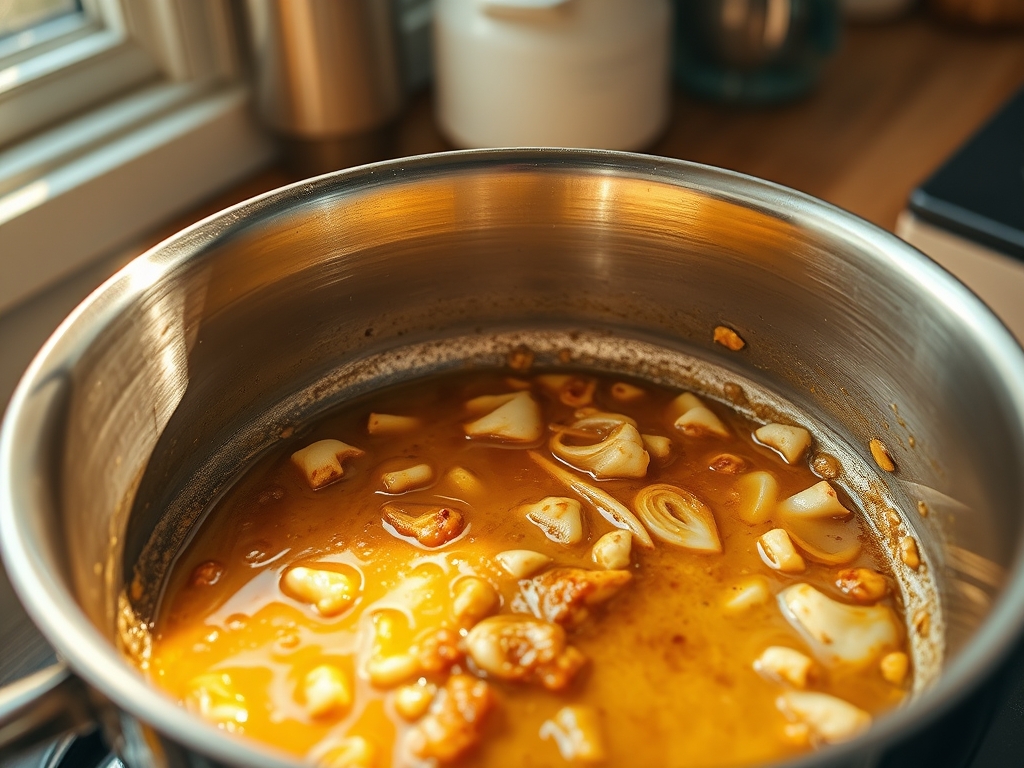
Place your heavy-bottomed stainless steel saucier or a specialized stovetop popper on the burner. Add the oil and exactly three kernels. Set the heat to medium-high. This is your calibration phase.
Pro Tip: Using a digital scale to measure your oil ensures a perfect ratio; too much oil leads to a greasy mouthfeel, while too little prevents the heat from conducting evenly across the pericarp.
2. The Trigger Event
Once the three calibration kernels achieve their Popcorn Expansion Sound, the oil has reached the target range of 180 to 190 degrees Celsius. Immediately add the remaining kernels in a single, even layer and remove the vessel from the heat for exactly thirty seconds.
Pro Tip: This "off-heat" interval allows the internal temperature of every kernel to equalize. This synchronization ensures that once you return to the heat, the expansion happens in a rapid, concentrated burst rather than a slow, staggered failure.
3. Agitation and Venting
Return the vessel to the heat. As the rhythmic popping intensifies, maintain constant agitation. If using a standard pot, keep the lid slightly ajar to allow steam to escape while preventing kernel projectiles.
Pro Tip: Steam is the enemy of crispness. If you do not aerate the vessel during the expansion phase, the trapped moisture will "tough up" the starch matrix, turning your light foam into a chewy, rubbery disappointment.
4. The Butter Emulsification
While the kernels expand, melt your butter in a small saucier until the solids begin to render and turn slightly golden. Once the popping slows to one burst every three seconds, kill the heat and transfer the popcorn to a wide stainless steel bowl.
Pro Tip: Use a bench scraper to toss the popcorn while drizzling the butter. This mechanical action ensures an even distribution of lipids across the increased surface area without crushing the delicate structures.
Section B: Prep & Timing Fault-Lines:
Human error usually manifests in "The Stall." If you leave the popcorn on the heat for even ten seconds after the popping slows, the bottom layer will undergo a rapid Maillard reaction that quickly turns to carbonization. Your ears are the primary sensor here. The Popcorn Expansion Sound must be a continuous roar. If it becomes a sporadic click, your window of opportunity has closed. Use a timer to track your specific stove's performance for future repeatability.
THE VISUAL SPECTRUM
Section C: Thermal & Visual Troubleshooting:
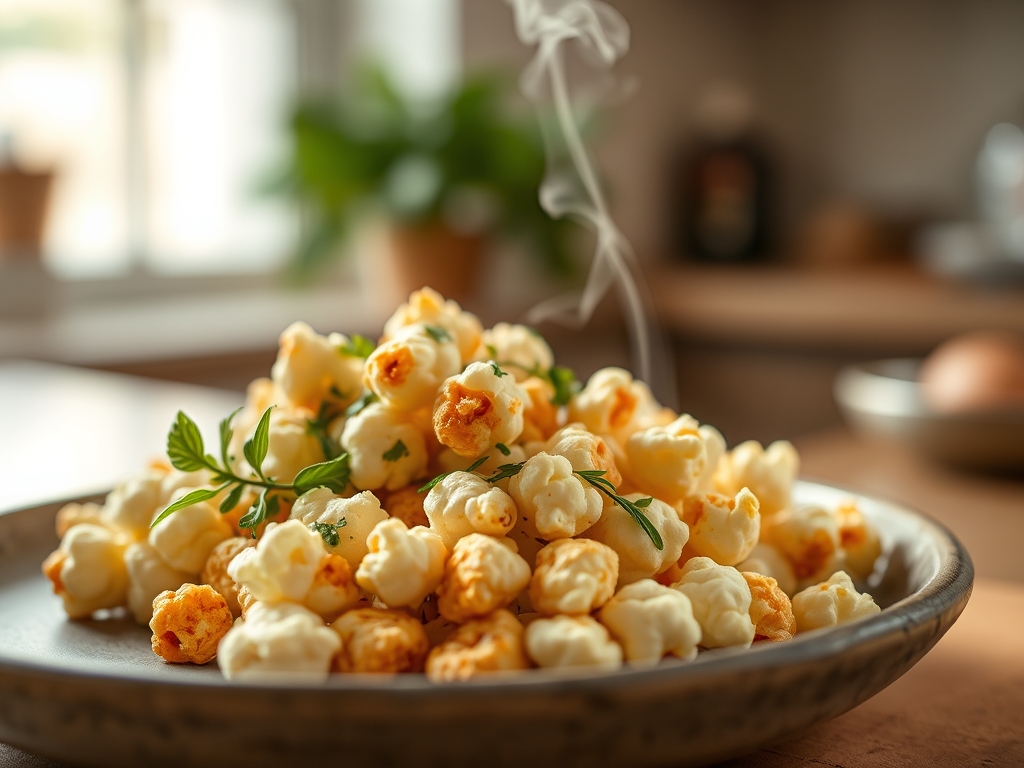
Referencing the Masterclass photo, observe the stark white, "butterfly" morphology of the expanded starch. If your popcorn looks yellowed or shriveled, your heat was too low, causing the starch to cook rather than explode. If you see dark brown flecks on the white "wings," your oil was scorched. The texture should be brittle and shatter upon dental impact. If it feels "stale" immediately, you failed to vent the steam properly during the expansion. Ensure the salt is fine enough to lodge in the crevices of the starch; standard table salt is too heavy and will simply migrate to the bottom of the bowl.
THE DEEP DIVE
Macro Nutrition Profile:
A standard 4-cup serving (air-popped equivalent) contains approximately 120 calories, 4g of fiber, and 3g of protein. However, our lipid-heavy protocol increases the caloric density to roughly 250 calories per serving. Maize is a whole grain, providing significant polyphenols and antioxidants, provided they are not destroyed by excessive heat.
Dietary Swaps:
- Vegan: Replace butter with a high-quality coconut oil infused with turmeric for color or a nutritional yeast slurry to mimic the piquant profile of cheese.
- Keto: Popcorn is relatively high in carbohydrates; limit intake to 1 cup or swap for roasted pili nuts to maintain ketosis.
- GF: Naturally gluten-free, but ensure your salt or seasonings are not processed in facilities with wheat.
Meal Prep & Reheating Science:
Popcorn is a "live" structure that degrades quickly. To maintain molecular integrity for 24 hours, store in an airtight bag with all oxygen squeezed out. To reheat, avoid the microwave; it excites water molecules and makes the starch rubbery. Instead, use a convection oven at 120 degrees Celsius for five minutes to render out any absorbed moisture and restore the crisp matrix.
THE KITCHEN TABLE
Why is my popcorn always chewy?
You are trapping steam. If the lid is sealed tight, the evaporating moisture re-hydrates the starch foam. Keep the lid cracked or use a mesh splatter screen to let the steam escape while the kernels expand.
What is the best oil for high-volume popping?
Grapeseed oil is the gold standard for its neutral flavor and high smoke point. It allows the natural toasted corn aroma to dominate without adding the heavy, greasy scent associated with cheaper vegetable oil blends.
Can I add sugar during the popping phase?
Only if you want a sticky, burnt mess. Sugar carbonizes at the temperatures required for the Popcorn Expansion Sound. Add sweeteners only after the expansion is complete, or use a specialized "kettle corn" technique with constant high-speed agitation.
How do I get the salt to actually stick?
Standard salt is too large. Use a spice grinder or mortar and pestle to pulverize your salt into a microscopic powder. This "flour salt" will adhere to the oily surface of the popcorn through simple surface tension.