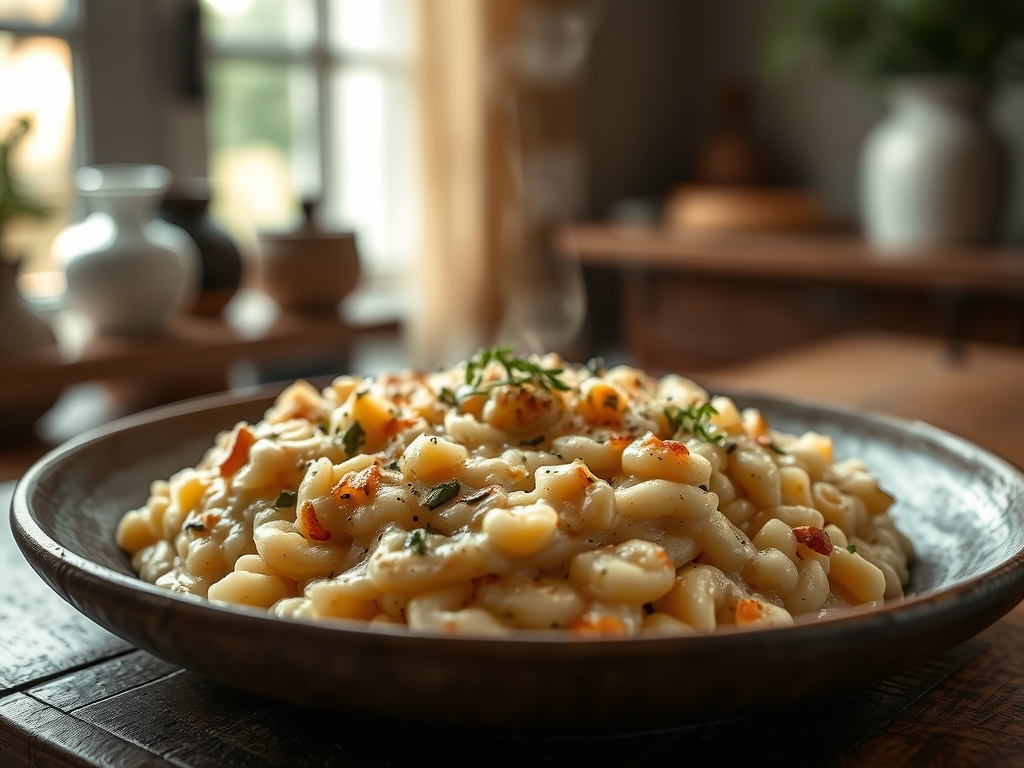
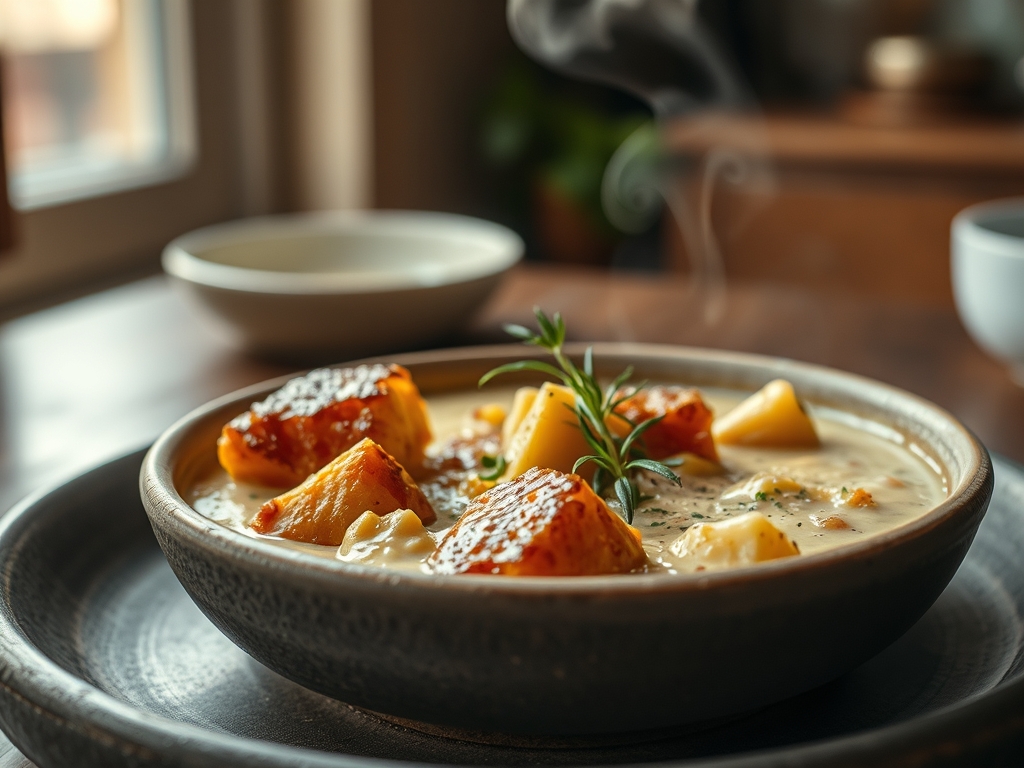
Stop treating your soup like a beverage and start treating it like a structural engineering project. When we discuss Chowder Particle Density, we are not just talking about "chunky" food; we are analyzing the volumetric ratio of suspended solids to the silkiness of the base. A true high-utility chowder is a masterclass in hydraulic suspension. It requires a viscous liquid capable of holding heavy proteins and dense starches in a state of perpetual levitation. If your clams or potatoes are sinking to the bottom of the bowl like tectonic plates, your infrastructure has failed. We want a bowl where every spoonful offers a calculated distribution of texture; a piquant landscape of salt-cured pork, tender mollusks, and starch-locked tubers. This is the difference between a thin, watery failure and a culinary monument. We are here to build a soup that has gravity, presence, and a mouthfeel that demands respect. Let us calibrate your kitchen for maximum density and flawless execution.
THE DATA MATRIX
| Metric | Specification |
|---|---|
| Prep Time | 45 Minutes |
| Execution Time | 60 Minutes |
| Yield | 4 Liters / 1.05 Gallons |
| Complexity (1-10) | 7 |
| Estimated Cost per Serving | $3.50 – $4.25 |
THE GATHERS
Ingredient Protocol:
- 225g / 8oz Salt Pork or Thick-Cut Bacon, finely diced
- 45g / 3 tbsp Unsalted Butter (High Fat Content)
- 2 large Yellow Onions (approx. 400g), finely diced
- 3 stalks Celery (approx. 150g), sliced into uniform crescents
- 45g / 6 tbsp All-Purpose Flour
- 950ml / 4 cups Clam Juice or High-Quality Seafood Stock
- 1.2kg / 2.6lbs Yukon Gold Potatoes, peeled and cut into 1cm cubes
- 700ml / 3 cups Heavy Cream (minimum 36% milkfat)
- 900g / 2lbs Fresh or High-Quality Canned Chopped Clams (strained)
- 2g / 1 tsp Dried Thyme
- 1 Bay Leaf
- 5ml / 1 tsp Worcestershire Sauce
- To taste: Kosher Salt and Freshly Cracked Black Pepper
Section A: Ingredient Quality Audit:
The primary failure point in Chowder Particle Density is the potato selection. Using Russets will lead to a structural collapse; the high starch content causes the edges to disintegrate, turning your chowder into a grainy mash. Use Yukon Golds for their waxy resilience. If your clams are "rubbery," they were likely pre-cooked or over-processed. To fix sub-par canned clams, soak them in cold milk for 20 minutes before adding to the pot to neutralize metallic "tinny" notes. If your cream is too thin, do not add more flour. Instead, temper in a small amount of instant potato flakes to boost the viscosity without altering the flavor profile.
THE MASTERCLASS
1. The Lipid Extraction Phase
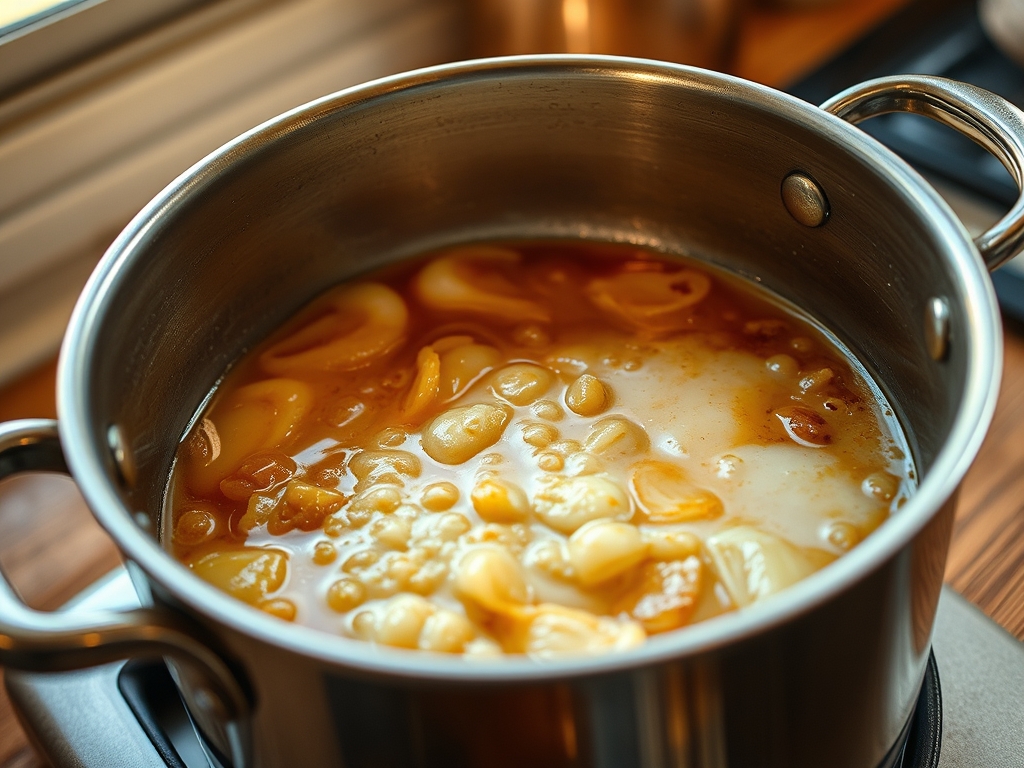
Place your diced salt pork into a heavy-bottomed saucier or Dutch oven over medium-low heat. You are looking to render the fat slowly until the pork bits are golden and crisp. This is not just about flavor; the rendered fat serves as the chemical foundation for your roux. Use a bench scraper to ensure all bits are moved from the cutting board to the pot without losing the precious salt-cured essence.
Pro Tip: Low and slow rendering prevents the fat from reaching its smoke point. This ensures the lipids remain "clean" and white, which is essential for the aesthetic purity of a traditional white chowder.
2. Aromatics and the Maillard Bridge
Add the butter to the rendered pork fat, followed by the onions and celery. Sauté until the onions are translucent but not browned. We want to infuse the fat with the aromatics without creating the bitter notes associated with caramelization. This is a sweat, not a sear. Use a digital scale to ensure your onion-to-celery ratio is precise; balance is the enemy of mediocrity.
Pro Tip: Adding a pinch of salt during this stage uses osmosis to draw moisture out of the vegetables, allowing them to soften faster without browning.
3. The Roux and Hydration
Sprinkle the flour over the fat-soaked vegetables. Stir constantly for 3 minutes to cook out the raw flour taste. Slowly deglaze the pan by adding the clam juice in small increments, whisking vigorously to prevent lumps. The goal is a smooth, viscous slurry that will eventually support your suspended solids.
Pro Tip: Adding liquid in stages allows the starch granules in the flour to hydrate evenly, creating a more stable emulsion that won't break when the cream is added later.
4. Tectonic Starch Alignment
Add the cubed potatoes, thyme, and bay leaf. Ensure the liquid just covers the potatoes. Simmer gently until the potatoes are "fork-tender" but still hold their geometric integrity. If you overcook them now, the Chowder Particle Density will suffer as the particles turn to silt.
Pro Tip: Use a digital thermometer to keep the liquid at a steady 190 degrees Fahrenheit (88 Celsius). Boiling too hard will agitate the potatoes and cause them to shed excess starch, ruining the clarity of the base.
5. The Final Suspension
Lower the heat to a minimum. Stir in the heavy cream and the clams. Heat through for only 3 to 5 minutes. Do not let the soup reach a boil once the clams and cream are added. The clams should be tender, not chewy, and the cream should aerate slightly as you stir, giving the soup a luxurious, pillowy loft.
Pro Tip: This is the "Goldilocks Zone" of temperature. If you go too hot, the proteins in the clams will tighten into rubber balls. If you stay too cool, the fat in the cream won't fully integrate with the roux.
Section B: Prep & Timing Fault-Lines:
The most common human error is the "Rushed Roux." If you don't cook the flour long enough, the soup will taste like wet cardboard. Conversely, if you add the cream too early while the potatoes are still hard, the calcium in the cream can actually prevent the potatoes from softening properly. Timing is everything. Use a kitchen timer for the potato simmer; do not trust your "gut." Your gut is not a precision instrument.
THE VISUAL SPECTRUM
Section C: Thermal & Visual Troubleshooting:
Referencing the Masterclass photo, notice the "Particle Distribution." The potatoes and pork are visible just beneath the surface, not buried at the bottom. If your chowder looks "flat" or dull, it lacks acidity. A teaspoon of lemon juice or a dash of piquant hot sauce can brighten the visual and flavor profile instantly. If you see oil slicking on the surface, your emulsion has broken. To fix this, whisk in a splash of cold cream off the heat to "re-tighten" the molecular bonds. The color should be an ivory white, not a stark paper white; the latter suggests a lack of proper fat rendering and aromatic sweating.
THE DEEP DIVE
Macro Nutrition Profile:
A standard 300ml serving delivers approximately 450 calories, 32g of fat, 28g of carbohydrates, and 18g of protein. It is a high-density fuel source designed for labor-intensive environments.
Dietary Swaps:
- Vegan: Replace salt pork with smoked paprika-rubbed mushrooms; use coconut cream and a vegetable-based "no-clam" broth. Use a cornstarch slurry instead of a flour roux for a cleaner finish.
- Keto: Eliminate the potatoes and replace them with diced cauliflower stems. Use xanthan gum (sparingly) instead of flour to achieve the desired viscosity.
- GF: Use a 1-to-1 gluten-free flour blend or heavy cream reduction to thicken.
Meal Prep & Reheating Science:
Chowder is notorious for "tightening" in the fridge as the starches continue to hydrate. When reheating, do not use a microwave. The uneven electromagnetic waves will toughen the clams. Instead, reheat on a stovetop over low heat, adding a splash of milk or stock to restore the original Chowder Particle Density.
THE KITCHEN TABLE
Why is my chowder grey?
You likely used a cast iron pot that wasn't perfectly seasoned or over-browned your onions. Stick to stainless steel or enameled cast iron to maintain that pristine ivory infrastructure.
Can I use frozen clams?
Yes, but thaw them in the refrigerator first and reserve all the "liquor" that escapes during thawing. That liquid is flavor gold; do not discard it.
How do I get perfectly uniform potato cubes?
Use a mandoline to slice the potato into planks first, then stack and cut. Precision in geometry leads to precision in cooking times.
My soup is too thick; help!
The starch-to-liquid ratio is off. Whisk in more clam juice or whole milk half a cup at a time until the suspension is fluid but still coats the back of a spoon.