Listen to the sound of a high pressure emulsion breaking against the side of a stainless steel bowl. It is the sound of culinary victory. We are not here to discuss thin, watery substitutes or the translucent disappointment of skimmed liquids. We are here to audit the heavyweight champion of the plant kingdom. Coconut Cream Fat is the structural backbone of high performance vegan patisserie and savory reduction. It is a viscous, pearlescent miracle that behaves with the structural integrity of heavy bovine cream but carries a tropical aromatic profile that can stand up to the most piquant chilies or the deepest dark chocolates. When you crack open a chilled can, you are looking at a stratified masterpiece of nature. The solid white cap is a dense matrix of medium chain triglycerides waiting to be whipped, folded, or rendered into a shimmering oil. This is the raw material of the gods. If you treat it with the respect its lipid density deserves, it will reward you with a mouthfeel that defies the laws of plant based physics. Let us begin the audit.
THE DATA MATRIX
| Metric | Specification |
|---|---|
| Prep Time | 15 Minutes |
| Execution Time | 45 Minutes |
| Yield | 4 Servings |
| Complexity (1-10) | 6 |
| Estimated Cost per Serving | $3.50 |
THE GATHERS
Ingredient Protocol:
- 400ml / 1.5 cups Full Fat Coconut Cream (Minimum 22% fat content)
- 200g / 1 cup Bittersweet Chocolate (70% Cacao)
- 50g / 0.25 cup Granulated Coconut Sugar
- 5ml / 1 tsp Pure Vanilla Bean Paste
- 2g / 0.5 tsp Maldon Sea Salt
- 30ml / 2 tbsp Espresso Concentrate
Section A: Ingredient Quality Audit:
The primary failure point in this protocol is lipid separation caused by low quality stabilizers. If your Coconut Cream Fat looks grainy or "curdled" upon opening, the manufacturer likely used excessive guar gum or carrageenan. To fix this, gently warm the entire contents in a small saucier over low heat while whisking constantly. This re-incorporates the solids into a homogenous liquid. If the cream is too thin, your fat-to-water ratio is inverted. You must chill the can for 24 hours and discard the watery "coconut water" at the bottom; only the solidified white cap should be used for high density applications.
THE MASTERCLASS
1. Thermal Stabilization of the Lipids
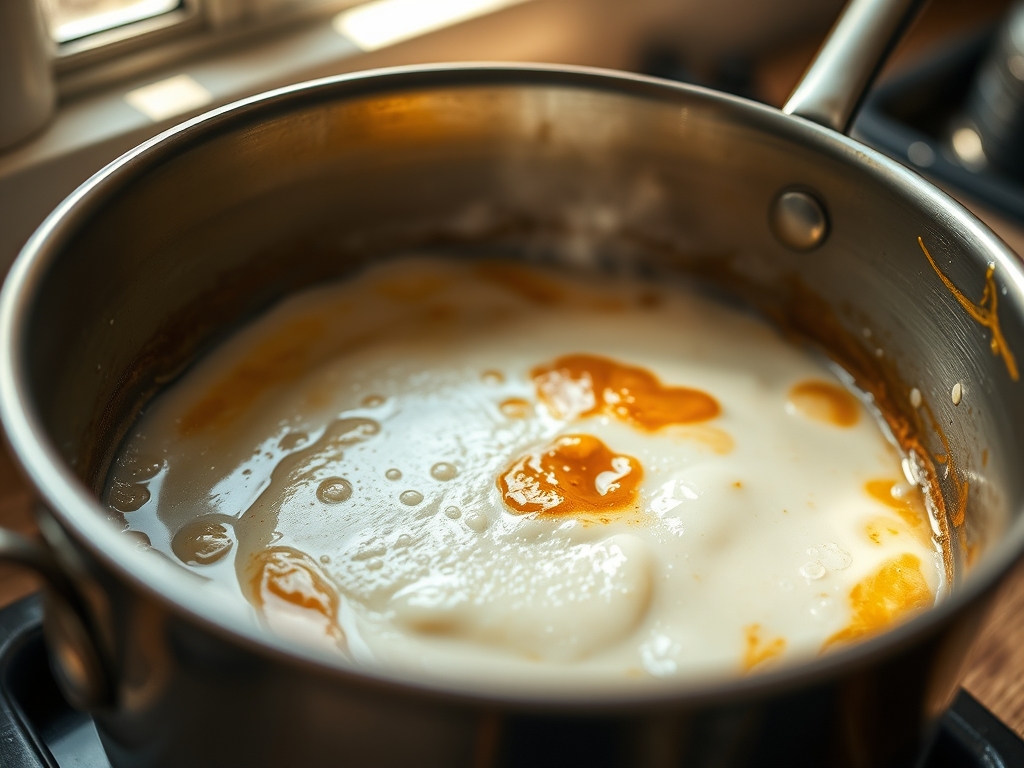
Place your stainless steel saucier on a digital scale and tare it to zero. Measure your Coconut Cream Fat precisely. Begin heating over a medium-low flame. You are not looking for a rolling boil; you want a gentle simmer to aerate the mixture and evaporate excess moisture.
Pro Tip: Use a digital infrared thermometer to ensure the liquid does not exceed 180 degrees Fahrenheit. Exceeding this temperature can cause the delicate fatty acids to oxidize, resulting in a soapy aftertaste. A heavy-bottomed saucier is essential here to prevent localized hot spots.
2. The Chocolate Infusion
Once the cream has reached the target temperature, remove it from the heat. Add the bittersweet chocolate and allow it to sit undisturbed for three minutes. This allows the heat from the Coconut Cream Fat to penetrate the cocoa butter solids without the need for mechanical agitation which can introduce unwanted air bubbles.
Pro Tip: Use a silicone spatula to stir from the center outward in small concentric circles. This creates a perfect emulsion. A professional bench scraper can be used to finely shave the chocolate beforehand, ensuring it melts at a uniform rate.
3. Incorporating the Flavor Matrix
Fold in the coconut sugar, vanilla bean paste, and espresso concentrate. The espresso acts as a chemical catalyst that heightens the perception of the chocolate's bitterness while the sugar provides the necessary grit for structural stability.
Pro Tip: Sift the coconut sugar through a fine-mesh sieve before adding. Even small clumps of unrefined sugar can create "sugar spots" in the final texture, ruining the silkiness of the high fat emulsion.
4. The Final Set and Temper
Pour the mixture into glass ramekins. Tap each ramekin firmly on the counter to release any trapped oxygen. Transfer to the refrigerator for at least four hours. This allows the triglycerides in the Coconut Cream Fat to crystallize and form a rigid, spoonable structure.
Pro Tip: For a professional finish, use a kitchen torch to briefly flash the surface of the set cream before serving. This creates a micro-layer of melted fat that catches the light, highlighting the "Visual Spectrum" cues of a perfectly executed audit.
Section B: Prep & Timing Fault-Lines:
Temperature control is the difference between a silk-like ganache and a greasy mess. If you add the chocolate to boiling cream, the fat will render out of the cocoa solids, causing the mixture to break. If this happens, you can sometimes rescue the emulsion by adding a teaspoon of cold coconut milk and whisking vigorously with a balloon whisk to re-establish the bond. Furthermore, rushing the cooling process in a freezer will cause uneven crystallization, leading to a rubbery exterior and a liquid center.
THE VISUAL SPECTRUM
Section C: Thermal & Visual Troubleshooting:
Referencing the Masterclass photo, your final product should exhibit a matte, deep mahogany finish with no visible oil slick on the surface. If you see a "sweating" effect, your kitchen humidity is too high or the dish was moved from the fridge to a warm room too quickly. If the color is dull or grayish, the chocolate was likely "bloomed" or old. To fix a dull appearance, a light dusting of high quality cocoa powder can mask visual inconsistencies. The texture should be firm enough to hold the mark of a spoon but soft enough to dissolve instantly on the tongue. If it is too hard, you have over-reduced the cream; if it is soupy, the fat content of your starting material was insufficient.
THE DEEP DIVE
Macro Nutrition Profile:
This dish is a powerhouse of saturated fats, specifically Lauric Acid. A single serving provides approximately 32g of fat, 18g of carbohydrates, and 4g of protein. It is a high-density fuel source designed for slow-burn energy.
Dietary Swaps:
- Vegan: Already compliant. Ensure your chocolate brand does not use milk solids.
- Keto: Replace coconut sugar with an erythritol or monk fruit blend. The high fat content makes this an ideal ketogenic fat bomb.
- GF: Naturally gluten-free.
Meal Prep & Reheating Science:
Maintaining the molecular structure during storage requires an airtight seal. Coconut Cream Fat is highly porous and will absorb odors from your refrigerator (like onions or garlic) within hours. To reheat, use a double boiler (bain-marie) on the lowest setting. Never microwave; the uneven electromagnetic waves will shatter the emulsion and leave you with a puddle of oil.
THE KITCHEN TABLE
Why did my coconut cream not whip?
The temperature was likely too high. Both the bowl and the cream must be chilled to near freezing. Without cold temperatures, the fat globules cannot trap air, resulting in a liquid mess instead of stiff peaks.
Can I use light coconut milk instead?
Absolutely not. Light coconut milk is simply full fat milk diluted with water. It lacks the necessary lipid density to create a stable emulsion or a creamy mouthfeel. Your recipe will fail to set.
My ganache is grainy. What happened?
This is usually caused by "seizing." A single drop of water entering the chocolate during the melting phase causes the sugars and fats to clump. Ensure all tools are bone-dry before beginning your audit.
How long does this stay stable in the fridge?
When stored in an airtight container, the high fat content acts as a natural preservative. It will maintain its molecular integrity and flavor profile for up to five days before the fats begin to oxidize.