Forget the watery, cloying syrups of your childhood. We are entering the realm of structural gastronomy where sugar is not just a sweetener; it is a structural scaffold. Creating a perfect preserve is an exercise in chemical engineering. You are managing a delicate three-way dance between acidity, sugar concentration, and the star of the show: Fruit Jam Pectin. Without this complex polysaccharide, you simply have a hot fruit soup. When you introduce heat, you are essentially initiating a molecular rescue mission. You are extracting long-chain molecules from cell walls and forcing them into a rigid, translucent lattice that traps liquid in a suspended state. This is the transition from liquid to semi-solid. It requires precision, a bit of culinary aggression, and an absolute refusal to settle for a weak set. We are looking for a spread that clings to the knife with a viscous, glass-like clarity and hits the palate with a piquant brightness. If your jam runs off the toast like a coward, you have failed the infrastructure audit. Let us build something permanent.
THE DATA MATRIX
| Metric | Specification |
|---|---|
| Prep Time | 20 Minutes |
| Execution Time | 35 Minutes |
| Yield | 1.5 Liters / 6.3 Cups |
| Complexity (1-10) | 6 |
| Estimated Cost per Serving | $0.45 |
THE GATHERS
Ingredient Protocol:
- 1.4 kg / 3 lbs Fresh Seasonal Fruit (Hulled and sliced)
- 1.2 kg / 6 cups Granulated White Sugar
- 60 ml / 4 tbsp Freshly Squeezed Lemon Juice
- 50 g / 1.75 oz High-Methoxy Fruit Jam Pectin
- 5 g / 1 tsp Unsalted Butter (Optional foam suppressant)
- 15 ml / 1 tbsp Calcium Water (If using low-methoxyl variants)
Section A: Ingredient Quality Audit:
The primary failure point in any preserve is the maturity of the raw material. Under-ripe fruit possesses high natural pectin but lacks the sugar development for a complex flavor profile. Conversely, over-ripe fruit is a structural nightmare; the enzymes have already begun breaking down the molecular chains you need for a firm set. If your fruit is too soft, compensate by increasing your Fruit Jam Pectin ratio by fifteen percent. If you are working with low-acid fruits like peaches or blueberries, the pH level will be too high for the pectin to bond. You must aggressively supplement with lemon juice or citric acid to drop the pH into the 2.8 to 3.3 range. This acidic environment neutralizes the negative charges on the pectin molecules, allowing them to finally touch and form a network.
THE MASTERCLASS
1. Maceration and Cellular Breakdown
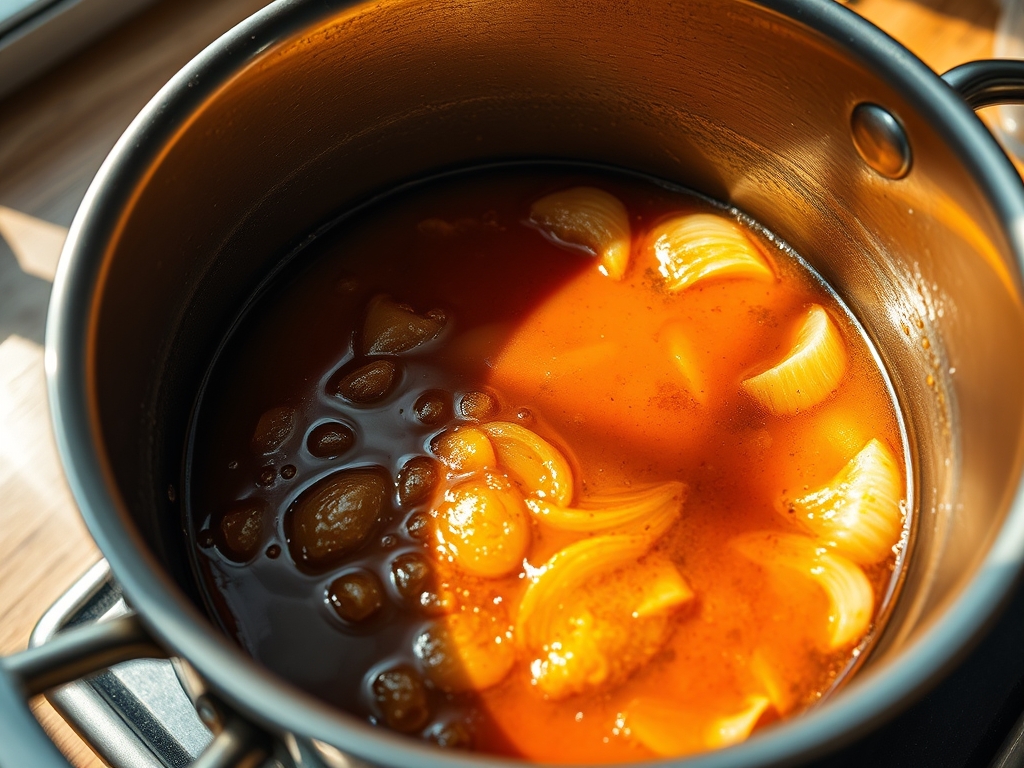
Place your fruit and lemon juice into a heavy-bottomed stainless steel saucier. Use a potato masher or a bench scraper to break down the fruit until it releases enough liquid to prevent scorching. Set the heat to medium-high and bring the mixture to a simmer.
Pro Tip: Using a digital scale to measure your fruit by weight rather than volume ensures the sugar-to-acid ratio is mathematically sound. This stage is about breaking down the hemicellulose in the cell walls to expose the natural fibers.
2. The Pectin Activation Phase
In a small bowl, whisk your Fruit Jam Pectin with a half-cup of the measured sugar. This prevents the pectin from "clumping" or forming "fish-eyes" when it hits the hot liquid. Rain this mixture into the simmering fruit while whisking vigorously.
Pro Tip: Pectin is hydrophilic. If you dump it in all at once, the outside hydrates and forms a waterproof shell around the dry interior. Whisking it with sugar acts as a physical spacer, ensuring every granule hydrates individually.
3. The Full Rolling Boil
Increase the heat to high. Bring the mixture to a "full rolling boil," which is defined as a boil that cannot be stirred down with a spoon. Once this state is reached, add the remaining sugar all at once. Stir constantly to ensure the sugar dissolves without caramelizing on the bottom of the pan.
Pro Tip: The addition of sugar is what triggers the dehydration of the pectin molecules. In a dilute solution, pectin prefers to bond with water. When you saturate the environment with sugar, the sugar "steals" the water, forcing the pectin molecules to bond with each other instead.
4. Reaching the Gel Point
Continue boiling hard for exactly one to two minutes. If you have a digital probe thermometer, you are looking for 104 degrees Celsius (220 degrees Fahrenheit) at sea level. This is the temperature where the sugar concentration reaches approximately 65 percent, the "goldilocks zone" for structural integrity.
Pro Tip: Use a chilled metal spoon for the "sheeting test." Dip the spoon into the boil and hold it sideways. If the drops merge and slide off in a single flat "sheet," the molecular bridge is complete.
5. Skimming and Finishing
Remove the saucier from the heat. If there is foam on the surface, stir in a tiny knob of butter to break the surface tension, or skim it off with a wide spoon. Let the mixture sit for five minutes before jarring to ensure the fruit pieces stay suspended rather than floating to the top.
Pro Tip: This resting period allows the viscosity to increase just enough to trap the fruit. If you jar too hot, the fruit will migrate to the lid, creating an uneven distribution of solids.
Section B: Prep & Timing Fault-Lines:
Timing is the silent killer in the kitchen. If you boil the mixture for too long, you risk "thermal degradation" of the pectin. This results in a "long set" that is more like thick honey than jam. If you do not boil it long enough, the sugar won't concentrate sufficiently, and you will end up with a weeping preserve. Always use a timer. Furthermore, never double a recipe in a single pot. The increased volume slows down the evaporation process, keeping the fruit under heat for too long and destroying the piquant, fresh flavor notes.
THE VISUAL SPECTRUM
Section C: Thermal & Visual Troubleshooting:
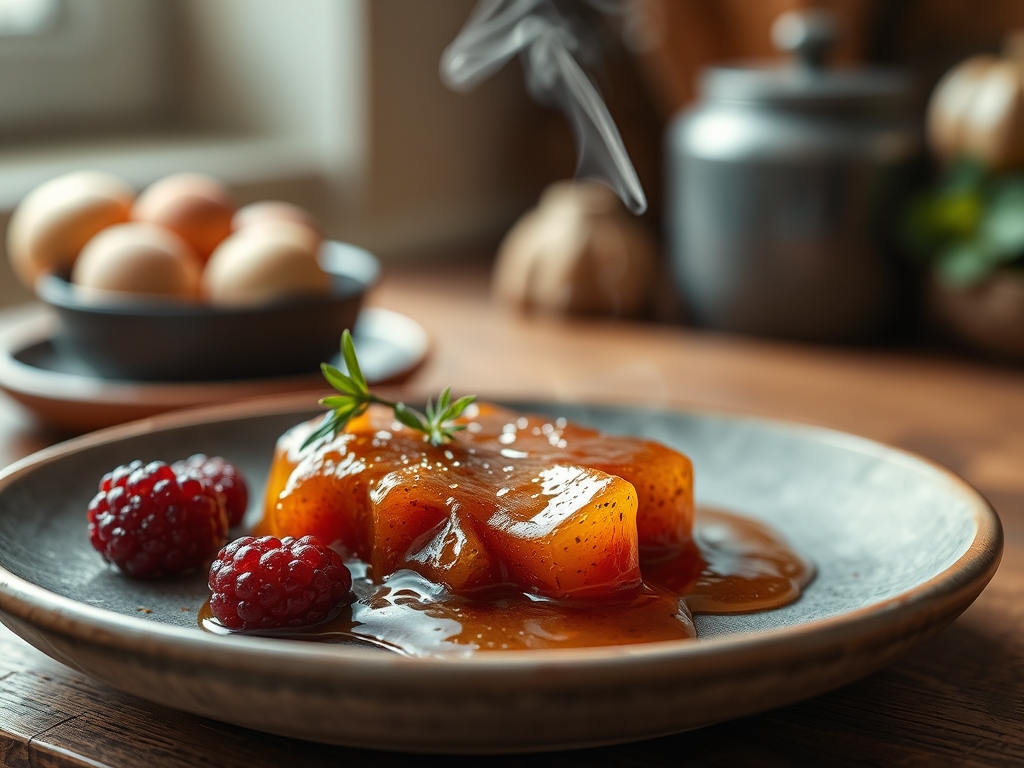
Look at the reference photo. Note the high-gloss finish and the way the light refracts through the gel. If your jam looks dull or cloudy, you likely over-stirred during the cooling phase, incorporating micro-bubbles. If the color is brown rather than vibrant red or purple, you have experienced oxidation or scorched the sugar. To maintain that jewel-toned clarity, keep the cooking process fast and furious. If you see "weeping" (syneresis) where water pools at the top of the jar after cooling, your pH was too low, causing the pectin network to contract too tightly and squeeze out the liquid. Adjust your acid levels in the next batch.
THE DEEP DIVE
Macro Nutrition Profile:
A standard 20g serving contains approximately 50 calories, 13g of carbohydrates (mostly simple sugars), and negligible protein or fat. While high in sugar, the fruit provides essential polyphenols and vitamin C, though some thermal degradation occurs during the boil.
Dietary Swaps:
- Vegan: Standard pectin is plant-derived (citrus peels or apples), making this naturally vegan.
- Keto: High-methoxy pectin requires sugar to set. For Keto, you must use "Low-Methoxyl" pectin, which reacts with calcium instead of sugar. Use erythritol or monk fruit as the sweetener.
- GF: Naturally gluten-free. Ensure your pectin brand is certified if cross-contamination is a concern.
Meal Prep & Reheating Science:
Jam is the ultimate meal prep. The high sugar concentration and acidity create an osmotic environment that is hostile to microbial growth. Store in a cool, dark place for up to a year. Once opened, refrigerate. Do not reheat the entire jar; the repeated thermal cycling will break down the pectin lattice, resulting in a runny mess.
THE KITCHEN TABLE
Why is my jam still liquid after 24 hours?
The set can take up to 48 hours to fully hydrate. If it is still liquid, your pH was likely too high. Re-boil with a splash more lemon juice and a teaspoon of Fruit Jam Pectin.
Can I use frozen fruit?
Yes. In fact, freezing breaks down the cell walls via ice crystal formation, which can actually help infuse the sugar more deeply into the fruit tissues. Just account for the extra water weight from frost.
Do I really need to skim the foam?
Foam is just trapped air and denatured proteins. It is not harmful, but it looks amateur. It creates a cloudy appearance and can harbor air that leads to faster oxidation in storage.
What is the best pot for jam?
Copper is traditional because it conducts heat instantly, but a heavy-bottomed stainless steel saucier is the professional standard. Avoid thin aluminum, which can react with the acid and impart a metallic tang.