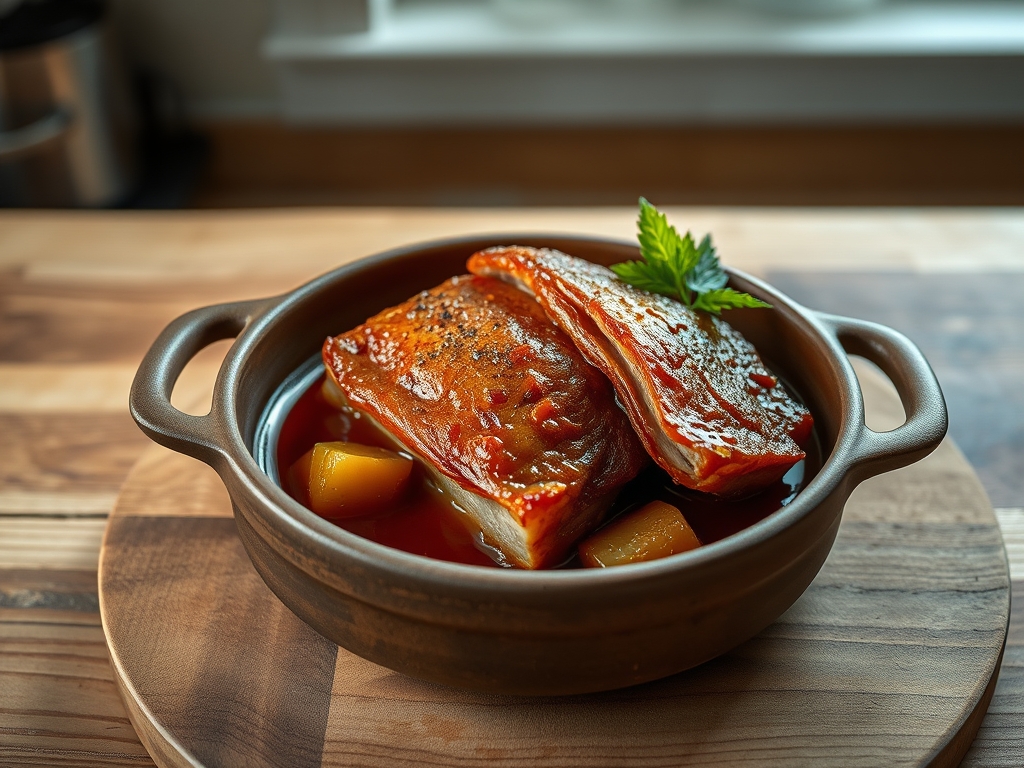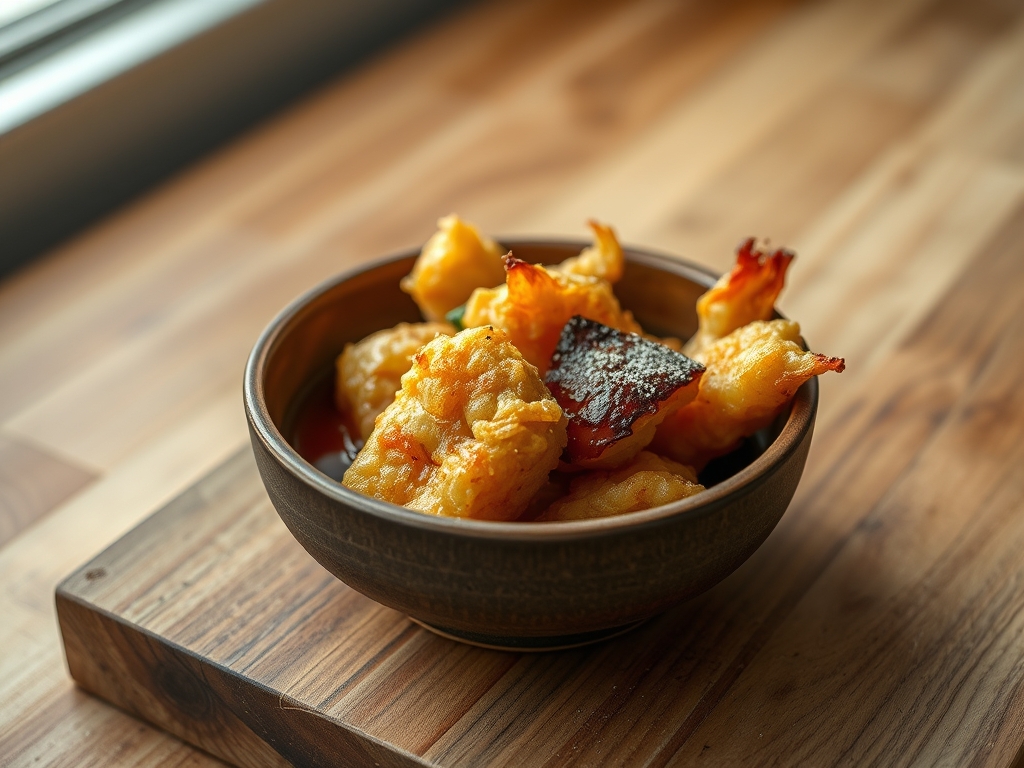
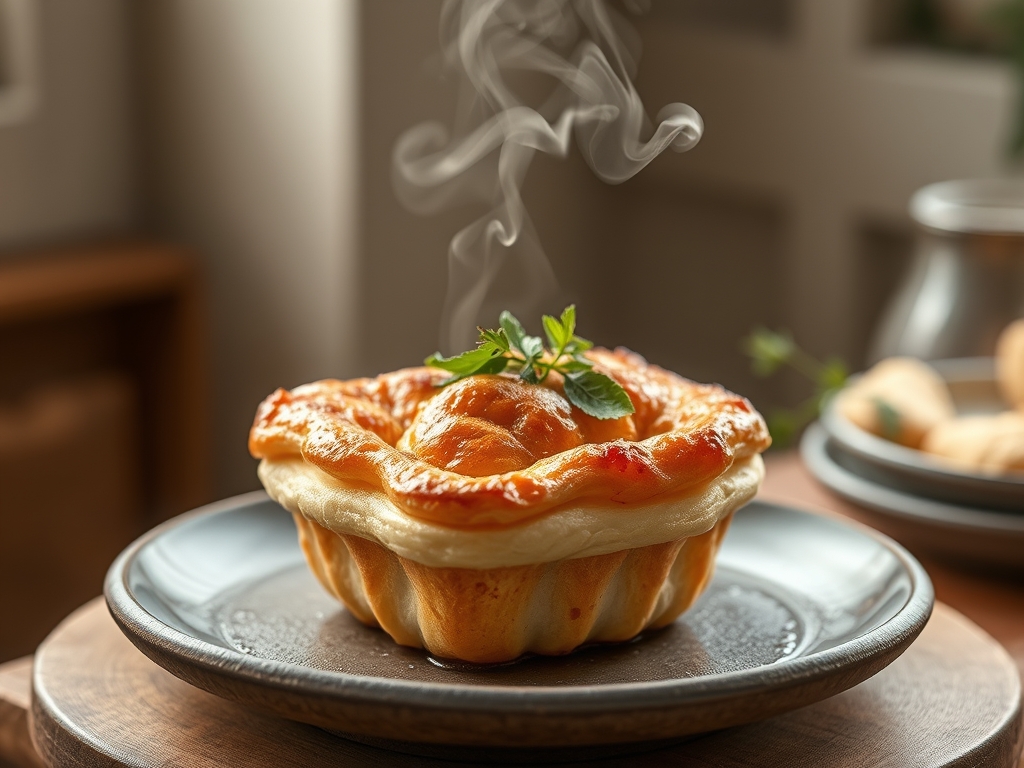
Listen to the sound of a thousand microscopic glass shards shattering simultaneously. That is the acoustic signature of a perfect Puff Pastry Par Bake. We are not just baking; we are engineering a structural masterpiece of laminated lipids and hydrated gluten. When the heat hits that cold butter, the water content flashes into steam, forcing the flour layers upward in a violent, beautiful expansion. This is the "puff" that separates the amateurs from the architectural elite. If your pastry resembles a dense, soggy shingle rather than a towering cathedral of golden flakes, your infrastructure has failed. We are here to audit those failures. We are looking for that specific shatter; the kind that coats your chin in buttery debris and leaves a trail of evidence across the table. By mastering the par bake, you lock in the structural integrity of the base before adding wet fillings, ensuring that your final product remains crisp, airy, and structurally sound. Let us calibrate the ovens and sharpen the bench scrapers. It is time for a technical audit of the flake.
THE DATA MATRIX
| Metric | Specification |
|---|---|
| Prep Time | 45 Minutes (Excluding Chilling) |
| Execution Time | 25 Minutes |
| Yield | 2 Large Sheets / 24 Tartlets |
| Complexity | 8 / 10 |
| Estimated Cost per Serving | $0.85 USD |
THE GATHERS
Ingredient Protocol:
- 500g / 4 cups All-Purpose Flour (Chilled)
- 10g / 2 tsp Fine Sea Salt
- 450g / 2 cups High-Fat European Butter (Minimum 82% Butterfat)
- 250ml / 1 cup Ice-Cold Water
- 5ml / 1 tsp Lemon Juice (To inhibit gluten elasticity)
- 1 Large Egg (For the protein-based wash)
Section A: Ingredient Quality Audit:
The primary failure point in a Puff Pastry Par Bake is the butter quality. Standard grocery store butter often contains too much water and not enough fat, leading to a "leaky" pastry that greases the pan rather than rising. Technical Fix: Source European-style butter with high plasticity. If your butter is too brittle, it will shatter inside the dough during the folding process, ruining the continuous layers. Conversely, if the flour is too high in protein (like bread flour), the dough will become too viscous and rubbery, resisting the steam expansion. Use a blend of pastry flour and all-purpose flour to achieve the perfect balance of strength and tenderness.
THE MASTERCLASS
1. The Detrempe Construction
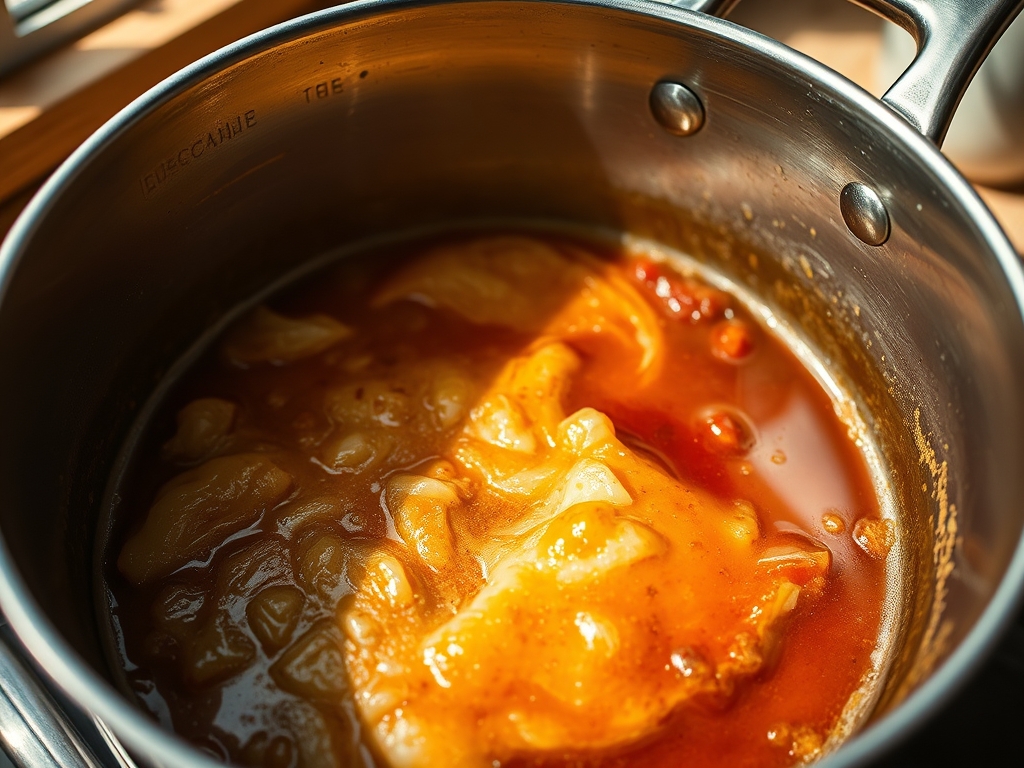
Combine your chilled flour and salt in a large stainless steel bowl. Incorporate the ice water and lemon juice rapidly. Do not overwork the dough; you are looking for a shaggy mass, not a smooth ball. Use a digital scale to ensure your ratios are exact, as even a 5% variance in hydration will alter the flake density.
Pro Tip: The lemon juice acts as a dough conditioner. The acidity weakens the gluten bonds just enough to make the dough extensible, preventing it from shrinking back during the rolling process.
2. The Beurre Manie Integration
Flatten your high-fat butter between two sheets of parchment paper into a precise square. Your dough and butter must be the same temperature and consistency. If the butter is harder than the dough, it will tear the layers. If it is softer, it will infuse into the flour and turn your puff pastry into shortcrust.
Pro Tip: Use a heavy rolling pin to "bash" the butter into a pliable state without melting it. Maintaining the solid state of the fat is critical for the eventual steam release.
3. The Lamination Sequence
Perform a series of "turns" (folding the dough like a letter). Between every two turns, the dough must rest in the refrigerator for at least 30 minutes. This allows the gluten to relax and the butter to re-solidify. Use a bench scraper to keep your edges perfectly square; 90-degree angles are the secret to even rising.
Pro Tip: Each turn geometrically increases the number of layers. By the sixth turn, you have created 729 distinct layers of flour and fat. Precision is non-negotiable.
4. The Par Bake Execution
Roll the dough to a 3mm thickness. Prick the surface with a docking tool or fork to prevent massive air bubbles from deforming the base. Place the pastry on a heavy-gauge baking sheet. Bake at 200C (400F) until the pastry has achieved its maximum height and a pale gold color.
Pro Tip: A saucier is not needed here, but a heavy baking stone placed on the bottom rack can help provide the intense initial heat required to flash the water into steam instantly.
Section B: Prep & Timing Fault-Lines:
The most common human error is rushing the chilling stages. If the dough feels "springy" or resists rolling, the gluten is over-stressed. Forcing it will result in a tough, chewy texture. Another fault-line is the "warm kitchen" syndrome. If your ambient temperature is above 22C (72F), the butter will begin to render prematurely. If this happens, stop immediately and move the operation to the freezer for ten minutes to reset the thermal baseline.
THE VISUAL SPECTRUM
Section C: Thermal & Visual Troubleshooting:
Referencing the Masterclass photo, look for the "honeycomb" cross-section. If the layers are fused together, the oven temperature was too low, or the dough was handled too much. If the exterior is dark brown but the interior is raw, the "carry-over" heat was insufficient.
Uneven Browning: This indicates "hot spots" in your oven. Rotate the tray 180 degrees halfway through the par bake.
Dull Color: A lack of sheen usually means the egg wash was too thick or applied too early. Use a pastry brush to apply a thin, even layer of egg mixed with a pinch of salt to aerate the surface proteins for a high-gloss finish.
Collapsed Layers: This happens when the pastry is taken out too soon. The internal steam must be replaced by air to "set" the structure.
THE DEEP DIVE
Macro Nutrition Profile:
Puff pastry is calorically dense, primarily driven by the high lipid content. A standard serving contains approximately 15g of fat, 20g of carbohydrates, and 3g of protein. It is a vehicle for flavor, not a primary source of micronutrients.
Dietary Swaps:
- Vegan: Replace European butter with a high-quality plant-based butter block that has a high melting point (stearate-heavy). Avoid soft tub margarines.
- Gluten-Free: Use a high-quality 1-to-1 GF flour blend containing xanthan gum. Note that the layers will be more fragile and less "tall" due to the lack of gluten elasticity.
- Keto: This is notoriously difficult; however, using almond flour and mozzarella (Fathead dough style) can mimic the texture, though it will not technically "puff" via lamination.
Meal Prep & Reheating Science:
To maintain the molecular structure, never microwave par-baked puff pastry. The microwave vibrates water molecules, which softens the starch granules and turns the pastry into a rubbery mess. Reheat in a 175C (350F) oven to re-crisp the fats and evaporate any absorbed moisture.
THE KITCHEN TABLE
Why did my pastry shrink in the oven?
You likely failed to let the gluten relax. After the final roll, the dough needs at least 30 minutes of refrigeration to prevent the elastic fibers from snapping back when hit with heat.
Can I skip the lemon juice?
You can, but the acidity is a safety net. It breaks down the protein bonds slightly, making the dough much easier to roll out without it fighting back or tearing the delicate butter layers.
Why is there a pool of oil on my tray?
Your oven temperature was too low. The butter melted and leaked out before the flour structure could set. Ensure your oven is fully preheated to at least 200C (400F) before entry.
How long does par-baked pastry last?
Once cooled, store in an airtight container for up to 48 hours. For longer storage, freeze the raw laminated dough. The par-baked version is best used within a day for optimal structural integrity.