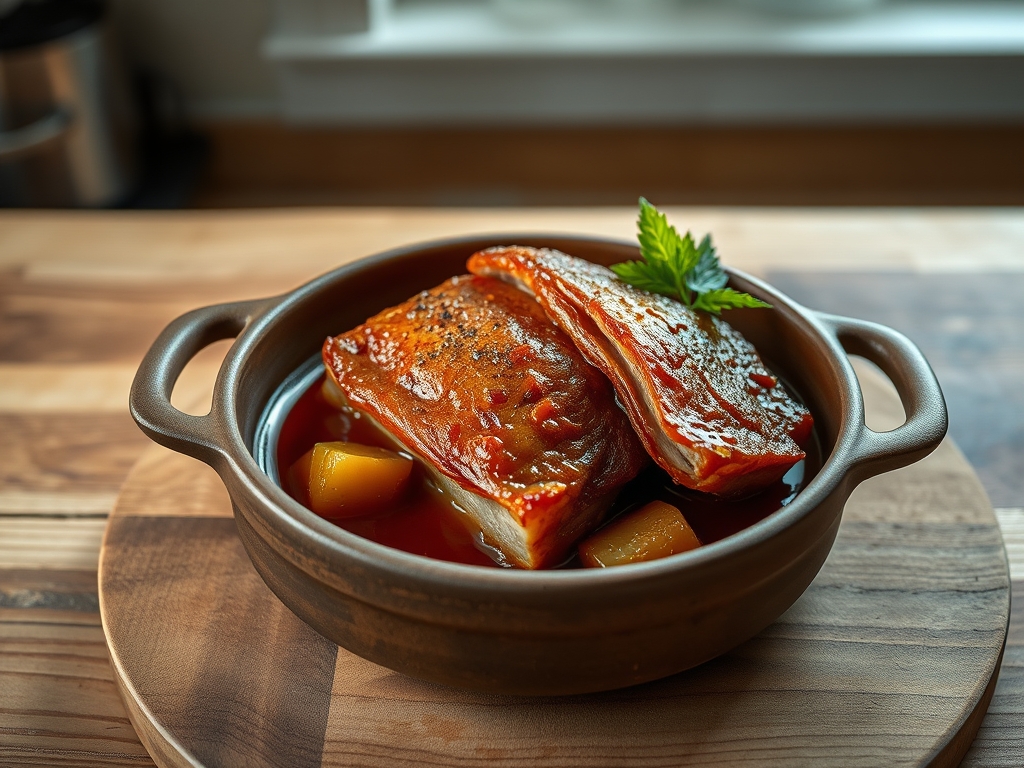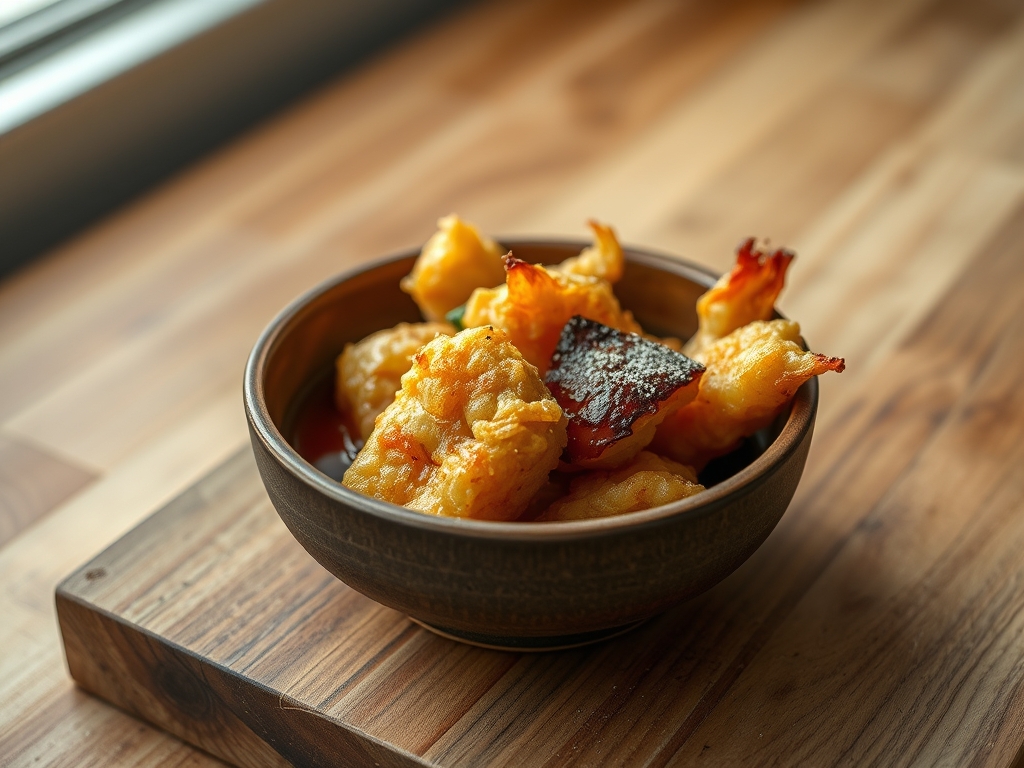
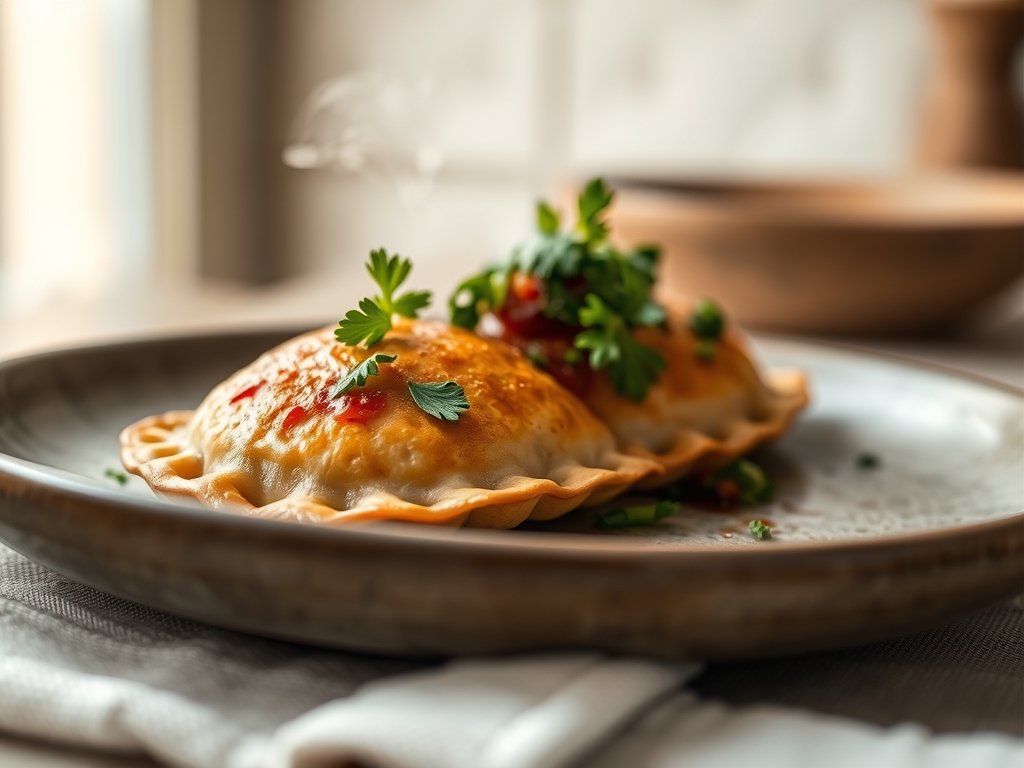
Listen up, culinary architects. We are not just making snacks; we are engineering pressurized flavor vessels. The Empanada Shell Bake is a masterclass in structural integrity and thermal dynamics. Imagine a golden, laminated armor that shatters upon impact, releasing a plume of aromatic steam that carries the concentrated essence of seasoned protein and rendered fats. This is the ultimate audit of the par-baked meat parcel. We are looking for that specific, high-frequency crunch that signals a perfectly dehydrated lipid-to-starch ratio. If your crust is flaccid or your filling is a soggy mess, you have failed the structural integrity test. We demand a shell that stands defiant against the internal moisture, maintaining its crisp architecture even as it cradles a molten, piquant core. This process requires precision, heat management, and a total refusal to accept mediocrity in your dough lamination. Prepare your stations; we are about to turn simple flour and fat into a high-performance delivery system for savory excellence.
THE DATA MATRIX
| Metric | Specification |
|---|---|
| Prep Time | 45 Minutes |
| Execution Time | 25 Minutes |
| Yield | 12 Units |
| Complexity (1-10) | 7 |
| Estimated Cost per Serving | $1.15 |
THE GATHERS
Ingredient Protocol:
- 500g / 4 cups All-Purpose Flour (High protein content preferred)
- 115g / 0.5 cups Unsalted Butter (Chilled to 4 degrees Celsius)
- 240ml / 1 cup Ice Cold Water
- 5g / 1 tsp Fine Sea Salt
- 1 Large Egg (For the protein-based wash)
- 500g / 1.1 lbs Ground Beef or Plant-Based Alternative
- 150g / 1 cup Diced White Onion
- 10g / 2 tsp Smoked Paprika
- 5g / 1 tsp Cumin Seeds (To infuse the oil)
Section A: Ingredient Quality Audit:
If your flour feels damp or clumps easily in the bag, its moisture content is too high, which will compromise the Empanada Shell Bake by preventing proper steam expansion. Fix this by slightly reducing the added water. If your butter is room temperature, you have already lost the war; warm butter integrates into the flour rather than forming the discrete pockets necessary to aerate the crust. Use a digital scale to ensure your ratios are exact. Sub-par spices that lack a vibrant aroma should be bloomed in hot fat to infuse and awaken their volatile oils before they hit the dough.
THE MASTERCLASS
1. The Lipid Integration
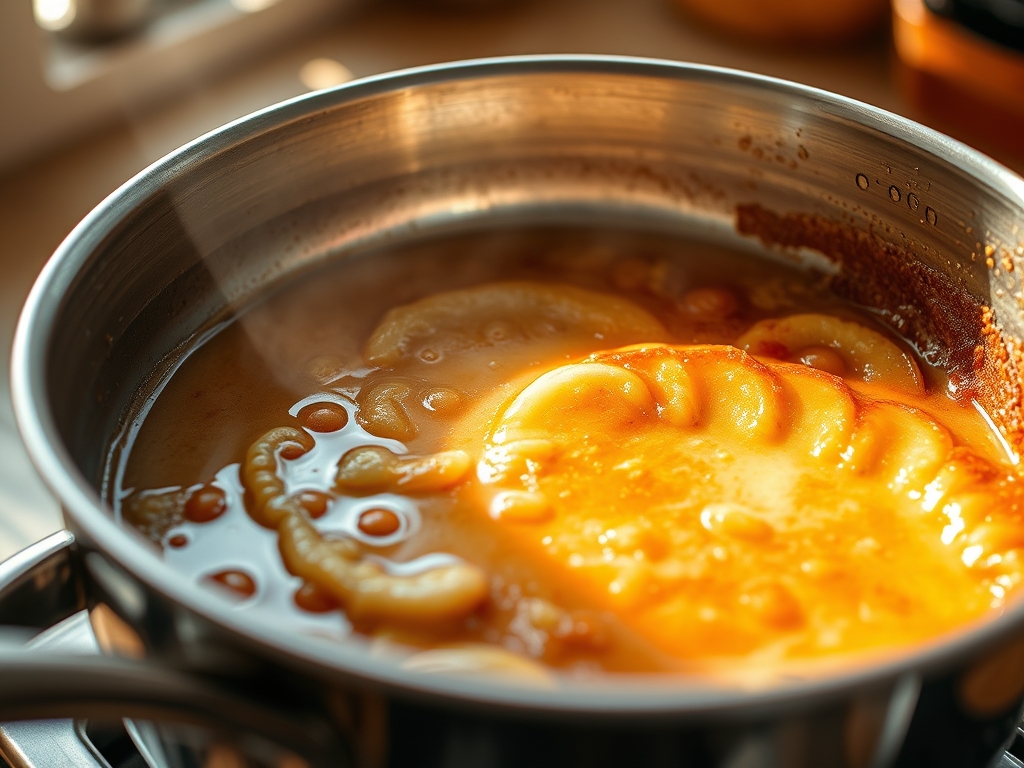
Begin by cutting your chilled butter into the flour and salt mixture. Use a bench scraper to hack the fat into pea-sized granules. You are looking for a sandy texture with visible chunks of butter remaining.
Pro Tip: The science here is simple; those chunks of fat will melt in the oven, creating steam pockets that force the dough layers apart. This creates the "lift" essential for a superior Empanada Shell Bake.
2. Hydration and Binding
Slowly incorporate the ice water, mixing just until a shaggy mass forms. Do not overwork the dough. If you develop too much gluten, your shell will be tough and bread-like rather than flaky.
Pro Tip: Use a chilled saucier or metal bowl to keep the ambient temperature low. Over-handling the dough transfers body heat, which melts the fat prematurely and ruins the lamination.
3. The Filling Render
In a heavy skillet, brown your meat over high heat to achieve the Maillard reaction. Render the fat completely and then deglaze the pan with a splash of beef stock or wine to capture every molecule of flavor.
Pro Tip: A dry filling is a failure, but a greasy filling ruins the crust. Drain excess fat but keep the mixture viscous by adding a pinch of flour or cornstarch to bind the juices.
4. Assembly and Sealing
Roll the dough to a 3mm thickness and cut into circles. Place a chilled spoonful of filling in the center, fold, and crimp the edges with a fork or a traditional "repulge" twist.
Pro Tip: Use your digital scale to weigh each portion of filling. Consistency in mass ensures that every unit in the batch finishes cooking at the exact same second.
5. The Thermal Strike
Brush the parcels with an egg wash and bake at 200 degrees Celsius (400 degrees Fahrenheit) until the exterior reaches a deep mahogany hue.
Pro Tip: The egg wash provides the proteins necessary for an intense Maillard reaction, giving you that professional, lacquered finish seen in high-end bakeries.
Section B: Prep & Timing Fault-Lines:
The most common failure in the Empanada Shell Bake is the "Soggy Bottom" syndrome. This occurs when the filling is added while still warm. Heat from the filling melts the raw dough fats, destroying the structural integrity before it even hits the oven. Always chill your filling to below 10 degrees Celsius before assembly. Furthermore, if your oven is not fully preheated, the fat will leak out of the dough rather than vaporizing into steam, resulting in a greasy, flat pastry.
THE VISUAL SPECTRUM
Section C: Thermal & Visual Troubleshooting:
Referencing the Masterclass photo, your goal is a variegated golden-brown surface with micro-blisters. If your shells are pale and matte, you likely skipped the egg wash or your oven temperature was too low to trigger the sugar caramelization. If the edges are burnt but the center is doughy, your dough was rolled too thick. Look for the "shatter factor" when you break a shell; it should produce clean, sharp shards. If it bends or tears like bread, you over-hydrated the flour or overworked the gluten network. Dull colors can be fixed by adding a pinch of sugar or honey to your egg wash to accelerate browning.
THE DEEP DIVE
Macro Nutrition Profile:
Each parcel typically contains 280 calories, 14g of protein, 18g of fat, and 22g of carbohydrates. The high fat content is a functional requirement for the pastry's texture, providing the necessary short-crust mouthfeel.
Dietary Swaps:
- Vegan: Replace butter with frozen coconut oil or high-quality vegan shortening. Use an aquafaba wash instead of egg.
- Keto: Utilize almond flour and xanthan gum, though the "shatter" texture will be replaced by a more dense, crumbly profile.
- GF: A 1:1 gluten-free flour blend works well, but requires an extra egg yolk to provide the structural elasticity missing from gluten.
Meal Prep & Reheating Science:
To maintain the molecular structure, never microwave these parcels. Microwaves excite water molecules inside the filling, steaming the crust from the inside out and turning it into rubber. Reheat in an air fryer or oven at 175 degrees Celsius to re-crisp the lipid layers and maintain the "snap" of the original bake.
THE KITCHEN TABLE
Why is my dough shrinking when I roll it?
Your gluten is over-stressed. The proteins have been worked into a tight spring. Cover the dough and let it rest in the refrigerator for 30 minutes to allow the protein strands to relax and lengthen.
Can I freeze these before baking?
Absolutely. Freeze them on a flat tray before bagging. Bake directly from frozen, adding five minutes to the total time. This actually helps the Empanada Shell Bake by keeping the fat cold longer, ensuring maximum steam expansion.
My empanadas are leaking in the oven!
This is a sealing failure. Ensure the edges of your dough are slightly moistened with water or egg wash before crimping. If the filling is too liquid, the internal steam pressure will find the weakest point and explode.
What is the best way to get a glossy finish?
Whisk your egg wash with a teaspoon of heavy cream and a pinch of salt. The salt breaks down the egg proteins for a smoother spread, while the cream adds fats that result in a high-gloss, professional sheen.