The smell of a failing crust is the scent of wasted potential; it is the olfactory signature of a structural collapse. We have all been there. You press a handful of sandy debris into a springform pan, pray to the gods of pastry, and emerge with a dessert that disintegrates upon the first strike of a fork. This is not just a culinary failure. It is an engineering catastrophe. A superior Graham Cracker Base is the bedrock of the pastry world; it is the load-bearing foundation that must support heavy cheesecakes, viscous lemon curds, and towering meringues without surrendering its crunch. We are looking for that perfect ratio where the melted lipids encapsulate every single microscopic crumb, creating a moisture barrier that defies the laws of soggy bottomed despair. When executed with precision, the base provides a piquant, honeyed snap that contrasts the creamy interior. It is time to stop guessing and start auditing your crumb. We are building a fortress of flavor, one millimeter of toasted wheat at a time.
THE DATA MATRIX
| Metric | Specification |
|---|---|
| Prep Time | 12 Minutes |
| Execution Time | 10 Minutes |
| Yield | One 9-inch (23cm) Base |
| Complexity (1-10) | 3 |
| Estimated Cost per Serving | $0.45 USD |
THE GATHERS
Ingredient Protocol:
- 300g / 2 cups Graham cracker crumbs (finely pulverized)
- 65g / 1/3 cup Granulated white sugar
- 115g / 1/2 cup Unsalted butter (high-fat European style preferred)
- 2g / 1/4 tsp Fine sea salt
- 1g / 1/4 tsp Ground cinnamon (optional for aromatic depth)
Section A: Ingredient Quality Audit:
The primary failure point in a Graham Cracker Base is the particle size of the crumb. If your crumbs are uneven, the butter cannot create a uniform emulsification of sugar and starch. If you find your crumbs are too large, do not attempt to "mash" them with a fork. Use a high-speed blender or food processor to achieve a texture resembling coarse sand. Another common issue is using "tub" margarine instead of high-quality butter. Margarine contains a high water content which will steam the crumbs rather than crisping them, leading to a structural failure known as "slumping." If your butter is too watery, render it down in a small saucier to cook off excess moisture before mixing. Finally, check your sugar. Large crystals of turbinado sugar will not melt fast enough during the blind bake; use standard granulated sugar to ensure proper sucrose binding.
THE MASTERCLASS
1. The Pulverization Phase
Place your crackers into a heavy-duty freezer bag and use a rolling pin, or better yet, a food processor to reduce them to a fine, uniform dust. Ensure there are no large fragments remaining.
Pro Tip: Use a digital scale to measure your crumbs by weight rather than volume. Crumb density varies wildly based on how tightly they are packed into a measuring cup. Precision weight ensures the exact lipid-to-starch ratio required for stability.
2. The Lipid Integration
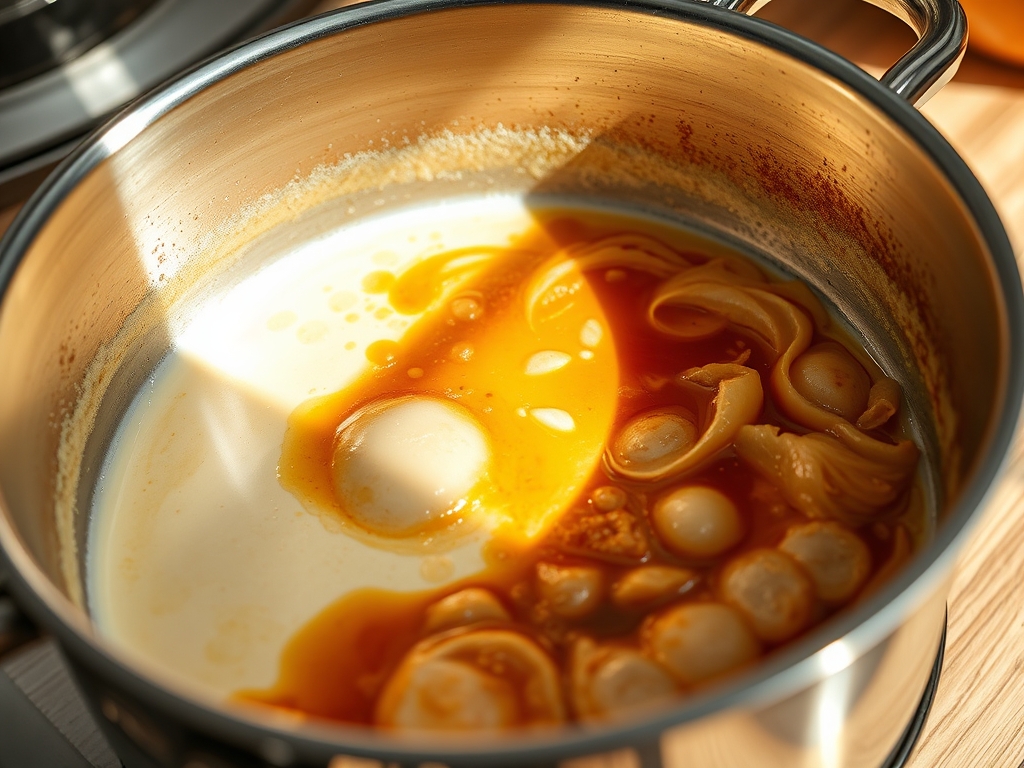
Melt your butter in a small saucier over low heat until it is fully liquid but not browned. Pour the butter over the dry mixture of crumbs, sugar, salt, and cinnamon. Use a silicone spatula to fold the mixture until it resembles wet sand.
Pro Tip: The butter acts as a hydrophobic barrier. By coating every crumb in fat, you prevent the moisture from your filling from migrating into the crust, which keeps the base crisp for days.
3. The Compression Audit
Transfer the mixture into your pan. Use the flat bottom of a heavy metal measuring cup or a professional tamper to press the crumbs firmly into the bottom and up the sides.
Pro Tip: Pressure is just as important as heat. Mechanical compression forces the sugar and butter into the gaps between the crumbs. Use a bench scraper to ensure the top edge of the crust is level and sharp.
4. The Thermal Set
Place the crust in a preheated oven at 350 degrees Fahrenheit (175 Celsius) for 8 to 10 minutes. You are looking for a slight darkening of color and a fragrant, toasted aroma.
Pro Tip: This stage initiates the Maillard reaction and melts the sugar. As the crust cools, the sugar recrystallizes, acting as a "glue" that locks the Graham Cracker Base into a rigid, shatter-resistant plate.
Section B: Prep & Timing Fault-Lines:
The most frequent timing error occurs during the cooling phase. Many chefs rush to fill a hot crust with a cold filling. This thermal shock causes the butter to seize unevenly, leading to cracks. You must allow the base to reach room temperature before introducing the filling. Furthermore, if you over-bake the base, the sugar will move past the stage of caramelization and into carbonization, resulting in a bitter, burnt aftertaste. If your oven has "hot spots," rotate the pan 180 degrees halfway through the bake to ensure even heat distribution.
THE VISUAL SPECTRUM
Section C: Thermal & Visual Troubleshooting:
Referencing the Masterclass photo, a successful Graham Cracker Base should exhibit a deep golden-tan hue, not a pale yellow or a dark mahogany. If you see "grease puddles" on the surface, your butter was likely too warm or your crumb was too coarse to absorb the lipids. If the edges are crumbling while the center is solid, your compression was uneven. Ensure the transition between the floor and the wall of the crust is a sharp 90-degree angle; rounded "coves" at the bottom indicate poor tamping. A dull, matte finish suggests you skipped the sugar or used a sugar substitute that does not melt. A slight sheen indicates the sugar has properly liquefied and coated the crumbs.
THE DEEP DIVE
Macro Nutrition Profile:
Per serving (1/8th of crust), you are looking at approximately 210 calories, 12g of fat, 24g of carbohydrates, and 2g of protein. This is a calorie-dense component designed for structural integrity and flavor delivery rather than weight management.
Dietary Swaps:
- Vegan: Substitute the butter with a high-quality vegan butter stick (avoid oil-based spreads) or refined coconut oil. Note that coconut oil has a lower melting point, so the crust must remain chilled.
- Gluten-Free: Utilize gluten-free Graham style crackers. These often require 10% more butter as GF flours tend to be more absorbent.
- Keto: Use almond flour mixed with cinnamon, erythritol, and melted butter. Skip the pre-bake or reduce it to 5 minutes as nut flours burn rapidly.
Meal Prep & Reheating Science:
A blind-baked Graham Cracker Base can be stored at room temperature for 48 hours if wrapped tightly in plastic to prevent it from absorbing atmospheric moisture. To maintain the molecular structure over longer periods, you can freeze the baked crust for up to 3 months. When reheating or defrosting, do so slowly; rapid temperature shifts can cause the sugar-butter matrix to become brittle and snap.
THE KITCHEN TABLE
Why is my crust falling apart when I cut it?
This usually indicates insufficient compression or a lack of sugar. The sugar acts as the primary binding agent once cooled. Ensure you press the mixture firmly with a flat-bottomed tool and do not skip the blind-bake step.
Can I use brown sugar instead of white?
Yes, brown sugar adds a deep molasses note and creates a slightly chewier texture due to its moisture content. However, white sugar provides a crisper, more structural snap. A 50/50 blend is often the professional choice for balance.
Why does my crust taste "dusty"?
A "dusty" mouthfeel means the butter was not evenly distributed. Ensure you infuse the crumbs thoroughly by mixing until no dry pockets remain. Using a saucier to melt the butter ensures even heat and easier pouring.
Do I really need to bake the crust first?
While "no-bake" recipes exist, they rely solely on chilled butter for stability. As soon as the cake reaches room temperature, it will crumble. Blind-baking creates a permanent sugar-bond that survives the serving process and enhances the flavor profile.