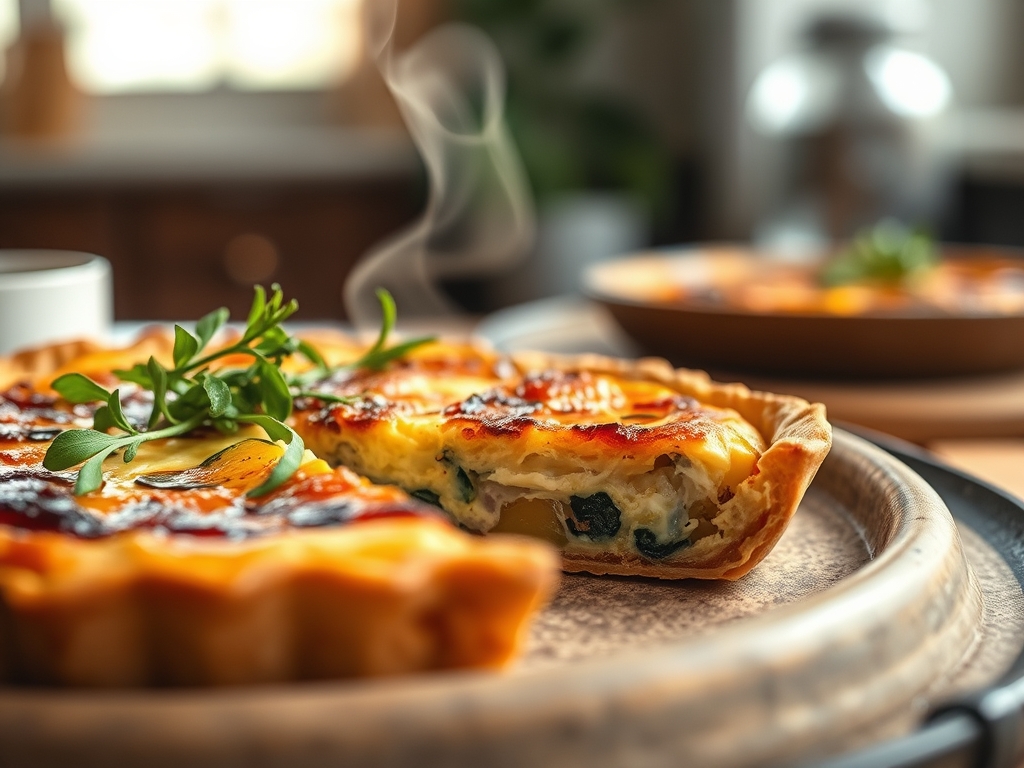
The sound of a shattered quiche crust is the ultimate culinary heartbreak. You spent hours sourcing the finest Gruyere and hand-whisking local cream; only to witness the structural collapse of your masterpiece as the custard seeps into a soggy, pale floor. This is not just a cooking failure; it is an engineering catastrophe. Achieving true Quiche Base Integrity requires more than a prayer to the oven gods. It demands a sophisticated moisture barrier strategy that separates the liquid custard from the delicate shortcrust. We are talking about building a hydrophobic shield that maintains its crunch even under the weight of a heavy, savory filling. Imagine a crust so crisp it shatters like glass, revealing a golden, buttery interior that has remained completely impervious to the viscous custard above. This is the infrastructure of a professional brunch. We are moving beyond the amateur realm of "good enough" and entering the domain of high-performance pastry physics. If your crust lacks structural resolve, your quiche is merely an omelet in a wet blanket. Let us fix that.
THE DATA MATRIX
| Metric | Specification |
|---|---|
| Prep Time | 45 Minutes |
| Execution Time | 60 Minutes |
| Yield | 1 x 23cm (9-inch) Tart |
| Complexity | 7/10 |
| Estimated Cost per Serving | $1.75 |
THE GATHERS
Ingredient Protocol:
- 250g / 2 cups All-purpose flour (low protein preferred)
- 150g / 1.25 sticks Unsalted butter (chilled to 4 degrees Celsius)
- 5g / 1 tsp Fine sea salt
- 60ml / 4 tbsp Ice-cold water
- 1 Large Egg yolk (for the moisture barrier wash)
- 15ml / 1 tbsp Heavy cream (for the wash)
Section A: Ingredient Quality Audit:
If your flour is too high in protein, such as a bread flour, your crust will develop excessive gluten and shrink during the bake. To fix this, replace 10% of the flour weight with cornstarch to lower the overall protein content. If your butter has a high water content (typical of budget brands), the steam release will be violent and cause the pastry to puff unevenly. Use European-style butter with at least 82% butterfat for a more stable render. If your water is not truly ice-cold, it will melt the fat globules prematurely; keep a bowl of ice cubes in your water and measure only the liquid to ensure the temperature remains near freezing.
THE MASTERCLASS
1. The Fat Integration Phase
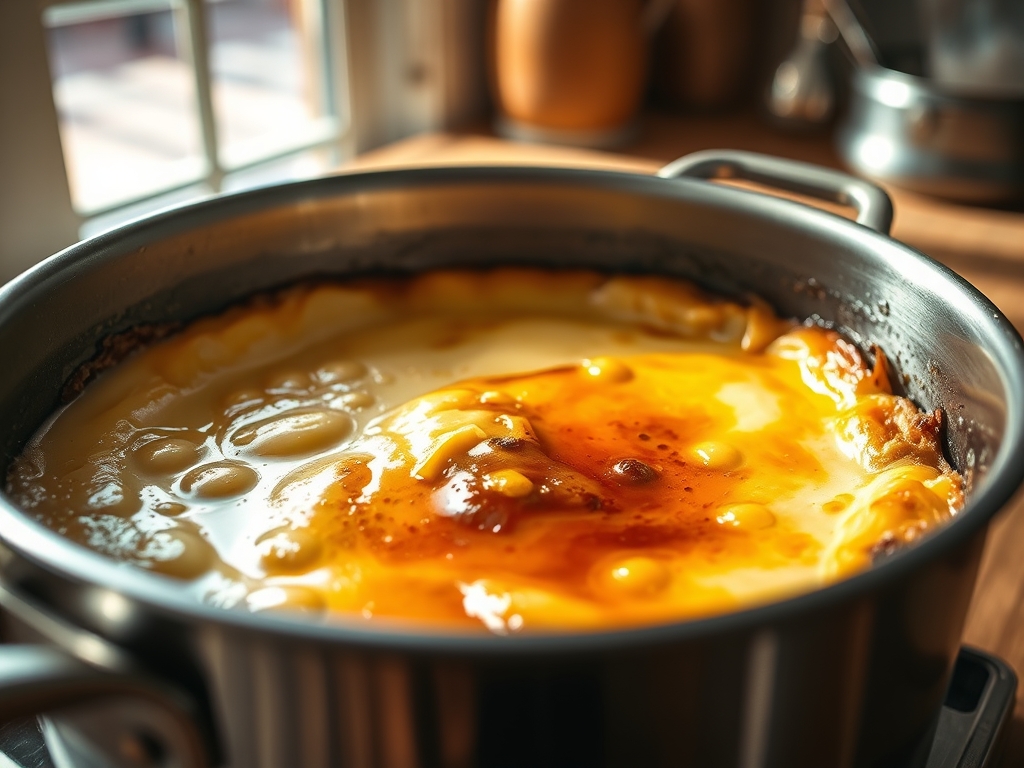
Begin by cutting your chilled butter into 1cm cubes. Use a bench scraper to toss the butter into the flour and salt mixture. Work the fat into the flour until the mixture resembles coarse breadcrumbs with a few pea-sized lumps remaining. This ensures that as the butter melts, it creates the laminated pockets necessary for a flaky texture.
Pro Tip: The science here is about lipid coating. By leaving some larger pieces of fat, you create steam vents that aerate the dough during the initial thermal shock, preventing a dense, leaden base.
2. Hydration and Binding
Slowly drizzle the ice water over the mixture while tossing with a fork. Do not knead. Press the dough together until it just holds. Wrap the disc in plastic and refrigerate for at least one hour. This allows the flour to fully hydrate and the gluten to relax, preventing the dreaded "shrink-back" in the oven.
Pro Tip: Use a digital scale to measure your water. Even a 5ml deviation can turn a flaky shortcrust into a sticky, unworkable mess that requires excess dusting flour, which toughens the final product.
3. The Structural Blind Bake
Roll the dough to a 3mm thickness and fit it into your tart tin. Prick the base with a fork to prevent air bubbles. Line with parchment paper and fill to the brim with ceramic baking beans. Bake at 200 degrees Celsius for 15 minutes. Remove the weights and bake for another 10 minutes until the base is matte and pale gold.
Pro Tip: Filling the weights to the very top of the rim is essential. It provides the physical counter-pressure needed to keep the sides from collapsing while the fats render and the proteins set.
4. The Moisture Barrier Application
This is the critical step for Quiche Base Integrity. Whisk the egg yolk and heavy cream in a small saucier or bowl. While the crust is still hot from the oven, brush a thin, even layer of this wash over the entire interior surface. Return the crust to the oven for 3 minutes to "set" the protein shield.
Pro Tip: The heat of the crust denatures the egg proteins instantly, creating a hydrophobic film. This film acts as a molecular sealant that prevents the liquid custard from migrating into the baked pastry pores.
Section B: Prep & Timing Fault-Lines:
The most common human error is rushing the cooling phase. If you pour cold custard into a piping hot, freshly washed crust, the thermal shock can crack the egg barrier. Conversely, if the crust is stone cold when you apply the wash, the egg will not bond correctly and may peel off. Aim for a "warm to the touch" crust before the final custard fill. Another fault-line is over-handling the dough; the heat from your palms will melt the butter, destroying the flaky infrastructure before it even hits the oven.
THE VISUAL SPECTRUM
Section C: Thermal & Visual Troubleshooting:
Look at the Masterclass photo above. Notice the "bisque" tan of the edges and the lack of dark brown spots on the floor. If your crust shows uneven browning, your oven likely has hot spots; rotate the tin 180 degrees halfway through the blind bake. If the base looks "wet" or translucent after removing the weights, it is underbaked. It should look like dry parchment. If the egg wash looks bubbly or thick, you applied too much; it should be a thin, glass-like sheen. A dull, greyish color indicates the flour was old or the dough was oxidized from sitting in the fridge for more than 48 hours.
THE DEEP DIVE
Macro Nutrition Profile
A single serving of this high-integrity base (1/8th of a tart) contains approximately 210 calories, 14g of fat, 18g of carbohydrates, and 3g of protein. While calorie-dense, the satiety provided by the high butterfat content means a smaller portion is often more satisfying than a low-fat alternative.
Dietary Swaps
- Vegan: Replace butter with a high-quality plant-based block (ensure it has a high melting point) and use a "flax egg" or a commercial starch-based wash for the barrier.
- Keto: Utilize almond flour and coconut flour bound with xanthan gum. The moisture barrier is even more critical here as nut flours are highly porous.
- GF: Use a 1:1 gluten-free flour blend containing rice flour and potato starch. Add an extra egg yolk to the dough to provide the structural "stretch" missing from gluten.
Meal Prep & Reheating Science
To maintain the molecular structure when reheating, avoid the microwave at all costs. The microwave excites water molecules, causing the moisture trapped in the custard to steam the crust from the inside out, destroying the barrier. Instead, use a 150 degree Celsius oven for 12 minutes. This gently warms the custard while "re-crisping" the outer fats of the crust.
THE KITCHEN TABLE
Why does my crust always shrink down the sides?
Shrinkage is usually caused by unrelaxed gluten or stretching the dough while lining the tin. Always let the dough rest, and "slump" the pastry into the corners rather than pulling it.
Can I use store-bought pie crust for this?
You can, but the Quiche Base Integrity will suffer. Commercial crusts often use vegetable shortening which lacks the structural rigidity and flavor profile of a high-butterfat shortcrust.
What if I don't have ceramic baking beans?
Dried rice or lentils work perfectly as a substitute. Just ensure you discard them afterward or keep them in a jar specifically labeled for "blind baking" use only.
How thick should the egg wash barrier be?
Think of it as a coat of varnish. It should be thin enough to be translucent but thick enough to cover every pin-prick and crack in the pastry floor.
Does the moisture barrier affect the flavor?
Minimally. The egg yolk and cream wash actually adds a slight piquant richness to the bite, enhancing the transition between the savory custard and the buttery crust.