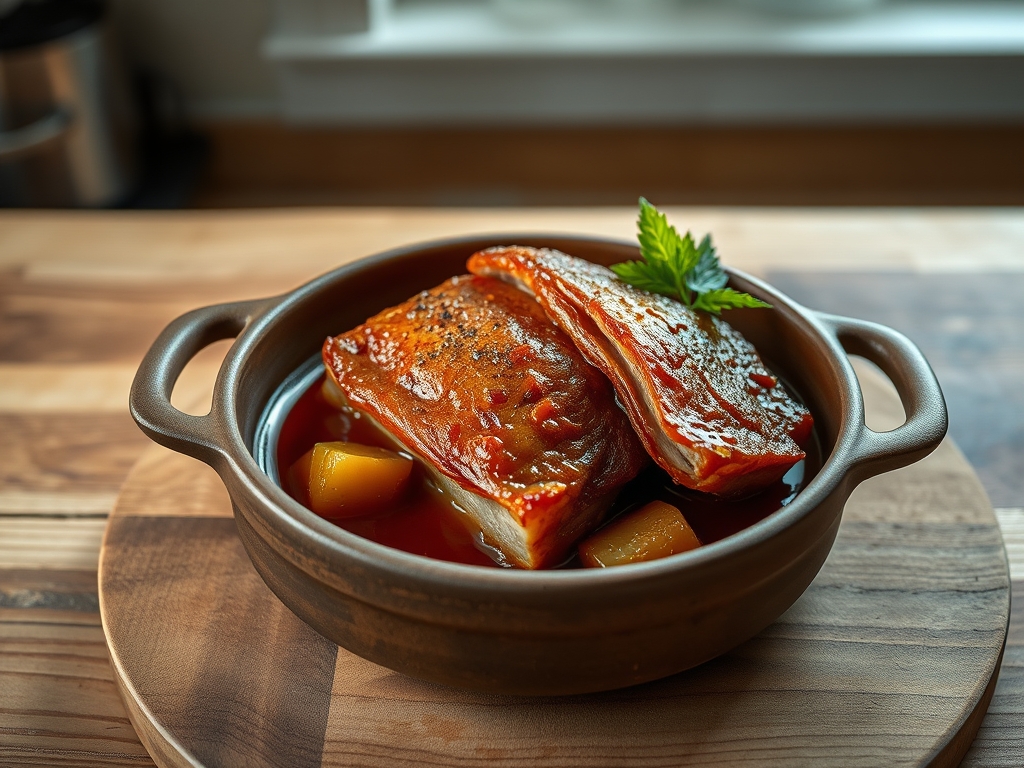
Listen to that. It is not just noise; it is the sonic signature of lipid transformation. When cold-cured pork belly meets a conductive surface, we are witnessing a violent, beautiful phase change. The Bacon Sizzle Frequency is the definitive acoustic benchmark for culinary success. It begins as a low-frequency rumble as moisture evaporates from the surface, then accelerates into a high-pitched staccato as the water-in-fat emulsion breaks. This is the sound of the Maillard reaction accelerating at a molecular level. If your pan is silent, you are merely warming meat. If it screams, you are burning the delicate sugars. We are aiming for that rhythmic, consistent pop that signals the fat is reaching its smoke point while the proteins undergo complex browning. As an auditor of the pan, your ears are just as vital as your digital probe thermometer. We are here to master the thermal mechanics of the skillet, ensuring every strip achieves the perfect ratio of shattered-glass crunch to melt-in-the-mouth adipose tissue. Let us calibrate your kitchen for peak performance.
THE DATA MATRIX
| Metric | Specification |
|---|---|
| Prep Time | 5 Minutes |
| Execution Time | 12 to 15 Minutes |
| Yield | 4 Servings |
| Complexity (1-10) | 4 |
| Estimated Cost per Serving | $2.50 USD |
THE GATHERS
Ingredient Protocol:
- 454g / 1 lb Thick-cut, dry-cured smoked bacon
- 30ml / 2 tbsp Filtered water (The "Cold-Start" catalyst)
- 5g / 1 tsp Freshly cracked black pepper (Optional)
- 15ml / 1 tbsp Pure maple syrup (For the glaze phase)
Section A: Ingredient Quality Audit:
If your bacon appears translucent or excessively wet in the package, it has likely been injected with a brine solution to increase weight. This excess moisture will ruin your Bacon Sizzle Frequency by steaming the meat instead of frying it. To fix this, pat the strips dry with lint-free paper towels and let them air-dry on a wire rack in the refrigerator for 20 minutes before cooking. If the fat-to-lean ratio is lopsided (more than 70% fat), you must lower your initial temperature to prevent the strips from dissolving into a pool of liquid grease before the protein can structurally set.
THE MASTERCLASS
1. The Cold-Start Deployment
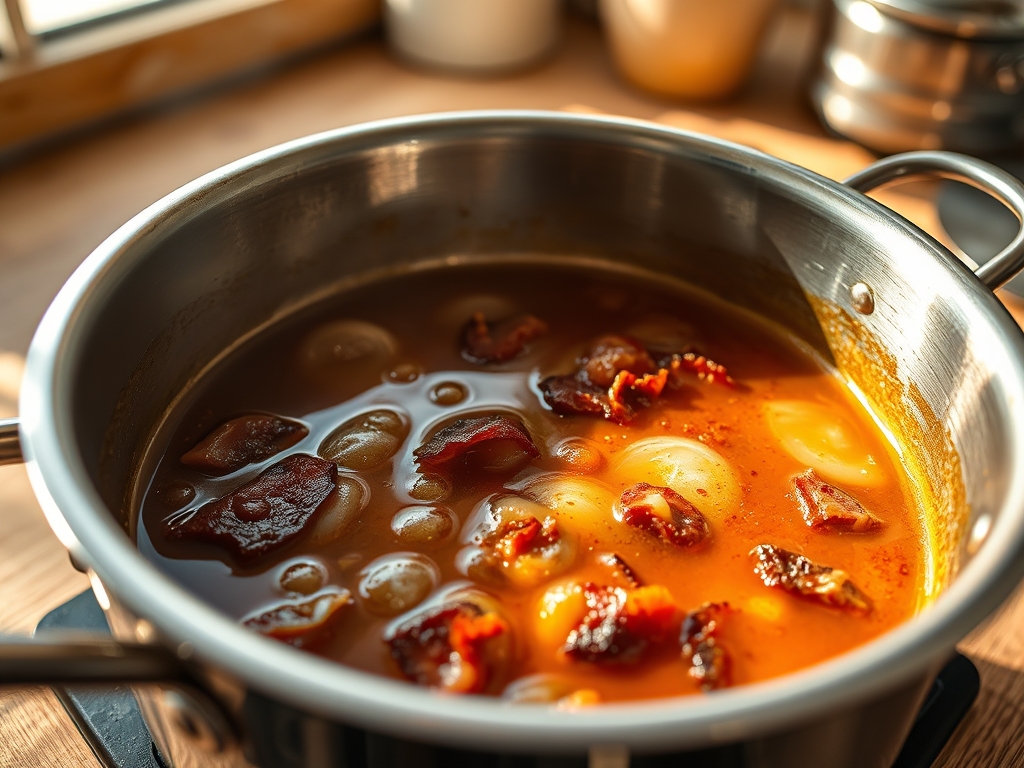
Place your strips in a cold 12-inch cast iron skillet or heavy-bottomed saucier before turning on the heat. Add the 30ml of water directly to the pan. This prevents the protein from seizing and allows the fat to render gently as the water evaporates.
Pro Tip: Starting cold prevents the "curling" effect caused by rapid protein contraction. Using a digital scale to weigh your bacon ensures even heat distribution across the surface area of the pan.
2. Frequency Calibration
Set the burner to medium-low. As the water boils off, you will hear the Bacon Sizzle Frequency transition from a bubbling hiss to a sharp, rhythmic crackle. This is your cue that the water is gone and the lipid-based frying has begun.
Pro Tip: At this stage, use a bench scraper or a heavy bacon press to ensure maximum surface contact. This maximizes the Maillard reaction by eliminating air gaps between the meat and the conductive metal.
3. The Flip and Infuse
Once the edges show a deep mahogany hue, use tongs to flip each strip. If you are adding pepper or maple syrup, do it now. The sugars in the syrup will infuse with the rendered fat, creating a viscous glaze that clings to the textured surface of the meat.
Pro Tip: Use an infrared thermometer to check the pan surface. You are looking for a steady 325 degrees Fahrenheit (163 Celsius). Any higher and the nitrates in the cure will begin to produce bitter compounds.
4. The Final Extraction
Remove the strips when they are one shade lighter than your desired end result. They will continue to cook for 60 seconds due to residual thermal energy. Place them on a stainless steel cooling rack rather than paper towels to allow air to circulate.
Pro Tip: Do not discard the liquid gold left in the pan. Use a silicone spatula to transfer the fat into a glass jar. This rendered fat is a piquant base for future vinaigrettes or for sautéing aromatics.
Section B: Prep & Timing Fault-Lines:
The most common human error is "The Panic Flip." Flipping the bacon too early disrupts the thermal crust formation. If the meat sticks to the pan, the protein-metal bond has not yet broken; wait for the fat to render further. Another fault-line is overcrowding the pan. If strips overlap, they will steam each other, resulting in a rubbery texture that fails the acoustic audit. Cook in batches if necessary to maintain a consistent Bacon Sizzle Frequency.
THE VISUAL SPECTRUM
Section C: Thermal & Visual Troubleshooting:
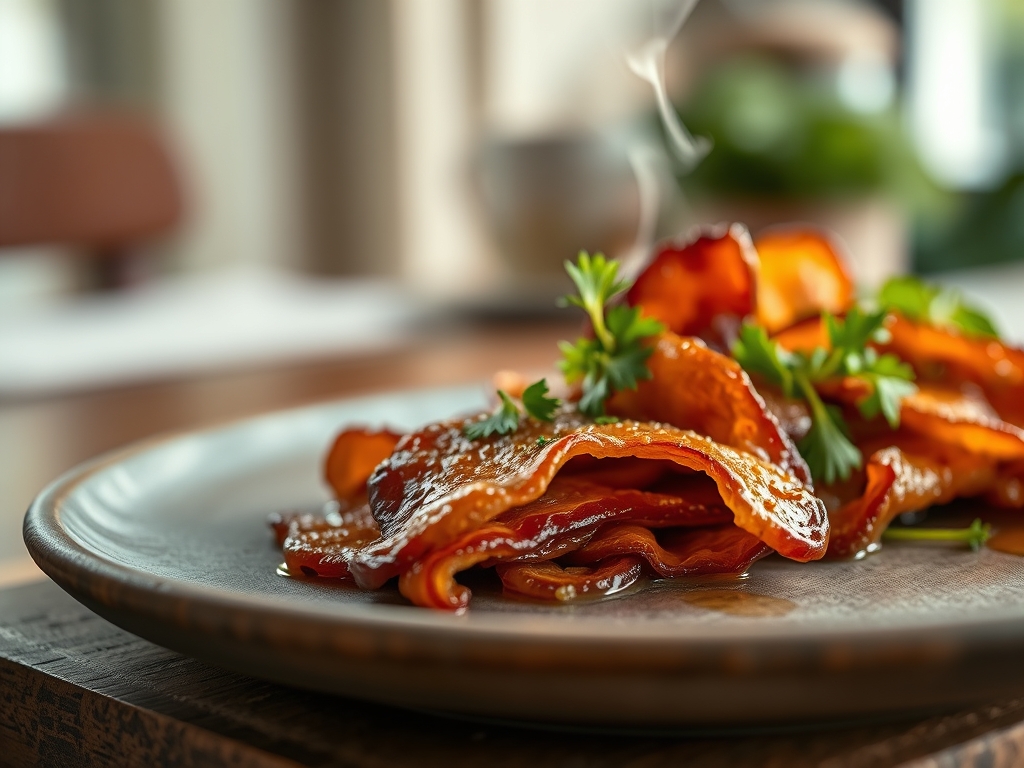
Look at the image above. Notice the "blistering" on the fat sections; these are tiny air pockets that indicate the moisture has been successfully evacuated, replaced by hot air and fat. If your bacon looks flat and grey, your heat was too low, preventing the render process. If the lean parts are black but the fat is still white, your heat was too high, scorching the exterior before the interior could reach temperature. The ideal visual cue is a uniform, bubbly "froth" across the surface of the fat, paired with a deep, brick-red color in the muscle fibers. If the edges are charred, deglaze your pan with a splash of water between batches to remove burnt particulates.
THE DEEP DIVE
Macro Nutrition Profile:
A standard serving (3 strips) typically contains 12g of protein, 11g of fat, and 0g of carbohydrates. However, the maple syrup addition adds approximately 4g of sugar per serving. The high sodium content (approx. 500mg) serves as a functional electrolyte but should be monitored in restrictive diets.
Dietary Swaps:
For a Vegan alternative, use thinly sliced king oyster mushrooms marinated in liquid smoke, soy sauce, and maple syrup. The "sizzle" will be shorter as mushrooms have higher water content. For Keto, omit the maple syrup and use a pinch of smoked paprika to achieve the same visual depth.
Meal Prep & Reheating Science:
To maintain the molecular structure when reheating, avoid the microwave, which turns the fat into a rubbery mess. Instead, use an air fryer at 350 degrees Fahrenheit for 2 minutes. This re-activates the viscous lipids and restores the crunch without overcooking the protein.
THE KITCHEN TABLE
Why does my bacon always curl up in the pan?
Curling is caused by the muscle fibers shrinking faster than the fat renders. Starting in a cold pan with a splash of water allows the fibers to relax as the temperature rises slowly, ensuring a flat, even cook.
Is the white foam in the pan dangerous?
No. That foam is simply trapped moisture and protein escaping the meat. As the Bacon Sizzle Frequency increases, the foam will dissipate, signaling that the frying phase has officially overtaken the steaming phase.
Can I bake bacon to get the same results?
Baking is efficient for large batches, but it lacks the intense conductive heat of a skillet. You lose the ability to monitor the acoustic cues and the precision of the render, often resulting in a tougher texture.
How do I stop the grease from splattering everywhere?
Splattering happens when water pockets explode in hot oil. By using the "cold start" method, you control the evaporation rate. A mesh splatter screen is also an essential tool for maintaining a clean laboratory environment.