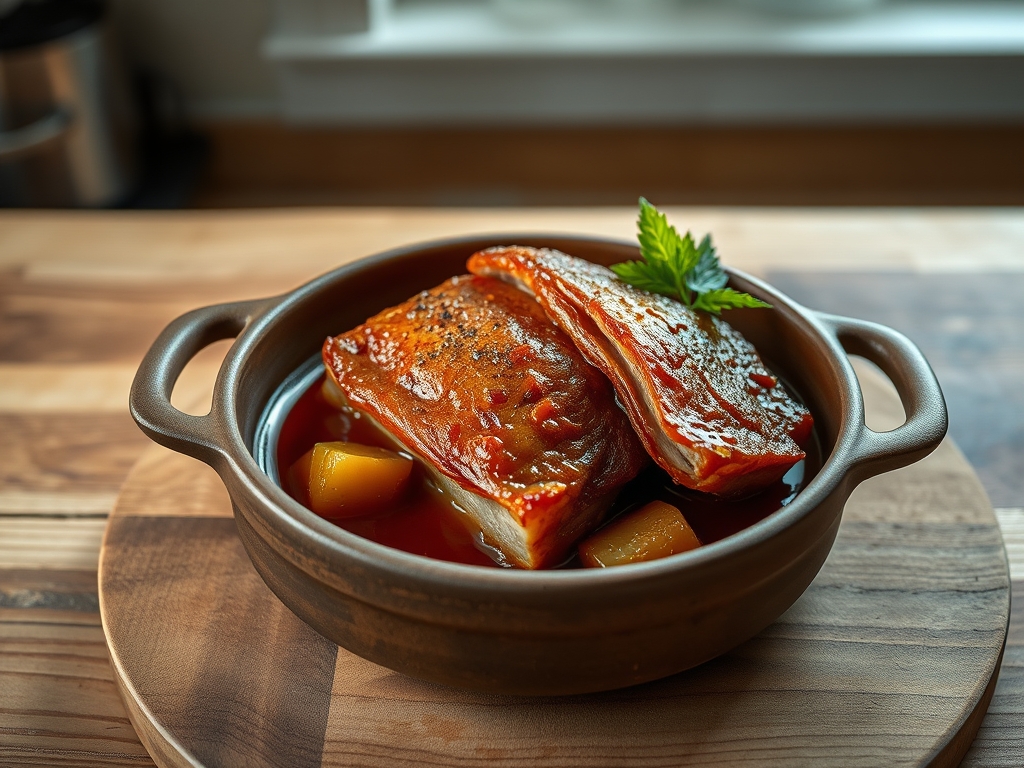
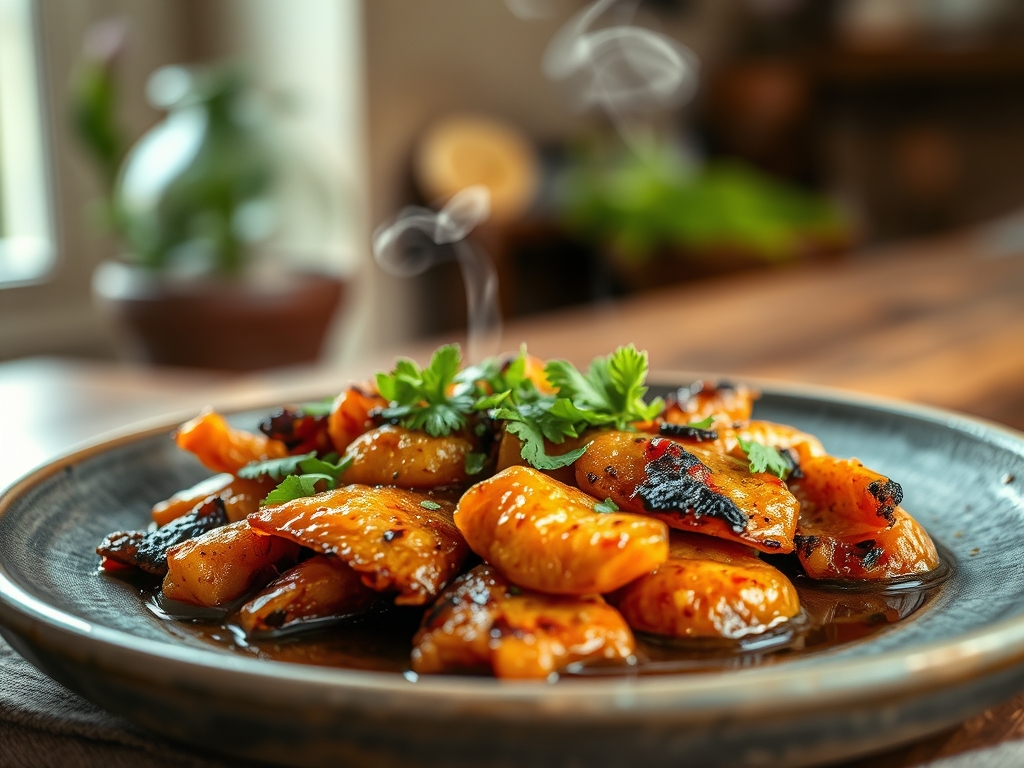
Listen. If you are standing in a dining room and you do not hear that aggressive, percussive crackle echoing from the kitchen pass; you are not eating fajitas. You are eating a sad, lukewarm stir-fry. The Sizzling Fajita Sound is not merely a marketing gimmick; it is a high-frequency acoustic report of a phase transition. It is the sound of moisture hitting a pre-heated carbon-steel or cast-iron surface at temperatures exceeding 450 degrees Fahrenheit. This is the thermal audit of the century. We are talking about the rapid expansion of water vapor trapped under a layer of lipid-rich marinade. When that cold protein hits the white-hot metal, the resulting thermal shock creates a micro-explosion of flavor. The Maillard reaction is not a suggestion here; it is a mandatory requirement. We are engineering a sensory experience that begins with the ears, migrates to the nostrils via aerosolized capsaicin, and concludes with a piquant explosion on the palate. If your skillet is silent, your technique is flawed. Let us recalibrate your kitchen infrastructure for maximum resonance.
THE DATA MATRIX
| Metric | Specification |
|---|---|
| Prep Time | 45 Minutes (Inc. Marination) |
| Execution Time | 8 Minutes |
| Yield | 4 Servings |
| Complexity (1-10) | 7 (Thermal Management Focus) |
| Estimated Cost per Serving | $4.50 – $6.00 USD |
THE GATHERS
Ingredient Protocol:
- 700g / 1.5 lbs Flank or Skirt Steak (thinly sliced against the grain)
- 45ml / 3 tbsp Neutral High-Smoke Point Oil (Avocado or Grapeseed)
- 30ml / 2 tbsp Fresh Lime Juice
- 3 Large Bell Peppers (tri-color, julienned)
- 2 Large White Onions (sliced into 1cm / 0.4 inch half-moons)
- 10g / 2 tsp Smoked Paprika
- 5g / 1 tsp Cumin Powder
- 5g / 1 tsp Garlic Powder
- 15ml / 1 tbsp Liquid Aminos or Soy Sauce (for umami depth)
- 8-10 Flour Tortillas (15cm / 6 inch diameter)
Section A: Ingredient Quality Audit:
If your steak feels viscous or slimy out of the package, it has likely sat in its own purge for too long; pat it dry with surgical precision using lint-free paper towels. Sub-par peppers that feel soft will never achieve the desired "snap" during the sear. If your vegetables are limp, shock them in an ice-bath for ten minutes before slicing to restore turgor pressure. If your lime juice comes from a plastic green bulb, discard it immediately. The pH level and enzymatic activity in fresh citrus are non-negotiable for breaking down the tough connective tissues in skirt steak. To fix a lack of "punch" in your spice blend, toast your dry spices in a small saucier over low heat for sixty seconds before mixing; this releases the volatile oils and intensifies the aromatic profile.
THE MASTERCLASS
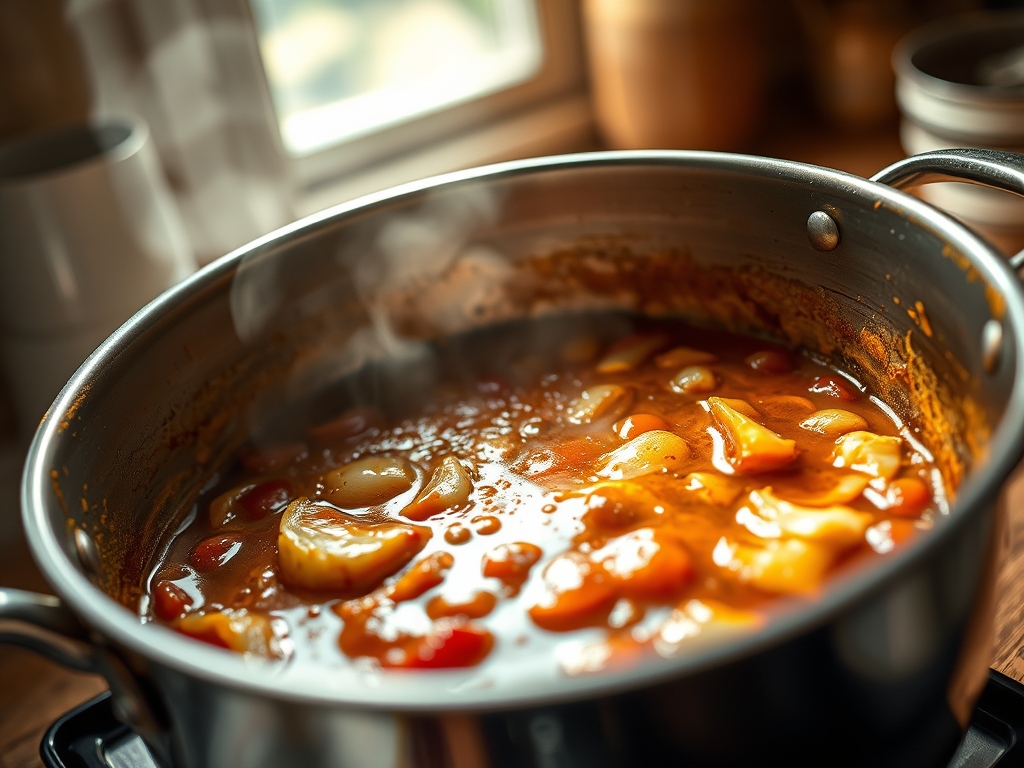
Step 1: The Molecular Marination
Place your sliced protein into a stainless steel bowl and introduce the lime juice, oil, and dry spices. Use a bench scraper to ensure all meat surfaces are coated evenly. Allow this to sit at room temperature for no more than thirty minutes.
Pro Tip: Acidic marinades act as a chemical denaturant. If you leave the steak in lime juice for over two hours, the proteins will cross-link too tightly, turning your expensive flank steak into something resembling a pencil eraser. Use a digital scale to measure your spices for consistency across batches.
Step 2: Skillet Thermal Saturation
Place your heavy-duty cast iron skillet over your largest burner. Set the heat to high and wait until you see the first wisps of blue smoke. This indicates the oil on the seasoned pan has reached its smoke point.
Pro Tip: Thermal mass is your best friend. A thin aluminum pan will lose its heat the moment the cold meat touches it, resulting in a soggy "grey" boil rather than a sear. Using a heavy cast iron ensures the Sizzling Fajita Sound remains constant as the metal retains enough energy to vaporize moisture instantly.
Step 3: The High-Velocity Sear
Working in batches to avoid crowding, drop the steak into the pan. Do not stir immediately. Let the meat sit for 90 seconds to develop a deep, mahogany crust. Flip once, cook for another 60 seconds, and remove to a warm plate.
Pro Tip: Crowding the pan causes a massive temperature drop. When the temperature falls below 300 degrees Fahrenheit, the Maillard reaction stops and steaming begins. Use a digital infrared thermometer to verify the pan surface is at least 450 degrees Fahrenheit before the second batch.
Step 4: Vegetable Deglazing
Throw the onions and peppers into the same pan. The moisture in the vegetables will naturally deglaze the fond (the flavorful brown bits) stuck to the bottom of the skillet. Toss aggressively for three minutes.
Pro Tip: Onions contain high levels of natural sugars. By using high heat, you are inducing rapid caramelization. Use a professional-grade offset spatula to scrape the bottom of the pan, ensuring all that concentrated beef flavor is redistributed onto the vegetables.
Step 5: The Final Resonance
Return the beef to the pan, add a final splash of lime juice and a teaspoon of cold butter. This creates a temporary emulsion that coats the ingredients in a glossy, flavorful sheen while producing a final, violent burst of steam.
Pro Tip: The addition of a small amount of fat and liquid right before serving is what creates the legendary "sizzle" when the platter is carried to the table. This is an acoustic signature that signals freshness and high-energy preparation.
Section B: Prep & Timing Fault-Lines:
The most common human error is the "Cold Meat Syndrome." Taking steak directly from a 38-degree refrigerator and tossing it into a pan is a recipe for failure. The temperature differential is too great, causing the muscle fibers to seize and squeeze out all their internal juices. Always allow your protein to temper on the counter for twenty minutes. Furthermore, if your timing is off and the vegetables finish long before the meat, they will turn into a mushy pulp. Always prioritize the protein; vegetables can be flashed in the pan at the very last second to maintain their structural integrity.
THE VISUAL SPECTRUM
Section C: Thermal & Visual Troubleshooting:
Referencing the Masterclass photo, you should see distinct "char marks" on the edges of the peppers while the centers remain vibrant and translucent. If your dish looks monochromatic and muddy, you have over-crowded the pan or used too much liquid in your marinade. Dull colors indicate that the chlorophyll in the peppers has been destroyed by prolonged heat; you need shorter, more intense bursts of thermal energy. If the meat looks grey, your pan was not hot enough to render the surface fats properly. To fix a dull appearance, finish the dish with a spray of fresh lime juice and a handful of chopped cilantro; the acid will brighten the colors and the herbs provide a fresh visual contrast to the charred components.
THE DEEP DIVE
Macro Nutrition Profile:
A standard serving (approx. 200g of the mixture) provides roughly 350 calories. This breaks down into 32g of high-quality protein, 18g of healthy fats (primarily monounsaturated if using avocado oil), and 12g of carbohydrates from the vegetable fibers.
Dietary Swaps:
- Vegan: Replace steak with thick-cut Portobello mushrooms or strips of seitan. Use liquid smoke to mimic the charred beef aroma.
- Keto: Eliminate the flour tortillas and serve the mixture over a bed of shredded romaine lettuce or inside hollowed-out bell peppers.
- Gluten-Free: Ensure your liquid aminos are certified GF and swap flour tortillas for high-quality corn tortillas or coconut-wrap alternatives.
Meal Prep & Reheating Science:
To maintain molecular structure during reheating, avoid the microwave. The agitation of water molecules in a microwave will turn your steak into leather. Instead, use a cold skillet with a teaspoon of water and a lid. This creates a localized steam environment that re-hydrates the protein without overcooking the core.
THE KITCHEN TABLE
Why is my fajita meat always tough?
You are likely cutting with the grain. Look for the long muscle fibers and slice perpendicular to them. This shortens the fibers, making the meat easier to masticate. Also, ensure you are using high heat to avoid "stewing" the meat.
Can I use a non-stick pan for this?
Technically yes, but practically no. Most non-stick coatings degrade at the temperatures required for a true sizzle. You risk releasing toxic fumes and you will never achieve the dark, flavorful fond that a cast-iron skillet provides.
What is the best oil for that high-pitched sizzle?
Avocado oil is the gold standard due to its 520-degree smoke point. It allows the pan to reach extreme temperatures without the oil breaking down and tasting acrid. Grapeseed oil is a solid, more budget-friendly secondary option.
How do I get the restaurant-style smoke?
The "smoke" is often a mix of steam and aerosolized fats. Adding a small amount of "sizzle sauce" (a mix of oil, lime, and soy) right before the pan leaves the stove creates that dramatic, aromatic cloud.