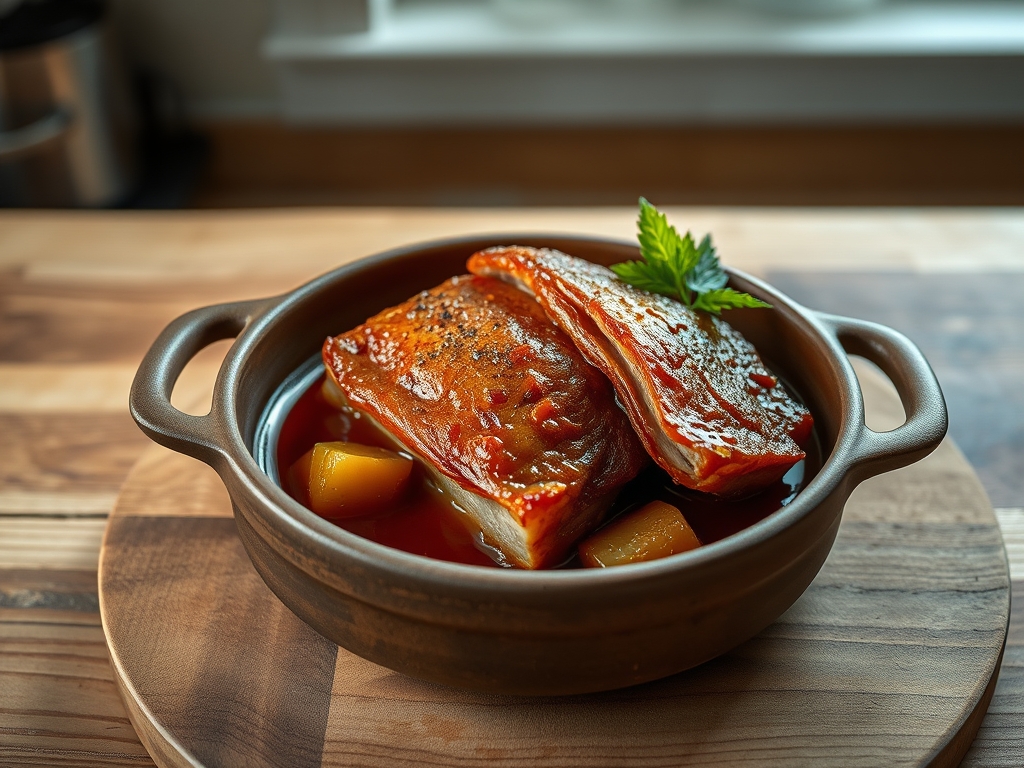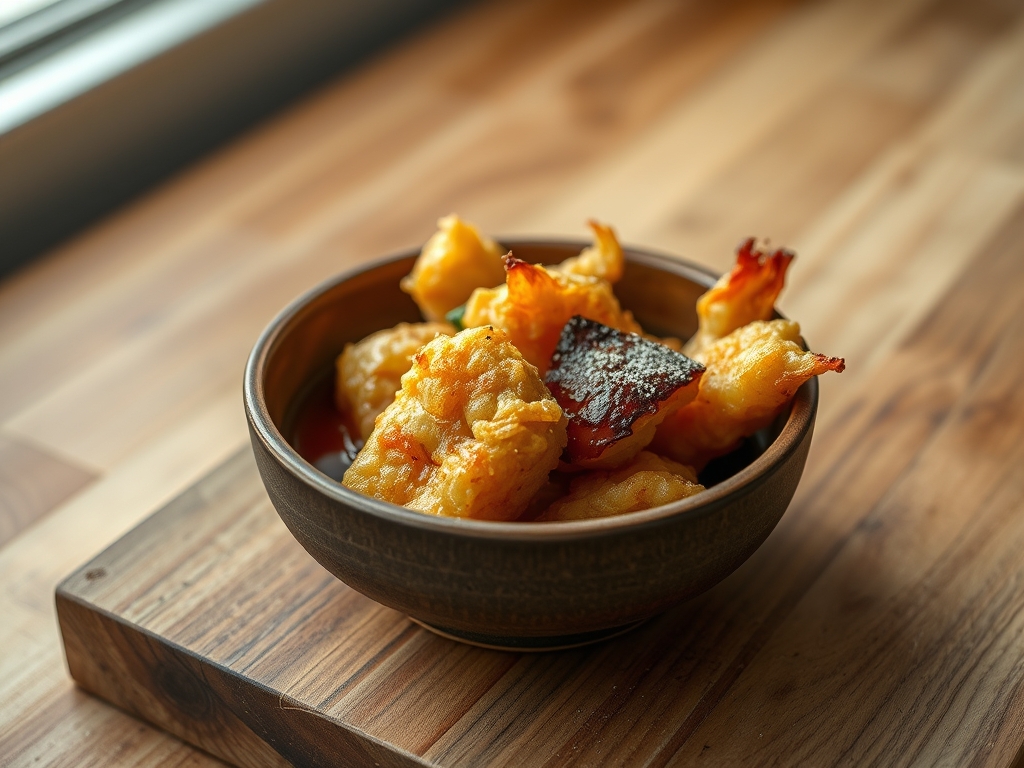
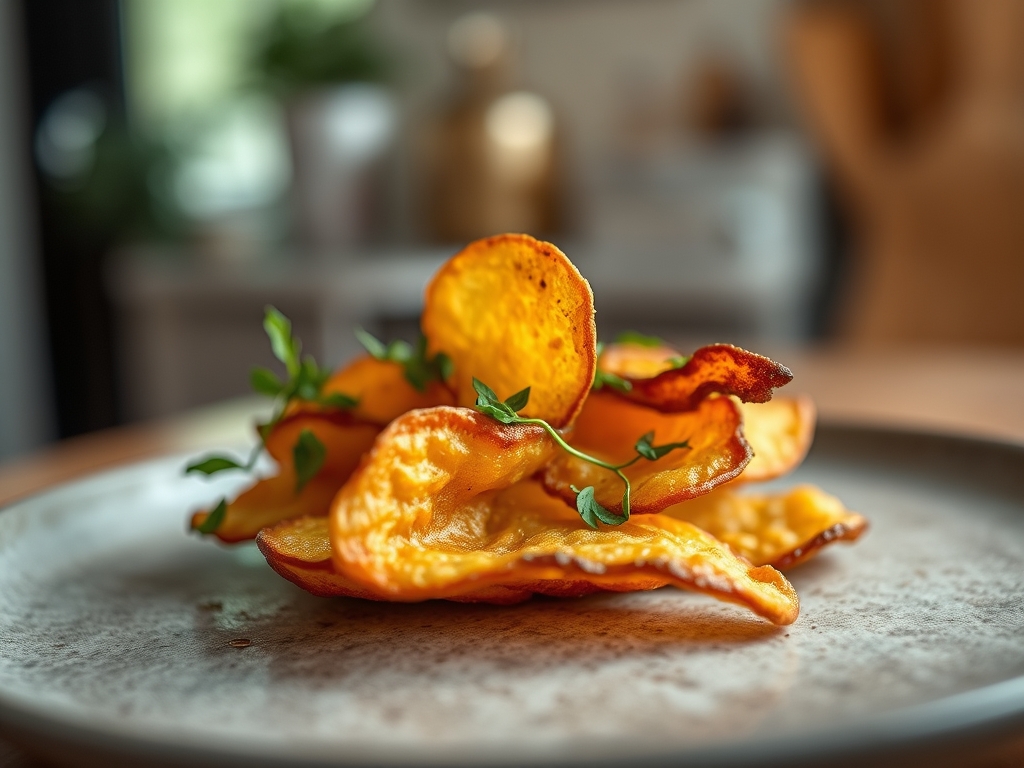
Listen closely because the sound of a perfect snack is not a crunch; it is a structural failure. When you bite into a high-performance snack, you are witnessing the terminal velocity of a starch matrix. This is the Potato Chip Fracture. It is the moment where the internal moisture has been violently evicted and replaced by a rigid, glassy lattice of amylopectin. If your chips are yielding with a soft thud instead of a glass-shattering snap, your culinary infrastructure has collapsed. We are not here to "cook" today. We are here to engineer a dehydration event that results in a tectonic shift of texture. We are hunting for that specific decibel level that signals a clean break across a microscopic plane. To achieve this, we must control surface area, starch retrogradation, and lipid temperature with the precision of a master watchmaker. Forget everything you know about casual frying. This is a high-stakes audit of your kitchen's ability to manage moisture migration and thermal shock. Let us begin the extraction.
THE DATA MATRIX
| Metric | Specification |
|---|---|
| Prep Time | 45 Minutes (Excluding Soaking) |
| Execution Time | 20 Minutes |
| Yield | 4 Servings |
| Complexity (1-10) | 7 |
| Estimated Cost per Serving | $0.85 |
THE GATHERS
Ingredient Protocol:
- Russet Potatoes: 1kg / 2.2 lbs (High starch content is non-negotiable).
- Neutral Frying Oil: 2L / 8.5 cups (Peanut or Grapeseed for high smoke points).
- Distilled White Vinegar: 60ml / 0.25 cups (To reinforce pectin structures).
- Fine Sea Salt: 15g / 1 tbsp (For immediate moisture absorption).
- Smoked Paprika: 5g / 1 tsp (To infuse a piquant profile).
- Cold Water: 4L / 17 cups (For the starch-stripping bath).
Section A: Ingredient Quality Audit:
If your potatoes are sprouting or feel soft, the sugar-to-starch ratio has shifted toward simple sugars. This results in rapid browning before the moisture can fully escape; a phenomenon known as the Maillard disaster. To fix this, increase your vinegar concentration in the blanching water to 80ml. If your oil smells "fishy" or heavy, it has oxidized. Oxidized lipids will not render a clean finish; they will leave a viscous, tacky film on the starch. Always use fresh, high-smoke-point oils to ensure the Potato Chip Fracture remains sharp and brittle.
THE MASTERCLASS
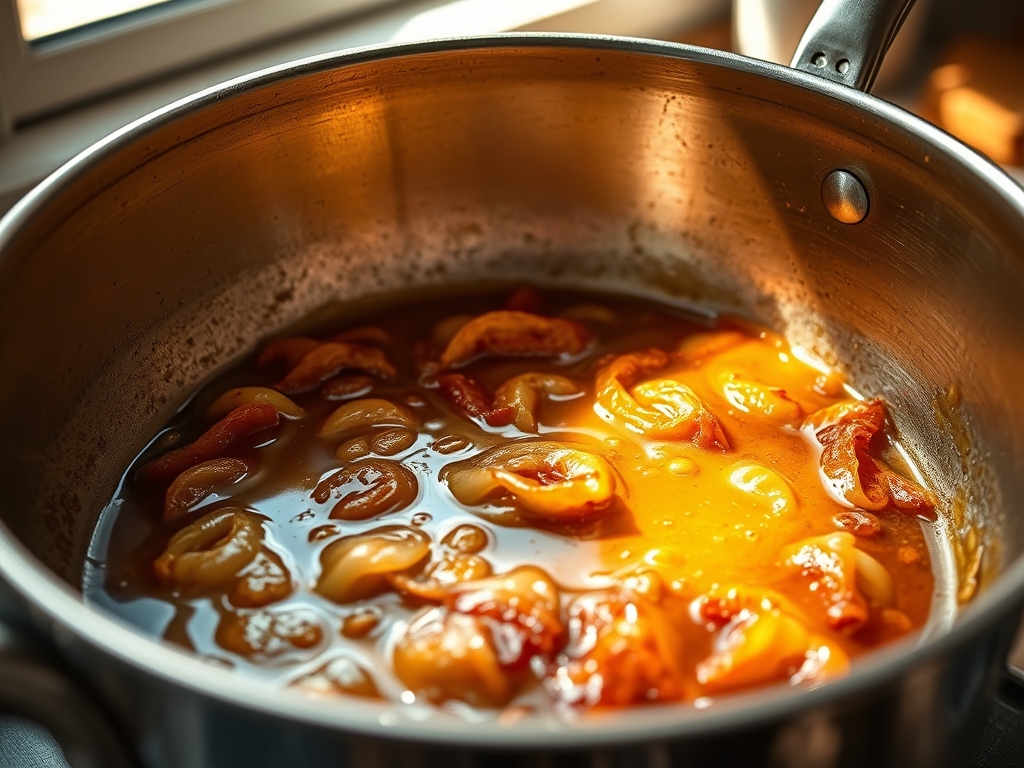
1. The Precision Slice
Use a mandoline or a professional-grade bench scraper to achieve a thickness of exactly 1.5mm. Uniformity is the bedrock of consistency. If one chip is 2mm and another is 1mm, your thermal window will be impossible to manage.
Pro Tip: Use a digital scale to weigh your output before and after slicing. This helps you calculate the exact oil-to-potato ratio needed to maintain a stable frying temperature.
2. The Starch Extraction
Submerge the slices in a cold water bath. Agitate them aggressively to aerate the water and strip away surface starch. This prevents the chips from bonding together into a gummy mass during the initial fry.
Pro Tip: A saucier is not just for sauces; use the rounded bottom of a high-quality stainless steel pot to ensure no chips get trapped in "dead zones" or corners during the rinsing phase.
3. The Pectin Reinforcement
Blanch the slices in boiling water fortified with vinegar for exactly three minutes. The acid prevents the pectin from breaking down too quickly, allowing the potato to hold its shape even as it softens.
Pro Tip: Use a digital thermometer to ensure the water returns to a boil within 60 seconds of adding the potatoes. If the temperature lags, the starch will turn to mush rather than setting.
4. The Surface Dehydration
Layout the blanched slices on a clean lint-free towel. Use a second towel to press out every molecule of surface moisture. Any water left on the surface will turn to steam in the oil, creating large, leathery bubbles instead of a fine, micro-blistered texture.
Pro Tip: Use a bench scraper to move the delicate, blanched slices without tearing them. Physical integrity is vital for a clean fracture.
5. The Two-Stage Thermal Shock
Fry the chips at 165C (325F) until they are pale and firm. Remove them, let them cool, then flash-fry at 190C (375F) for the final "shatter" effect. This second fry is where the Potato Chip Fracture is finalized.
Pro Tip: Monitor the oil with a digital scale to ensure you are not overloading the pot. Overloading causes a temperature drop that leads to oil-logging rather than crisping.
Section B: Prep & Timing Fault-Lines:
The most common human error is the "crowding" effect. If you drop too many slices into the oil at once, the temperature drops below the point of rapid evaporation. This results in a grease-soaked chip that is flexible rather than brittle. Another timing error occurs during the cooling phase. If you do not salt the chips the micro-second they exit the oil, the salt will not adhere. The residual oil on the surface must be liquid to act as a bonding agent for the seasoning.
THE VISUAL SPECTRUM
Section C: Thermal & Visual Troubleshooting:
Referencing the Masterclass photo, you should see a "golden-hour" glow with a matte finish. If your chips look dark brown or "burnt" at the edges, your oil temperature was too high or your potatoes had too much residual sugar. If the chips appear translucent or "wet," the moisture was not fully evacuated during the first fry. The photo shows a distinct "curl" at the edges; this indicates that the cellular walls contracted rapidly, which is a hallmark of a successful Potato Chip Fracture. If your chips are flat and lifeless, you likely skipped the cold-water agitation step.
THE DEEP DIVE
Macro Nutrition Profile:
A standard serving of these engineered chips provides approximately 160 calories, 10g of fat, and 15g of carbohydrates. While high in lipids, the home-engineered version avoids the industrial trans-fats and excessive sodium found in commercial bags.
Dietary Swaps:
- Vegan: This recipe is naturally vegan.
- Keto: Swap potatoes for thinly sliced daikon radish or zucchini; however, note that the starch-based Potato Chip Fracture will be replaced by a fiber-based snap.
- GF: Naturally gluten-free, provided your seasoning salts are pure.
Meal Prep & Reheating Science:
To maintain the molecular structure, store these in a vacuum-sealed container with a desiccant pack if possible. If they lose their snap, do not use a microwave. The microwave vibrates water molecules, which will turn the starch into a rubbery mess. Reheat in a 150C (300F) oven for three minutes to re-evaporate any absorbed atmospheric moisture and restore the brittle point.
THE KITCHEN TABLE
Why are my chips soggy after cooling?
This is "hygroscopic absorption." The starch is pulling moisture from the air. You must store them in an airtight environment immediately after they reach room temperature to preserve the fracture.
Can I use olive oil for frying?
Negative. Olive oil has a low smoke point and will decompose into acrid compounds at the temperatures required for a proper Potato Chip Fracture. Stick to neutral, high-heat oils.
Does the potato variety really matter?
Absolutely. Waxy potatoes like Red Bliss have too much moisture and not enough starch. They will never achieve the brittle point. Russets are the gold standard for structural failure.
Why add vinegar to the water?
Vinegar acts as a chemical stabilizer for the cell walls. It allows the potato to be cooked thoroughly without falling apart, ensuring a sturdier lattice for the final fry.