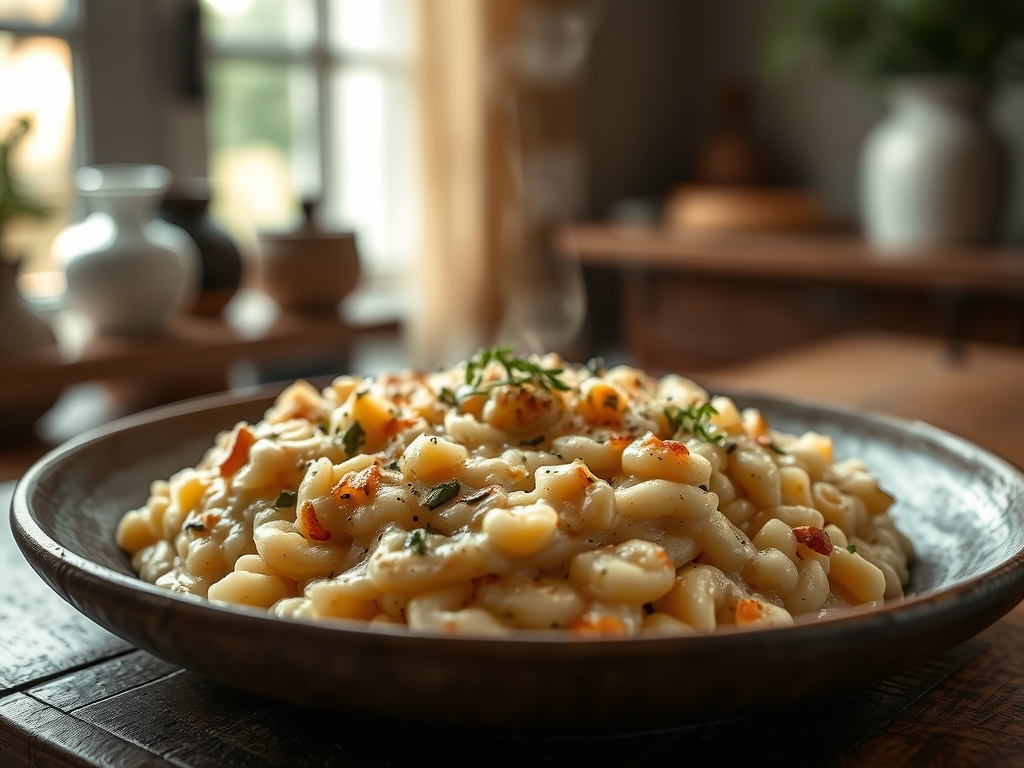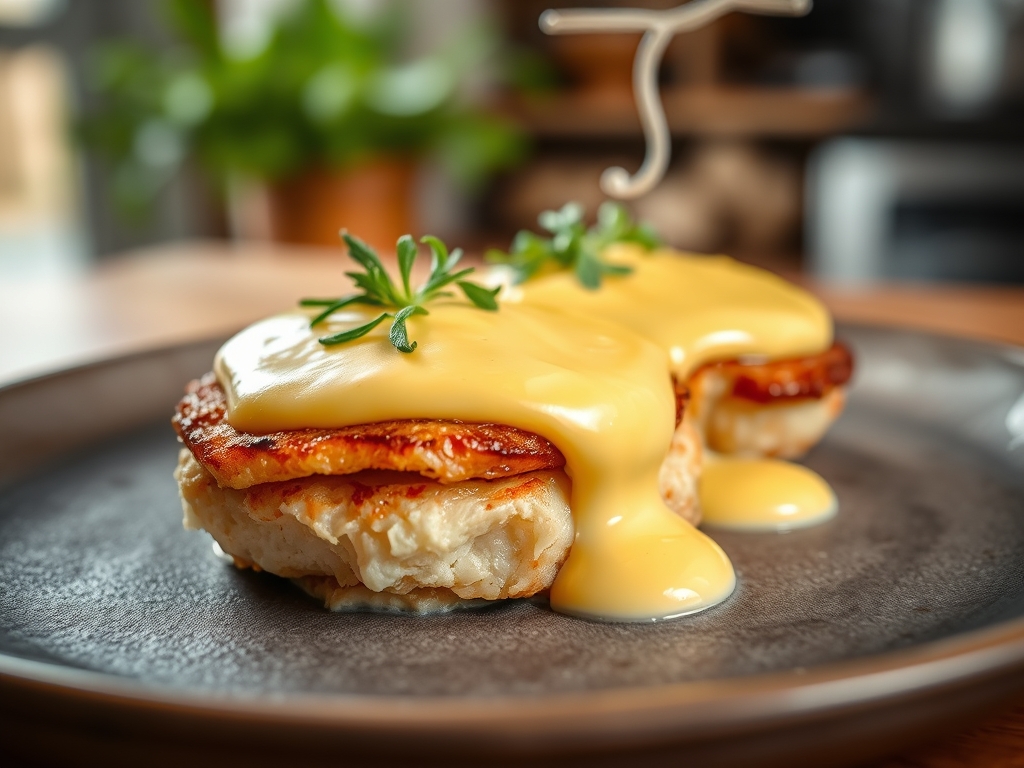
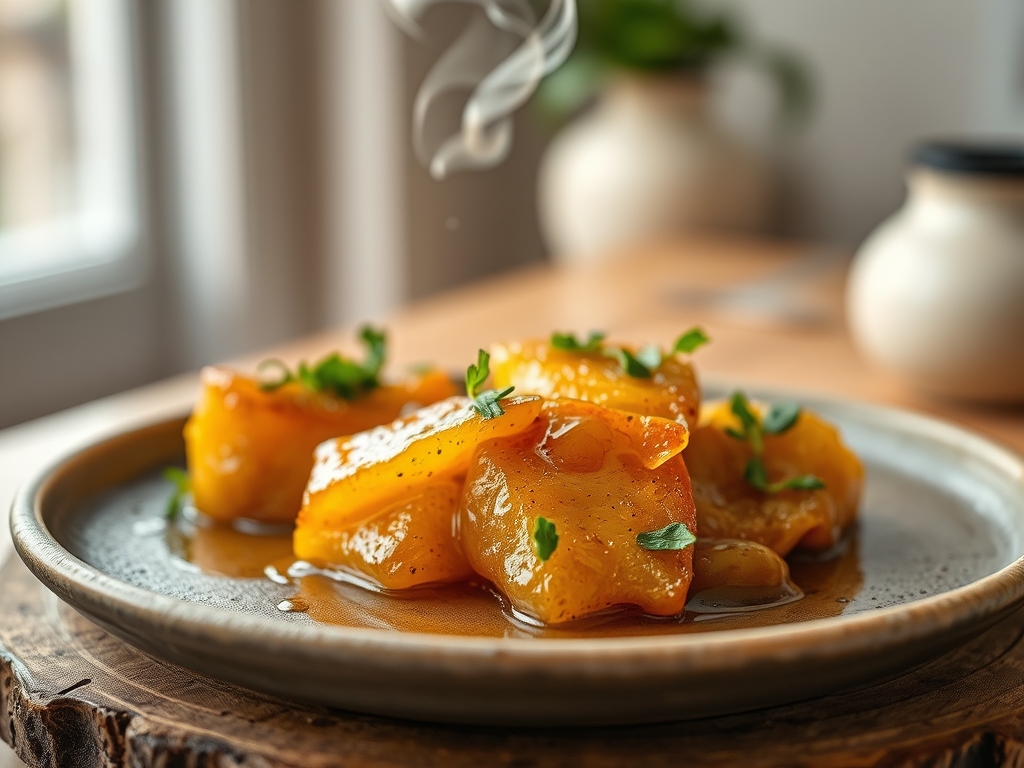
Imagine a liquid that defies the laws of standard fluid dynamics while simultaneously captivating the human palate with a complex sugar profile. We are talking about the gold standard of culinary adhesives. To master the art of the glaze, the syrup, or the emulsion, one must first bow at the altar of Honey Viscosity Data. This is not merely about sweetness; it is about the internal friction of a non-Newtonian fluid. When you pour high-quality honey, you are witnessing a molecular traffic jam where glucose and fructose molecules collide in a dense aqueous environment. If the temperature drops, the resistance skyrockets. If the moisture content exceeds eighteen percent, the structural integrity collapses into fermentation. We are auditing the very essence of flow. As a culinary infrastructure auditor, I demand precision. We are not just "cooking" with honey; we are manipulating a supersaturated solution to achieve the perfect cling on a roasted protein or a delicate lace in a pastry. Prepare to recalibrate your sensory expectations as we dive into the kinetic energy of liquid gold.
THE DATA MATRIX
| Metric | Specification |
|---|---|
| Prep Time | 15 Minutes |
| Execution Time | 25 Minutes |
| Yield | 500ml / 2 Cups |
| Complexity (1-10) | 7 |
| Estimated Cost per Serving | $1.45 |
THE GATHERS
Ingredient Protocol:
- 250ml / 1 cup High-Grade Raw Clover Honey
- 120ml / 0.5 cup Aged Balsamic Vinegar (6% acidity)
- 60g / 4 tbsp Unsalted High-Fat European Butter
- 5g / 1 tsp Flaky Sea Salt
- 2g / 0.5 tsp Freshly Cracked Tellicherry Peppercorns
- 15ml / 1 tbsp Toasted Sesame Oil (for lipid-based suspension)
Section A: Ingredient Quality Audit:
The primary failure point in honey-centric reductions is crystallization. If your honey has seized into a gritty solid, do not discard it. This is merely a phase change where glucose has precipitated out of the solution. To fix this, apply a gentle "thermal reset" by placing the jar in a 40C / 105F water bath until the crystals melt back into the liquid phase. Avoid the microwave; localized hotspots will scorch the delicate enzymes and ruin the flavor profile. If your balsamic vinegar tastes thin and metallic, it lacks the necessary sugar solids to bond with the honey. You must "pre-reduce" the vinegar by one-third before introducing the honey to ensure the Honey Viscosity Data aligns with your desired thickness.
THE MASTERCLASS
1. Thermal Priming of the Saucier
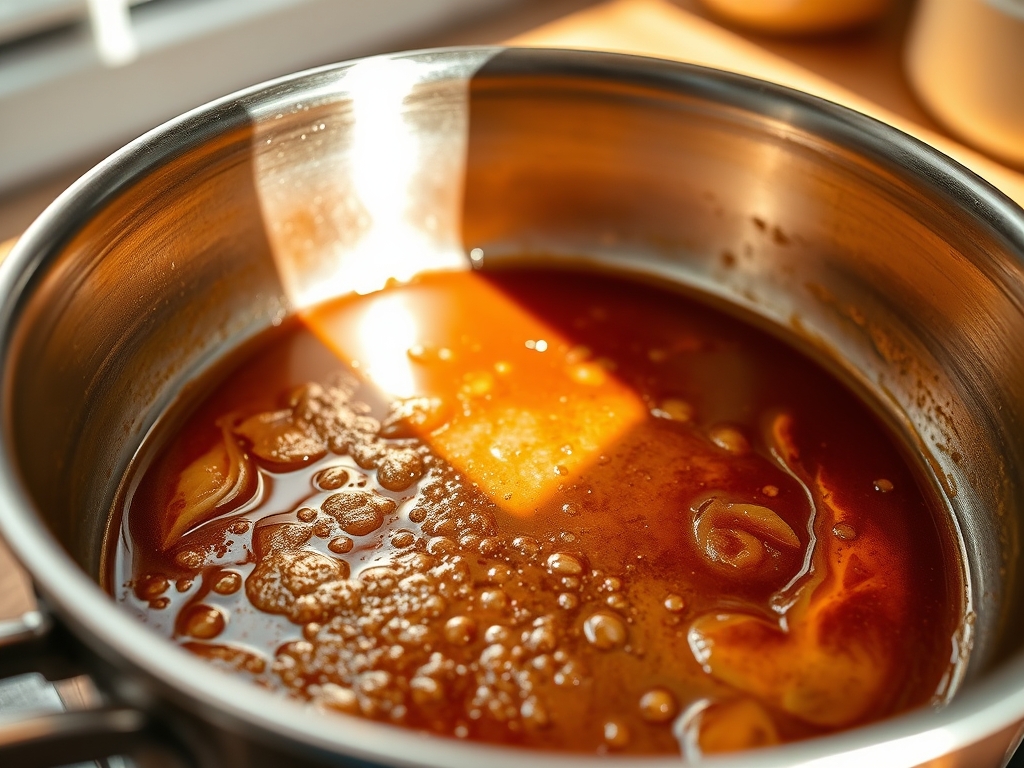
Begin by placing a heavy-bottomed stainless steel saucier over medium-low heat. Use a digital infrared thermometer to ensure the surface temperature reaches exactly 65C / 150F before adding any liquids. This prevents the sugars from "thermal shocking" and sticking to the microscopic pores of the metal.
Pro Tip: A saucier with rounded bottom edges is superior to a straight-sided saucepan because it prevents "dead zones" where honey can scorch and carbonize during the reduction process.
2. The Acidic Integration
Pour the balsamic vinegar into the primed vessel. Increase the heat slightly to induce a simmer. You are looking for "small-bead" bubbles, which indicate the evaporation of water without the degradation of acetic acid. Use a silicone whisk to keep the liquid in constant motion.
Pro Tip: Reducing the acid first creates a concentrated base that will "cut" through the dense viscosity of the honey, ensuring a balanced piquant finish rather than a cloying sweetness.
3. Implementing the Honey Flow
Introduce the honey in a slow, steady stream into the center of the vortex. As the honey enters the heat, its internal resistance drops. This is the critical window where the Honey Viscosity Data transitions from a "storage state" to a "functional state." Whisk vigorously to aerate the mixture slightly.
Pro Tip: Use a digital scale to measure your honey by weight rather than volume. Honey is notoriously difficult to measure in cups due to surface tension; weight-based measurements ensure 100% accuracy in your sugar-to-acid ratio.
4. Lipid Emulsification
Once the mixture is homogenous, drop the cold, cubed butter into the glaze one piece at a time. This is the monter au beurre technique. The cold fat must be whisked into the hot syrup to create a stable emulsion that provides a velvety mouthfeel and a glossy sheen.
Pro Tip: The butter acts as a surfactant. It coats the sugar molecules, preventing them from rebonding into hard candy as the sauce cools on the plate.
5. The Final Seasoning Audit
Remove the saucier from the heat and stir in the sea salt and cracked pepper. Use a bench scraper to clean any splashes from the sides of the pan back into the sauce to ensure no flavor is lost. The salt will sharpen the flavor profile and assist in breaking down any remaining long-chain polysaccharides.
Pro Tip: Adding salt at the end prevents it from interfering with the initial sugar-bonding process, which can sometimes lead to a "grainy" texture if introduced too early.
Section B: Prep & Timing Fault-Lines:
The most common human error is "over-reduction." Because honey is highly viscous, it will appear thinner when hot than it actually is when cool. If you reduce the sauce until it looks "perfect" in the pan, it will turn into a brick on the plate. Always perform a "spoon test": dip a cold metal spoon into the glaze; if it coats the back and holds a line when you run your finger through it, stop the heat immediately. Timing is everything; a thirty-second delay can be the difference between a pourable glaze and a scorched mess.
THE VISUAL SPECTRUM
Section C: Thermal & Visual Troubleshooting:
In the reference photo above, notice the deep mahogany hue and the "lazy" drip of the glaze. If your sauce is pale or translucent, you have not reached the necessary Maillard reaction or caramelization stage. Increase the heat slightly and continue whisking. If the sauce looks "broken" or oily, your emulsion has failed because the heat was too high when adding the butter. To fix a broken sauce, whisk in a teaspoon of warm water to re-establish the bond. If the color is too dark or smells "burnt," the sugars have carbonized; this cannot be reversed, and you must start over. The goal is a reflective, glass-like finish that clings to the curves of your ingredients.
THE DEEP DIVE
Macro Nutrition Profile
Per 30ml serving: 140 Calories, 6g Fat, 22g Carbohydrates (all sugars), 0g Protein. This is a high-energy, high-density finishing element intended for flavor enhancement rather than bulk nutrition.
Dietary Swaps
- Vegan: Replace honey with Agave Nectar (note: Agave has a lower viscosity, so reduce for an additional 5 minutes) and use a high-quality vegan butter substitute.
- Keto: This recipe is fundamentally incompatible with Keto due to the honey. Use a monk-fruit-based syrup substitute, though the Honey Viscosity Data will not apply.
- GF: Naturally gluten-free, but ensure your balsamic vinegar is not thickened with grain-based starches.
Meal Prep & Reheating Science
To maintain the molecular structure, do not reheat in a microwave. The uneven waves will break the lipid emulsion. Instead, use a double boiler (bain-marie) to gently bring the glaze back to 40C. This preserves the "cling" factor and prevents the butter from separating from the honey matrix.
THE KITCHEN TABLE
Why does my honey glaze get hard in the fridge?
Honey is a supersaturated solution. Cold temperatures cause the glucose to crystallize and the lipids in the butter to solidify. Gently warm it in a water bath to restore the original Honey Viscosity Data and flow.
Can I use flavored honey for this audit?
Absolutely. Infused honeys like hot pepper or lavender add layers of complexity. Just ensure the honey is strained of all solids before measuring, as particulates can act as "nucleation sites" for unwanted crystallization during the reduction.
What is the best way to clean a honey-coated saucier?
Do not scrub. Fill the vessel with water and bring it to a boil. The heat will rapidly decrease the viscosity and dissolve the sugar bonds, allowing the residue to be wiped away with zero mechanical effort.
How long will this glaze stay stable?
Due to the high sugar content and acidity of the vinegar, this glaze is shelf-stable for 7 days in the refrigerator. However, for the peak visual spectrum and texture, it is best served within 2 hours of production.