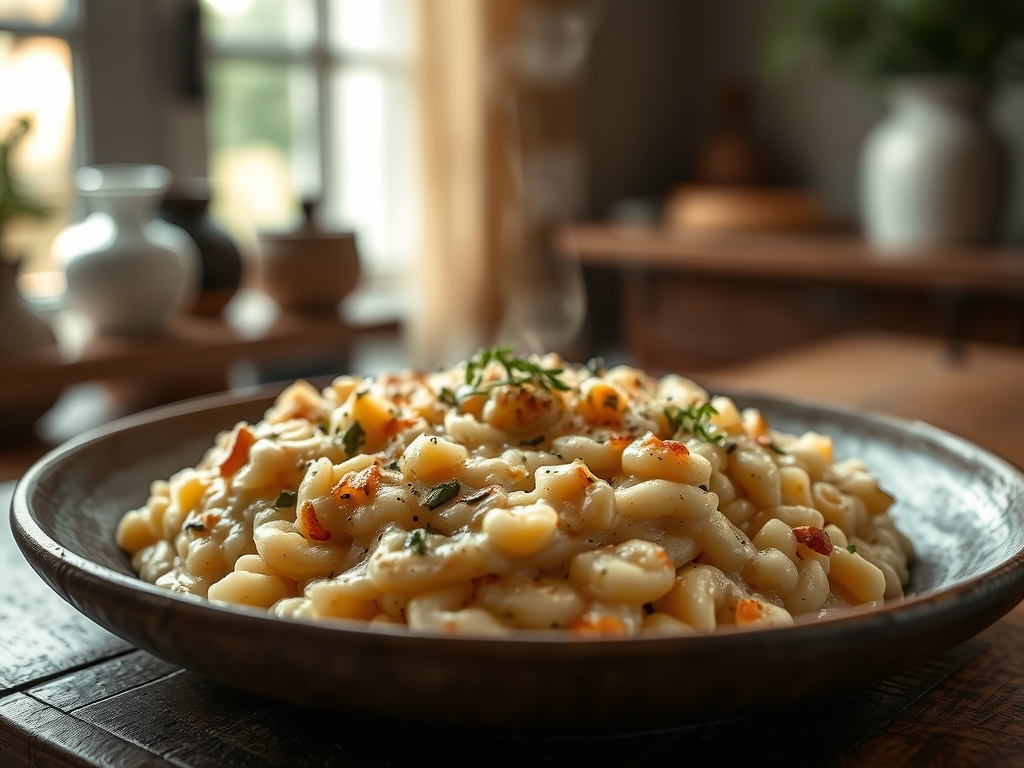
Stop thinking of your dinner side as a cloud and start viewing it as a structural masterpiece. Most home cooks treat the potato as a soft target; they boil it into submission and then wonder why the resulting slurry lacks soul. We are here to talk about the Mashed Potato Grain. This is the fundamental architecture of the dish. When you bite into a world class mash, you are not just tasting butter; you are experiencing the suspension of individual starch granules in a high fat emulsion. If you overwork the tuber, you rupture the cell walls and release amylose, turning your elegant side dish into a bowl of wallpaper paste. We want a texture that is aerated yet dense, a paradoxical mouthfeel that holds its shape on the plate but dissolves the moment it hits the palate. To achieve this, we must respect the Mashed Potato Grain by controlling temperature, moisture, and mechanical shear. Prepare to audit your technique and rebuild your starch infrastructure from the ground up.
THE DATA MATRIX
| Metric | Specification |
|---|---|
| Prep Time | 20 Minutes |
| Execution Time | 40 Minutes |
| Yield | 4 to 6 Servings |
| Complexity (1-10) | 4 |
| Estimated Cost per Serving | $1.25 USD |
THE GATHERS
Ingredient Protocol:
- 1.5 kg / 3.3 lbs Yukon Gold or Russet Potatoes (Peeled and cubed)
- 250 ml / 1 cup Heavy Cream (Minimum 36% milk fat)
- 225 g / 2 sticks Unsalted European-style Butter (Chilled and cubed)
- 15 g / 1 tbsp Fine Sea Salt (Plus more for the boiling water)
- 2 g / 0.5 tsp White Pepper (Finely ground)
- 10 ml / 2 tsp Cultured Buttermilk (For a piquant finish)
Section A: Ingredient Quality Audit:
The primary failure point in any starch-heavy dish is the raw material. If your potatoes feel soft or have sprouted, the starch-to-sugar ratio has shifted, leading to a gummy Mashed Potato Grain. Technical Fix: Use high-starch tubers like Russets for fluffiness or Yukon Golds for a buttery, waxy hybrid. If your butter lacks a high fat content (below 82%), your emulsion will break. Technical Fix: Always source European-style butter to ensure the water content is low enough to prevent the mash from becoming watery. If your cream is ultra-pasteurized, it may have a cooked flavor. Technical Fix: Use fresh, heavy cream to provide a clean, neutral canvas for the potato.
THE MASTERCLASS
1. Thermal Hydration and Starch Gelatinization
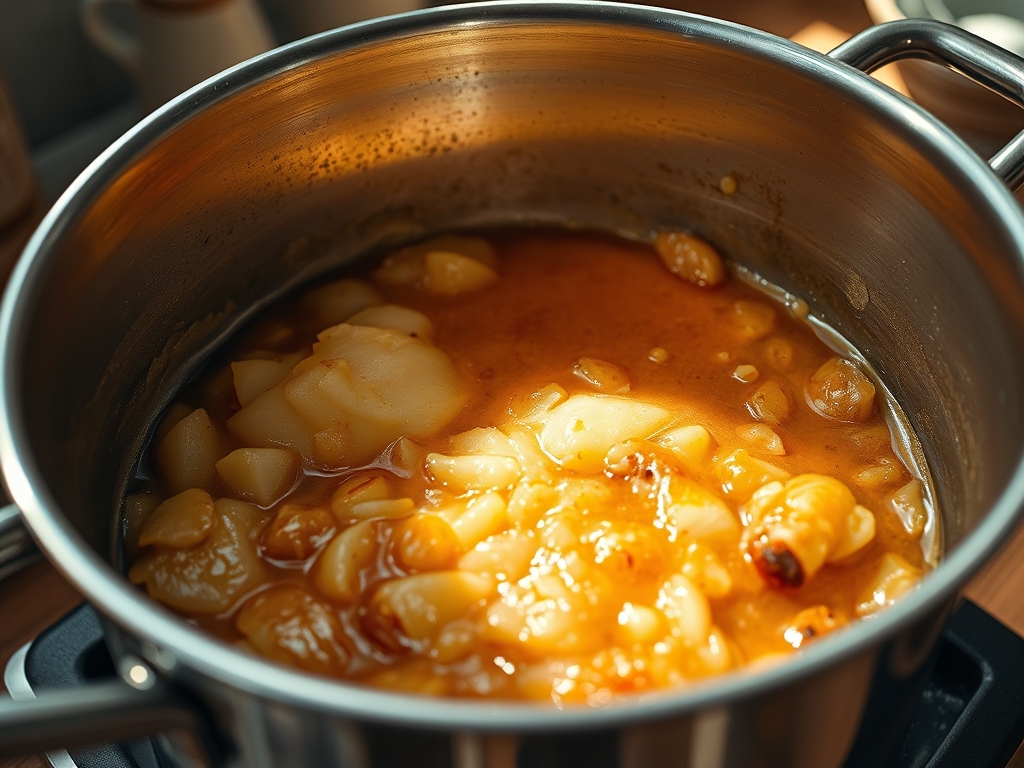
Place your cubed potatoes into a large pot and cover with cold, heavily salted water. Starting with cold water ensures that the exterior of the potato does not overcook and disintegrate before the core reaches the target temperature. Bring the water to a gentle simmer rather than a rolling boil to prevent mechanical damage to the Mashed Potato Grain.
Pro Tip: Use a digital scale to measure your salt precisely; 10g of salt per liter of water is the professional standard for seasoning the potato from the inside out.
2. The Evaporation Phase
Once the potatoes are fork-tender, drain them immediately. Return the potatoes to the hot pot or a wide saucier over low heat for 60 seconds. Shake the pan constantly to render out excess moisture. This step is critical; if the potato cells are full of water, they cannot absorb the fat from the butter and cream.
Pro Tip: Use a bench scraper to move the potatoes around if they begin to stick to the bottom of the pan; you want dry, chalky surfaces on the tubers before processing.
3. Mechanical Reduction
Pass the hot potatoes through a ricer or a food mill into a clean bowl. Avoid using a hand mixer or food processor at all costs. High-speed blades will shear the starch granules, releasing the internal glue and destroying the Mashed Potato Grain. The ricer ensures that each particle is separated without being crushed.
Pro Tip: A fine-mesh tamis is the secret weapon of Michelin-starred kitchens; pushing the riced potatoes through a sieve creates a texture that is truly viscous and silky.
4. The Lipid Integration
In a small saucepan, infuse the heavy cream with salt and white pepper until it reaches a simmer. Slowly incorporate the chilled, cubed butter into the warm potatoes one piece at a time, folding gently with a spatula. Once the butter is absorbed, gradually stream in the warm cream while continuing to aerate the mixture.
Pro Tip: Keeping the butter cold while the potatoes are hot creates a more stable emulsion; the temperature differential allows the fat to coat the starch particles before melting completely.
5. Final Calibration
Taste the mash and add the cultured buttermilk. This adds a subtle, piquant acidity that cuts through the heavy lipids and brightens the overall flavor profile. Adjust seasoning with additional sea salt if necessary.
Pro Tip: Use a silicone spatula to perform a final "sweep" of the bowl, ensuring no unmixed pockets of cream remain.
Section B: Prep & Timing Fault-Lines:
Timing is the silent killer of the Mashed Potato Grain. If you let the potatoes cool before ricing them, the starch undergoes retrogradation, turning the texture grainy and impossible to smooth out. Technical Fix: Always process potatoes while they are steaming hot. If your cream is too cold when added, it will shock the starch and cause the emulsion to seize. Technical Fix: Keep your liquids at a steady 150 degrees Fahrenheit (65 Celsius) before integration.
THE VISUAL SPECTRUM
Section C: Thermal & Visual Troubleshooting:
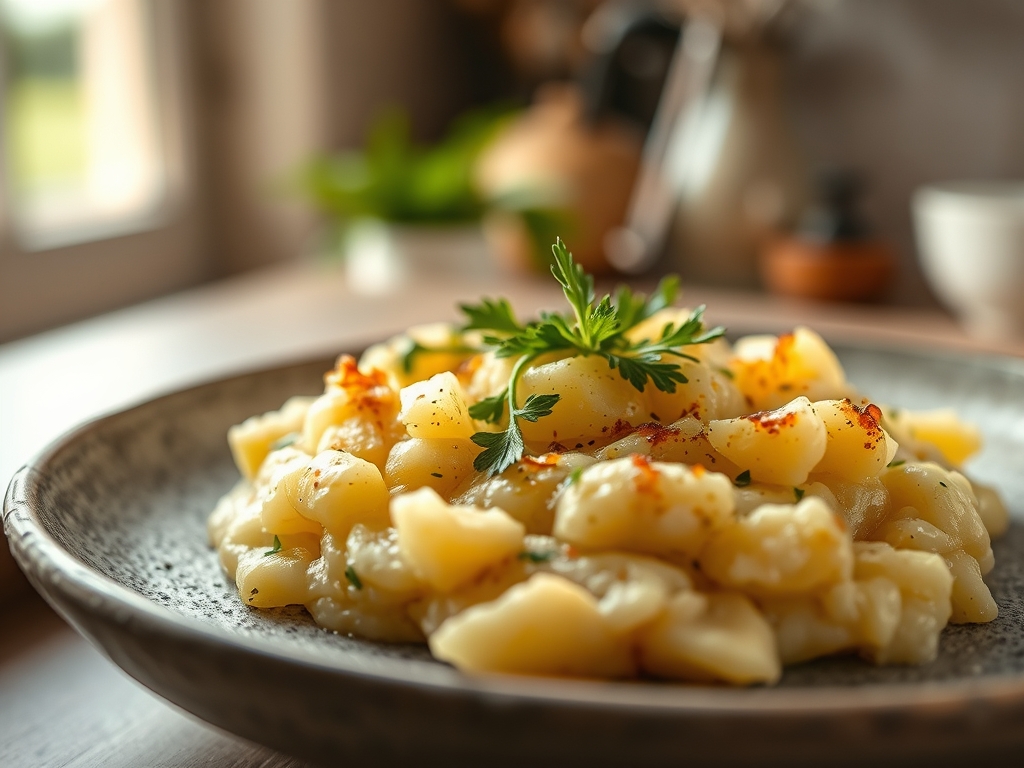
Look closely at the Masterclass photo. Notice the soft, undulating peaks and the subtle sheen on the surface. If your mash looks dull or matte, you have insufficient fat; fold in another 30g of butter. If the surface shows beads of oil, the emulsion has broken due to excessive heat. Technical Fix: Whisk in a tablespoon of warm cream to re-bind the fats. If the color is greyish rather than vibrant ivory, you likely overcooked the potatoes or used an aluminum pot that reacted with the starch. Technical Fix: Always use stainless steel or enameled cast iron to maintain color purity.
THE DEEP DIVE
Macro Nutrition Profile:
A standard serving contains approximately 320 calories, 22g of fat, 28g of carbohydrates, and 4g of protein. The high fat content significantly lowers the glycemic index compared to a plain boiled potato, as the lipids slow the absorption of glucose.
Dietary Swaps:
- Vegan: Replace butter with a high-quality vegan block (oil-based) and use full-fat oat milk or cashew cream to maintain the viscous texture.
- Keto: This dish is inherently high-carb; however, you can substitute 50% of the potato volume with steamed, riced cauliflower to reduce the net carb count while maintaining the Mashed Potato Grain illusion.
- Gluten-Free: Naturally GF, but ensure your butter and cream are not processed in facilities with cross-contamination.
Meal Prep & Reheating Science:
To maintain the molecular structure when reheating, avoid the microwave. The uneven heating will cause the starch to weep water and the fat to separate. Instead, place the mash in a heat-proof bowl over a pot of simmering water (a bain-marie). Stir gently as it warms to re-incorporate the fats and maintain the aerated fluffiness.
THE KITCHEN TABLE
Why is my mash gluey?
You likely overworked the starch. Using a food processor or over-mashing breaks the potato cells, releasing amylose. This creates a sticky, elastic bond rather than a fluffy Mashed Potato Grain. Stick to a ricer for structural integrity.
Can I peel the potatoes after boiling?
Yes. Boiling in the skins protects the starch from excess water absorption. However, you must peel them while they are screaming hot to prevent the starch from setting, which requires a clean kitchen towel and speed.
What does white pepper do?
White pepper provides a sharp, floral heat without the visual "dirt" of black pepper flecks. It allows the ivory aesthetic of the Mashed Potato Grain to remain pristine while providing a necessary piquant punch.
How do I fix salty mash?
Do not add water. Instead, increase the volume of the base. Fold in more riced potatoes and unsalted butter. The fat will coat the tongue and mitigate the perception of saltiness without ruining the structural density of the dish.