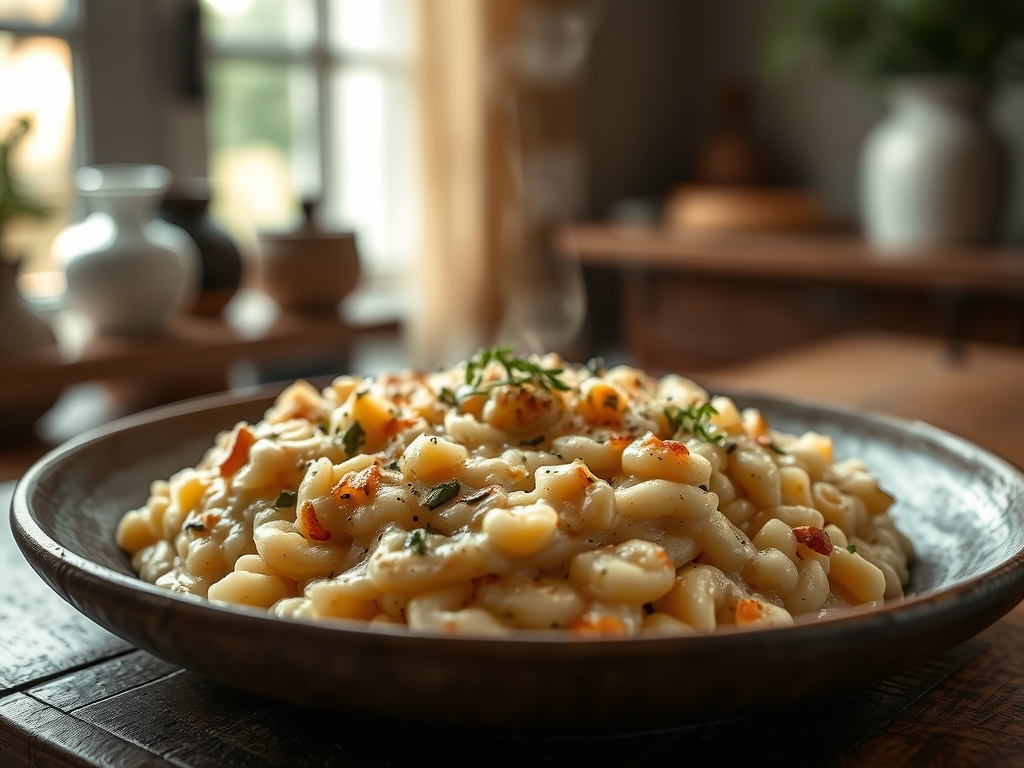
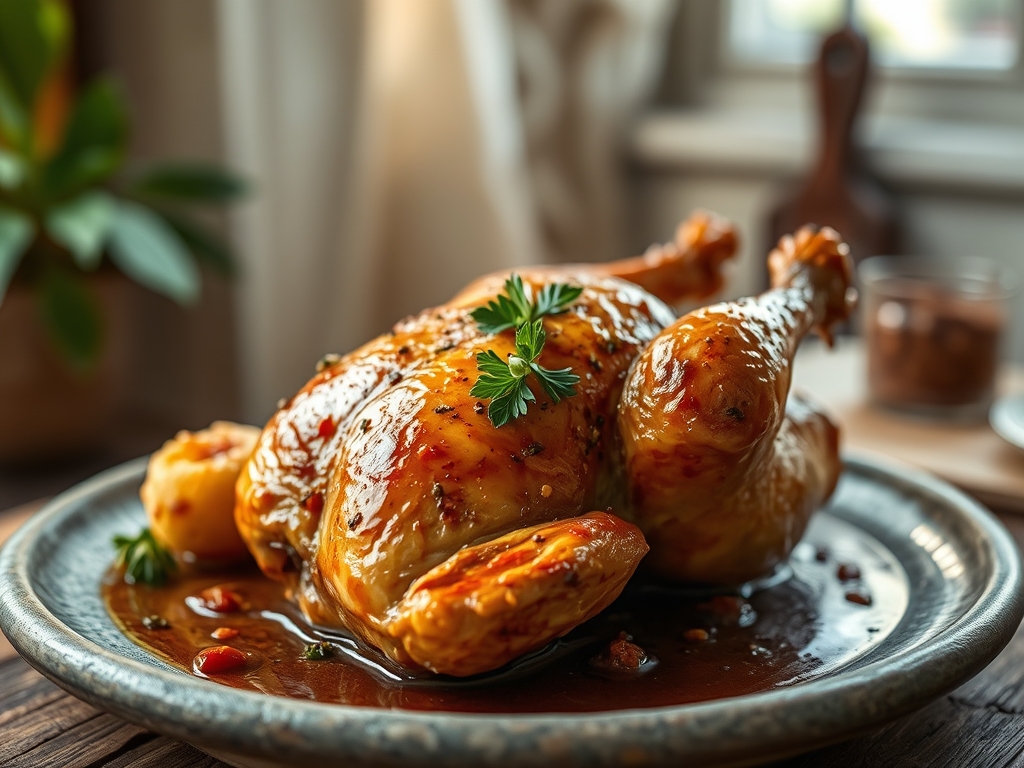
Forget the visual of a golden bird for a moment; your nose is the most sophisticated analytical instrument in your kitchen. The phenomenon of Smelling Roasted Chicken is not merely a dinner bell. It is a complex chemical broadcast of the Maillard reaction and the thermal degradation of lipids. When the air becomes thick with the scent of toasted proline and sulfurous volatiles, you are witnessing the precise moment where raw protein transitions into a culinary masterpiece. This is a high-stakes audit of your home infrastructure. If your ventilation system is struggling, it is because the bird is currently off-gassing a concentrated perfume of rendered fat and savory aromatics. We are not just making dinner; we are conducting a thermal extraction of flavor. This process requires an understanding of how heat interacts with the subcutaneous fat layer to create a crisp, glass-like skin while maintaining a succulent, viscous interior. Prepare your sensors. We are about to calibrate your kitchen for peak performance and olfactory perfection.
THE DATA MATRIX
| Metric | Value |
|---|---|
| Prep Time | 20 Minutes |
| Execution Time | 75 Minutes |
| Yield | 4-6 Servings |
| Complexity (1-10) | 4 |
| Estimated Cost per Serving | $3.50 |
THE GATHERS
Ingredient Protocol:
- 1 Whole Organic Chicken (approx. 1.8kg / 4 lbs)
- 50g / 3.5 tbsp Unsalted High-Fat Butter (softened)
- 15ml / 1 tbsp Extra Virgin Olive Oil
- 20g / 1.5 tbsp Kosher Salt
- 5g / 2 tsp Cracked Black Peppercorns
- 3 Large Sprigs Fresh Rosemary
- 4 Large Sprigs Fresh Thyme
- 1 Head of Garlic (transversely halved)
- 1 Large Yellow Onion (quartered)
- 250ml / 1 cup Dry White Wine (for deglazing)
Section A: Ingredient Quality Audit:
If your bird feels slimy or carries a faint metallic scent, the lipid oxidation has already begun. This is a critical failure. To fix a bird that lacks "skin tension," you must perform a dry-brine. Rub the skin with salt and leave it uncovered in the refrigerator for four hours. This uses osmosis to pull moisture out of the skin, allowing for a more efficient render. If your herbs are wilted and lack a piquant punch, do not toss them. Instead, shock them in ice water for ten minutes to re-hydrate the cell walls before finely mincing them into your butter compound.
THE MASTERCLASS
Step 1: The Moisture Extraction Protocol
Pat the chicken excessively dry using lint-free paper towels. Any surface moisture will create steam, which is the enemy of the Maillard reaction. Use a digital scale to measure your salt precisely; 1.5 percent of the bird's weight is the golden ratio for seasoning.
Pro Tip: Use a bench scraper to lift the skin away from the breast meat without tearing it. This creates an air pocket where fat can circulate, ensuring the skin crisps from both sides.
Step 2: The Lipid Infusion
Mix your softened butter with the minced herbs and salt. Manually distribute this compound under the skin and across the exterior. The butter acts as a heat conductor, while the herbs infuse the fat with essential oils.
Pro Tip: A saucier is excellent for melting any leftover herb butter to baste the bird mid-roast, ensuring a uniform mahogany finish.
Step 3: Thermal Application
Place the bird in a heavy cast-iron skillet or roasting pan. Position the onion and garlic around the base to act as aromatic buffers. Roast at 218C / 425F. This high-intensity heat triggers the rapid evaporation of water from the skin.
Pro Tip: Use a digital probe thermometer set to 74C / 165F. Pulling the bird at exactly this temperature prevents the protein fibers from tightening and squeezing out the moisture.
Step 4: The Deglaze and Rest
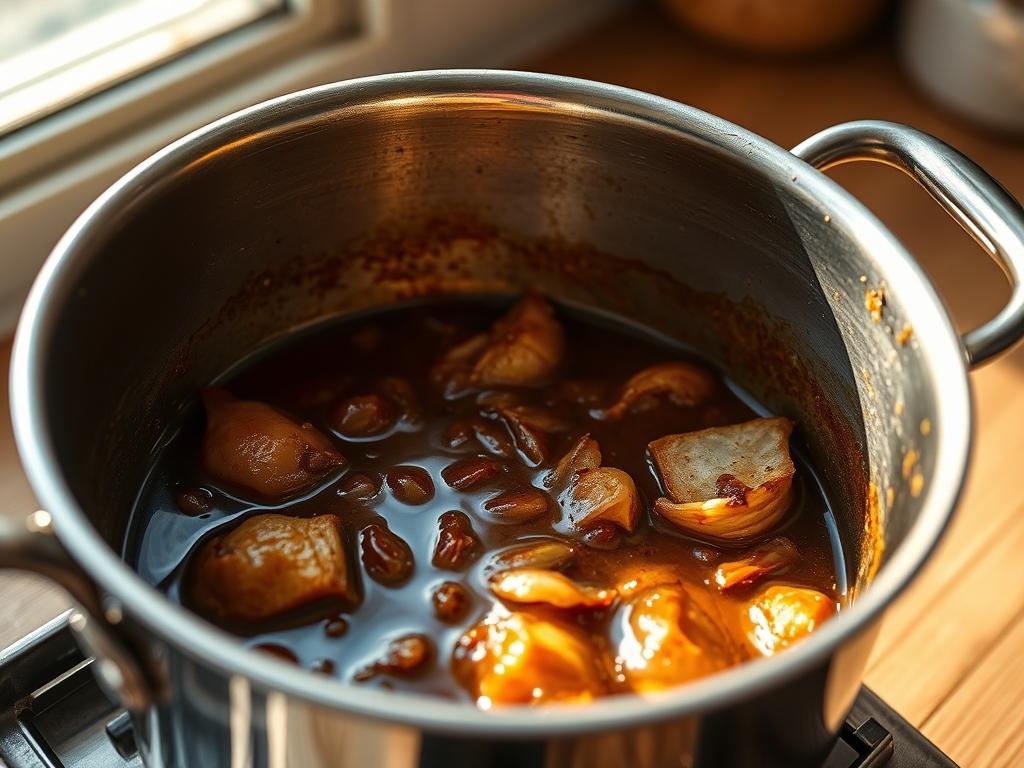
Once the bird reaches the target temperature, remove it from the pan. Set it on a wire rack to prevent the bottom from becoming soggy. Pour the white wine into the roasting pan while it is still hot to deglaze the fond.
Pro Tip: Use a whisk to incorporate the browned bits into the liquid. This creates a highly concentrated jus that captures the essence of the roasted bird.
Section B: Prep & Timing Fault-Lines:
The most common human error is the "Cold Bird Syndrome." Taking a chicken directly from the fridge to the oven results in an uneven cook where the exterior overcooks before the core reaches safety. Allow the bird to temper at room temperature for 45 minutes. If your timing is off and the bird finishes early, do not tent it tightly with foil. This traps steam and destroys the skin texture. Instead, drape it loosely with parchment paper to retain heat while allowing moisture to escape.
THE VISUAL SPECTRUM
Section C: Thermal & Visual Troubleshooting:
Look at the Masterclass photo above. Notice the "shatter-crisp" appearance of the skin and the lack of pooling liquid. If your bird looks pale or "blond," your oven calibration is likely low. Increase the heat by 10 degrees in the final 15 minutes. If you see black charred spots on the wingtips, protect them with small pieces of foil. A perfect roast should have a uniform, deep amber hue. If the juices running from the thigh are pink, the thermal energy has not penetrated the bone joint. Return it to the heat immediately. Dull skin usually indicates a lack of fat; ensure you are basting with the rendered drippings every 20 minutes to maintain that glossy, professional sheen.
THE DEEP DIVE
Macro Nutrition Profile:
A standard serving (150g) provides approximately 35g of protein, 18g of fat, and 0g of carbohydrates. It is a powerhouse of Vitamin B12 and selenium.
Dietary Swaps:
- Vegan: Sub the chicken for a large head of cauliflower. Use vegan butter and increase the roasting time to ensure the core is tender.
- Keto: This recipe is naturally keto-compliant. Increase the butter usage for a higher fat-to-protein ratio.
- GF: Ensure your white wine is certified gluten-free. The jus is naturally thickened by reduction, so no flour is needed.
Meal Prep & Reheating Science:
To maintain molecular structure when reheating, avoid the microwave. The high-frequency waves agitate water molecules, causing the protein to become rubbery. Instead, reheat in a 150C / 300F oven with a splash of chicken stock to aerate the meat and keep it moist.
THE KITCHEN TABLE
Why does my chicken smell like sulfur?
If the bird is fresh, a slight sulfur smell upon opening the vacuum seal is normal due to trapped gases. However, if the scent persists after rinsing and drying, the proteins have begun to break down. Discard it immediately.
Can I roast a chicken without a roasting rack?
Absolutely. Use a "natural rack" by slicing thick rounds of onions, carrots, and celery. This elevates the bird, allowing heat to circulate underneath while the vegetables caramelize in the rendered chicken fat for an incredible side dish.
How do I get the skin even crispier?
Add half a teaspoon of baking powder to your salt rub. The alkaline environment breaks down the peptide bonds in the skin and increases the surface area for browning, resulting in an exceptionally bubbly and crunchy texture.
Is it necessary to truss the bird?
Trussing creates a uniform shape, which ensures the breast meat does not overcook while waiting for the thighs to finish. If you do not have butcher's twine, simply tuck the wingtips under the body to prevent charring.