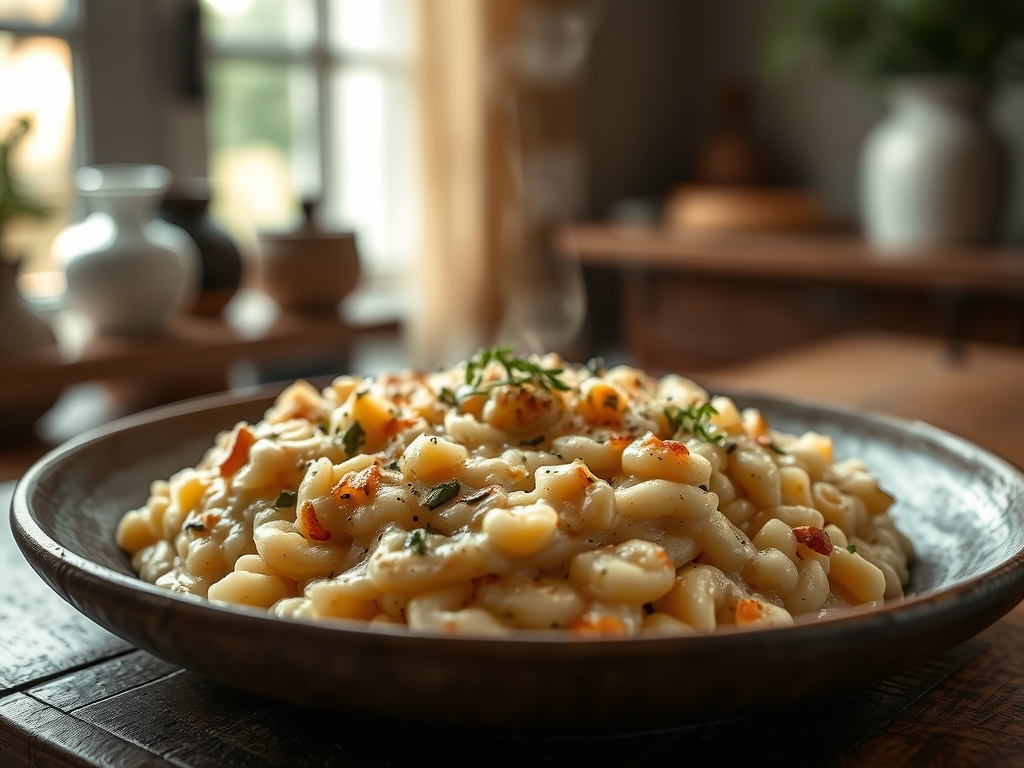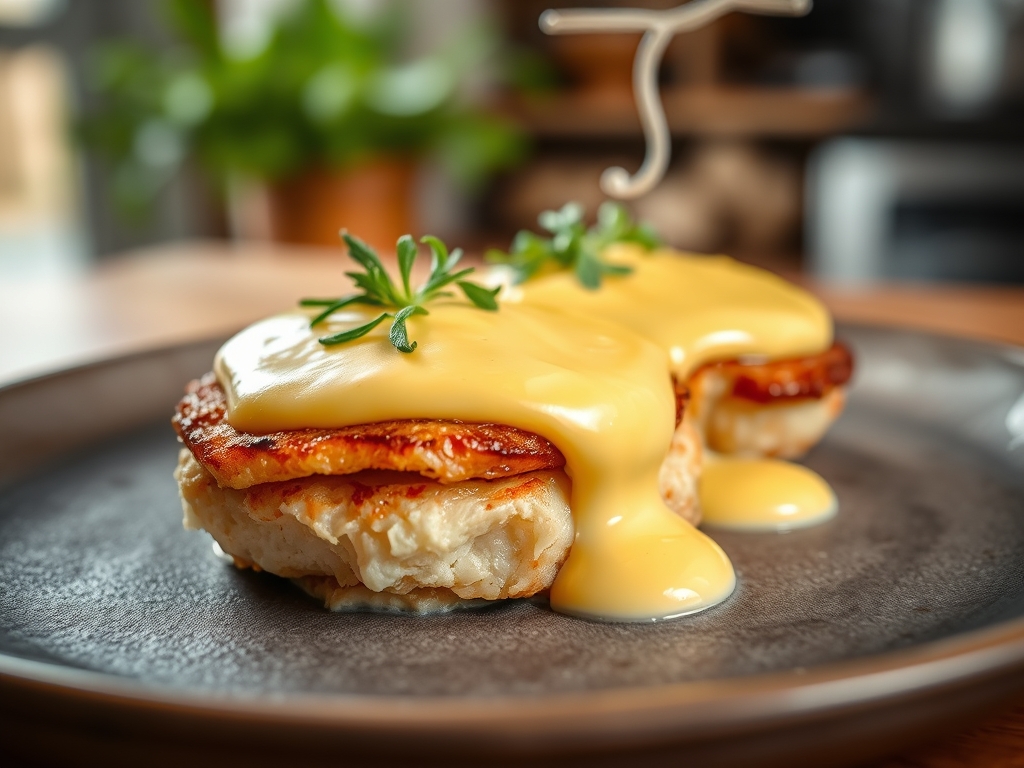
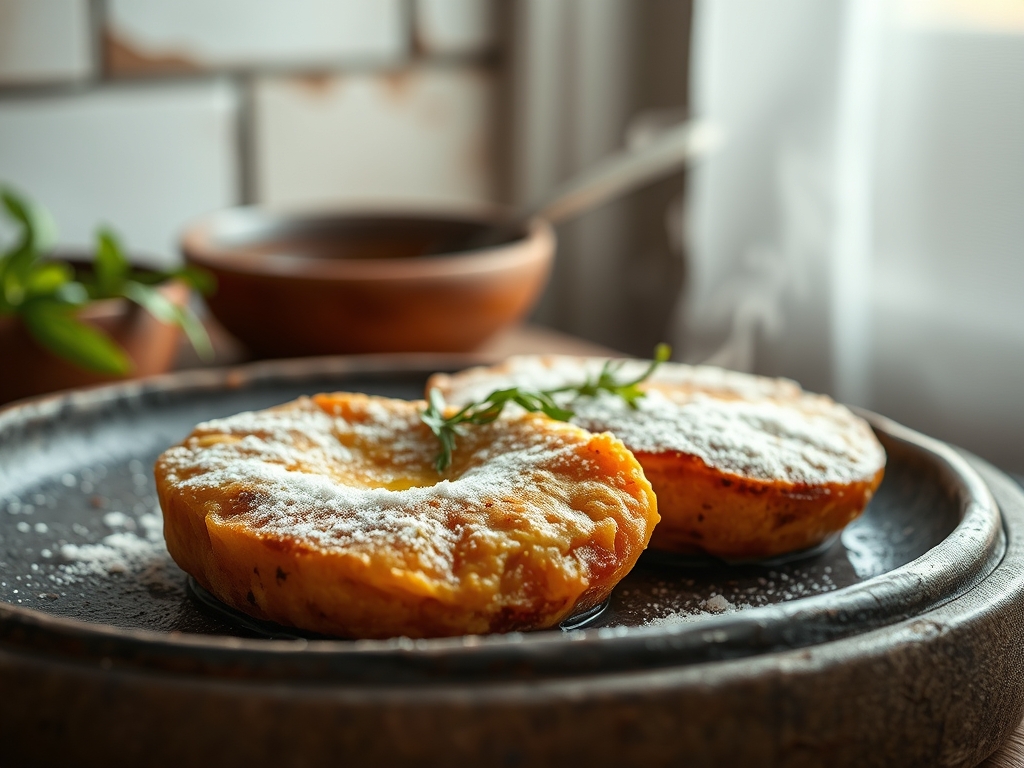
The air in a high-stakes kitchen is a living data stream, and your olfactory bulb is the primary sensor in the stack. When you are pushing the limits of a dark roux or a toasted flour infusion, the margin between a nutty masterpiece and a bitter disaster is measured in seconds. Smelling Burnt Flour is the ultimate red alert in culinary infrastructure. It is the scent of carbonization overtaking caramelization; it is the smell of a protein-carbohydrate matrix collapsing under excessive thermal load. As an auditor of flavor, I tell you now that if that acrid, sharp, and ash-like note hits your nostrils, the molecular integrity of your base is compromised. We are not just cooking here; we are managing a chemical reaction where the Maillard effect is the goal and incineration is the enemy. To master the art of the toasted grain, you must calibrate your senses to detect the precise moment when the starches aerate and infuse with heat before they cross the threshold into ruin.
THE DATA MATRIX
| Metric | Specification |
|---|---|
| Prep Time | 10 Minutes |
| Execution Time | 25 Minutes |
| Yield | 500ml / 2 Cups |
| Complexity (1-10) | 8 |
| Estimated Cost per Serving | $0.45 |
THE GATHERS
Ingredient Protocol:
- 125g / 1 cup All-Purpose Wheat Flour (High Protein)
- 115g / 0.5 cup Unsalted European-Style Butter (82% Butterfat)
- 500ml / 2 cups Bone Broth or Whole Milk (Temperature Controlled)
- 2g / 0.5 tsp Fine Sea Salt
- 1g / 0.25 tsp Freshly Cracked White Pepper
Section A: Ingredient Quality Audit:
If your flour is clumping before it hits the pan, your storage infrastructure has failed; high humidity has compromised the starch granules. To fix this, sift the flour twice to introduce air and ensure even heat distribution. If your butter has a high water content (common in budget brands), the steam will interfere with the fat-coating process. The fix: render the butter first to cook off the excess moisture before adding your dry goods. Using cold liquid in a hot roux is a rookie error that leads to "lump-gate." Always ensure your liquids are at least room temperature to maintain a stable viscous emulsion.
THE MASTERCLASS
Step-by-Step Execution:
1. Thermal Calibration
Place your heavy-bottomed saucier over a medium-low flame. Add the butter and allow it to melt until the foaming subsides. This foaming is the water evaporating. You want the milk solids to be visible but not yet browned.
Pro Tip: Use a digital scale for your measurements rather than volume cups. Precision in the fat-to-starch ratio ensures that every grain of flour is coated, preventing the dry pockets that lead to Smelling Burnt Flour.
2. The Starch Integration
Whisk in the flour slowly. Use a bench scraper to ensure no dry flour remains on the edges of the pan. The mixture should resemble wet sand. This is the "white roux" stage where the raw grain scent disappears.
Pro Tip: The science here is dextrinization. As you heat the starch, the large molecules break down into smaller, sweeter fragments called dextrins. This increases the digestibility and flavor profile of the flour.
3. The Toasting Phase
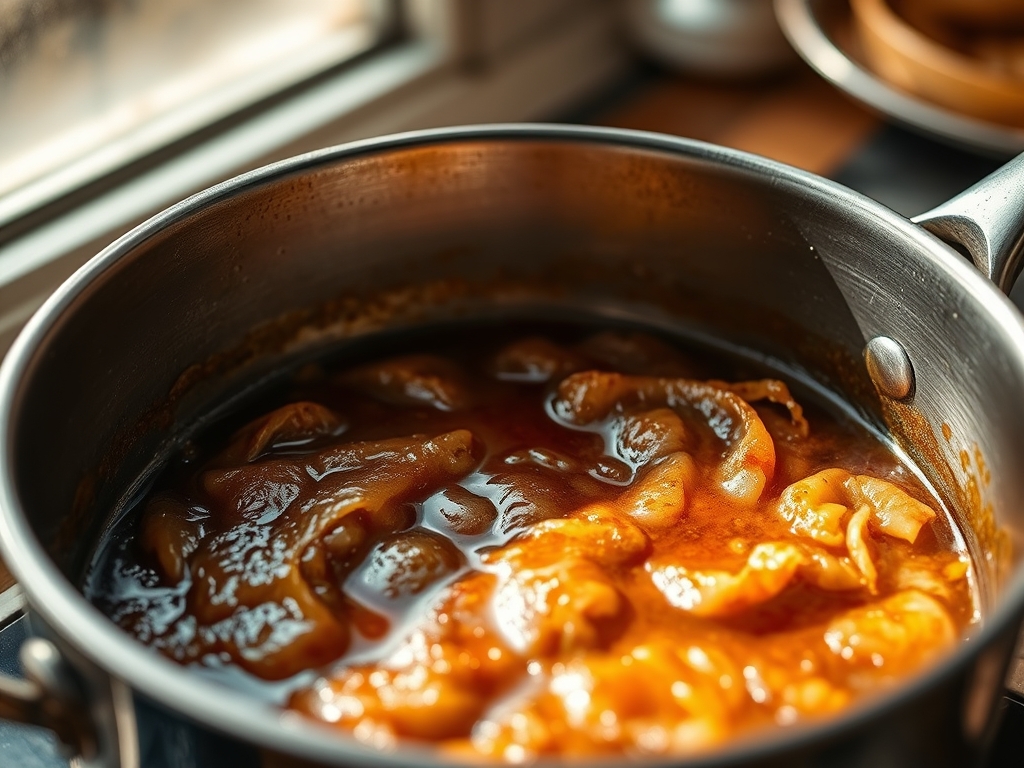
Continue cooking while whisking constantly. The color will shift from pale straw to a peanut butter hue. This is the danger zone. You are looking for a toasted nut aroma. If the scent turns sharp or smoky, you have failed the audit.
Pro Tip: A heavy-bottomed pan is non-negotiable. Thin pans create "hot spots" where the flour will carbonize instantly, triggering the Smelling Burnt Flour alarm even if the rest of the batch looks fine.
4. Liquid Emulsification
Slowly stream in your liquid while whisking vigorously. The mixture will seize initially and then loosen into a smooth, viscous sauce. Continue to simmer for five minutes to ensure the starch granules fully swell and thicken the liquid.
Pro Tip: Switch to a silicone-coated whisk to reach the "corners" of the pan where the roux likes to hide and burn. Total surface agitation is the only way to prevent localized overheating.
Section B: Prep & Timing Fault-Lines:
The most common failure in this protocol is "Distraction Drift." If you stop whisking for even thirty seconds during the toasting phase, the flour resting against the metal surface will exceed 400 degrees Fahrenheit. At this temperature, the carbonization is irreversible. If you see black specks, do not attempt to salvage the batch; the piquant bitterness will permeate the entire sauce. Discard and recalibrate your focus.
THE VISUAL SPECTRUM
Section C: Thermal & Visual Troubleshooting:
Look closely at the reference image above. Notice the uniform, golden-brown sheen. If your roux looks "matte" or chalky, you lack sufficient fat to suspend the starch. Add a tablespoon of butter immediately to render the mixture smooth. If you see uneven browning (mottling), your heat source is too high or your pan is too thin. The visual cue for success is a slight "oil sheen" on top of a deep mahogany base. If the color is dull or greyish, your flour may be past its shelf life or oxidized.
THE DEEP DIVE
Macro Nutrition Profile
A standard serving (approx. 60ml of the finished sauce) contains roughly 120 calories, 9g of fat, 8g of carbohydrates, and 2g of protein. The nutritional value is largely dependent on the liquid base used (bone broth vs. whole milk).
Dietary Swaps (Vegan/Keto/GF)
- Vegan: Swap butter for a high-smoke-point oil like avocado oil or a vegan butter alternative with low water content.
- Keto: Replace flour with xanthan gum or glucomannan, though these will not provide the "toasted" flavor profile.
- GF: Use a high-quality 1-to-1 gluten-free flour blend containing rice flour and potato starch. Be aware that GF flours brown much faster than wheat.
Meal Prep & Reheating Science
To maintain the molecular structure, store the sauce with a piece of parchment paper pressed directly onto the surface to prevent a skin from forming. When reheating, add a splash of liquid and whisk over low heat. Do not microwave on high power; the uneven waves will cause the fats to separate from the starch, breaking the emulsion.
THE KITCHEN TABLE
Why does my flour smell like popcorn?
That is the "Goldilocks Zone." The acetylpyrrholine compounds are being released, signaling successful toasting. You are minutes away from a perfect mahogany roux. Keep whisking and prepare to deglaze or add your liquid base immediately.
Can I fix a roux that has started Smelling Burnt Flour?
Negative. Once the carbon bonds break and turn to ash, the bitter flavor molecules are permanent. No amount of cream or seasoning can mask the acridity. Audit the failure, clean the pan, and restart the protocol.
Why is my sauce grainy instead of smooth?
This indicates the flour did not cook long enough in the fat or the liquid was added too rapidly. The starch granules must be fully coated in fat to prevent clumping when the liquid is introduced.
What is the best pan for avoiding burnt flour?
A copper-core or multi-clad stainless steel saucier is the gold standard. The curved bottom eliminates "dead zones" where flour can sit undisturbed and burn, while the thick metal ensures even heat distribution.
How do I achieve a dark roux without burning it?
Lower the heat and increase the time. A "professional" dark roux can take forty minutes of constant agitation. Speed is the enemy of quality in high-carbonization protocols; patience ensures the flavor remains nutty rather than burnt.