Forget the visual cues for a moment; the true metric of a kitchen's operational success begins in the nasal cavity. When you are standing over a pan, the act of Smelling Onions Sauté is not merely a domestic chore. It is a high-stakes chemical audit of the Maillard reaction in real-time. We are looking for that specific transition where the sharp, sulfurous bite of raw Allium cepa transforms into a rich, buttery, and deeply complex aromatic profile. This is the scent of sugar shift. It is the olfactory signal that the cellular walls have collapsed, releasing pent-up moisture and allowing the natural sugars to undergo thermal restructuring. If you smell acrid smoke, your thermal management has failed. If you smell nothing but raw water vapor, your heat flux is insufficient. A master chef uses their nose as a precision instrument to detect the exact micro-second that the volatile compounds hit their peak intensity. We are here to calibrate your senses and your skillet to achieve total aromatic dominance.
THE DATA MATRIX
| Metric | Specification |
|---|---|
| Prep Time | 10 Minutes |
| Execution Time | 25 Minutes |
| Yield | 4 Servings |
| Complexity (1-10) | 4 |
| Estimated Cost per Serving | $0.85 |
THE GATHERS
Ingredient Protocol:
- 500g / 4 medium Yellow Onions (High sugar content for optimal browning)
- 30ml / 2 tbsp Neutral Oil (Grape seed or Avocado oil for high smoke point)
- 30g / 2 tbsp Unsalted Butter (For milk solid browning)
- 5g / 1 tsp Kosher Salt (To facilitate osmotic moisture release)
- 45ml / 3 tbsp Water or Dry White Wine (For periodic deglazing)
Section A: Ingredient Quality Audit:
If your onions feel soft or show signs of sprouting, the starch-to-sugar ratio is compromised; this leads to a bitter, metallic aftertaste rather than a clean sweetness. To fix sub-par, older onions, add a pinch of baking soda (0.5g) to accelerate the breakdown of pectin and force a faster Maillard reaction. If your butter smells cheesy or off, the fats have oxidized. In this case, rely solely on a high-quality oil and finish with a drop of cold-pressed olive oil at the end to mimic the viscous mouthfeel without the rancid notes. Always ensure onions are stored in a cool, dark environment to prevent the development of piquant, woody cores that refuse to soften.
THE MASTERCLASS
Step 1: The Precision Mandolin Cut
Uniformity is the bedrock of consistent caramelization. Use a bench scraper to clear your station and a digital scale to ensure you have exactly 500g of product. Slice the onions pole-to-pole to ensure the fibers break down at an even rate.
Pro Tip: Cutting against the grain (orbital slices) releases more sulfur compounds, leading to a sharper initial scent. Cutting with the grain preserves structural integrity for a jam-like finish.
Step 2: Thermal Priming and Fat Integration
Place a heavy-bottomed saucier or stainless steel skillet over medium-high heat. Add your oil first to coat the surface, then the butter. Once the butter foam subsides, add the onions immediately.
Pro Tip: The oil raises the overall smoke point of the butter, allowing the milk solids to toast without burning. This creates a nutty foundation for the Smelling Onions Sauté phase.
Step 3: Osmotic Shock and Moisture Evacuation
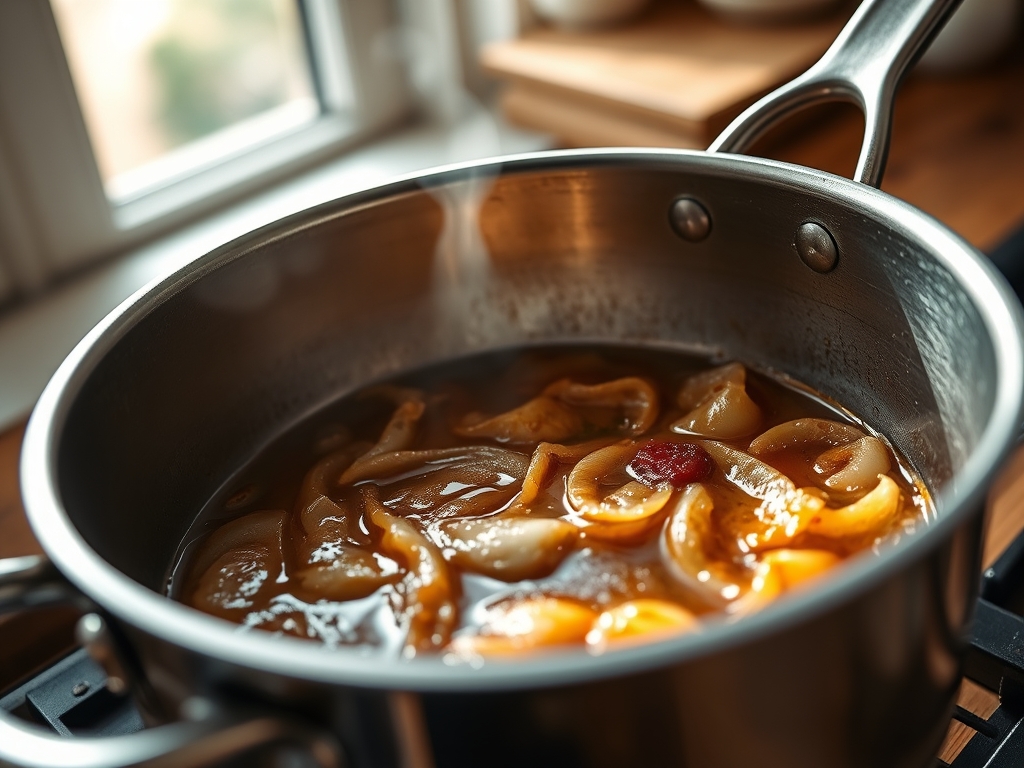
Sprinkle the salt evenly over the onions. This creates an osmotic gradient that draws water out of the cells. The onions will initially look translucent and wet; this is the "sweating" phase where you must render the moisture.
Pro Tip: Salt speeds up the softening of the cell walls by drawing out the liquid, which then acts as a medium for even heat distribution across the pan.
Step 4: The Deglazing Cycle
As the water evaporates, sugars will begin to stick to the bottom of the pan, forming a brown film known as fond. When the scent shifts from "sweet" to "toasty," add 15ml of water or wine to deglaze the pan. Use a wooden spatula to scrape those sugars back onto the onions.
Pro Tip: Deglazing prevents localized hotspots from carbonizing. Repeating this three times ensures a deep, mahogany color and an infuse of flavor throughout the entire batch.
Section B: Prep & Timing Fault-Lines:
The most common failure is "The Crowded Pan Syndrome." If the layer of onions is too thick, the steam cannot escape, and you will boil your onions rather than sauté them. If you see excessive liquid pooling, increase the heat immediately or split the batch. Another fault-line is premature agitation. If you stir too often, you prevent the Maillard reaction from taking hold. Let the onions sit for 2-3 minutes between stirs to allow the sugars to shift.
THE VISUAL SPECTRUM
Section C: Thermal & Visual Troubleshooting:
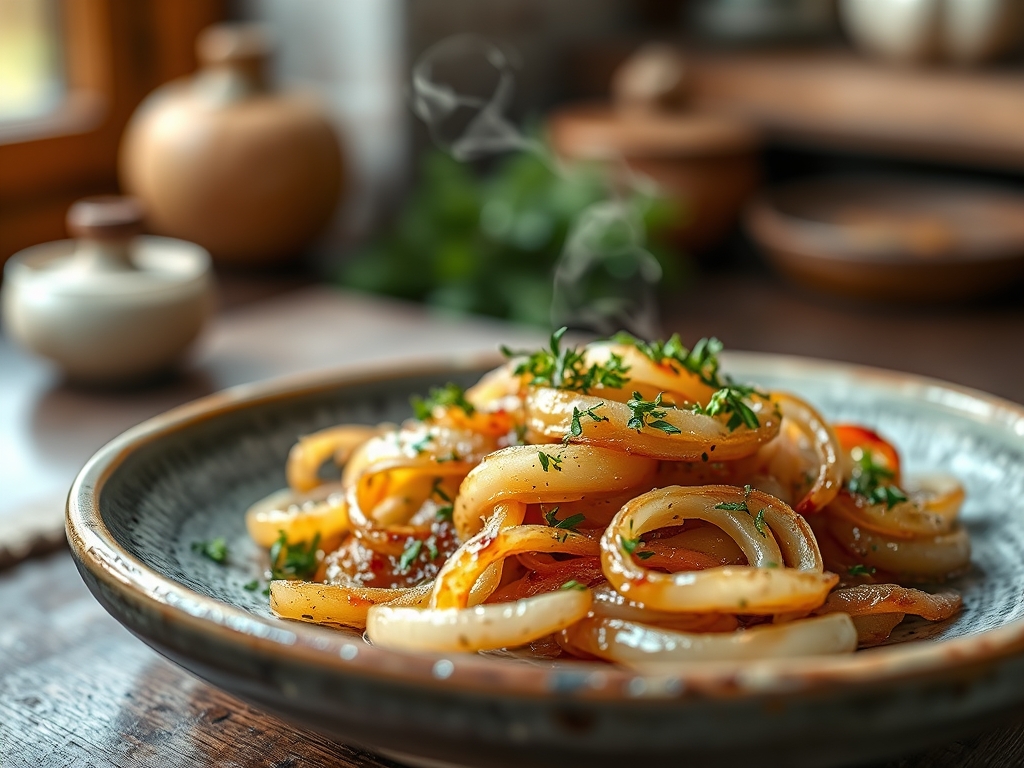
Referencing the Masterclass photo, your onions should exhibit a uniform, golden-bronze hue with soft, slightly blurred edges. If you see black specks, your heat is too high; remove from the burner and add a splash of water to cool the metal. If the onions look grey or dull, you likely skipped the salt or used a pan with poor heat retention, like thin aluminum. To fix a dull appearance, add a teaspoon of balsamic vinegar or honey at the very end to provide a glossy, viscous sheen and a punch of acidity to balance the heavy fats.
THE DEEP DIVE
Macro Nutrition Profile:
Per serving, these onions provide approximately 95 calories, 7g of fat (mostly from the butter/oil), 8g of carbohydrates, and 2g of fiber. They are a powerhouse of quercetin, an antioxidant that survives the heating process.
Dietary Swaps:
- Vegan: Replace butter with a high-quality vegan buttery spread or simply use extra virgin olive oil.
- Keto: Onions have natural sugars; keep portions to 50g to stay within carb limits. Use ghee for a higher smoke point and richer flavor.
- GF: Naturally gluten-free. Ensure any deglazing liquids like beer or broth are certified GF.
Meal Prep & Reheating Science:
Caramelized onions freeze exceptionally well because their cellular structure is already collapsed. To reheat, avoid the microwave, which can make them rubbery. Instead, use a small skillet over low heat with a teaspoon of water to aerate and re-emulsify the fats, restoring the original silky texture.
THE KITCHEN TABLE
Why do my onions smell like sulfur?
This usually happens in the first five minutes as amino acids break down. Continue cooking; as the temperature rises, these compounds transform into the sweet, nutty aromatics associated with a successful sugar shift.
Can I use red onions for this?
Yes, but the anthocyanins (red pigments) can turn a muddy grey-blue when exposed to high heat and alkaline environments. Add a drop of lemon juice to maintain the vibrant purple-red hue.
How do I stop my eyes from watering?
Chill the onions for 30 minutes before cutting. This slows down the enzymatic reaction that creates the gas. Also, ensure your knife is razor-sharp to slice through cells rather than crushing them.
What is the best pan for this?
Cast iron or stainless steel are superior. They have high thermal mass, meaning they don't drop in temperature when the onions hit the surface, ensuring a consistent and rapid sear.