Stop treating your spice cabinet like a graveyard of forgotten flavors. If you are not actively Smelling Spices Toast in a dry pan before they hit your fat source; you are leaving fifty percent of the culinary potential on the table. We are here to discuss the violent liberation of essential oils. When heat meets a dormant peppercorn or a dried cumin seed; it triggers a thermal expansion that ruptures the cellular walls. This is not just cooking; it is a high stakes extraction of volatile compounds like piperine and cuminaldehyde. The air in your kitchen should shift from neutral to aggressive. It should be piquant and heavy with the scent of toasted earth. As an auditor of infrastructure; I demand that you respect the chemistry of the sear. If the aroma does not hit the back of your throat with a sharp; nutty intensity; you have failed the thermal threshold. We are chasing the exact moment before carbonization where the flavor profile peaks. Let us audit your technique.
THE DATA MATRIX
| Metric | Specification |
|---|---|
| Prep Time | 5 Minutes |
| Execution Time | 8 Minutes |
| Yield | 4 Servings |
| Complexity | 4/10 |
| Estimated Cost per Serving | $1.25 |
THE GATHERS
Ingredient Protocol:
- Whole Cumin Seeds: 15g / 2 tbsp
- Whole Coriander Seeds: 10g / 1.5 tbsp
- Black Peppercorns: 5g / 1 tsp
- Green Cardamom Pods: 4 units / 0.5 tsp
- Neutral Oil (Grapeseed): 30ml / 2 tbsp
- Kosher Salt: 6g / 1 tsp
- Fresh Garlic: 15g / 3 cloves (minced)
Section A: Ingredient Quality Audit:
Sub-par raw materials are the primary cause of flavor bankruptcy. If your spices are over six months old; the volatile oils have likely oxidized or evaporated. Technical Fix: Perform a crush test. Place a seed on a hard surface and press with a heavy spoon. If it shatters into dust without releasing a pungent aroma; discard it. For spices that are slightly stale but not yet dead; a 30-second soak in room temperature water followed by a complete pat-dry can rehydrate the external husk; allowing for a more even heat distribution during the toast. However; nothing replaces high-quality; single-origin whole seeds. Avoid pre-ground powders at all costs; as their surface area is too high; leading to immediate oxidation and a bitter; one-dimensional profile.
THE MASTERCLASS
Step-by-Step Execution:
1. The Dry Thermal Activation
Place your stainless steel saucier over medium-high heat. Do not add oil yet. Introduce the whole seeds to the dry surface. Shake the pan constantly using a rhythmic wrist motion to ensure every seed makes contact with the hot metal without scorching.
Pro Tip: This is the Maillard reaction in its purest form. By avoiding oil initially; you allow the internal moisture of the seed to steam the husk from the inside out. This makes the spice more brittle and easier to grind later. Use a digital scale to ensure your ratios are exact; as even a 2-gram deviation in cardamom can overwhelm the entire profile.
2. The Olfactory Threshold
Continue the dry toast until you are Smelling Spices Toast with a distinct; nutty fragrance. The color will shift from a pale tan to a deep; burnished bronze. This usually occurs between the 90-second and 120-second mark.
Pro Tip: Use your nose as a chemical sensor. The moment the scent transitions from "raw" to "toasted;" the volatile oils have reached the surface. If you wait until you see smoke; you have reached the point of no return. Professional chefs often use a bench scraper to quickly move spices from the hot pan to a cold ceramic plate to halt the carry-over cooking.
3. The Lipid Infusion
Lower the heat to medium. Add your 30ml of neutral oil to the pan. The oil will immediately begin to shimmer. Add your minced garlic and salt. The oil acts as a solvent; capturing the fat-soluble flavor compounds that you just brought to the surface.
Pro Tip: This process is called "blooming." The oil must be viscous enough to coat the spices but not so hot that it fries the garlic instantly. The goal is to infuse the fat. The salt acts as an abrasive; further breaking down the garlic cell walls to create a cohesive paste.
4. Aeration and Cooling
Once the garlic is golden; remove the pan from the heat. Stir the mixture vigorously to aerate the oil; which helps in cooling and prevents the residual heat from burning the delicate coriander husks.
Pro Tip: If you intend to use this as a base for a sauce; you can deglaze the pan now with a splash of citrus or stock. This lifts the fond (the brown bits) from the bottom of the saucier; integrating those concentrated sugars back into your flavor matrix.
Section B: Prep & Timing Fault-Lines:
The most common human error is "thermal lag." This happens when the cook waits for the spices to look dark before removing them. Because the pan retains heat; the spices continue to cook for 30 seconds after the flame is off. The Fix: Always pull the pan ten seconds before you think they are done. Another fault-line is uneven knife work on the garlic. If the pieces are inconsistent; the small bits will burn while the large bits remain raw. Use a microplane or a heavy chef's knife to achieve a uniform mince.
THE VISUAL SPECTRUM
Section C: Thermal & Visual Troubleshooting:
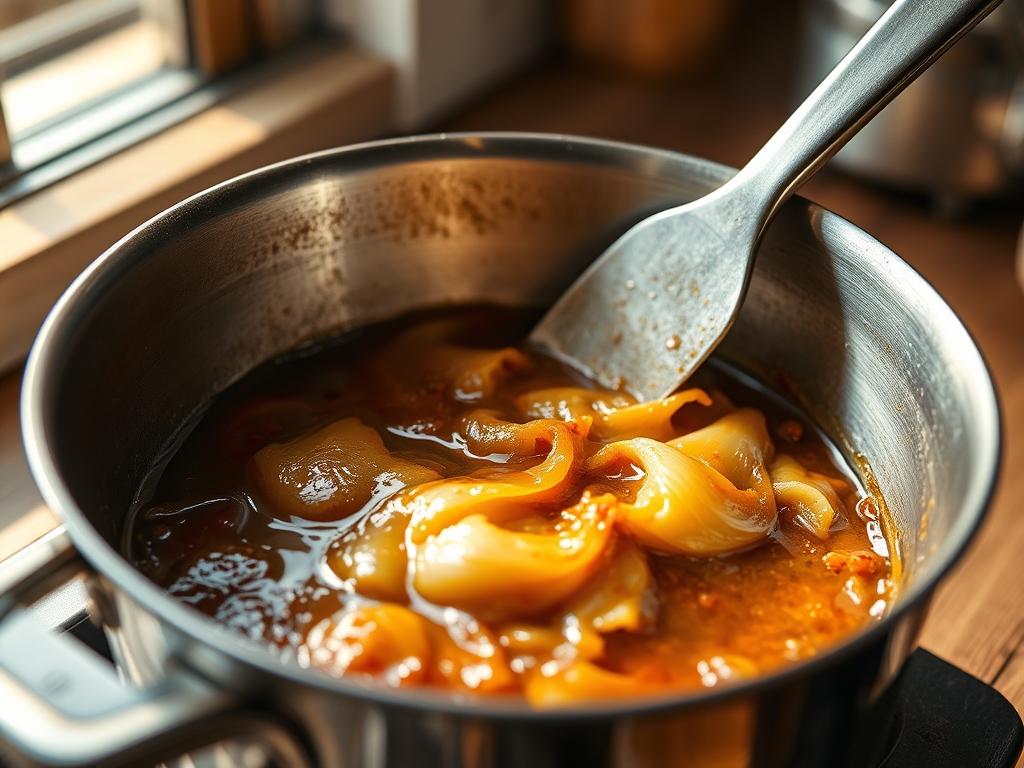
Look at the Masterclass photo above. Notice the "halo" of oil around each seed; this indicates proper emulsification of the fats and spice solids. If your pan looks dry; your oil-to-spice ratio is off. If the coriander seeds appear black instead of mahogany; your heat was too high. Uneven browning usually suggests a crowded pan; ensure your spices are in a single layer. If the color is dull; your spices are likely old and lack the oil content necessary to "shine" when heated. A successful toast should result in seeds that look slightly plump and glossy.
THE DEEP DIVE
Macro Nutrition Profile
This technique adds negligible calories but massive micronutrient density. Whole spices are rich in antioxidants and minerals like manganese and iron. Per serving; expect approximately 70 calories (mostly from the healthy fats in the oil) and 1g of fiber.
Dietary Swaps
- Vegan: This protocol is inherently vegan. Ensure your neutral oil is plant-based.
- Keto: Perfect for keto; as it focuses on high-quality fats and zero net carbs.
- GF: Spices are naturally gluten-free; but always check for cross-contamination in bulk bins.
Meal Prep & Reheating Science
To maintain the molecular structure; do not grind the spices until you are ready to use them. If you must prep ahead; store the toasted oil-and-spice mixture in an airtight glass jar in the refrigerator. When reheating; do so gently over low heat. Rapid microwaving will cause the volatile oils to dissipate; leaving you with a flat; greasy result.
THE KITCHEN TABLE
Why do my spices taste bitter after toasting?
You likely crossed the smoke point. Bitterness is the result of carbonization. Once the oils burn; they release acrid compounds. Next time; pull the pan the moment the aroma becomes intense.
Can I toast pre-ground spices?
It is not recommended. Ground spices have too much surface area and burn in seconds. If you must; use extremely low heat and constant agitation; but the flavor will never match whole seeds.
What is the best pan for this?
Stainless steel or cast iron. Avoid non-stick surfaces; as the high dry heat required for the initial toast can damage the coating and release unwanted fumes.
How do I know if my spices are too old?
The "Smell Test" is king. If you cannot smell the spice from six inches away while it is raw; it is too old to provide a professional-grade result.
Should I wash my spices first?
Generally; no. Moisture is the enemy of the Maillard reaction. If you feel they are dusty; a quick wipe with a dry cloth is sufficient. Keep the environment dry for maximum oil activation.