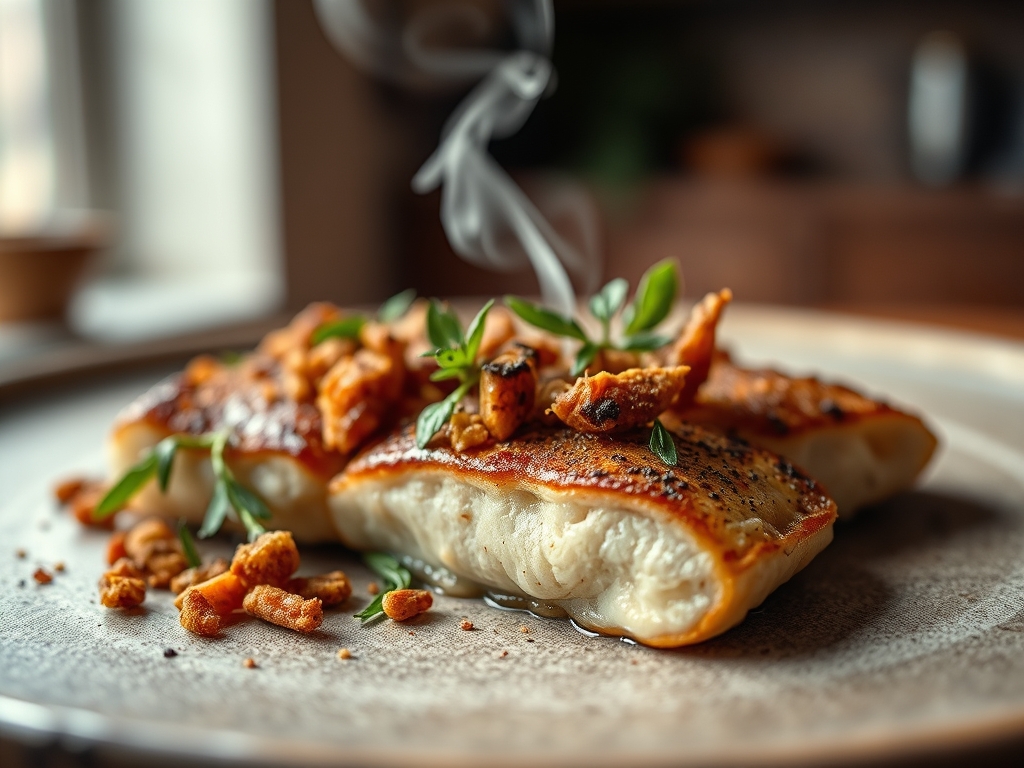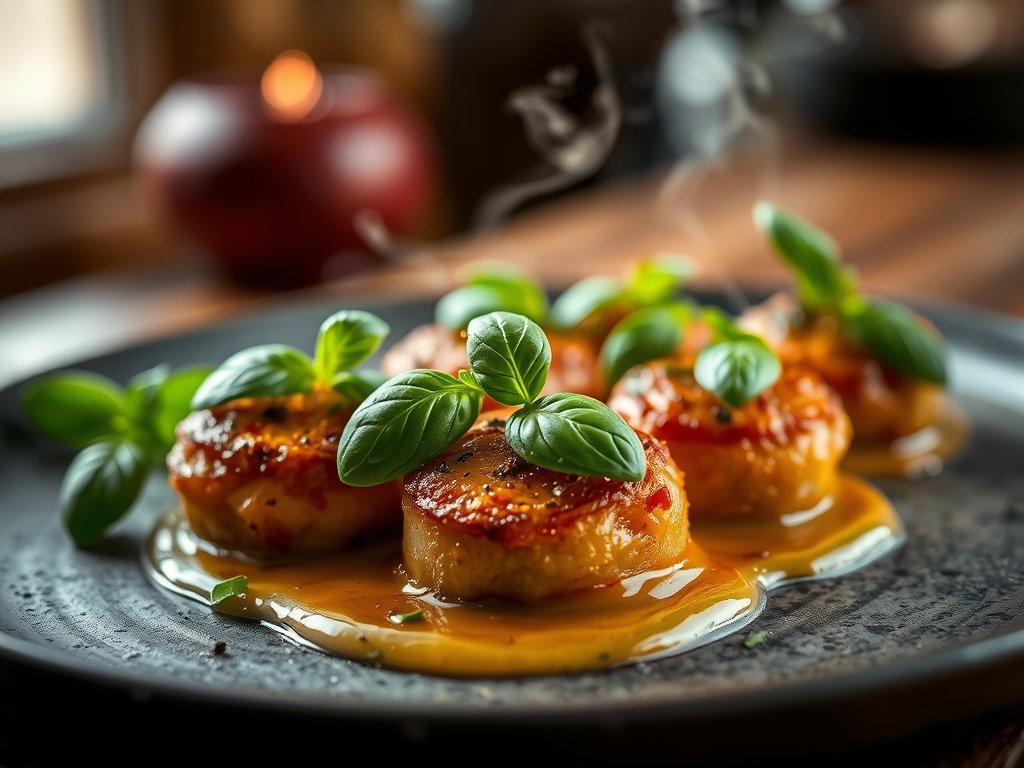
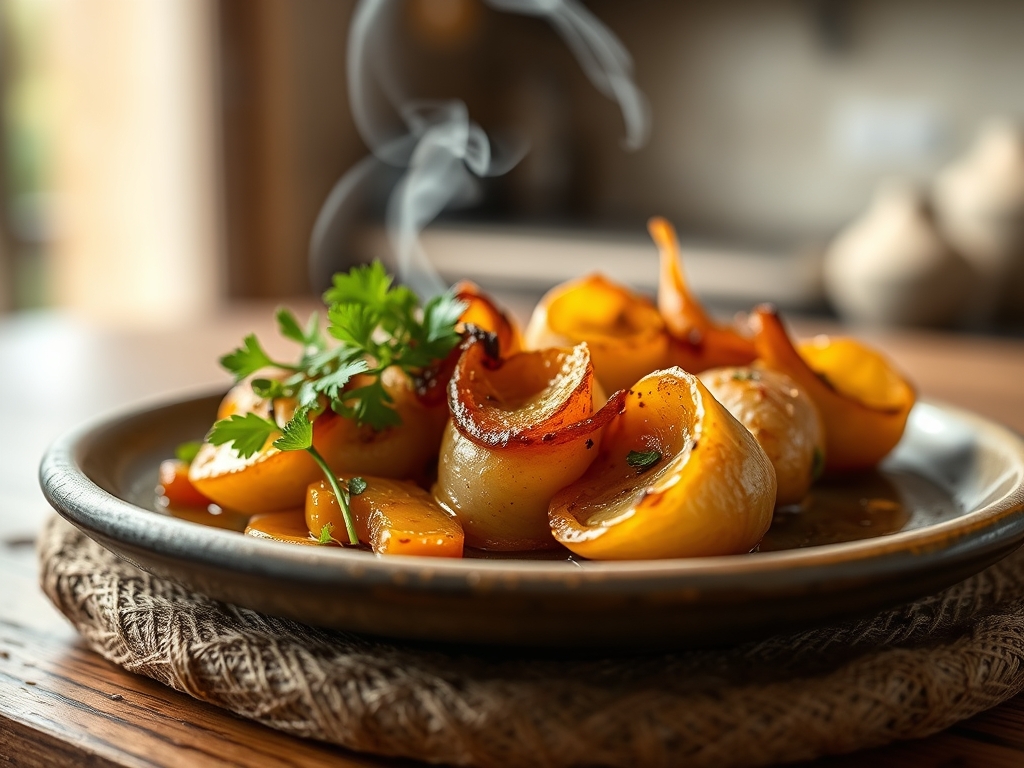
Stop treating your kitchen like a hobbyist's craft room and start treating it like a high-performance chemical laboratory. We are here to talk about the most volatile, aggressive, and rewarding reaction in the culinary canon: the Garlic Allicin Bloom. When you crush a clove of garlic, you are not just breaking a vegetable; you are initiating a mechanical rupture of cell walls that allows the enzyme alliinase to collide with the substrate alliin. This is a biological defense mechanism turned into a flavor powerhouse. The resulting compound, allicin, is a fleeting, piquant masterpiece that begins to degrade the moment it is born. If you wait too long, you lose the bite. If you heat it too fast, you scorch the soul of the dish. We are looking for that perfect window of aromatic peak performance where the sulfur compounds are stabilized by a lipid medium, creating a viscous, golden base that serves as the structural foundation for everything from a classic aglio e olio to a complex pan sauce. Let us audit your technique.
THE DATA MATRIX
| Metric | Specification |
|---|---|
| Prep Time | 12 Minutes |
| Execution Time | 8 Minutes |
| Yield | 4 Servings |
| Complexity (1-10) | 7 (Thermal precision required) |
| Estimated Cost per Serving | $1.15 |
THE GATHERS
Ingredient Protocol:
- 8 Large Cloves / 45g Fresh Hardneck Garlic
- 120ml / 0.5 Cup Extra Virgin Olive Oil (High Polyphenol Count)
- 5g / 1 Tsp Red Chili Flakes (Silk Road or Calabrian)
- 15ml / 1 Tbsp Fresh Lemon Juice
- 3g / 0.5 Tsp Flaky Sea Salt
- 10g / 2 Tbsp Flat Leaf Parsley (Finely Chiffonade)
Section A: Ingredient Quality Audit:
If your garlic cloves exhibit green internal sprouts, you are dealing with "germinated bitterness." These sprouts contain concentrated sulfur compounds that turn acrid when heated. Technical Fix: Slice the clove lengthwise and excise the green germ with a paring knife before processing. If your olive oil lacks a peppery finish, it is likely oxidized or low in antioxidants. To salvage the profile, infuse the oil with a pinch of high-quality dried oregano during the cold-start phase to add back the missing phenolic depth. Always ensure your citrus is at room temperature to maximize juice yield and enzymatic activity.
THE MASTERCLASS
1. Mechanical Cell Rupture
Place your peeled cloves on a heavy-duty wooden board. Use a wide-blade stainless steel bench scraper or the flat side of a chef's knife to apply vertical pressure. Crush the cloves until the fibers split, then mince into a fine paste.
Pro Tip: Adding a pinch of coarse salt during the mincing process acts as an abrasive. This increases the surface area exposure, accelerating the Garlic Allicin Bloom by ensuring maximum enzymatic contact before the garlic ever touches the pan.
2. The Cold-Start Infusion
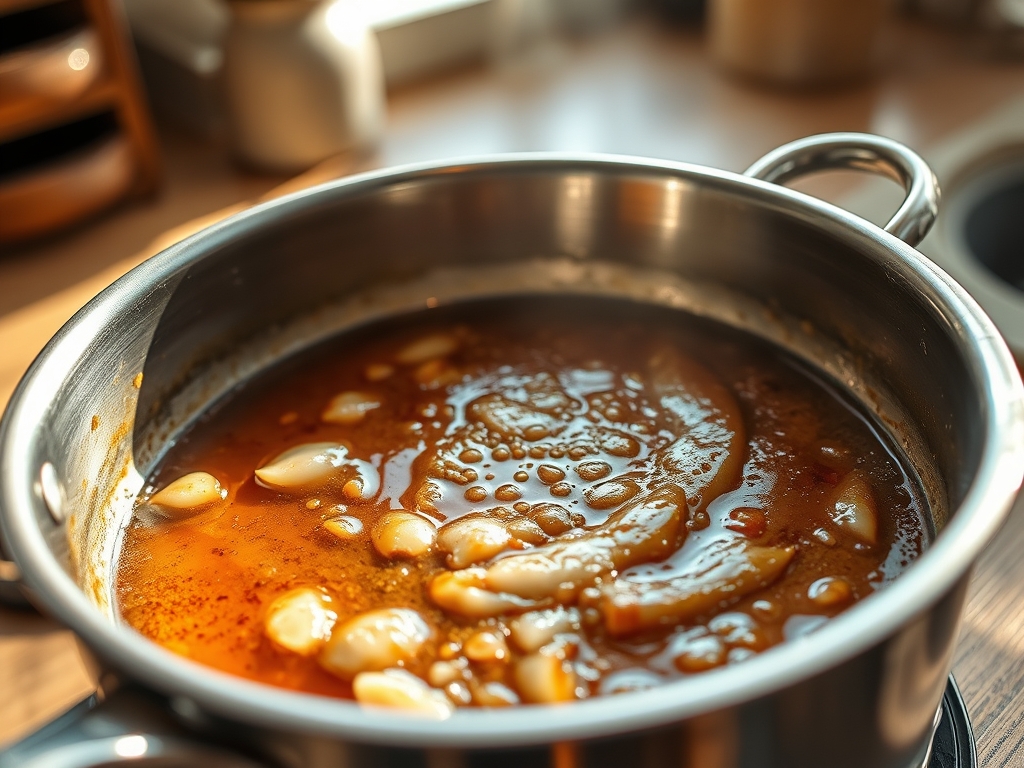
Transfer the garlic paste and olive oil into a cold stainless steel saucier. Do not preheat the pan. Turn the heat to the lowest possible setting. This allows the lipids to gently render the aromatic compounds without reaching the smoke point of the oil.
Pro Tip: Starting in a cold pan prevents the exterior of the garlic from seizing. It allows the oil to penetrate the cellular structure, creating a more viscous and uniform flavor distribution throughout the entire fat volume.
3. Thermal Monitoring and Aeration
As the oil begins to shimmer, use a silicone spatula to constantly move the garlic. You are looking for tiny, uniform bubbles. This is the moisture leaving the garlic. Once the aroma shifts from "raw" to "toasted nut," add your chili flakes to deglaze the intensity of the heat.
Pro Tip: Use a digital scale to measure your aromatics. Variations in clove size can alter the garlic-to-oil ratio by up to 30 percent, which radically changes the rate of caramelization and the risk of scorching.
4. Acid Stabilization
The moment the garlic reaches a pale straw color, whisk in the lemon juice. This immediate drop in temperature halts the cooking process and the acid stabilizes the sulfur compounds, locking in the Garlic Allicin Bloom.
Pro Tip: The introduction of acid creates a temporary emulsion with the oil. This helps aerate the sauce, giving it a lighter mouthfeel while preventing the garlic bits from sinking to the bottom of the plate.
Section B: Prep & Timing Fault-Lines:
The most common failure in this infrastructure is "Thermal Overshoot." If you walk away from the saucier for even thirty seconds, the residual heat of the pan will carry the garlic from golden to carbonized. To prevent this, have a cold bowl or your next ingredient (like cooked pasta or stock) ready to go. If the garlic turns a dark tan, the flavor profile has shifted to bitter. Discard and restart. There is no chemical recovery for burnt alliums.
THE VISUAL SPECTRUM
Section C: Thermal & Visual Troubleshooting:
Referencing the Masterclass photo, observe the "Halo Effect." The garlic should be suspended in the oil, appearing translucent with a slight golden periphery. If your garlic looks "chalky" or white, it hasn't stayed in the lipid bath long enough to infuse. If the oil appears cloudy, you likely introduced moisture too early or used a low-quality oil with high water content. To fix a dull color, add a micro-pinch of turmeric or high-quality saffron; this restores the vibrant "Visual Spectrum" expected of a professional-grade bloom. The texture should be soft, almost jam-like, not crunchy or brittle.
THE DEEP DIVE
Macro Nutrition Profile
Per serving, this infusion provides approximately 260 calories, primarily from heart-healthy monounsaturated fats. Garlic offers manganese, Vitamin B6, and Vitamin C, though the primary benefit remains the organosulfur compounds which have documented anti-inflammatory properties.
Dietary Swaps
- Vegan: Naturally compliant. Ensure the lemon juice is fresh to maintain the bright pH balance.
- Keto: Perfect as-is. Use this as a dressing for steamed cruciferous vegetables to hit fat macros.
- GF: Naturally gluten-free. Use as a base for zucchini noodles or spaghetti squash.
Meal Prep & Reheating Science
To maintain the molecular structure, do not microwave this sauce. Rapid electromagnetic heating shatters the emulsion and turns the garlic rubbery. Reheat in a small pan over low heat, adding a teaspoon of water to create steam, which helps re-hydrate the garlic fibers and prevents the oil from breaking.
THE KITCHEN TABLE
Why does my garlic turn blue?
This is a reaction between sulfur and trace minerals (like copper) in your water or cookware. It is safe to eat but indicates your garlic is older. Use fresh, local cloves to avoid the "Smurf" effect.
Can I use a garlic press?
A press pulverizes cells too aggressively, often resulting in a metallic, overly pungent flavor. For a true Garlic Allicin Bloom, hand-mincing with a knife or bench scraper provides the superior structural integrity required for high-end results.
What is the best oil to use?
Use a cold-pressed Extra Virgin Olive Oil with a harvest date within the last 12 months. The high phenolic content acts as a preservative for the volatile sulfur compounds, ensuring the flavor stays sharp and clean.
How long does the bloom last?
The peak aromatic window is roughly 20 minutes. After this, the allicin begins to convert into other diallyl sulfides, which are less piquant and more savory. For the best "punch," serve immediately after the acid stabilization step.