Imagine the high stakes of a double-crust chicken pot pie or a delicate pithivier. You have spent hours laminating dough and perfecting a savory filling; yet, the moment the knife pierces the golden lid, you find a tragic, soggy bottom. This is a structural failure of the highest order. In the world of high-performance baking, we do not rely on hope; we rely on the Egg Wash Barrier. This protein-based sealant is the unsung hero of the culinary infrastructure. It acts as a molecular raincoat, preventing internal steam and moisture from migrating into the delicate starch matrix of your pastry. When heat hits the surface, the proteins in the egg denature and coagulate, creating a hydrophobic shield that locks in the crunch while providing that signature, lacquered sheen. We are talking about the difference between a limp, floury mess and a shattered-glass texture that resonates with every bite. If your crust lacks structural integrity, you are not just cooking; you are managing a slow-motion collapse. It is time to audit your technique and master the science of the surface.
THE DATA MATRIX
| Metric | Specification |
|---|---|
| Prep Time | 5 Minutes |
| Execution Time | 2 Minutes |
| Yield | 120ml / 0.5 Cup |
| Complexity (1-10) | 2 |
| Estimated Cost per Serving | $0.08 |
THE GATHERS
Ingredient Protocol:
- 1 Large Organic Egg (50g / 1.75 oz)
- 15ml / 1 tbsp Heavy Cream or Whole Milk
- 1.25g / 0.25 tsp Fine Sea Salt
- 5ml / 1 tsp Filtered Water (optional for viscosity adjustment)
Section A: Ingredient Quality Audit:
The primary failure point in an Egg Wash Barrier is often the age of the protein. Old eggs have weakened chalazae and watery whites; this results in a thin, inconsistent film that streaks rather than coats. If your eggs are past their prime, the wash will lack the viscous quality needed to cling to the fat-heavy dough. To fix this, increase the salt content slightly. Salt acts as a chemical tenderizer for the proteins, breaking down the thick albumen bonds and allowing for a more homogenous liquid. Furthermore, if using low-fat milk instead of heavy cream, you lose the Maillard-enhancing lactose density. The fix is simple: add a pinch of granulated sugar to encourage caramelization if you are forced to use a leaner dairy component.
THE MASTERCLASS
1. Protein Homogenization
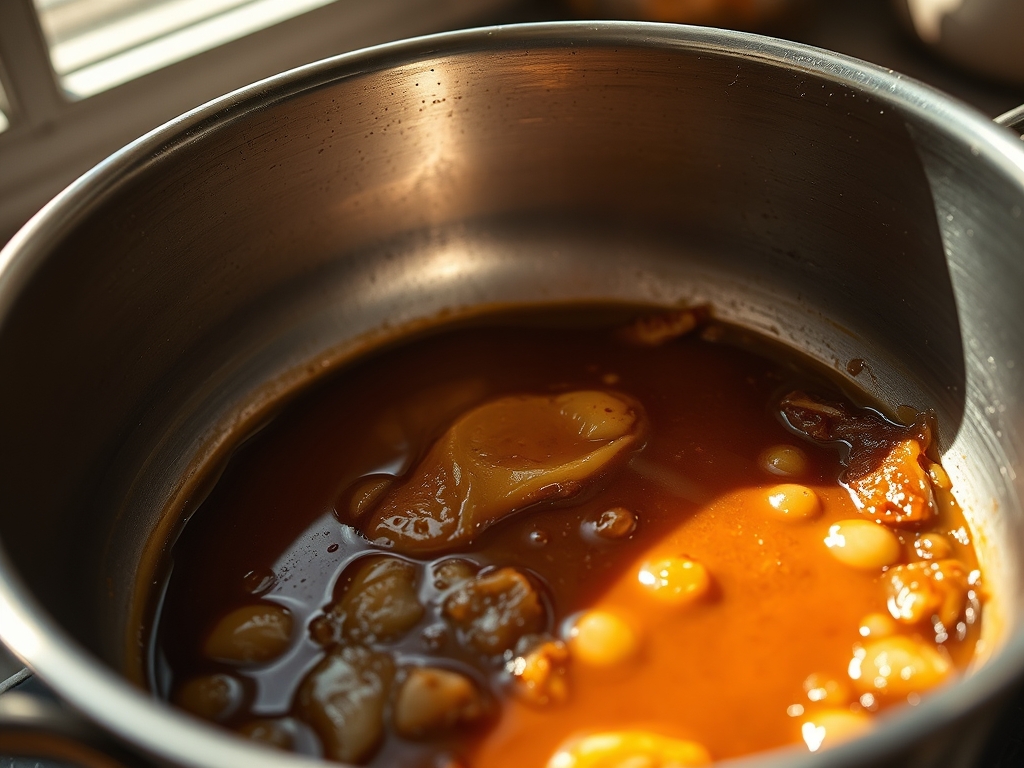
Place your room-temperature egg into a small stainless steel saucier or glass bowl. Use a fork or a small whisk to break the yolk and incorporate the white until no "slugs" of albumen remain.
Pro Tip: Use a digital scale to ensure your ratio of dairy to egg is precise. Too much liquid dilutes the protein concentration, weakening the waterproof seal and resulting in a dull finish.
2. The Osmotic Thinning
Add your sea salt and heavy cream to the mixture. Whisk vigorously for 30 seconds to aerate the liquid slightly, though you should avoid creating large bubbles that will mar the surface of the pastry.
Pro Tip: Salt does more than season; it denatures the egg proteins, making the wash more fluid and easier to apply in a thin, even layer. Professional bakers often strain the mixture through a fine-mesh sieve to remove any stubborn protein strands.
3. Application and Curing
Using a natural bristle pastry brush, apply a thin layer of the wash to the chilled dough. For a true Egg Wash Barrier, apply one coat, let it set in the refrigerator for ten minutes, and then apply a second coat before scoring with a bench scraper.
Pro Tip: The double-coat method creates a reinforced polymer-like shield. The first layer fills the microscopic pores of the dough, while the second layer provides the aesthetic "high-gloss" finish seen in professional patisseries.
Section B: Prep & Timing Fault-Lines:
Temperature is the most common human error in this protocol. If the dough is too warm when the wash is applied, the fat in the pastry begins to render prematurely, mixing with the egg and preventing a clean bond. Always ensure your pastry is below 40 degrees Fahrenheit before application. Timing is equally critical; if you apply the wash and let it sit at room temperature for too long, the moisture in the wash can actually start to soften the very crust you are trying to protect. Apply, then bake immediately or return to the "cold chain."
THE VISUAL SPECTRUM
Section C: Thermal & Visual Troubleshooting:
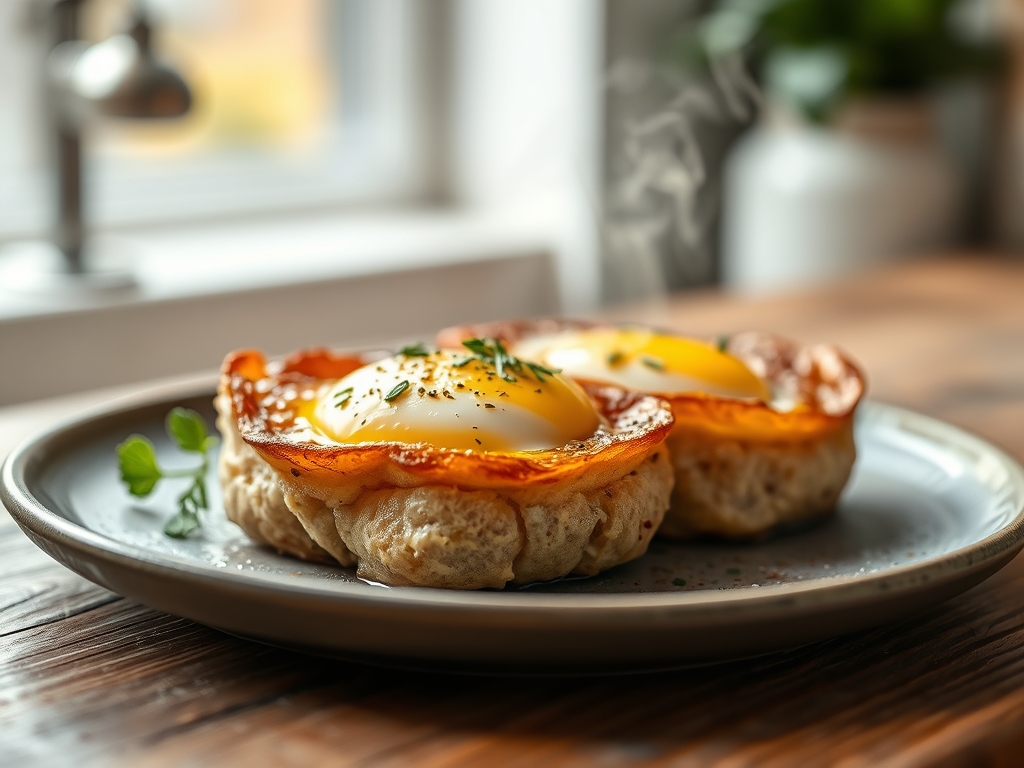
Look at the reference image above. Notice the deep, mahogany hue and the absence of pooling in the crevices. If your crust looks "patchy," you likely had uneven moisture on the dough surface. Use a paper towel to pat the dough dry before brushing. If the finish is dull and matte, you lacked sufficient fat or sugar in your wash; ensure you are using heavy cream to provide the necessary lipids for a reflective sheen. If the wash is "beading" off the dough like rain on a waxed car, the dough is too cold or too fatty. Lightly dust the surface with a microscopic amount of flour, then brush again to provide "teeth" for the wash to grip.
THE DEEP DIVE
Macro Nutrition Profile:
While the Egg Wash Barrier is a functional tool rather than a meal, it contributes approximately 70 calories and 5 grams of protein per total batch. Per serving, the caloric impact is negligible, making it a high-value technique for low-calorie cost.
Dietary Swaps:
- Vegan: Substitute the egg with a mixture of soy milk and agave nectar. The sugars provide the Maillard reaction, while the soy protein offers a modest structural seal.
- Keto/GF: Use a pure egg yolk and heavy cream mixture. Avoid any sugar-based additives. This ensures a high-fat, high-protein lacquer without carbal interference.
Meal Prep & Reheating Science:
The molecular structure of a properly applied egg wash helps maintain the "shatter" during reheating. When using a toaster oven, the protein film reflects intense radiant heat, preventing the internal dough from becoming rubbery. It effectively creates a micro-climate within the crust, keeping the interior moist while the exterior stays crisp.
THE KITCHEN TABLE
Why is my egg wash streaky?
Streaks occur when the egg whites are not fully incorporated. Use a pinch of salt to break the protein bonds and strain the mixture through a fine-mesh sieve to ensure a perfectly smooth, professional-grade liquid.
Can I use just water instead of milk?
Water will provide a crisp crust but lacks the fats and sugars required for a deep, golden-brown glow. For the ultimate Egg Wash Barrier, dairy is the superior choice for both aesthetics and structural integrity.
How do I prevent the wash from sticking to the pan?
Precision is key. Use a light hand and avoid letting the liquid pool at the base of the pastry. If the wash runs down the sides and touches the pan, it acts as a culinary glue.
Should I wash the bottom of the pie?
Absolutely. Brushing the interior of a bottom crust before adding a wet filling creates a waterproof seal. This prevents the "soggy bottom" syndrome by blocking juice infiltration into the raw dough during the initial bake.