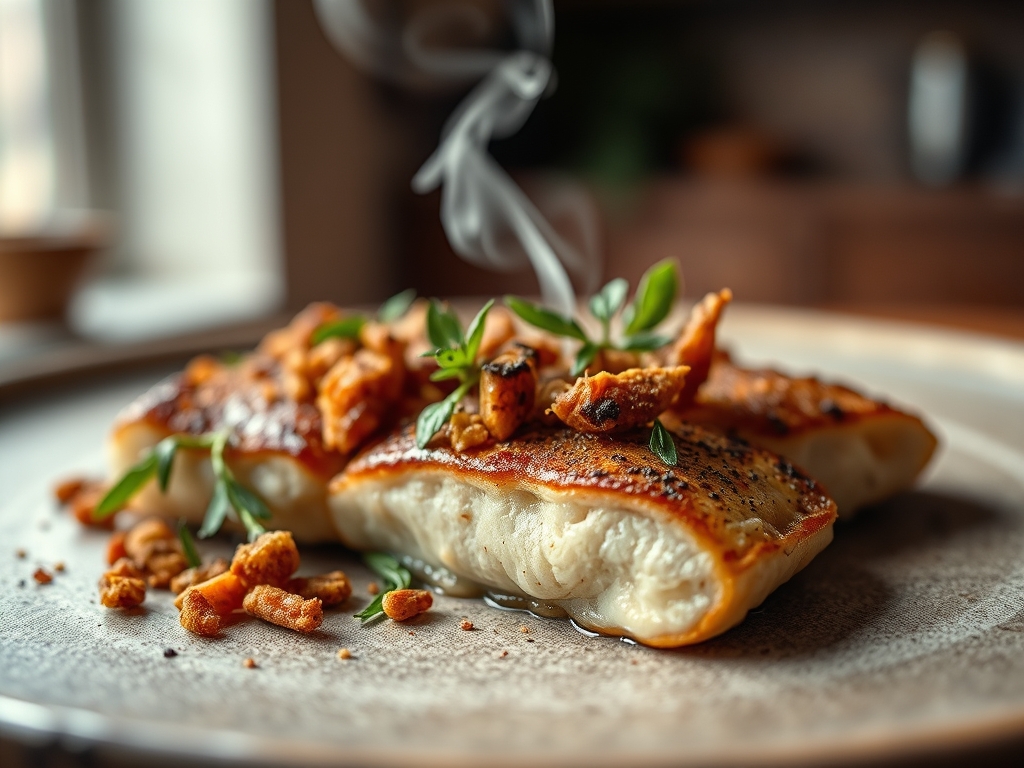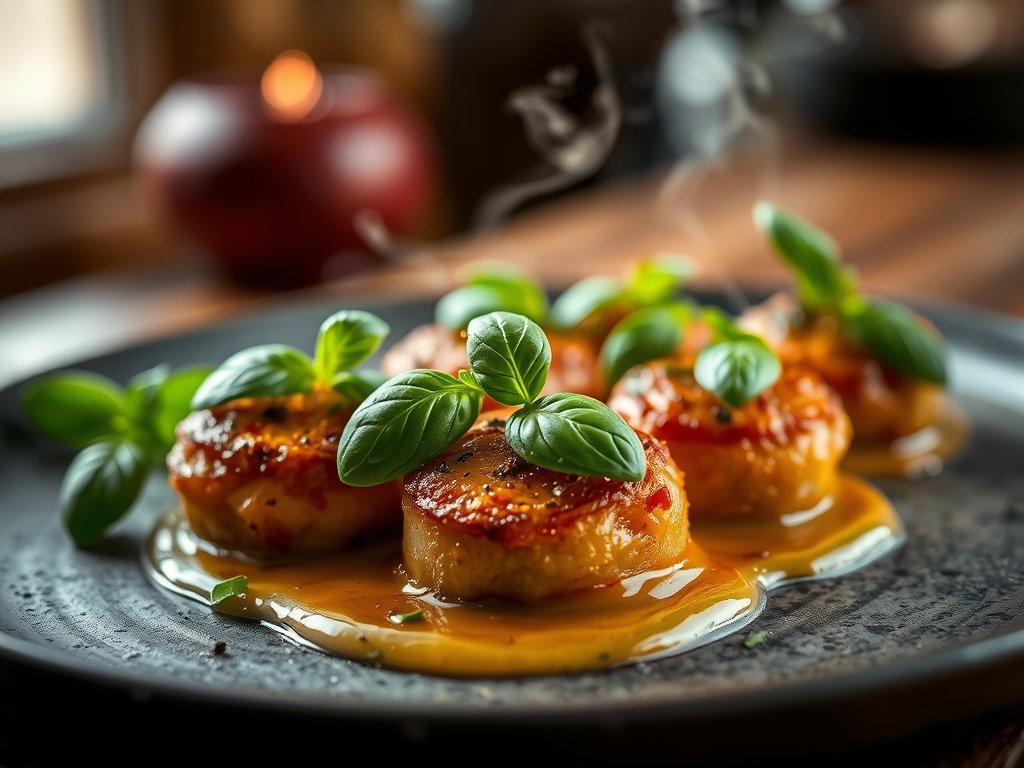
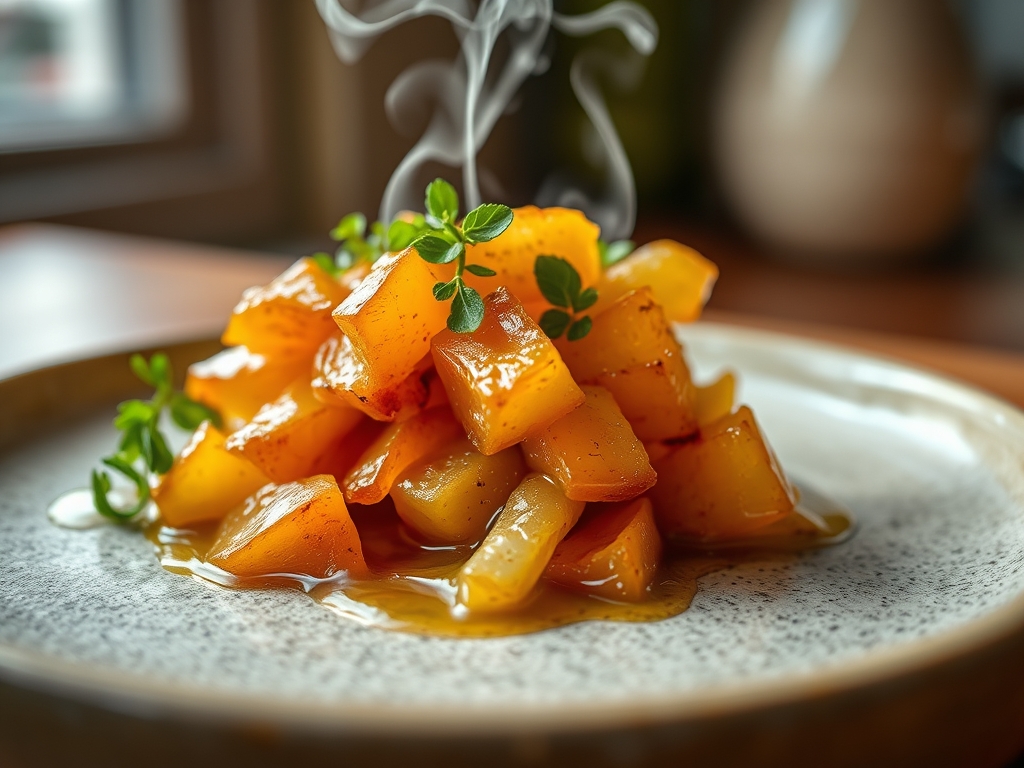
The air in a high performance kitchen is not merely oxygen; it is a pressurized theater of volatile organic compounds. When you introduce a high quality acetic solution to a searing hot carbon steel pan, you trigger what we professionals call the Vinegar Acid Bloom. This is the precise moment where the liquid hits the thermal threshold and aerosolizes, sending a sharp, piquant cloud of electrified molecules straight into your sinus cavities. It is a sensory alarm clock that signals the transition from raw heat to refined flavor. If your eyes are not watering just a little, you have failed the thermal entry requirement. This bloom is the catalyst for deglazing; it strips the caramelized proteins from the base of the pan and suspends them in a shimmering, acidic suspension. We are not just making a sauce here. We are conducting a molecular audit of surface tension and vapor pressure. Brace your palate for a structural overhaul because once the Vinegar Acid Bloom clears, the remaining reduction will be the most potent weapon in your culinary arsenal.
THE DATA MATRIX
| Metric | Specification |
|---|---|
| Prep Time | 15 Minutes |
| Execution Time | 25 Minutes |
| Yield | 4 Servings |
| Complexity (1-10) | 7 |
| Estimated Cost per Serving | $4.25 |
THE GATHERS
Ingredient Protocol:
- 500g / 1.1 lbs Center-cut Pork Medallions
- 120ml / 0.5 cup Aged Balsamic Vinegar (6% Acidity)
- 60ml / 4 tbsp Unsalted High-Fat Butter
- 30g / 2 tbsp Shallots, finely minced
- 5g / 1 tsp Fresh Thyme leaves
- 15ml / 1 tbsp Extra Virgin Olive Oil
- 250ml / 1 cup Fortified Veal Stock or Bone Broth
- 10g / 2 tsp Flaky Sea Salt
Section A: Ingredient Quality Audit:
If your vinegar lacks the necessary viscosity, it likely contains thickening agents like cornstarch or caramel color rather than natural grape must. To fix a thin, overly harsh vinegar, you must extend the reduction time to concentrate the natural sugars. If your shallots are sprouting green centers, remove the bitter germ before mincing; otherwise, the sulfurous bite will override the delicate floral notes of the Vinegar Acid Bloom. For sub-par stock that lacks gelatinous body, whisk in 2 grams of unflavored gelatin to simulate the mouthfeel of a professional-grade reduction.
THE MASTERCLASS
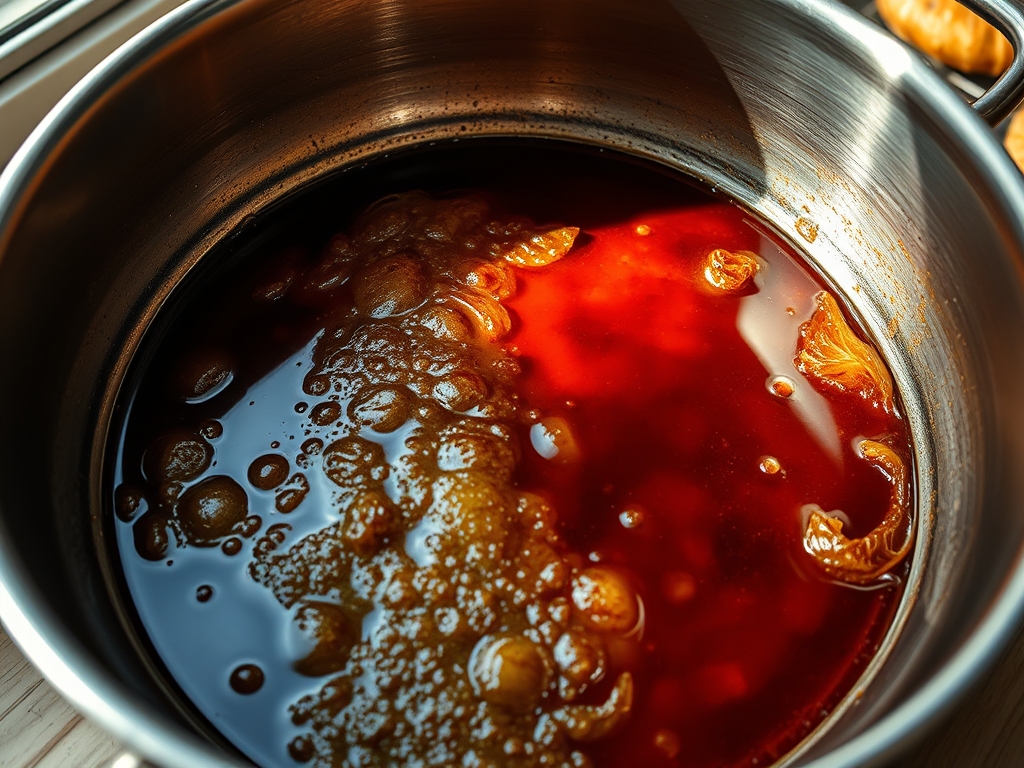
1. Thermal Priming and Protein Searing
Place your stainless steel saucier over medium-high heat. Use a digital scale to ensure your pork medallions are uniform in mass. Once the pan reaches 200C (392F), add the olive oil. Pat the protein bone-dry with a lint-free towel to prevent steam interference. Sear the medallions until a deep mahogany crust forms.
Pro Tip: This crust is the result of the Maillard reaction. Using a heavy-bottomed saucier ensures even heat distribution, preventing "hot spots" that cause localized carbonization before the rest of the surface can properly render.
2. The Deglaze and Vinegar Acid Bloom
Remove the protein and set it aside on a wire rack. Lower the heat slightly and add the minced shallots. Once translucent, pour the balsamic vinegar into the center of the pan. Stand back as the Vinegar Acid Bloom erupts, releasing the pungent vapors that loosen the fond from the pan floor.
Pro Tip: Use a stainless steel bench scraper or a flat-edged wooden spatula to aggressively scrape the bottom of the pan. The acetic acid acts as a solvent, dissolving the hardened proteins and integrating them into the liquid phase.
3. Molecular Reduction and Stock Integration
Pour in the fortified stock. Increase the heat to bring the mixture to a vigorous simmer. You are looking to reduce the volume by fifty percent. The goal is to reach a state where the liquid is viscous enough to coat the back of a spoon, a culinary state known as nappe.
Pro Tip: Constant agitation with a whisk helps aerate the sauce and encourages evaporation. Monitoring the reduction with a digital thermometer is helpful; as the water content drops, the boiling point of the remaining syrup will slightly rise.
4. Cold-Emulsion Mounting (Monter au Beurre)
Turn off the heat entirely. This is a critical structural phase. Whisk in the cold, cubed butter one piece at a time. The goal is to create a stable emulsion where the fat molecules are suspended within the acidic reduction, resulting in a glossy, velvet-like finish.
Pro Tip: If the sauce is too hot, the butter will "break" and turn into an oily mess. By using cold butter and residual heat, you ensure the milk solids act as emulsifiers, creating a thick, shimmering coating that clings to the protein.
Section B: Prep & Timing Fault-Lines:
The most common failure in this protocol is "The Stall." This occurs when the chef adds the stock before the Vinegar Acid Bloom has fully cooked out the raw, harsh notes of the acetic acid. If the sauce tastes like a cleaning product, you moved too fast. Conversely, if you reduce the sauce too far, it will become "tacky" and stick to the teeth. To fix an over-reduction, whisk in a tablespoon of warm water or stock to re-hydrate the sugars and restore the flow state.
THE VISUAL SPECTRUM
Section C: Thermal & Visual Troubleshooting:
Referencing the Masterclass photo, your final sauce should exhibit a deep, obsidian sheen with no visible oil separation. If the sauce appears dull or matte, you likely lacked enough butter or failed to emulsify it at a low enough temperature. If the pork appears grey rather than browned, your pan temperature was too low during the initial sear, leading to protein "stewing" in its own juices. The Vinegar Acid Bloom should leave the pan surface looking nearly clean; if black flecks are floating in your sauce, you burned the fond. Strain the sauce through a fine-mesh chinois to recover the texture.
THE DEEP DIVE
Macro Nutrition Profile:
A single serving provides approximately 320 calories, with 28g of protein, 14g of fat (primarily from the butter emulsion), and 12g of carbohydrates (mostly from the concentrated balsamic sugars).
Dietary Swaps:
For a Vegan alternative, replace the pork with thick-cut cauliflower steaks and use a high-quality cashew cream or cold coconut oil for the final emulsion. For Keto adherents, swap the balsamic vinegar (which is high in sugar) for a mixture of red wine vinegar and a drop of liquid stevia to mimic the sweetness without the glycemic load. This recipe is naturally Gluten-Free, provided your stock is not thickened with flour.
Meal Prep & Reheating Science:
To maintain the molecular structure when reheating, avoid the microwave. High-intensity radiation will break the emulsion, causing the butter to separate. Instead, use a gentle bain-marie or a small saucepan over low heat. Add a teaspoon of water and whisk constantly as the sauce warms to encourage the fat and acid to re-bind.
THE KITCHEN TABLE
Why did my sauce turn into a thick syrup?
You over-reduced the sugars in the vinegar. The Vinegar Acid Bloom transitioned into a caramelization phase. Whisk in a small amount of stock or water immediately to lower the viscosity and bring it back to a coating consistency.
Can I use apple cider vinegar instead?
Yes, but the flavor profile will shift from dark fruit to bright orchard notes. You may need to add a teaspoon of honey to balance the higher perceived acidity and lack of natural grape must density.
My sauce is broken and oily. Can I save it?
Yes. Remove it from the heat, add a teaspoon of cold water, and whisk violently. If that fails, start a new emulsion with a teaspoon of warm cream and slowly whisk the broken sauce into it.
Does the quality of the pan really matter?
Absolutely. Thin pans create hot spots that burn the vinegar during the bloom phase. A heavy-bottomed stainless steel or copper core pan provides the thermal mass required for a consistent, controlled reduction.