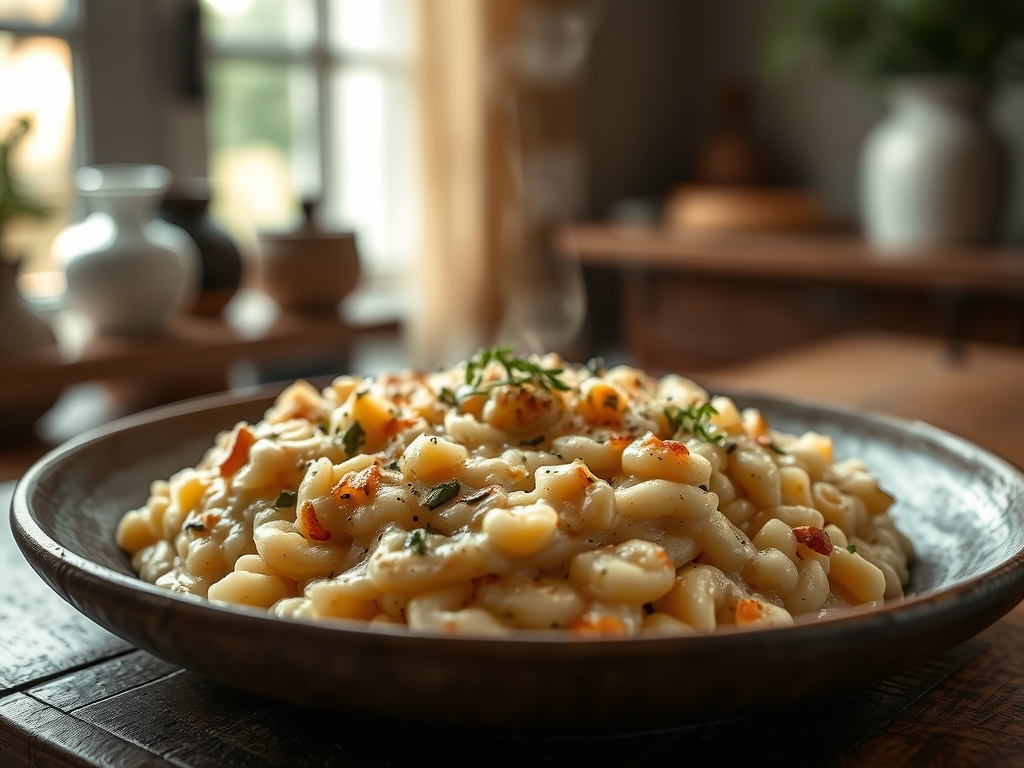
Stop treating your dinner like a carbohydrate delivery system and start treating it like a structural engineering project. Most home cooks fail the audit before the water even hits the boil because they lack the tactile intuition required for greatness. We are moving beyond the soft, mushy disgrace of over-boiled wheat. We are entering the realm of resistance. True culinary mastery is found in the micro-second between raw starch and structural collapse. This is about Feeling Pasta Firmness with the precision of a diamond cutter. When you bite into a perfectly executed noodle, there should be a distinct, central core of resistance that yields with a clean snap. It is a symphony of gluten networks and hydration levels. If your pasta feels like a wet sponge, you have failed the inspection. We are here to calibrate your palate and your fingertips to detect the exact moment of al dente perfection. Prepare for a high-velocity breakdown of the physics of the pot. We are auditing your kitchen for efficiency, texture, and soul.
THE DATA MATRIX
| Metric | Specification |
|---|---|
| Prep Time | 15 Minutes |
| Execution Time | 12 Minutes |
| Yield | 4 Servings |
| Complexity (1-10) | 7 |
| Estimated Cost per Serving | $3.50 |
THE GATHERS
Ingredient Protocol:
- 500g / 1.1 lbs Bronze-cut Dried Rigatoni
- 60ml / 0.25 cup Extra Virgin Olive Oil
- 4 Large Garlic Cloves (Smashed)
- 5g / 1 tsp Red Chili Flakes
- 100g / 3.5 oz Pecorino Romano (Finely Grated)
- 15g / 1 tbsp Kosher Salt (For the water)
- 250ml / 1 cup Starchy Pasta Water (Reserved)
Section A: Ingredient Quality Audit:
Sub-par raw materials are the primary cause of structural failure. If your pasta is smooth and shiny, it lacks the surface area to hold a viscous sauce. Fix this by sourcing "Pasta di Gragnano" or any brand using bronze dies; the rough texture is essential for friction. If your olive oil lacks a piquant throat-burn, it is likely oxidized or cut with seed oils. Audit your fats by tasting them raw. If the flavor is flat, infuse the oil with fresh herbs during the heating phase to artificially boost the aromatic profile. Finally, never use pre-shredded cheese. The cellulose coating prevents proper emulsification, resulting in a grainy mess rather than a sleek coating.
THE MASTERCLASS
1. The Salinity Calibration
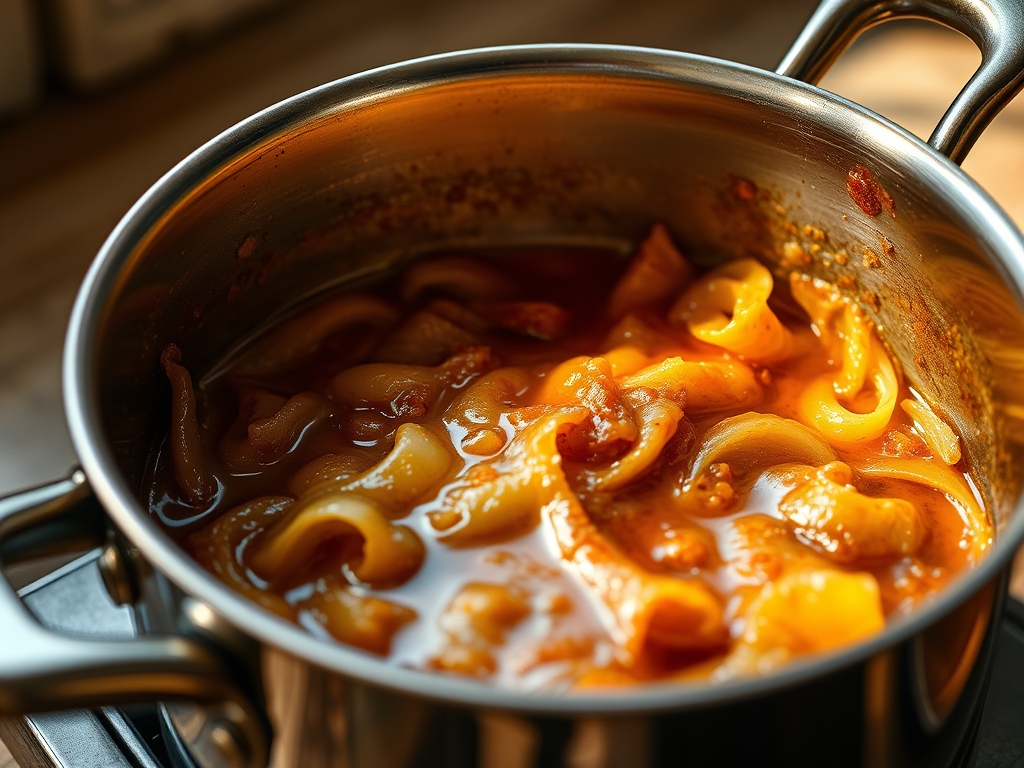
Begin by bringing 4 liters of water to a rolling boil in a heavy-bottomed stockpot. Add your kosher salt until the water tastes like a clean ocean breeze. Use a digital scale to ensure you are hitting a 1 percent salinity ratio. This is not just for flavor; salt tightens the gluten structure, which is the first step in Feeling Pasta Firmness.
Pro Tip: High salinity raises the boiling point slightly and seasons the pasta from the inside out. Without this, your starch remains bland and structurally inferior.
2. The Bronze-Die Immersion
Drop the rigatoni into the turbulent water. Do not walk away. Use a bench scraper or a long wooden spoon to agitate the noodles for the first 60 seconds. This prevents the surface starches from bonding and creating a clump. You are looking for individual movement and maximum surface exposure.
Pro Tip: Agitation prevents the "nesting" effect. In a professional saucier, constant movement ensures even hydration across every millimeter of the pasta surface.
3. The Resistance Audit
Three minutes before the package directions suggest, begin your tactile testing. Remove one noodle with tongs. It should look slightly opaque in the center. Bite into it. You are looking for a "white dot" of ungelatinized starch at the very core. This is the peak of resistance.
Pro Tip: This is the "mantecatura" preparation phase. By pulling the pasta early, you allow it to finish cooking in the sauce, which enables the noodle to absorb the fats and aromatics.
4. The Emulsion Bridge
While the pasta finishes its final minute, heat your olive oil and garlic in a wide saucier. Once the garlic begins to render its essence and turns golden, add a ladle of the starchy pasta water. This creates a violent reaction. Whisk vigorously to aerate the mixture into a creamy, golden liquid.
Pro Tip: Starch acts as a bridge between water and fat. Without that cloudy pasta water, your sauce will break, leaving a greasy film on the palate.
5. The Final Fusion
Transfer the pasta directly into the sauce. Toss with high energy. Add the Pecorino Romano in small increments, stirring constantly to prevent clumping. If the sauce becomes too thick, deglaze the pan with another splash of pasta water until the coating is glossy and clings to the ridges of the rigatoni.
Pro Tip: Thermal momentum is your friend. The residual heat of the pasta will melt the cheese, but if the pan is too hot, the proteins in the cheese will seize. Control the flame.
Section B: Prep & Timing Fault-Lines:
The most common human error is the "drain and wait" catastrophe. Never dump your pasta into a colander and let it sit. The steam will continue to cook the interior, destroying your hard-won firmness. Furthermore, if your sauce is not ready the moment the pasta hits its resistance peak, you have failed the timing audit. Always have your fat base shimmering before the pasta is done. If the sauce is too cold, it will shock the starch and ruin the mouthfeel.
THE VISUAL SPECTRUM
Section C: Thermal & Visual Troubleshooting:
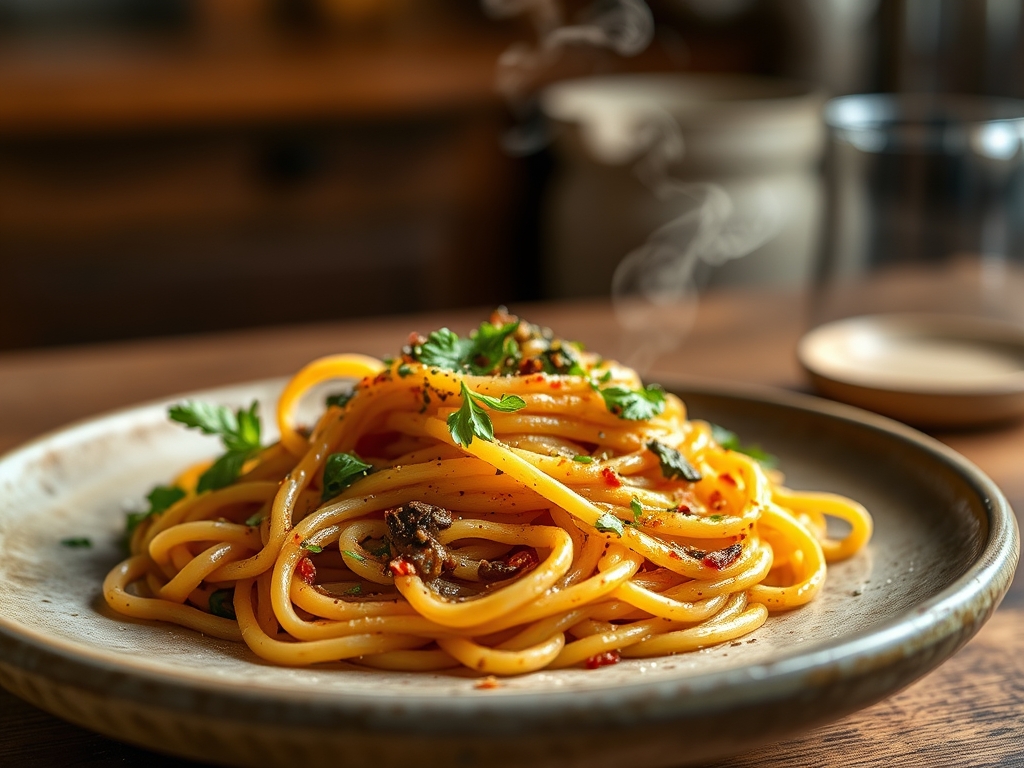
Look at the Masterclass photo. Notice the "sheen" on the rigatoni; it should look like polished marble, not dry wheat. If your dish looks dull, you likely lacked enough emulsified water or used too little fat. If the colors are muted, you failed to render the chili flakes properly in the oil, which should provide a vibrant, orange-red hue. Uneven browning on the garlic indicates poor heat distribution. Use a heavy-bottomed pan to ensure every slice of garlic is a uniform tawny gold. If the cheese appears as white flecks rather than a smooth coating, your temperature was too low to initiate a proper melt.
THE DEEP DIVE
- Macro Nutrition Profile: This dish is a powerhouse of complex carbohydrates and healthy monounsaturated fats. A standard serving contains approximately 450 calories, 12g of protein, and 18g of fat. The high-quality durum wheat provides a lower glycemic index than processed flours.
- Dietary Swaps (Vegan/Keto/GF): For a vegan audit, replace Pecorino with nutritional yeast and toasted breadcrumbs for crunch. For Gluten-Free, use high-quality corn or brown rice pasta, but reduce the cooking time by 30 percent as these structures collapse rapidly. For Keto, swap pasta for roasted zucchini batons, though the "firmness" audit will shift to a crunch audit.
- Meal Prep & Reheating Science: To maintain molecular structure when reheating, add a teaspoon of water and cover tightly. This creates a steam chamber that re-hydrates the starch without making it mushy. Avoid the microwave if possible; a quick toss in a hot pan is the only way to respect the original audit.
THE KITCHEN TABLE
Why is my pasta always sticky?
You likely used a pot that was too small. Pasta needs a high volume of water to dilute the surface starches. If the water becomes a thick slurry, your noodles will bond together. Use at least 4 liters per 500g.
Can I skip the pasta water step?
Absolutely not. That liquid gold contains the starch necessary to bind your sauce. Without it, the oil will simply slide off the noodle and pool at the bottom of your bowl. It is the glue of Italian cuisine.
What does al dente actually mean?
Literally "to the tooth." It describes a functional resistance. The pasta should be firm to the bite, never crunchy, but certainly not soft. It is the structural sweet spot where the grain flavor is most prominent.
How do I know if my olive oil is good?
Perform a sensory audit. It should smell like freshly cut grass or green tomatoes. If it smells like crayons or old nuts, it is rancid. High-quality oil is the backbone of this entire flavor profile.
Why use a bronze-cut pasta?
Standard pasta is extruded through Teflon, creating a smooth surface. Bronze dies leave a micro-textured, porous surface. This texture is what allows the sauce to "grip" the noodle rather than slipping off. Texture is everything.