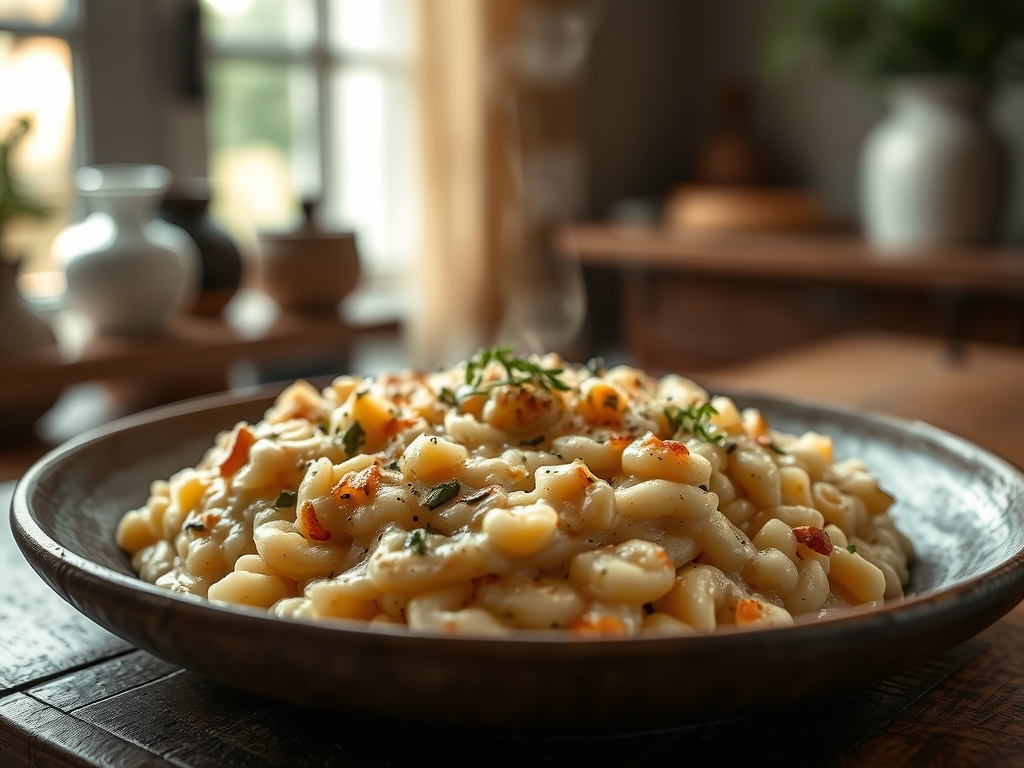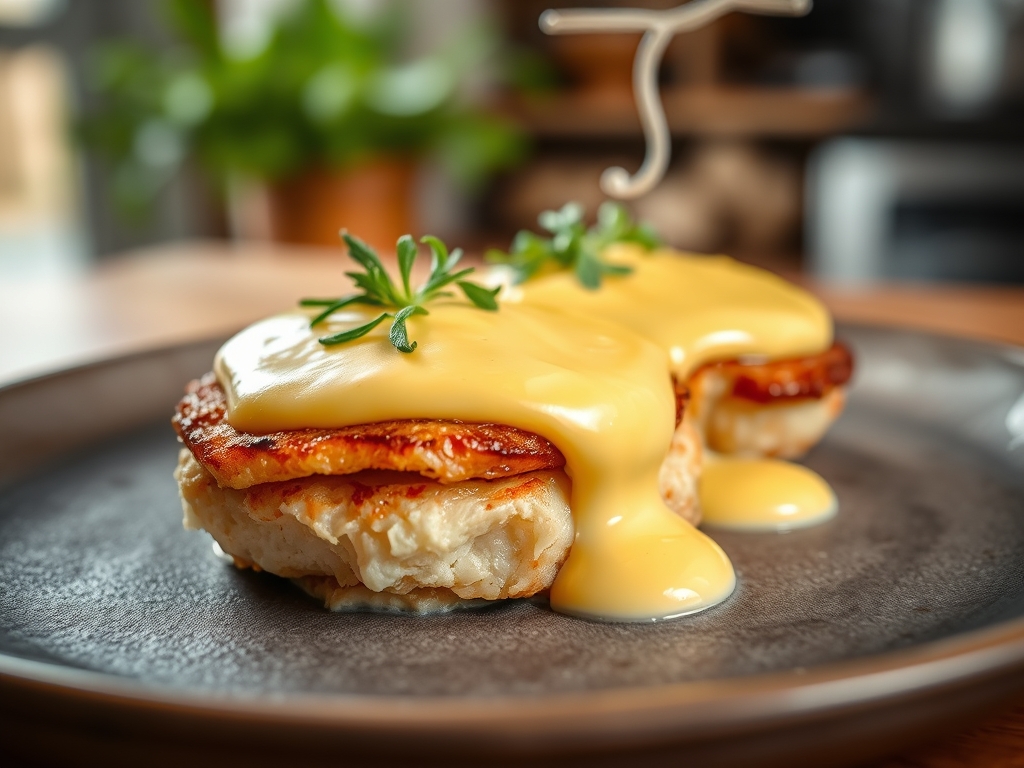
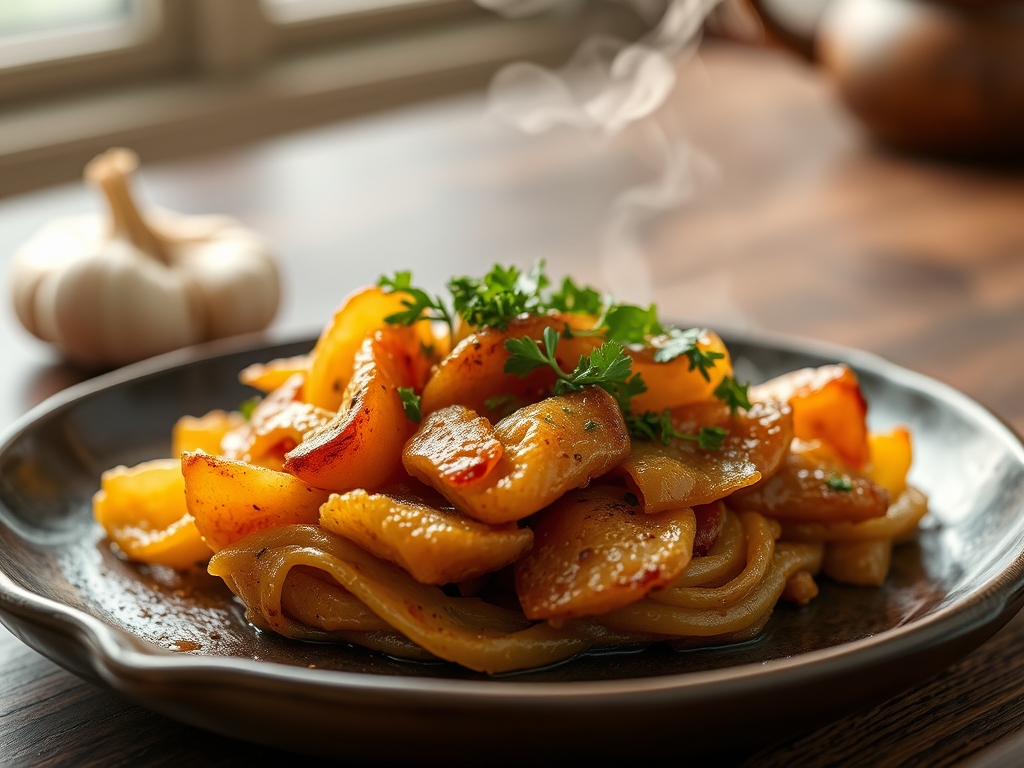
Listen to the sound of a cold pan meeting a high flame; it is the sound of impending culinary failure if you do not respect the chemistry of the bulb. Garlic is not a background singer. It is the lead architect of flavor, but its structural integrity is fragile. Most home cooks commit a cardinal sin by tossing minced cloves into a searing pan alongside onions that require ten times the duration to soften. The result is a bitter, carbonized mess that ruins the palate. Masterful Aromatic Garlic Timing is the difference between a dish that sings with a sweet, nutty resonance and one that tastes like an ash tray. We are here to audit your infrastructure. We are looking for the precise moment when the sulfurous compounds transform into caramelized gold. This is about the physics of the cell wall and the volatile oils that evaporate the moment they hit the air. If you want to command a kitchen, you must first command the clock. Let us begin the audit.
THE DATA MATRIX
| Metric | Specification |
|---|---|
| Prep Time | 12 Minutes |
| Execution Time | 5 Minutes |
| Yield | 4 Servings |
| Complexity (1-10) | 4 |
| Estimated Cost per Serving | $0.85 |
THE GATHERS
Ingredient Protocol:
- 8 Large Cloves Fresh Garlic (approx. 40g / 1.4 oz)
- 60ml / 0.25 cup High-Quality Extra Virgin Olive Oil
- 5g / 1 tsp Flaky Sea Salt
- 2g / 0.5 tsp Red Chili Flakes (for piquant depth)
- 15ml / 1 tbsp Cold Unsalted Butter (to emulsify)
- 10g / 2 tbsp Fresh Flat-Leaf Parsley (finely minced)
Section A: Ingredient Quality Audit:
The primary failure point in garlic infrastructure is the age of the bulb. If you see a green sprout (the germ) in the center of your clove, the flavor profile has already shifted toward the acrid. Technical Fix: Slice the clove lengthwise and pry out the green shoot with the tip of a paring knife to restore a cleaner profile. Furthermore, pre-minced garlic in jars is a chemical graveyard; the citric acid used for preservation destroys the delicate enzyme alliinase. Always use fresh, firm bulbs that feel heavy for their size. If your oil is smoking before the garlic enters, your thermal baseline is too high. Switch to a fat with a higher smoke point or reduce the initial flame to ensure you infuse rather than incinerate.
THE MASTERCLASS
Step 1: The Precision Breakdown
Utilize a heavy stainless steel bench scraper to crush the cloves before mincing. This mechanical stress triggers the conversion of alliin to allicin, creating that signature pungent aroma. Allow the garlic to sit for ten minutes after cutting; this "rest" period maximizes the health benefits and flavor stability. Pro Tip: Using a digital scale to measure your garlic ensures consistency. The ratio of surface area to heat is vital; smaller bits brown faster, so aim for a uniform "brunoise" rather than a jagged chop.
Step 2: Cold Start Infusion
Place your garlic and olive oil into a cold saucier or heavy-bottomed skillet before turning on the heat. By starting cold, you allow the oil to render the flavors out of the garlic as the temperature rises gradually. This prevents the exterior from burning while the interior remains raw. Pro Tip: A saucier is superior to a flat frying pan here because the sloped sides allow for better agitation of the oil, ensuring every piece of garlic is submerged and evenly heated.
Step 3: The Maillard Threshold
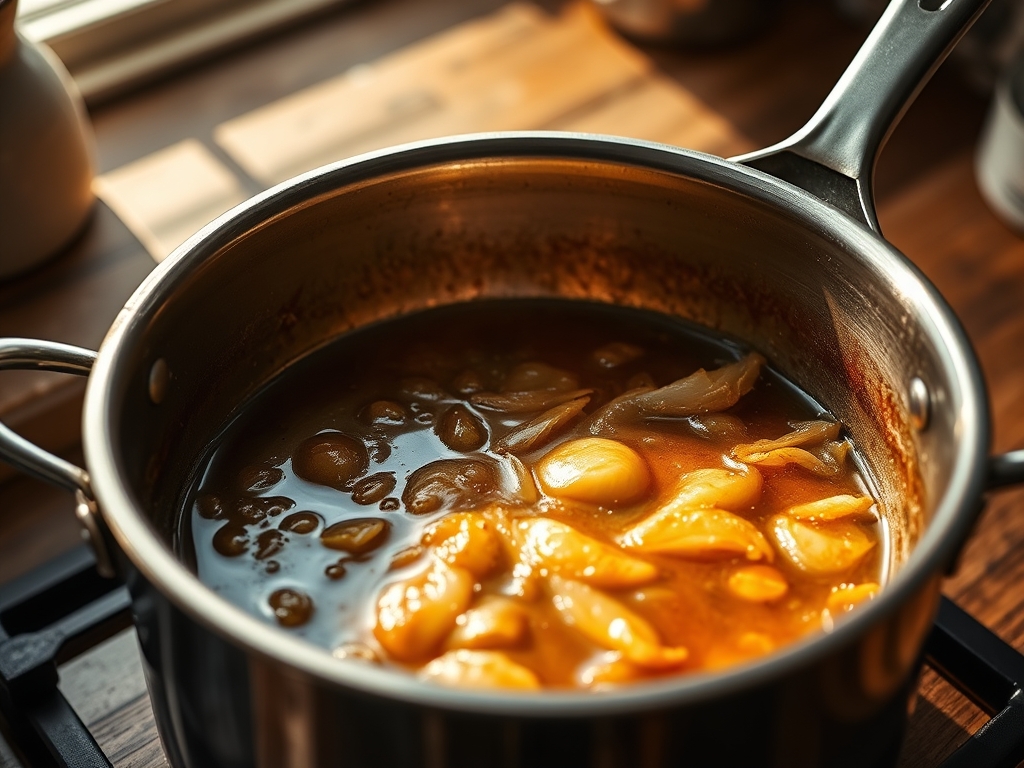
As the oil begins to shimmer, use a silicone spatula to keep the garlic in constant motion. You are looking for a transition from opaque white to a pale straw yellow. This is the "sweet spot" of Aromatic Garlic Timing. The moment the aroma shifts from sharp to nutty, you have reached the peak. Pro Tip: Keep a small amount of liquid (stock or wine) nearby to deglaze the pan immediately if the browning proceeds too quickly. This thermal shock stops the cooking process instantly.
Step 4: Emulsification and Finish
Drop the heat to low and add the cold butter. Swirl the pan vigorously to aerate the fat and create a viscous, glossy sauce. The proteins in the butter will bind with the garlic-infused oil, creating a luxurious mouthfeel that clings to your primary ingredients. Pro Tip: Use an infrared thermometer to ensure your oil stays between 225F and 250F. Anything above 300F will result in rapid degradation of the garlic's molecular structure.
Section B: Prep & Timing Fault-Lines:
The most common human error is "The Distraction Gap." Garlic transitions from perfect to ruined in approximately fifteen seconds. If you are still chopping parsley when the garlic hits the oil, you have already lost. Technical Fix: Practice mise en place with religious fervor. Every component must be measured and positioned within arm's reach of the stove. If your heat control is inconsistent, move the pan off the burner entirely for ten seconds to recalibrate the thermal energy.
THE VISUAL SPECTRUM
Section C: Thermal & Visual Troubleshooting:
Referencing the Masterclass photo, observe the "Golden Halo" effect. The garlic should look like small toasted croutons suspended in a shimmering amber sea. If your garlic looks "grey" or "translucent," you have steamed it rather than sautéed it; this usually happens if the pan is overcrowded or contains too much moisture. If the oil appears cloudy, the butter was added too early or the heat was too high, causing the solids to separate. For a vibrant finish, the parsley should be added at the very last second to maintain its chlorophyll-rich green against the golden garlic. If the colors look dull, a splash of lemon juice will provide the acidity needed to brighten the visual spectrum.
THE DEEP DIVE
Macro Nutrition Profile:
A single serving of this aromatic base provides approximately 140 calories, primarily from healthy monounsaturated fats. It contains trace amounts of Vitamin C, Manganese, and Vitamin B6. While the caloric density is high due to the oil, the metabolic benefits of allicin are significant.
Dietary Swaps:
- Vegan: Replace the finishing butter with a high-fat cashew cream or simply omit it and increase the olive oil by 15ml.
- Keto: This recipe is naturally keto-compliant. Ensure you serve it over zoodles or roasted cauliflower.
- GF: Naturally gluten-free. Ensure your red chili flakes do not contain anti-caking agents derived from grain.
Meal Prep & Reheating Science:
To maintain the molecular structure when reheating, avoid the microwave. The uneven radiation will turn the garlic bitter. Instead, reheat in a small pan over low heat, adding a teaspoon of water to re-emulsify the fats. If freezing, store in a silicone ice cube tray submerged in oil to prevent oxidation.
THE KITCHEN TABLE
Why does my garlic turn blue?
This is a reaction between sulfur and trace minerals (like copper) or enzymes in the garlic. It is safe to eat, though visually jarring. Using filtered water and fresh garlic reduces this risk significantly.
Can I use a garlic press?
A press ruptures more cell walls, creating a much more intense, aggressive flavor. For this delicate sauté, a knife-cut is preferred to maintain a balanced, nutty profile without the harsh "bite" of pressed garlic.
When should I add the salt?
Add salt at the beginning. It draws out moisture through osmosis, allowing the garlic to soften and release its oils more effectively into the fat, ensuring a more cohesive flavor profile throughout the dish.
How do I save burnt garlic?
You cannot. Once the bitter carbon compounds form, they permeate the entire batch of oil. Discard, wipe the pan clean, and restart. The five minutes of lost time is better than a ruined meal.