Listen closely to the symphony of the stovetop. If you think boiling water is a silent prelude to a meal; you are fundamentally misreading the physics of the kitchen. We are entering the realm of Boiling Water Acoustics; where the shift from a low-frequency rumble to a high-pitched hiss signals the precise moment of molecular transition. This is not merely heat; it is energy transfer in its most chaotic and beautiful form. As the bubbles nucleate at the base of your vessel, they collapse under the weight of the water column, creating a percussive landscape that tells a story of thermal saturation. To the untrained ear, it is white noise. To the culinary infrastructure auditor, it is a data stream. We are here to harness that energy to create a perfectly emulsified, high-velocity Cacio e Pepe. This dish relies entirely on the starch-to-water ratio and the acoustic timing of your boil. If you miss the frequency, you miss the emulsion. Let us calibrate your sensors and prepare for a high-intensity deployment of heat and friction.
THE DATA MATRIX
| Metric | Specification |
|---|---|
| Prep Time | 10 Minutes |
| Execution Time | 12 Minutes |
| Yield | 2 Servings |
| Complexity (1-10) | 7 |
| Estimated Cost per Serving | $4.50 |
THE GATHERS
Ingredient Protocol:
- 200g / 7oz Bronze-cut Bucatini
- 100g / 1.25 cups Pecorino Romano (Finely Grated)
- 5g / 2 tsp Toasted Black Peppercorns (Whole)
- 3g / 0.5 tsp Flaky Sea Salt
- 120ml / 0.5 cup High-Starch Pasta Water (Reserved)
Section A: Ingredient Quality Audit:
The most common failure point is the cheese morphology. If your Pecorino is pre-shredded; it is coated in cellulose to prevent clumping. This anti-caking agent is the enemy of a smooth sauce; it will refuse to infuse with the water and instead create a gritty, rubbery mess. Fix: Always grate your cheese micro-fine using a rasp-style grater just before deployment. Second; check your peppercorns. If they are old and grey; they lack the volatile oils necessary to render a truly piquant flavor. Fix: Toast whole peppercorns in a dry pan until the Boiling Water Acoustics of the kitchen are joined by the scent of toasted wood and spice; then crush them manually to release the oils.
THE MASTERCLASS
1. Acoustic Calibration and Hydration
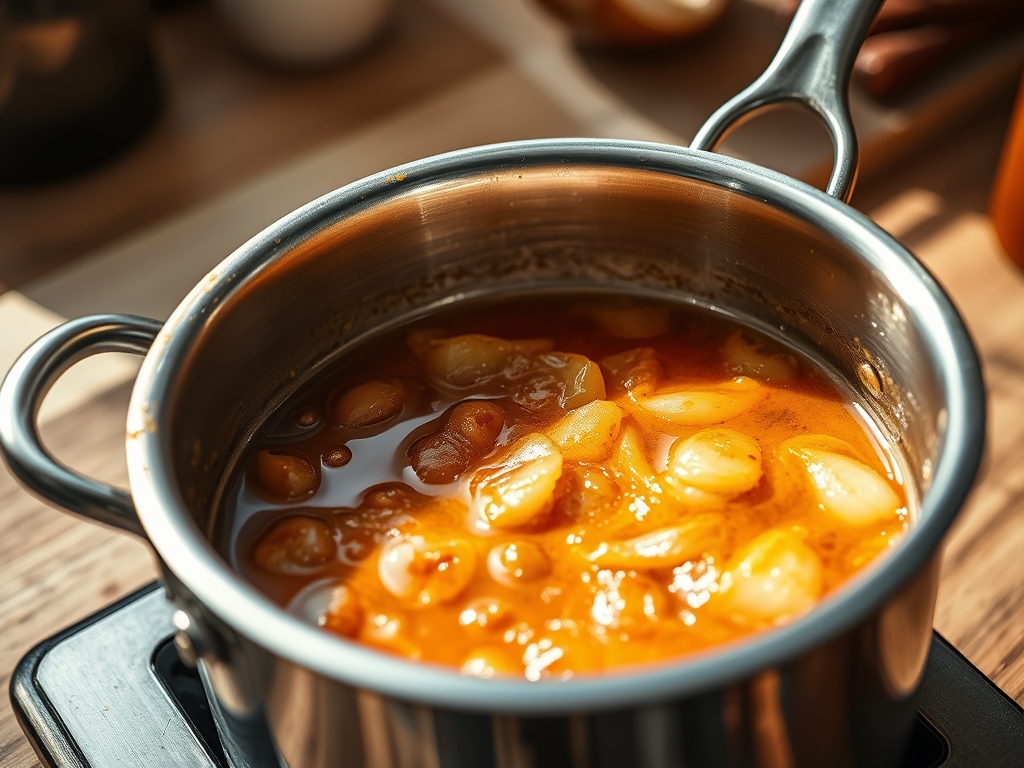
Fill a wide saucier with a minimal amount of water. You want a high starch concentration; so do not overfill. Bring the water to a boil and listen for the transition from the "simmering growl" to the "rolling roar." Add a pinch of salt but keep it conservative; the cheese provides the primary salinity.
Pro Tip: Using a wide, shallow pan instead of a tall stockpot increases the surface area for evaporation. This concentrates the starches released by the pasta; creating a viscous liquid that acts as a natural emulsifier. Always use a digital scale to ensure your pasta-to-water ratio is optimized for starch density.
2. The Peppercorn Extraction
While the pasta hydrates; place your whole peppercorns in a heavy-bottomed skillet over medium heat. Once they become fragrant; use a bench scraper to gather them and crush them coarsely. Return them to the skillet and add a small ladle of the boiling pasta water.
Pro Tip: This step creates a "pep-tea." The hot water extracts the piperine from the pepper; ensuring the spice is distributed evenly throughout the final emulsion rather than sitting in dry clumps on top of the noodles.
3. The Molecular Marriage
Two minutes before the pasta reaches al dente; use tongs to transfer the noodles directly into the skillet with the pepper extract. Do not drain the pasta in a colander. You need the residual heat and the clinging starch water.
Pro Tip: The pasta will finish cooking in the skillet. This allows the noodles to absorb the pepper-infused liquid into their core; rather than just being coated on the surface. This is a fundamental principle of flavor integration in professional pasta production.
4. The Emulsion Phase
Remove the skillet from the heat source. This is critical. If the pan is too hot; the cheese proteins will coagulate and clump. Add the finely grated Pecorino and a splash of the reserved starchy water. Use a vigorous circular motion with your tongs to aerate the mixture.
Pro Tip: You are looking for a specific visual cue: a glossy, pale-gold sheen that clings to the pasta without pooling at the bottom. The mechanical energy of your stirring combined with the starch creates a stable emulsion between the fat in the cheese and the water.
Section B: Prep & Timing Fault-Lines:
Timing is the "ghost in the machine." If you add the cheese while the pan is still over active flame; the sauce will "break" and separate into oil and solids. Fix: If the sauce looks "tight" or dry; add more starch water one tablespoon at a time. If it looks too thin; continue to stir off-heat; the cooling process will naturally thicken the viscous proteins. Never walk away from the pan during the final sixty seconds; the window for a perfect emulsion is narrow.
THE VISUAL SPECTRUM
Section C: Thermal & Visual Troubleshooting:
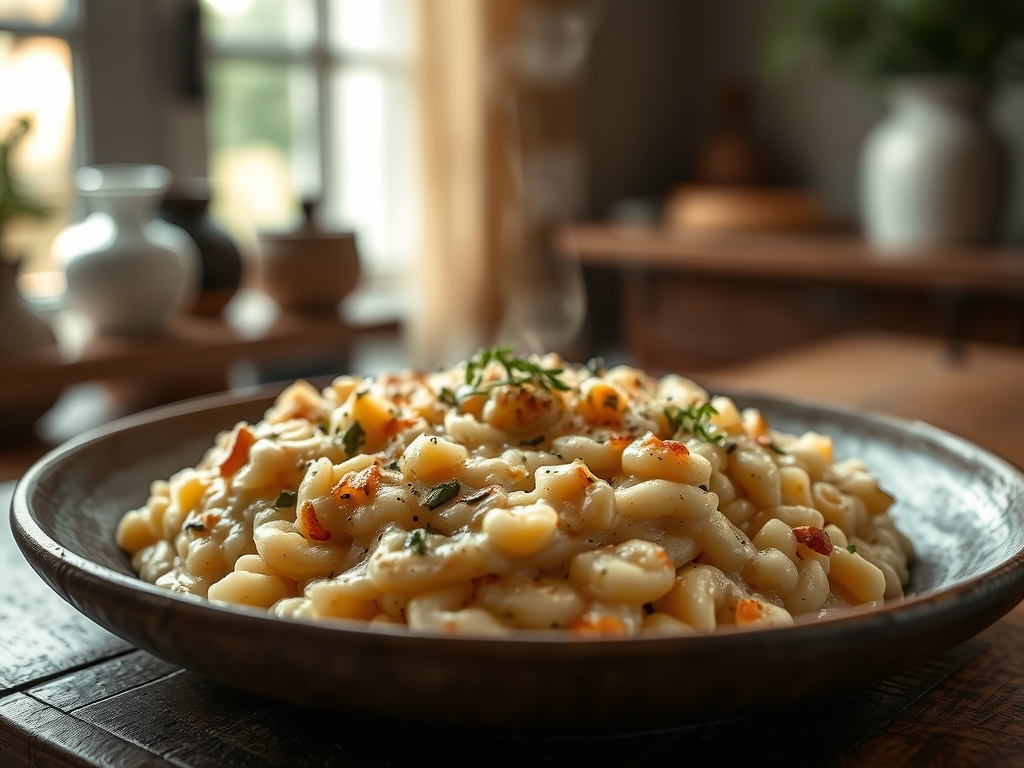
Referencing the Masterclass photo; notice the "creamy" texture that lacks any visible droplets of oil. If your dish looks oily; you lacked sufficient starch or agitation. If the color is dull; your peppercorns were likely pre-ground and oxidized. The final product should have a vibrant; almost glowing ivory hue with distinct flecks of black pepper suspended in the sauce. If the pasta looks "clumpy"; you likely used too much cheese relative to the amount of liquid. The fix is always the same: more high-frequency starch water and more vigorous agitation to re-stabilize the emulsion.
THE DEEP DIVE
Macro Nutrition Profile:
This dish is a carbohydrate-dense energy source. A single serving provides approximately 450 calories; 18g of protein (primarily from the Pecorino); and 15g of fat. It is a high-sodium profile; so adjust your daily intake accordingly.
Dietary Swaps:
- Vegan: Replace Pecorino with a blend of nutritional yeast; ground cashews; and miso paste to mimic the fermented umami and fat content.
- Keto: Utilize shirataki noodles or hearts of palm; though you must add a pinch of xanthan gum to simulate the missing pasta starch.
- GF: Use high-quality brown rice pasta. Note that GF pasta releases different starches; so the emulsion may require more manual agitation.
Meal Prep & Reheating Science:
Cacio e Pepe is notoriously difficult to reheat because the emulsion is fragile. To maintain the molecular structure; do not use a microwave. Instead; place the pasta in a cold pan with two tablespoons of water. Heat slowly over low flame; stirring constantly to re-emulsify the fats as they melt.
THE KITCHEN TABLE
Why is my sauce clumping into a ball?
The temperature was too high. When cheese proteins exceed 160 degrees Fahrenheit without enough starch protection; they bond together. Next time; move the pan away from the burner for thirty seconds before adding the cheese.
Can I use pre-ground pepper?
You can; but you shouldn't. Pre-ground pepper loses its volatile aromatics within minutes of grinding. For the signature piquant punch; you need the oils found in freshly cracked peppercorns.
Why use bronze-cut pasta specifically?
Bronze dies leave a rough; porous surface on the pasta. This texture is essential for the sauce to "grip" the noodle. Teflon-cut pasta is too smooth; causing the emulsion to slide right off.
How do I know if the water is starchy enough?
The water should look cloudy; almost like a thin milk. If it is clear; you used too much water. The Boiling Water Acoustics will also sound "thicker" and less sharp as the starch concentration rises.