Forget everything you know about the limp, store bought pucks masquerading as traditional confectionery. We are entering the realm of high tensile culinary engineering where the starch granule is the primary structural unit and steam is the catalyst for molecular transformation. To achieve the legendary "pull" that defines a masterpiece, we must focus on the Mochi Elasticity Data; this is a quantitative measurement of the hydrogen bonding between amylopectin chains. We are not just cooking; we are managing a complex polymer network. The goal is a texture that is simultaneously soft and defiant. It should offer a tactile resistance that snaps back with vigor when stretched. If your dough lacks that signature rebound, your infrastructure has failed. We are looking for a viscous, translucent mass that holds its shape while maintaining a cloud like lightness. This requires precision, heat management, and a deep understanding of how short grain glutinous rice behaves under thermal stress. Prepare your station; we are about to build a foundation of pure, elastic joy.
THE DATA MATRIX
| Metric | Specification |
|---|---|
| Prep Time | 15 Minutes |
| Execution Time | 25 Minutes |
| Yield | 12 Large Spheres |
| Complexity (1-10) | 7 |
| Estimated Cost per Serving | $0.45 |
THE GATHERS
Ingredient Protocol:
- 200g / 1.5 cups Mochiko (Glutinous Rice Flour)
- 60g / 0.5 cup Granulated Sugar (Sucrose for hygroscopic moisture retention)
- 180ml / 0.75 cup Filtered Water
- 50g / 0.33 cup Cornstarch or Katakuriko (For dusting and surface tension management)
- 2g / 0.25 tsp Fine Sea Salt (To sharpen the flavor profile)
- 5ml / 1 tsp Neutral Oil (To lubricate the polymer chains)
Section A: Ingredient Quality Audit:
The most common failure point in rice dough infrastructure is the use of non glutinous rice flour. If your flour is labeled as "Regular Rice Flour," the amylopectin content is too low to create a cohesive bond; the result will be a gritty, crumbly mess rather than a viscous dough. Ensure your flour is specifically "Glutinous" or "Sweet Rice" flour. If your water has a high mineral content, it can interfere with starch hydration. Use filtered water to ensure the cleanest molecular interaction. If the dough feels overly brittle after steaming, your sugar content may be too low. Sugar acts as a tenderizer by interfering with the over crystallization of starch; do not reduce the sugar significantly or you will lose that essential Mochi Elasticity Data rating.
THE MASTERCLASS
1. Slurry Integration and Hydration
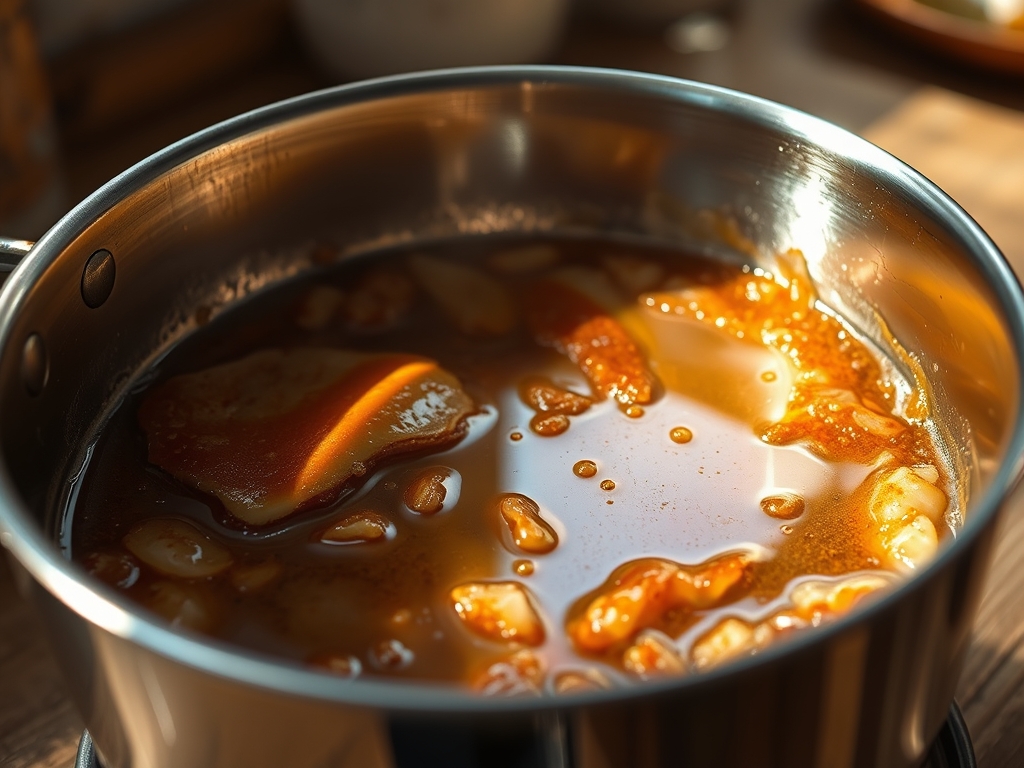
Begin by whisking the glutinous rice flour, sugar, and salt in a heat proof glass bowl. Gradually incorporate the filtered water while whisking constantly to prevent the formation of dry nodules. You are looking for a consistency similar to heavy cream. Use a digital scale for this step; volume measurements are notoriously unreliable for high precision starch work.
Pro Tip: Use a silicone spatula to scrape the bottom of the bowl. Starch tends to settle and compact quickly; ensuring a homogenous suspension before applying heat is critical for even gelatinization.
2. Thermal Activation via Steam
Cover the bowl tightly with plastic wrap or a damp cloth. Place it into a bamboo steamer or a pot with a steaming rack. Steam on high heat for 15 to 18 minutes. The dough is ready when it transitions from an opaque white to a translucent, slightly yellowish hue. It should be firm to the touch but still incredibly sticky.
Pro Tip: Monitor the water level in your steamer closely. If the pot runs dry, the temperature will spike and scorch the bottom of the dough, introducing a bitter, burnt flavor that cannot be masked.
3. The Mechanical Kneading Phase
Transfer the hot mass onto a surface heavily dusted with cornstarch. Use a bench scraper to fold the dough over itself repeatedly while it is still hot. This mechanical action aligns the starch molecules and develops the tensile strength required for a professional finish. This is where the Mochi Elasticity Data is truly forged.
Pro Tip: Do not wait for the dough to cool before kneading. The polymer chains are most malleable when the internal temperature is above 65 degrees Celsius. Use your bench scraper to manipulate the dough to avoid burning your hands.
4. Portioning and Structural Shaping
Divide the dough into equal portions using a bench scraper or kitchen shears. Dust your hands with cornstarch to manage the extreme adhesion. Roll each portion into a smooth sphere, ensuring the surface is taut. If filling the mochi, flatten the disk, place the chilled filling in the center, and pinch the edges to create a hermetic seal.
Pro Tip: Work quickly to prevent the surface from oxidizing and forming a skin. A dry skin will cause the dough to tear rather than stretch, ruining the aesthetic and structural integrity of the final product.
Section B: Prep & Timing Fault-Lines:
Timing is the silent killer in rice dough production. If you over steam the dough, it becomes overly hydrated and loses its ability to hold a shape; it will slump into a puddle. Conversely, under steaming leaves raw starch granules in the center, resulting in a chalky mouthfeel. Always use a timer. If the dough becomes too cold to work with during the shaping phase, you can briefly microwave it for 10 seconds to restore its elasticity. However, repeated reheating will eventually break down the starch bonds, leading to a "leaky" texture that lacks snap.
THE VISUAL SPECTRUM
Section C: Thermal & Visual Troubleshooting:
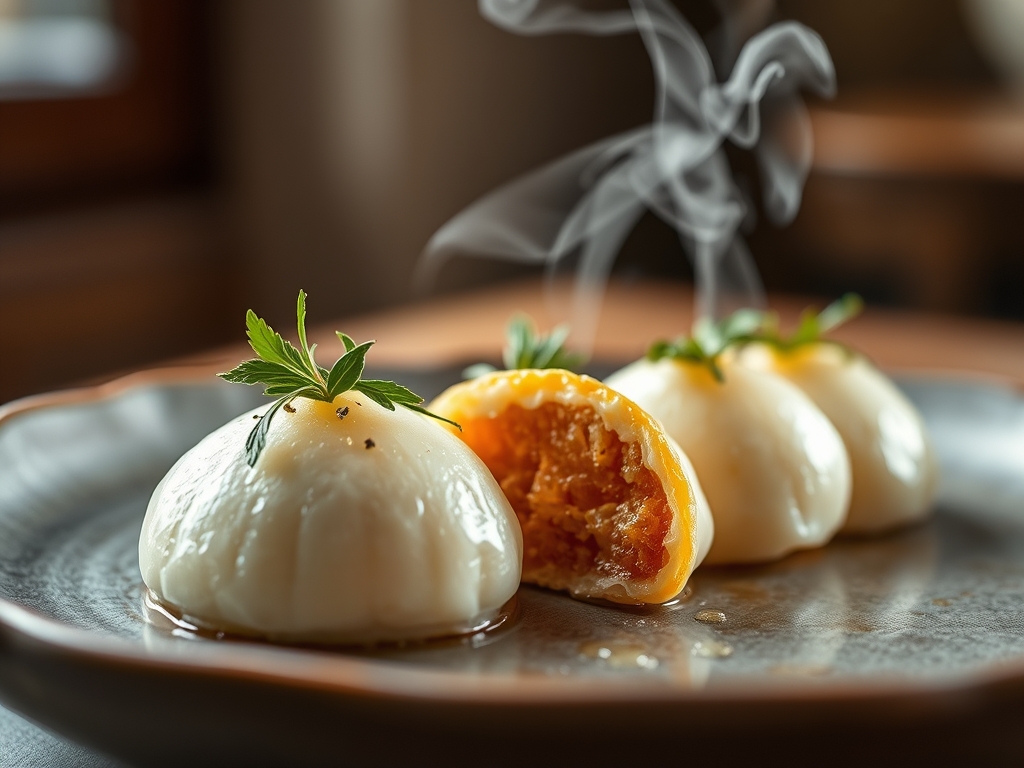
Referencing the Masterclass photo, observe the slight sheen on the surface of the dough. This gloss is an indicator of perfect gelatinization. If your dough appears matte or dull, it is likely undercooked or under hydrated. If you see uneven browning, it means the sugar has caramelized due to direct contact with a hot spot; ensure your steamer setup provides indirect, even heat. If the dough looks "lumpy" rather than smooth, you did not whisk the slurry sufficiently before steaming. To fix a lumpy dough, you must pass the raw slurry through a fine mesh sieve before the thermal activation phase. If the dough is too translucent and runny, the water to flour ratio was too high; you can attempt to rescue this by kneading in small amounts of toasted rice flour, though the texture will be slightly denser.
THE DEEP DIVE
Macro Nutrition Profile:
A single serving (approx. 50g) contains roughly 110 calories, 24g of carbohydrates, 1g of protein, and 0g of fat. It is a high glycemic index food, providing rapid energy delivery.
Dietary Swaps:
- Vegan: This recipe is naturally vegan.
- Keto: This is functionally impossible with rice flour; however, some "mock" versions use konjac flour and xanthan gum to mimic the viscosity, though they lack the authentic Mochi Elasticity Data.
- GF: Naturally gluten free, as glutinous rice contains no gluten despite its confusing name.
Meal Prep & Reheating Science:
To maintain the molecular structure, store mochi in an airtight container at room temperature for up to 24 hours. For longer storage, freeze individual pieces. When reheating, a light steam or a 15 second microwave burst is necessary to re agitate the starch chains. Avoid refrigeration, as this triggers "retrogradation," where the starch molecules recrystallize and turn the dough hard and brittle.
THE KITCHEN TABLE
How do I prevent the dough from sticking to everything?
Copious amounts of cornstarch or potato starch are your only defense. Dust your tools, your hands, and your workspace. Think of the starch as a dry lubricant that allows the viscous dough to slide without bonding to surfaces.
Why did my mochi turn hard after only two hours?
This is usually caused by insufficient sugar or exposure to air. Sugar is a humectant that holds water molecules in place. If you reduced the sugar, the starch molecules began to crystallize immediately upon cooling. Keep them tightly wrapped.
Can I use a stand mixer for the kneading phase?
Yes, use the dough hook on a low setting. This is an excellent way to aerate the dough slightly and develop the tensile strength without burning your hands. Ensure the bowl is well oiled or dusted to prevent a sticky disaster.
What is the best way to infuse flavors into the dough?
Replace a portion of the water with fruit puree, matcha tea, or coconut milk. This allows the flavor to infuse directly into the starch matrix. Ensure any added liquids are strained to maintain a perfectly smooth, professional infrastructure.