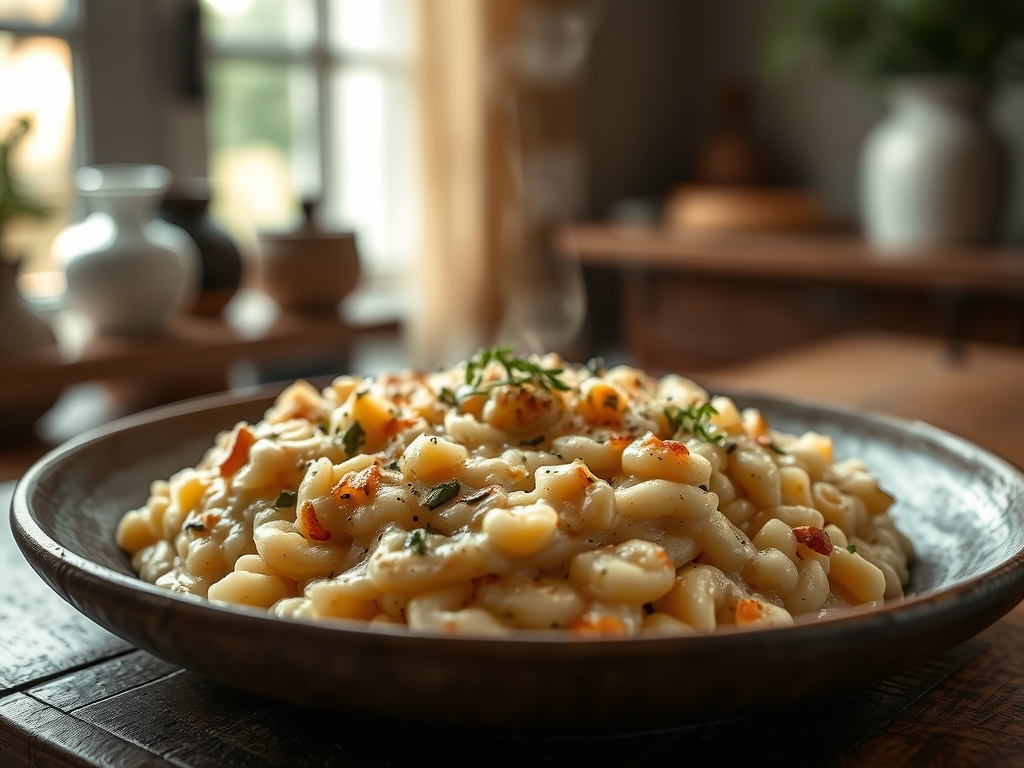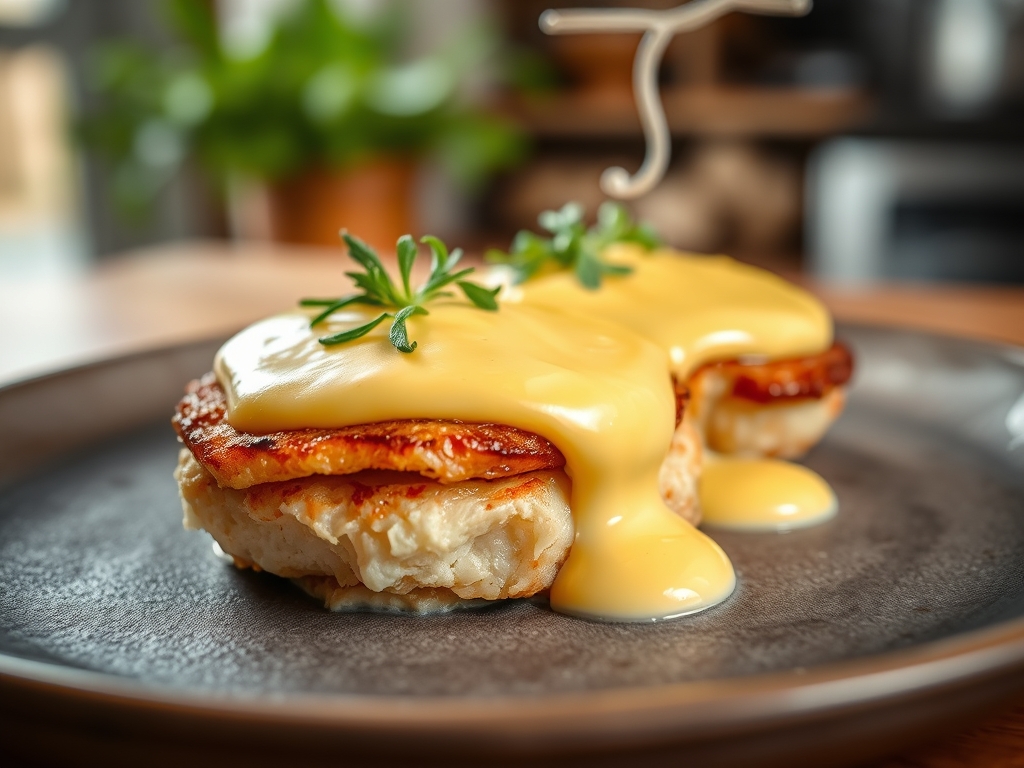
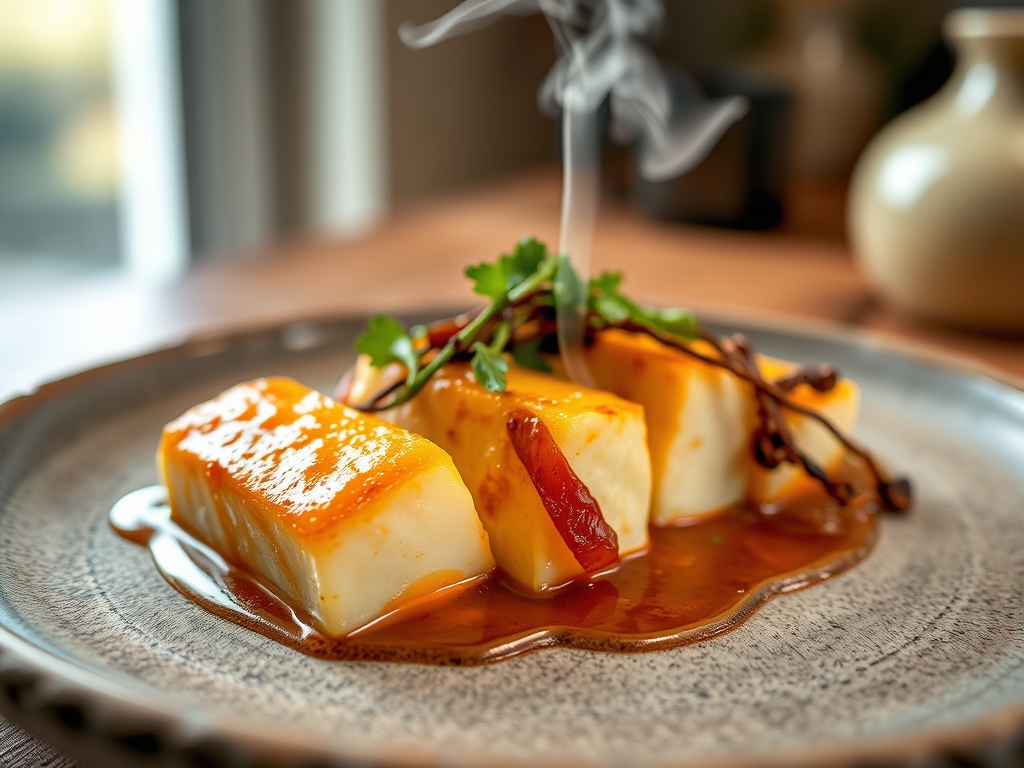
Imagine a texture so impossibly smooth it defies the standard laws of solid matter. We are not talking about a mere custard or a standard pudding; we are hunting for the elusive Silken Tofu Feel. This is the gold standard of protein coagulation. It is the moment when liquid soy milk meets a precise coagulant and transforms into a shimmering, weightless block of culinary architecture. To achieve this, you must abandon the "close enough" mentality of home cooking. We are entering the realm of molecular stability where the difference between a grainy failure and a masterpiece is measured in single degrees Celsius. When you press a spoon against the surface, there should be zero resistance; only a clean, glassy break that reveals an interior as uniform as a polished pearl. This is high-stakes infrastructure for your palate. We are building a structural masterpiece that must remain viscous enough to hold its shape yet delicate enough to dissolve the moment it hits the tongue. Let us calibrate the equipment and prepare for a total sensory audit.
THE DATA MATRIX
| Metric | Specification |
|---|---|
| Prep Time | 20 Minutes |
| Execution Time | 45 Minutes |
| Yield | 4 Servings |
| Complexity (1-10) | 8 |
| Estimated Cost per Serving | $1.25 |
THE GATHERS
Ingredient Protocol:
- 800ml / 3.4 cups Organic Non-GMO Soy Milk (Minimum 8% protein content).
- 3g / 0.5 tsp Glucono Delta-Lactone (GDL) or 5ml / 1 tsp Liquid Nigari.
- 50ml / 0.2 cup Filtered Water (For slurry).
- 15ml / 1 tbsp Toasted Sesame Oil (For finishing).
- 10ml / 2 tsp Aged Soy Sauce (To infuse salt).
- 2g / 0.25 tsp Micro-planed Ginger (For a piquant kick).
Section A: Ingredient Quality Audit:
The primary failure point in soy coagulation is low-density milk. If your soy milk is "watery," the protein chains will not have enough surface area to link. Use a refractometer to check the Brix level if you are serious; you want a high solids content. If you are stuck with thin, store-bought milk, you can fix the infrastructure by simmering it to render out 10 percent of the water weight before starting. Furthermore, ensure your coagulant is fresh. Glucono Delta-Lactone (GDL) is hygroscopic; if it has clumped, it has already begun to react with atmospheric moisture and will result in a patchy, uneven set. Always store your chemicals in airtight, desiccated environments to maintain their reactive potential.
THE MASTERCLASS
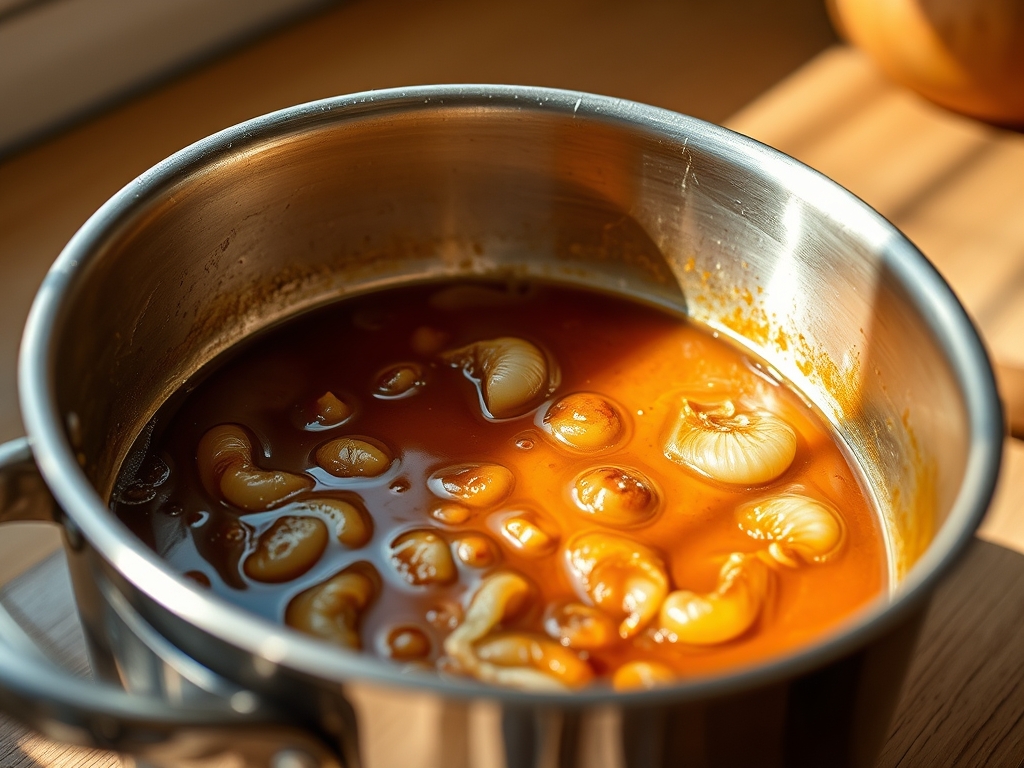
Step 1: Thermal Calibration and Protein Denaturation
Pour your high-protein soy milk into a heavy-bottomed saucier. Gradually heat the liquid to exactly 85 degrees Celsius (185 degrees Fahrenheit). Use a digital thermometer to monitor the climb. You must stir constantly with a silicone spatula to prevent a skin from forming on the surface, which would ruin the Silken Tofu Feel.
Pro Tip: This heating phase is essential for denaturation. By breaking the initial protein folds, you expose the bonding sites required for the coagulant to create a lattice. Using a saucier with rounded edges ensures no milk "hangs out" in corners to scorch.
Step 2: The Coagulant Slurry Integration
While the milk holds its temperature, whisk your GDL or Nigari into the filtered water in a small ceramic bowl. Once the milk hits the target temperature, remove it from the heat. Create a gentle vortex in the milk and pour the slurry in one swift motion. Stop the vortex immediately with your bench scraper to prevent over-agitation.
Pro Tip: Agitation is the enemy of smoothness. If you keep stirring after the coagulant is introduced, you will shatter the forming protein bonds, leading to a "broken" curd appearance rather than a seamless block.
Step 3: The Steam Chamber Set
Cover the vessel tightly with a lid or foil. Place the container into a bamboo steamer or a warm water bath (Bain-Marie) maintained at 80 degrees Celsius. Let it sit undisturbed for 20 minutes. Do not move the pot; do not peek. Any vibration during this period will cause syneresis, where the water squeezes out of the protein matrix.
Pro Tip: Using a digital scale to weigh your coagulant to the centigram is the only way to ensure consistency. Too much GDL will result in a sour, rubbery texture; too little will leave you with a thick soup.
Section B: Prep & Timing Fault-Lines:
Timing is the silent killer of texture. If you add the coagulant when the milk is too hot (above 90C), the reaction happens too fast, creating "tight" curds that feel gritty. If the milk is too cool (below 75C), the proteins will not bond, and you will be left with a liquid mess. Use a stopwatch to track your 20-minute set time precisely. If your kitchen is cold, pre-warm your setting bowls to ensure the temperature does not drop too rapidly during the transition from the saucier.
THE VISUAL SPECTRUM
Section C: Thermal & Visual Troubleshooting:
Look closely at the Masterclass photo. Notice the lack of bubbles on the surface and the slight translucency at the edges. If your tofu looks "matte" or dull, you likely incorporated too much air during the whisking phase. You must aerate the milk as little as possible. If you see "pockmarks" on the surface, your steam was too aggressive; lower the heat to a gentle simmer. If the center is still liquid while the edges are firm, your vessel is too deep. Use a wide, shallow ceramic dish to ensure even thermal distribution across the entire protein mass. A perfect set should have a slight "jiggle" when the table is tapped, but the surface should remain unbroken.
THE DEEP DIVE
Macro Nutrition Profile:
Silken tofu is a powerhouse of lean nutrition. A standard 100g serving provides approximately 50 calories, 5g of protein, 2g of fat, and 2g of carbohydrates. It is a complete protein source, containing all nine essential amino acids required for human tissue repair.
Dietary Swaps:
- Vegan: Naturally compliant.
- Keto: This is a low-carb dream; just ensure your soy milk has zero added sugars.
- GF: Always verify your soy sauce is a Tamari variant to keep the dish gluten-free.
Meal Prep & Reheating Science:
Maintaining the molecular structure during reheating is tricky. Never microwave silken tofu on high power; the rapid agitation of water molecules will cause the protein lattice to collapse into a watery mess. Instead, steam it gently for 3 to 5 minutes or submerge the container in hot water. To store, keep it submerged in its own "whey" (the liquid that seeps out) to prevent the surface from dehydrating and becoming leathery.
THE KITCHEN TABLE
Why is my tofu grainy?
Graininess usually indicates the coagulant was added while the milk was boiling. This causes the proteins to "clump" instantly rather than weaving a fine, silk-like web. Always check your temperature before the pour.
Can I use homemade soy milk?
Absolutely. In fact, it is preferred. Just ensure you strain it through a nut milk bag or triple-layered cheesecloth to remove every trace of "okara" (soy pulp), which would destroy the Silken Tofu Feel.
What is the best way to serve this?
Keep it simple. Use a saucier to warm a mixture of soy sauce and ginger, then deglaze with a splash of mirin. Pour this over the warm tofu to highlight the delicate, creamy infrastructure.
How long does it last in the fridge?
It is best consumed within 48 hours. Beyond that, the protein structure begins to tighten and expel water, a process known as retrogradation, which significantly alters that signature smooth mouthfeel.