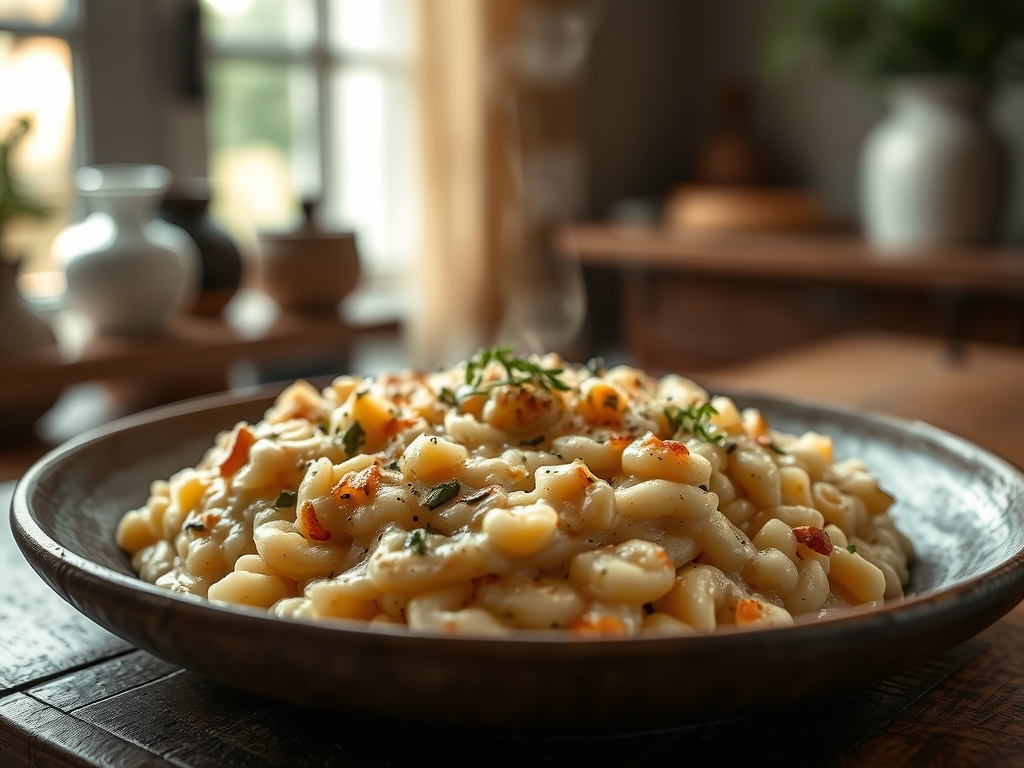
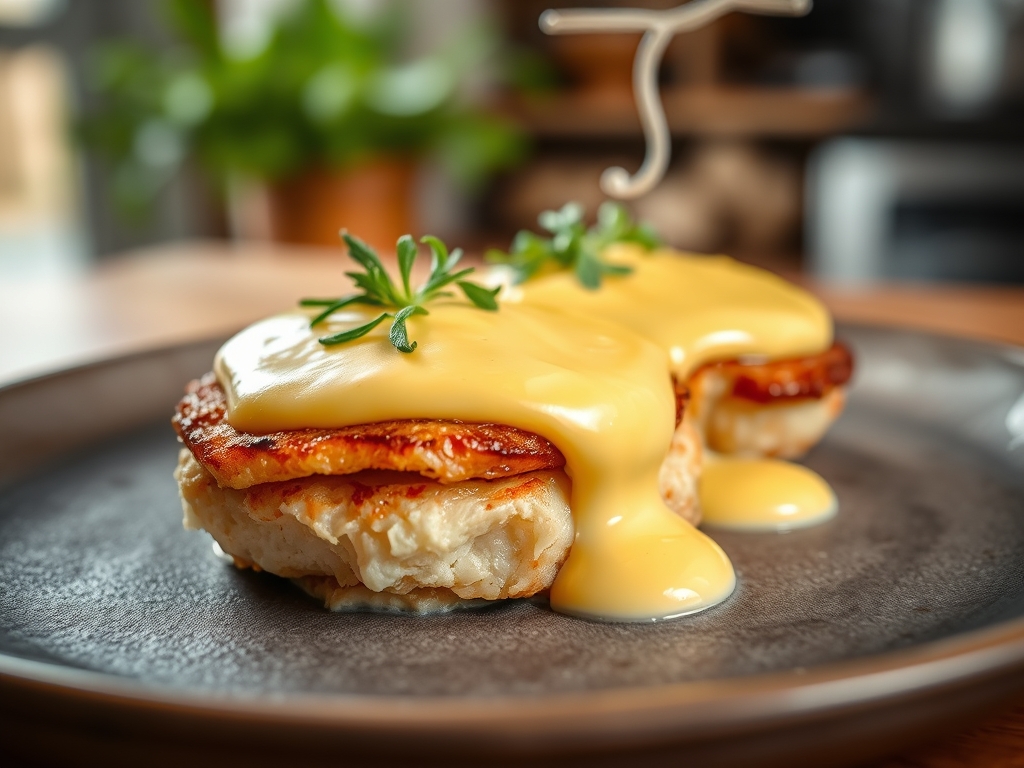
Imagine a golden river of liquid gold, shimmering under the kitchen lights with a sheen so perfect it reflects the sheer ambition of the chef. We are not merely talking about a sauce; we are discussing the architectural pinnacle of brunch engineering. To achieve a Velvety Hollandaise is to master the delicate, high stakes dance between hydrophobic lipids and aqueous proteins. It is a volatile marriage of clarified butter and lemon juice, held together by the sheer willpower of egg yolk lecithin. When executed with precision, the result is a piquant, aerated masterpiece that clings to a poached egg with the tenacity of a velvet glove. This is the infrastructure of luxury. It requires a steady hand, a calibrated heat source, and an absolute refusal to settle for anything less than a perfectly stable suspension. If your sauce breaks, your reputation follows. But when that emulsion holds, you have created a viscous, buttery cloud that transforms a simple meal into a high performance culinary event. Prepare your whisk; we are about to audit the very essence of smoothness.
THE DATA MATRIX
| Metric | Specification |
|---|---|
| Prep Time | 10 Minutes |
| Execution Time | 8 Minutes |
| Yield | 350ml / 1.5 Cups |
| Complexity (1-10) | 8 |
| Estimated Cost per Serving | $1.25 |
THE GATHERS
Ingredient Protocol:
- 3 Large Egg Yolks (approx. 55g / 2oz)
- 225g / 1 cup Unsalted Clarified Butter (Warm)
- 15ml / 1 tbsp Fresh Lemon Juice
- 5ml / 1 tsp Cold Water
- 1g / 0.25 tsp Cayenne Pepper
- 3g / 0.5 tsp Fine Sea Salt
Section A: Ingredient Quality Audit:
The primary failure point in many emulsions starts with the raw materials. If your eggs are aged, the lecithin proteins have begun to degrade; this results in a weak molecular bond that will fail under thermal stress. Always source the freshest eggs possible to ensure maximum surfactant power. If your butter contains too many milk solids, the water content will fluctuate, causing the sauce to "weep" or separate. Use high quality clarified butter or ghee to ensure a pure lipid phase. If your lemon juice is bottled, the lack of citric acidity will fail to properly denature the yolk proteins, leading to a flat, one dimensional flavor profile. Use fresh lemons to provide the piquant brightness necessary to cut through the heavy fat.
THE MASTERCLASS
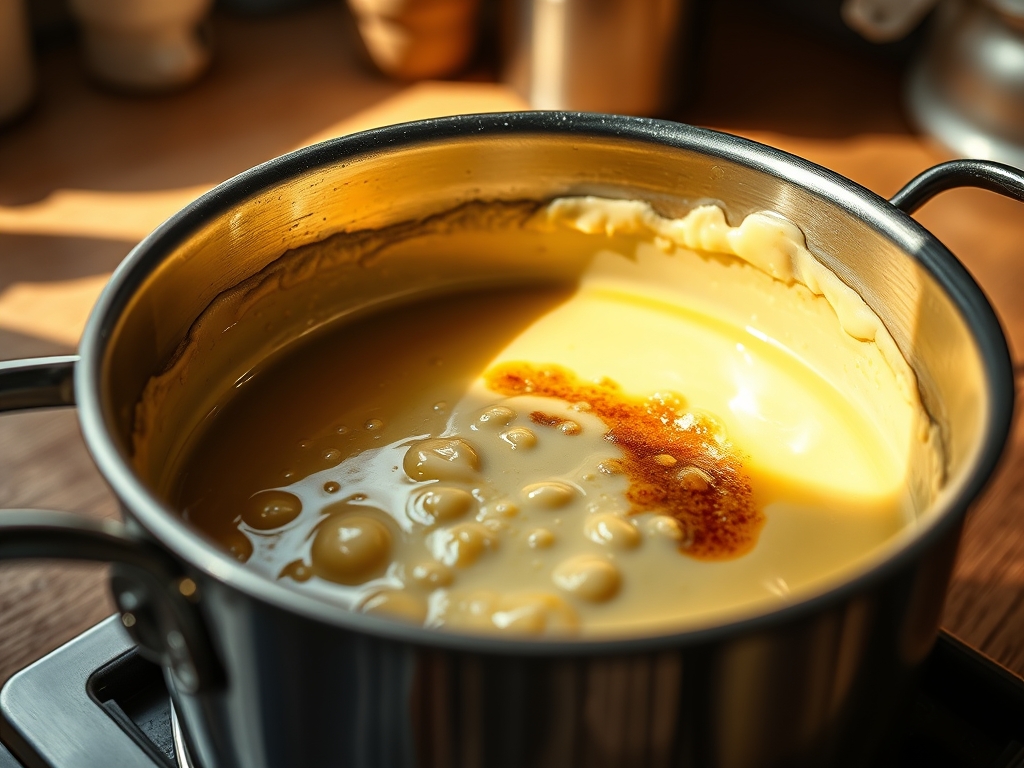
1. The Aqueous Foundation
Place your egg yolks, cold water, and lemon juice into a stainless steel saucier. Use a digital scale to ensure your measurements are precise to the gram. Whisk the mixture vigorously until it becomes pale and frothy.
Pro Tip: Starting with a small amount of water provides a buffer for the proteins. This prevents the yolks from scrambling the moment they touch the heat. Using a saucier with rounded bottom edges ensures no yolk gets trapped in a corner and overcooks.
2. Precision Thermal Tempering
Set the saucier over a double boiler (bain marie) with barely simmering water. The bottom of the pan must not touch the water. Whisk constantly in a figure eight motion to aerate the yolks while they thicken.
Pro Tip: You are looking for the "ribbon stage." When you lift the whisk, the mixture should fall back into the pan and hold its shape for three seconds. A digital thermometer should read exactly 63C (145F) to ensure the yolks are pasteurized but not coagulated.
3. The Lipid Integration
Slowly, and I mean at a glacial pace, begin to drizzle in your warm clarified butter. Start with a few drops at a time while whisking at maximum velocity to render the fat into microscopic droplets.
Pro Tip: This is where the emulsion is born. If you add the fat too fast, the "tails" of the lecithin molecules cannot grab the lipid droplets, and the sauce will break. A steady stream is only permissible once the first 25% of the butter is fully incorporated.
4. Final Texture Calibration
Once all the butter is integrated, remove from heat. Whisk in the salt and cayenne pepper. If the sauce is too thick, whisk in a few drops of warm water to adjust the viscosity.
Pro Tip: Use a silicone spatula or bench scraper to clean the sides of the pan, ensuring every drop of the Velvety Hollandaise is accounted for. The final texture should be thick enough to coat the back of a spoon but fluid enough to pour.
Section B: Prep & Timing Fault-Lines:
The most common human error is temperature mismanagement. If your butter is too hot (above 80C/175F), it will cook the yolks instantly, creating a grainy texture. If it is too cold, the fat will solidify rather than emulsify. Maintain your butter at a steady 55C (130F) for optimal integration. Furthermore, timing is critical. Hollandaise is a "live" sauce; it does not enjoy sitting. If you must hold it, place it in a thermos or a warm (not hot) water bath for no longer than 30 minutes. Any longer and the bacterial risk increases while the physical structure begins to collapse.
THE VISUAL SPECTRUM
Section C: Thermal & Visual Troubleshooting:
Look closely at the Masterclass photo above. Note the high gloss finish and the lack of visible oil droplets on the surface. If your sauce looks dull or matte, you have likely over-aerated it or the temperature has dropped too low. If you see yellow oil pooling at the edges, the emulsion has broken. To fix a broken sauce, place a fresh egg yolk and a teaspoon of warm water in a clean bowl and slowly whisk the broken sauce into it. If the sauce appears grainy, the yolks have scrambled; unfortunately, this requires a full restart. The color should be a vibrant, buttery primrose, not a pale off-white.
THE DEEP DIVE
Macro Nutrition Profile:
This sauce is a high density lipid suspension. Per 30ml serving, expect approximately 145 calories, 16g of fat, 1g of protein, and negligible carbohydrates. It is a powerhouse of fat soluble vitamins (A, D, E, K) thanks to the egg yolks and butterfat.
Dietary Swaps:
- Vegan: Replace egg yolks with a reduction of aquafaba (chickpea liquid) and use a high quality vegan butter alternative or refined coconut oil.
- Keto: This recipe is naturally keto-compliant as it focuses on high fat and low carb infrastructure.
- GF: Naturally gluten free; ensure your spices are certified free of cross contamination.
Meal Prep & Reheating Science:
Reheating a Hollandaise is a risky maneuver because the heat often breaks the delicate protein bonds. To reheat, use a very gentle double boiler and whisk in a teaspoon of warm water. Never use a microwave; the localized high energy will cause the lipids to explode out of the aqueous phase, leaving you with a greasy mess. For best results, consume immediately.
THE KITCHEN TABLE
Why did my sauce turn into scrambled eggs?
Your heat source was too aggressive. The egg yolk proteins reached their coagulation point (above 70C) before the emulsion could stabilize. Always use a double boiler and maintain a gentle simmer to control the thermal energy transfer.
Can I use a blender for this?
Yes, a high speed blender can create a stable emulsion through sheer mechanical force. However, it often incorporates too much air, leading to a foamier texture rather than the traditional, dense silkiness of a hand-whisked Velvety Hollandaise.
How do I save a sauce that is too salty?
Increase the volume of the aqueous phase. Add a small amount of unsalted butter and a touch more lemon juice. This dilutes the sodium concentration without compromising the structural integrity of the lipid suspension.
What is the best way to keep it warm?
A pre-heated thermos is the professional secret. It maintains a stable, insulated temperature without exposing the sauce to direct heat, which prevents the eggs from overcooking while you finish the rest of the meal components.