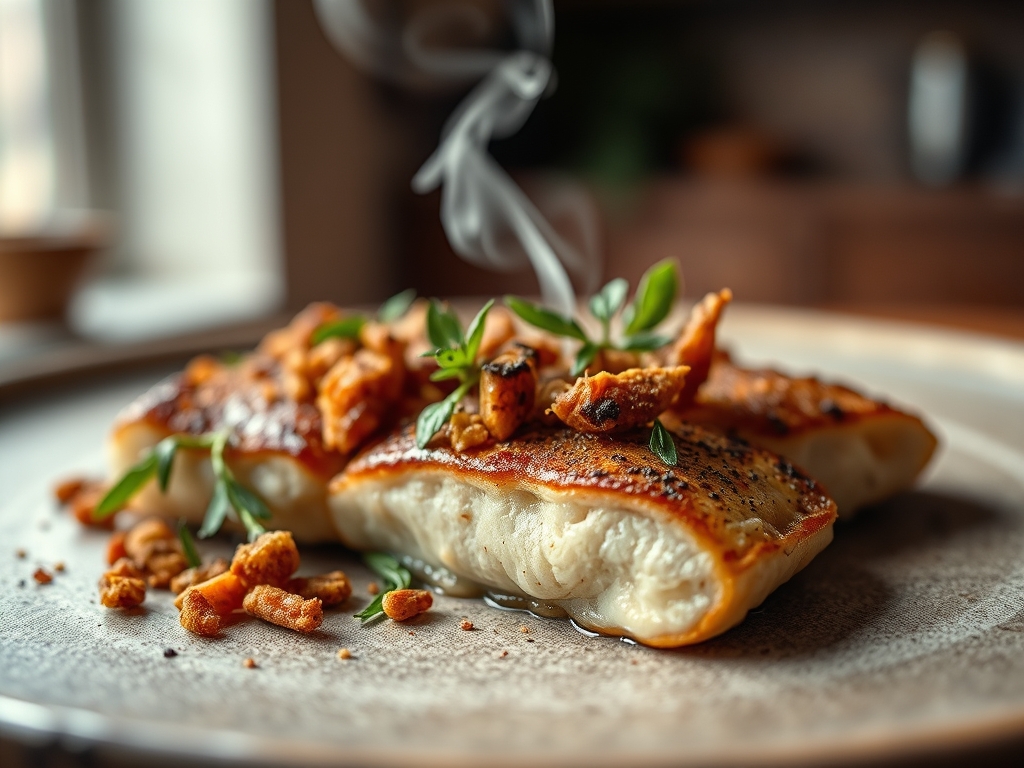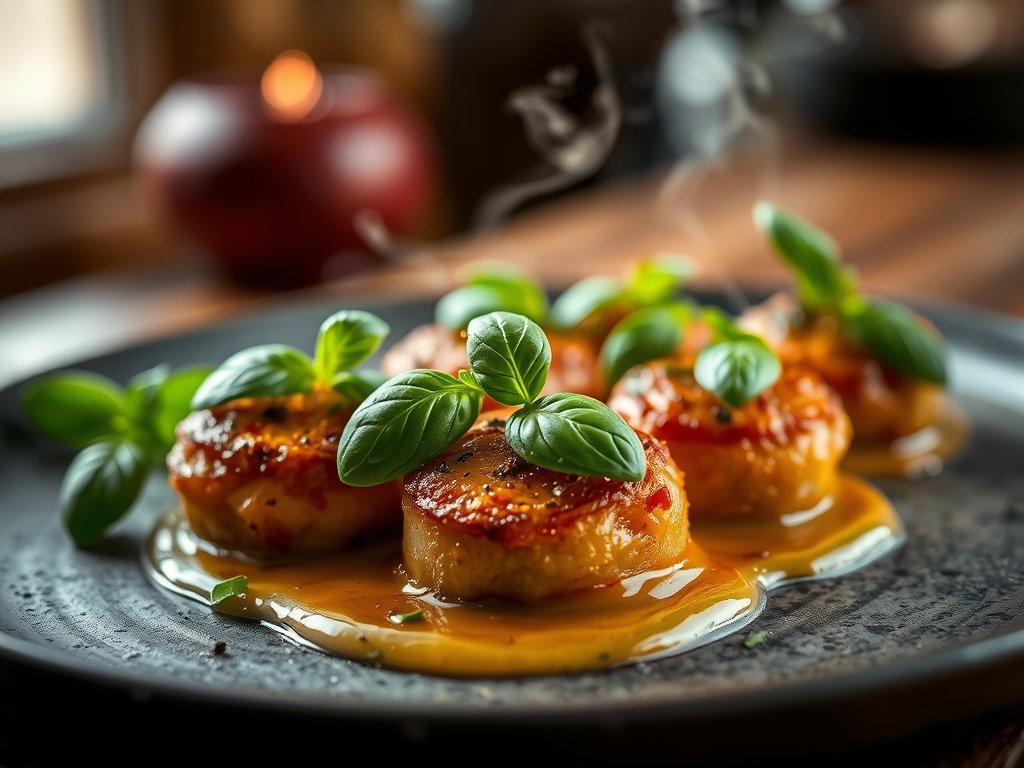
The air in a high-performance kitchen does not just carry a scent; it carries a chemical signature of success. When cold muscle fiber meets a scorching cast iron surface, you are not just cooking dinner. You are initiating a high-velocity sequence of nucleophilic additions and dehydrations known as the Maillard reaction. This is the source of that intoxicating Grilled Steak Aroma. It is a complex bouquet of furans, pyrazines, and alkylpyridines that signals the brain to prepare for a nutrient-dense feast. As an auditor of culinary infrastructure, I have seen too many home cooks treat searing as a passive activity. It is an aggressive thermal exchange. To achieve the perfect crust, you must manage moisture with the precision of a structural engineer. If your steak is gray and steaming, your infrastructure has failed. If it is mahogany-crusted and aromatic, you have successfully mapped the byproduct of heat and protein. Let us dive into the technical specifications of the perfect sear.
THE DATA MATRIX
| Metric | Specification |
|---|---|
| Prep Time | 45 Minutes (Tempering + Drying) |
| Execution Time | 12 Minutes |
| Yield | 2 Servings |
| Complexity | 7/10 |
| Estimated Cost per Serving | $18.00 – $25.00 |
THE GATHERS
Ingredient Protocol:
- 2 Ribeye Steaks (Center-cut, 450g / 1lb each)
- 30g / 2 tbsp Neutral High-Smoke Point Oil (Avocado or Grapeseed)
- 60g / 4 tbsp Unsalted European-style Butter
- 4 cloves Fresh Garlic (Crushed)
- 3 sprigs Fresh Thyme
- 15g / 1 tbsp Kosher Salt
- 5g / 1 tsp Coarse Black Pepper
Section A: Ingredient Quality Audit:
The most common failure point is "wet" meat. Supermarket steaks often sit in their own purge, which saturates the surface cells. If your steak feels slimy, the Maillard reaction will be delayed while the heat works to evaporate surface water. Fix: Use a dry-brine protocol. Salt the meat 45 minutes before cooking and leave it uncovered on a wire rack. This allows the salt to penetrate the fibers while the air dehydrates the exterior. Another audit failure is using low-fat butter. Standard butter contains too much water. Seek out European-style butter with at least 82 percent butterfat to ensure a viscous and stable butter-basting phase.
THE MASTERCLASS
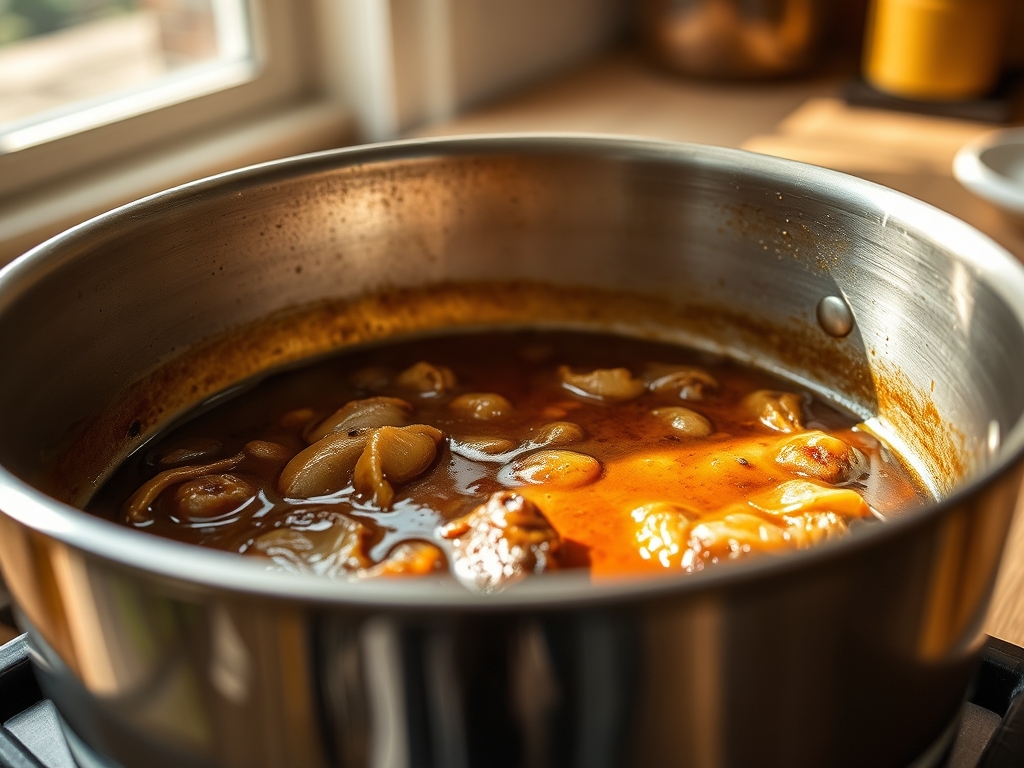
Step 1: Thermal Equalization
Remove your steaks from the refrigerator at least 45 minutes prior to execution. Use a digital scale to ensure even salt distribution across the surface. This period allows the internal temperature to rise slightly, reducing the thermal shock when the meat hits the pan.
Pro Tip: This is known as tempering. A cold center causes the exterior to overcook before the interior reaches the target temperature. By tempering, you ensure a more uniform "edge-to-edge" pinkness.
Step 2: Surface Dehydration
Use a lint-free paper towel to aggressively pat the steaks dry. Even if they look dry from the brine, moisture will have been drawn to the surface. Apply the black pepper now, pressing it into the flesh so it does not fall off during the flip.
Pro Tip: Water is the enemy of the sear. It takes five times more energy to evaporate water than it does to raise the temperature of the oil. A dry surface ensures the Grilled Steak Aroma develops instantly upon contact.
Step 3: High-Velocity Searing
Heat a heavy-bottomed cast iron skillet until the oil begins to shimmer and show the first wisps of smoke. Place the steaks in the pan, laying them away from you to avoid oil splatter. Do not move them for at least 2 minutes.
Pro Tip: Use a digital infrared thermometer to verify a surface temp of at least 425 degrees Fahrenheit. This temperature triggers the rapid formation of carbon-based flavor compounds.
Step 4: The Butter-Baste Infusion
Flip the steaks. Immediately add the butter, garlic, and thyme to the pan. Tilt the pan so the melting butter pools at the bottom with the aromatics. Use a large spoon to rapidly bathe the steaks in the foaming fat.
Pro Tip: This is called "Arroser." The hot butter acts as a heat transfer medium that penetrates the nooks and crannies of the crust. This helps to infuse the meat with the piquant essence of garlic and herbs.
Step 5: The Rest Phase
Remove the steaks when the internal temperature hits 125 degrees Fahrenheit for medium-rare. Transfer them to a warm plate or wooden board. Use a bench scraper to clear any burnt bits from your workspace. Let the meat rest for 8 to 10 minutes.
Pro Tip: Resting allows the muscle fibers to relax and reabsorb the juices. If you cut it immediately, the viscous internal fluids will purge onto the board, leaving the meat dry and dull.
Section B: Prep & Timing Fault-Lines:
The most frequent timing error is "pan crowding." If you put two large steaks in a small pan, the surface temperature of the metal will plummet. This causes the meat to boil in its own juices rather than sear. If your pan is small, cook in batches. Another fault-line is the "cold oil" mistake. Adding meat to cold oil leads to sticking and a greasy texture. Always wait for the oil to reach its smoke point to ensure the protein proteins aerate and brown properly.
THE VISUAL SPECTRUM
Section C: Thermal & Visual Troubleshooting:
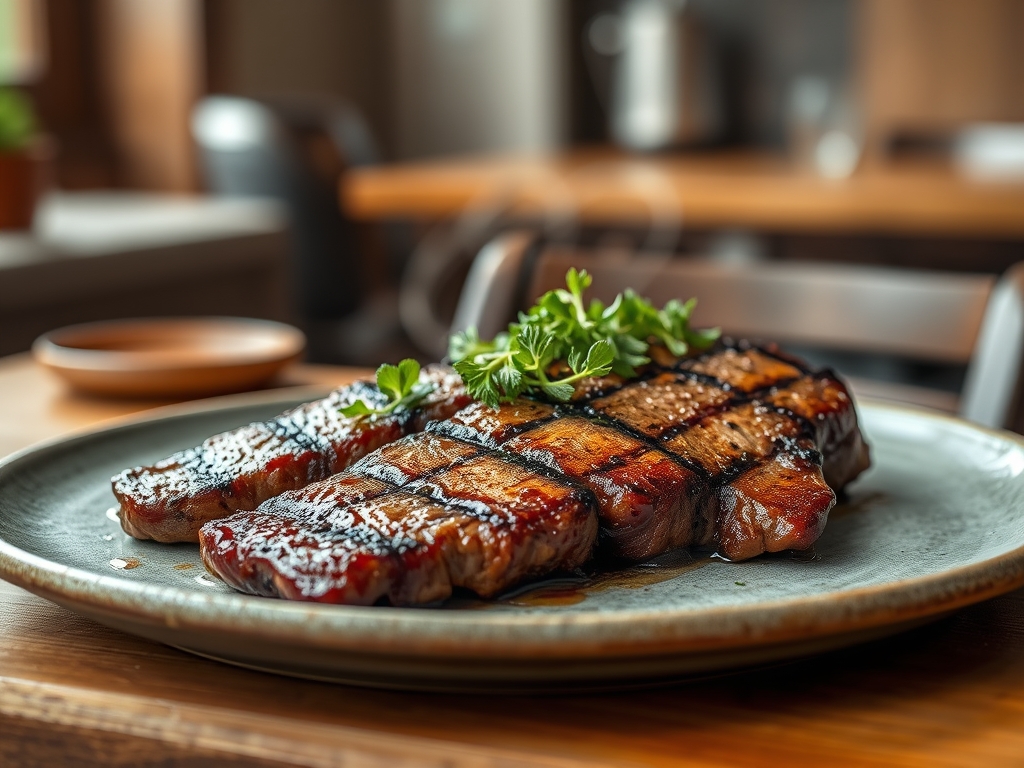
Look at the Masterclass photo. Notice the deep, mahogany-brown crust that is uniform across the surface. If your steak looks splotchy with white patches, you did not apply enough pressure to ensure contact with the pan. Use a steak weight or a heavy press next time. If the edges are charred black but the center is gray, your heat was too high. You carbonized the exterior before the Maillard reaction could fully mature. If the steak looks "wet" even after searing, you likely skipped the dehydration step or the butter-basting was done at too low a temperature, failing to render the fat cap properly.
THE DEEP DIVE
Macro Nutrition Profile:
A standard 225g serving of ribeye provides approximately 550 calories, 45g of protein, and 40g of fat. It is a dense source of Vitamin B12, Zinc, and Selenium.
Dietary Swaps:
- Vegan: Substitute the steak with a thick-cut "steak" of Lion's Mane mushroom. Use vegan butter and a dash of liquid smoke to mimic the Grilled Steak Aroma.
- Keto/GF: This recipe is naturally Keto and Gluten-Free. Ensure your spices are certified GF to avoid cross-contamination.
Meal Prep & Reheating Science:
To maintain the molecular structure when reheating, avoid the microwave. The microwave agitates water molecules, causing the meat to become rubbery. Instead, reheat in a 250-degree oven until the internal temperature reaches 110 degrees, then flash-sear in a pan for 30 seconds to revive the crust.
THE KITCHEN TABLE
Why does my steak smell like it is burning instead of searing?
You likely used an oil with a low smoke point, such as extra virgin olive oil. The oil is breaking down into acrolein. Switch to avocado oil or grapeseed oil for high-heat stability.
Can I use a non-stick pan for this?
No. Non-stick coatings are not designed for the high temperatures required to generate the Grilled Steak Aroma. They can release toxic fumes at sear-level heat. Use cast iron or stainless steel.
Why is my garlic turning bitter?
If you add the garlic at the start of the sear, it will burn. Always add aromatics during the butter-basting phase at the very end to gently infuse the fat without carbonizing the cloves.
How do I get that specific restaurant-style crust?
The secret is the "dry-brine" and the "arroser" technique. The combination of a bone-dry surface and a continuous bath of hot, foaming butter creates a thick, flavorful crust that cannot be achieved with heat alone.