Listen to the sizzle. That high-pitched, frantic chatter of fat meeting cold stainless steel is the sound of a culinary engine idling. It is waiting for the ignition. When you introduce a complex spice blend into a hot lipid environment, you are not just seasoning food; you are conducting a high-stakes chemical overhaul known as the Curry Powder Bloom. This is the moment where fat-soluble volatile compounds, previously trapped in the fibrous walls of dried turmeric, coriander, and cumin, are liberated. Without this thermal bridge, your spices remain gritty, muted, and tragically one-dimensional. A proper bloom transforms a grainy powder into a viscous, aromatic paste that serves as the structural foundation of the entire dish. We are looking for that precise transition where the raw, dusty scent of the pantry evolves into a deep, piquant cloud of toasted complexity. If you skip this, you are merely eating flavored dust. If you master it, you are engineering a masterpiece of molecular layering.
THE DATA MATRIX
| Metric | Specification |
|---|---|
| Prep Time | 15 Minutes |
| Execution Time | 45 Minutes |
| Yield | 4 Standard Servings |
| Complexity | 6 / 10 |
| Estimated Cost per Serving | $3.25 USD |
THE GATHERS
Ingredient Protocol:
- 500g / 1.1 lbs Boneless Chicken Thighs (cubed)
- 45ml / 3 tbsp Ghee or Neutral High-Smoke Point Oil
- 30g / 2 tbsp Madras-style Curry Powder
- 400ml / 13.5 oz Full-Fat Coconut Milk
- 150g / 1 cup Yellow Onion (finely diced)
- 15g / 1 tbsp Fresh Ginger (microplaned)
- 10g / 3 cloves Garlic (minced)
- 5ml / 1 tsp Fish Sauce or Soy Sauce (for umami depth)
- 2g / 0.5 tsp Coarse Kosher Salt
Section A: Ingredient Quality Audit:
Sub-par raw materials are the primary cause of systemic flavor failure. If your curry powder smells like nothing when you open the tin, the volatile oils have already oxidized. Technical Fix: Toast the stale powder in a dry saucier over medium heat for 60 seconds before adding fat to "wake up" the remaining aromatics. If your coconut milk has separated into a hard wax and watery liquid, do not discard the water. Technical Fix: Use a whisk to aerate and re-emulsify the liquid before adding it to the pan to ensure a consistent viscous texture in the final sauce. Finally, if using chicken breast instead of thighs, reduce the simmer time by 30% to prevent the protein fibers from tightening into rubbery knots.
THE MASTERCLASS
1. Thermal Priming and Aromatics
Place your heavy-bottomed saucier on the burner and bring it to medium-high heat. Add the ghee and wait for the shimmer. Toss in the diced onions and use a bench scraper to ensure every fragment is cleared from your cutting board. Sauté until the onions reach a translucent, golden state.
Pro Tip: This stage is about moisture removal. By sweating the onions, you are removing water to allow the fat to eventually reach the temperatures required for the Curry Powder Bloom. Use a digital scale to weigh your aromatics for consistent results every time.
2. The Critical Bloom Phase
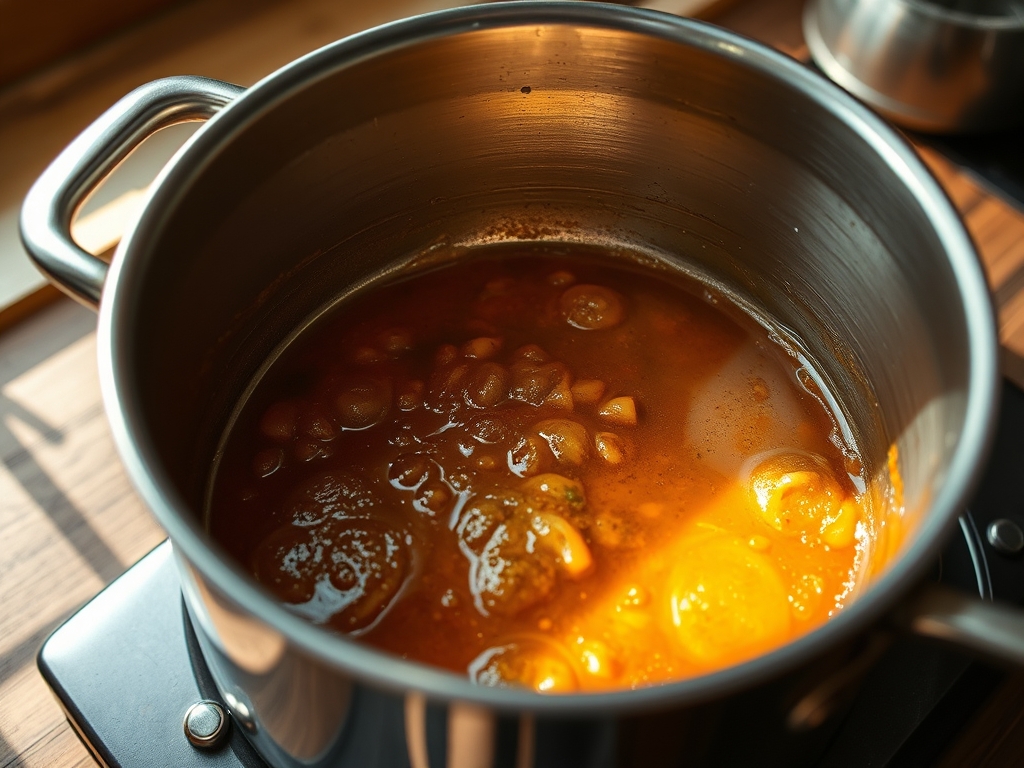
Reduce the heat to medium-low. This is the "danger zone" for burning. Add the curry powder, garlic, and ginger directly into the hot fat. Stir constantly for 90 seconds. The mixture should darken slightly and the scent should become aggressively fragrant.
Pro Tip: The science here involves lipid-solubility. Many flavor compounds in spices, like piperine and curcumin, do not dissolve in water. They require hot fat to break their molecular bonds and infuse the oil, which then carries the flavor to the protein.
3. Protein Integration and Maillard Reinforcement
Increase the heat back to medium. Add the chicken thighs to the spiced oil. Stir to coat every piece thoroughly. Allow the chicken to sear for 3 to 4 minutes without moving it excessively.
Pro Tip: You are looking for a secondary Maillard reaction. Even though the chicken is coated in spices, the contact with the pan creates new flavor compounds. Use a high-quality silicone spatula to scrape the bottom of the pan, ensuring no spice paste sticks and carbonizes.
4. Deglazing and Emulsification
Pour in the coconut milk and fish sauce. Use your spatula to deglaze the bottom of the pan, lifting all the browned bits (the fond) into the liquid. Bring to a gentle simmer, then reduce heat to low.
Pro Tip: Rapid boiling will cause the coconut milk to "break," meaning the fat separates from the solids. A gentle simmer maintains the viscous emulsion required for a silky mouthfeel.
5. Final Reduction and Texture Audit
Simmer uncovered for 15 to 20 minutes. The sauce should reduce until it can coat the back of a spoon. Taste for salt and acidity. If the flavor is flat, a squeeze of lime juice can provide the necessary piquant lift.
Pro Tip: Use a digital instant-read thermometer to check the chicken. It should register 165 degrees Fahrenheit. Overcooking past this point will result in dry protein, regardless of how much sauce is present.
Section B: Prep & Timing Fault-Lines:
The most common human error is the "Cold Pan Syndrome." Adding spices to a cold pan with oil results in a muddy, raw flavor because the temperature never climbs high enough to trigger the bloom. Conversely, "Flash Burning" occurs when the pan is too hot, turning the garlic bitter in seconds. Always have your liquid components measured and ready to go before the spices hit the pan. This allows you to "quench" the heat and stop the toasting process the moment the aromatics reach their peak.
THE VISUAL SPECTRUM
Section C: Thermal & Visual Troubleshooting:
Referencing the Masterclass photo, your goal is a deep ochre or burnt orange hue. If your curry looks pale or yellow-green, your Curry Powder Bloom was insufficient; the turmeric hasn't fully hydrated and oxidized. If the sauce looks "split" with oily droplets floating on top, your simmer was too aggressive. To fix a split sauce, whisk in a teaspoon of Greek yogurt or heavy cream to re-establish the emulsion. If the chicken looks grey rather than golden-brown, you overcrowded the pan, causing the meat to steam in its own juices rather than sear. Next time, sear the meat in two batches.
THE DEEP DIVE
Macro Nutrition Profile:
A standard serving provides approximately 380 calories, 28g of protein, 12g of carbohydrates, and 24g of healthy fats (primarily from coconut and ghee). The high fat content is essential for the delivery of the fat-soluble vitamins found in the spice blend.
Dietary Swaps:
- Vegan: Replace chicken with extra-firm pressed tofu or chickpeas and use coconut oil instead of ghee.
- Keto: This recipe is naturally keto-friendly. Serve over cauliflower rice instead of jasmine rice.
- GF: Ensure your curry powder blend is certified gluten-free, as some commercial brands use flour as an anti-caking agent.
Meal Prep & Reheating Science:
Curry is famous for tasting better the next day. This is because the aromatic compounds continue to move and settle into the protein fibers over time. To reheat, avoid the microwave, which can toughen the chicken. Instead, use a small saucepan over low heat and add a splash of water or coconut milk to restore the viscous consistency of the sauce.
THE KITCHEN TABLE
Why is my curry bitter?
You likely scorched the spices or the garlic during the bloom phase. To fix this, add a small pinch of sugar or a splash of coconut cream to balance the acrid notes.
Can I use fresh turmeric instead of powder?
Yes, but you must grate it finely and add it with the ginger. Fresh turmeric has a higher water content, so it requires a longer sauté to reach the same flavor intensity.
What is the best way to thicken the sauce?
Avoid flour. Instead, let the sauce reduce naturally through evaporation. If you are in a rush, blending a small portion of the vegetables and stirring them back in works perfectly.
Does the brand of curry powder matter?
Absolutely. Look for brands that list spices first and avoid those with high salt or "fillers." The freshness of the blend dictates the success of your aromatic cluster shift.