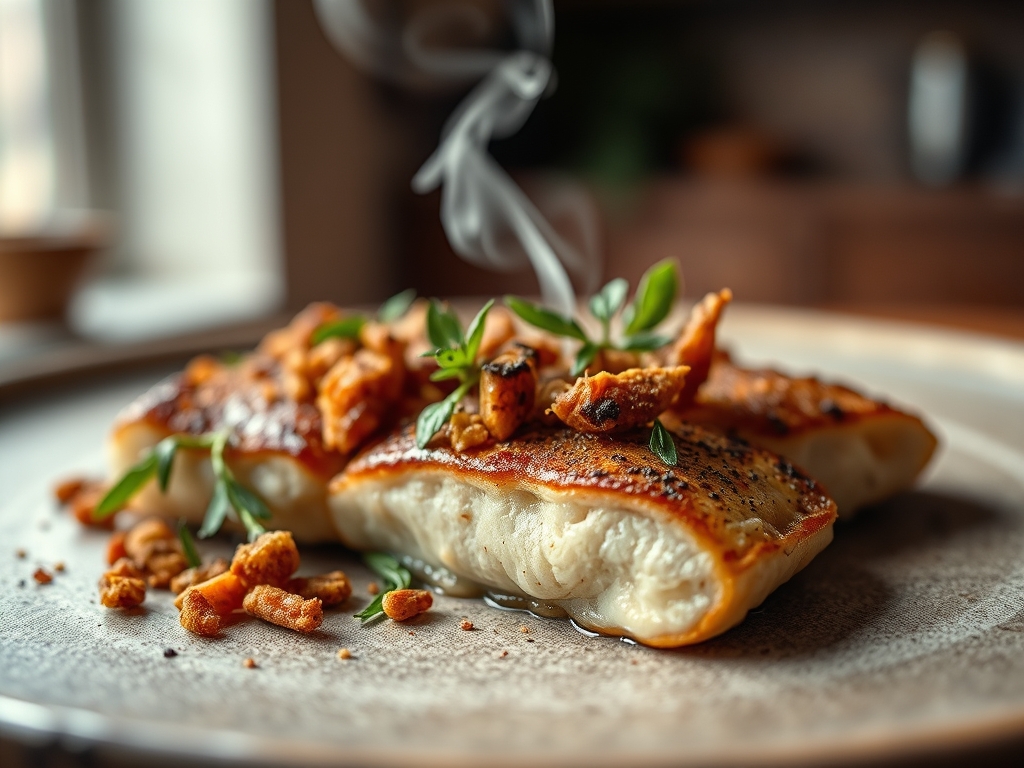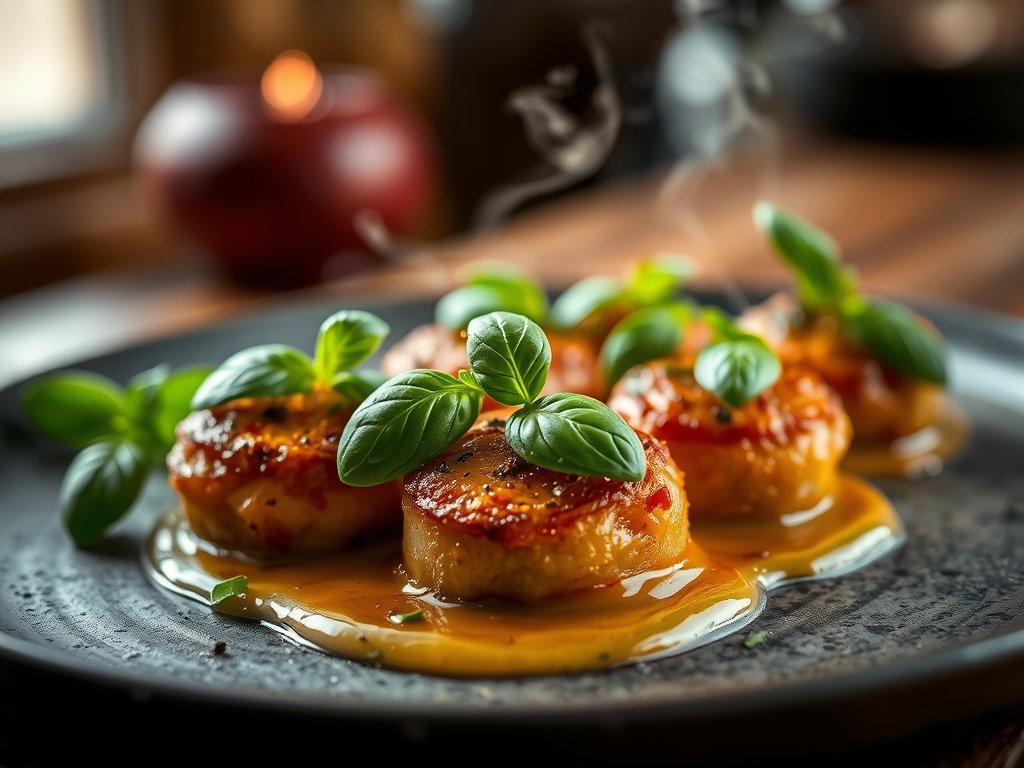
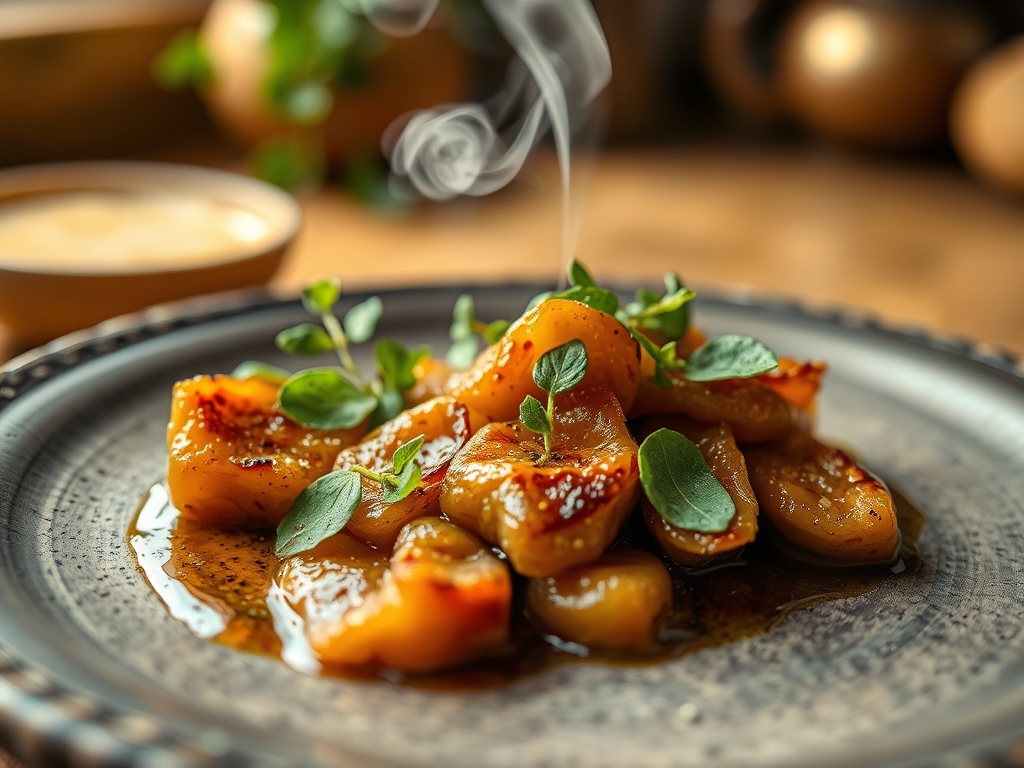
Close your eyes and imagine the scent of damp earth colliding with a high-voltage electrical storm. That is the initial hit of dimethyl sulfide, the sulfurous backbone that constructs the legendary Truffle Umami Aroma. We are not just cooking here; we are conducting a geological survey of flavor. As a culinary infrastructure auditor, I have seen too many kitchens treat truffles like a mere garnish when they should be treated like a volatile organic compound. The goal is to capture that elusive, musky funk and tether it to a fat-soluble matrix before it evaporates into the ether. This requires precision, thermal discipline, and a deep respect for fungal chemistry. We are building a bridge between the primal forest floor and the refined palate. If you do not feel a slight shiver of sensory overload when the first molecules of truffle oil hit the warm butter, you are doing it wrong. Let us strip away the amateur fluff and build a dish that vibrates with pure, unadulterated savory intensity.
THE DATA MATRIX
| Metric | Specification |
|---|---|
| Prep Time | 20 Minutes |
| Execution Time | 15 Minutes |
| Yield | 4 Servings |
| Complexity (1-10) | 7 (Precision Dependent) |
| Estimated Cost per Serving | $18.50 |
THE GATHERS
Ingredient Protocol:
- 450g / 1 lb De Cecco Fettuccine (High protein content for starch release).
- 115g / 1/2 cup European Style Unsalted Butter (Minimum 82 percent butterfat).
- 30g / 1 oz Fresh Black Winter Truffle (Tuber melanosporum).
- 15ml / 1 tbsp White Truffle Oil (High-quality synthetic-free infusion).
- 100g / 1 cup Parmigiano-Reggiano (Aged 24 months, microplaned).
- 5g / 1 tsp Maldon Sea Salt (For structural crunch).
- 2g / 1/2 tsp Freshly Cracked Black Peppercorns (High piperine content).
- 60ml / 1/4 cup Heavy Cream (Optional, for emulsification insurance).
Section A: Ingredient Quality Audit:
The primary failure point in capturing the Truffle Umami Aroma is the use of oxidized or "tired" truffles. If your truffle feels spongy rather than firm, the aromatic compounds have already begun to degrade into simple alcohols. To fix a subpar truffle, you must infuse it into the butter at a low temperature (no higher than 40 degrees Celsius) for at least an hour before cooking. This stabilizes the remaining volatiles. If your cheese is pre-grated, stop immediately. Pre-grated cheese is coated in cellulose, which prevents the formation of a viscous sauce and results in a grainy, sandy texture that insults the palate. Use a microplane to ensure the cheese melts at the exact moment it hits the pasta water emulsion.
THE MASTERCLASS
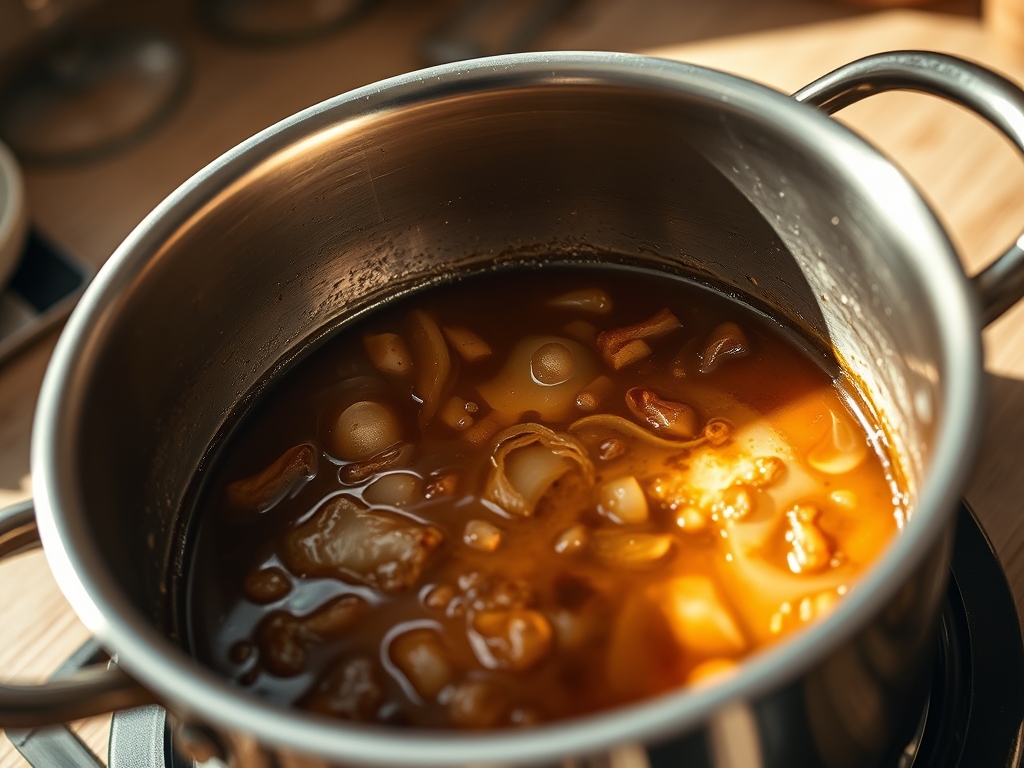
Step-by-Step Execution:
1. Hydration and Starch Extraction
Bring 4 liters of water to a rolling boil. Do not over-salt the water; we need the starch to remain active for the emulsion. Drop the pasta and cook for two minutes less than the package instructions.
Pro Tip: Use a digital scale to measure your salt precisely at 1 percent of the water weight. This ensures the pasta is seasoned from the inside out without overpowering the delicate fungal notes.
2. The Fat-Soluble Infusion
While the pasta boils, place your saucier over low heat. Melt the butter until it begins to foam but does not brown. We are avoiding the Maillard reaction here to keep the dairy notes clean. Shave half of the truffle directly into the warm butter.
Pro Tip: The saucier's rounded bottom is essential for constant whisking, which prevents the truffle proteins from sticking and burning. This step allows the fat to render the aromatic oils from the fungus.
3. The Emulsion Bridge
Using tongs, transfer the pasta directly from the water into the saucier. Do not drain the pasta in a colander. Add 120ml of the starchy pasta water to the butter and truffle mixture. Increase heat to medium-high.
Pro Tip: Use a bench scraper to clear your workstation of any stray truffle shavings; every milligram is gold. The starch acts as a surfactant, allowing the fat and water to bind into a glossy, viscous coating.
4. Aeration and Finishing
Remove the pan from the heat. This is critical. Add the grated cheese and truffle oil. Use a vigorous circular motion with your tongs to aerate the sauce, incorporating air to lighten the texture while the cheese melts.
Pro Tip: Adding the truffle oil off-heat preserves the high-volatility aromatic compounds that provide the signature Truffle Umami Aroma. High heat would simply cook these flavors away.
5. The Final Shave
Plate the pasta in high-walled bowls to trap the rising steam. Shave the remaining fresh truffle over the top immediately before serving. Sprinkle with Maldon salt to provide a textural contrast to the soft pasta.
Pro Tip: Use a professional truffle shaver set to 0.5mm. The increased surface area of the thin slices maximizes the release of dimethyl sulfide as the heat of the pasta hits the truffle.
Section B: Prep & Timing Fault-Lines:
The most common human error is the "Lag Time" between the pasta reaching al dente and the sauce being ready. If the pasta sits in a colander, the surface dries, the starch sets, and you lose the ability to create a molecular bond with the butter. To fix this, always have your sauce base simmering before the pasta is halfway through its cook cycle. If the sauce breaks (separates into oil and solids), whisk in a tablespoon of cold heavy cream. The cold fat and extra proteins act as an emergency emulsifier to pull the sauce back together.
THE VISUAL SPECTRUM
Section C: Thermal & Visual Troubleshooting:
Look at the reference image above. Notice the "Sheen of Gold" on the noodles. If your dish looks matte or dry, you have insufficient pasta water or the cheese was added while the pan was too hot, causing it to clump. The sauce should look like liquid silk, clinging to the pasta without pooling at the bottom of the bowl. If the truffle shavings look grey or dull, they were likely exposed to air for too long before shaving. Always shave truffles at the very last second to ensure the Truffle Umami Aroma is at its peak. If the color of the sauce is too white, you likely used too much cream; it should be a translucent, pale ivory that highlights the dark flecks of the truffle.
THE DEEP DIVE
Macro Nutrition Profile:
This dish is a powerhouse of fats and complex carbohydrates. A standard serving contains approximately 650 calories, 42g of fat, 55g of carbohydrates, and 18g of protein. The truffles themselves contribute negligible calories but are high in antioxidants and unique amino acids that trigger the "fifth taste" receptors.
Dietary Swaps:
For a Vegan version, substitute the butter with a high-quality cashew cream and use nutritional yeast in place of the Parmigiano. The Truffle Umami Aroma remains intact as long as you use a high-quality truffle oil. For Keto enthusiasts, replace the pasta with roasted cauliflower florets or konjac noodles. The fat-heavy sauce profile fits perfectly within ketogenic parameters. For Gluten-Free diners, use a brown rice or corn-based pasta, but be aware that you will need to add a pinch of xanthan gum to the sauce to compensate for the lack of wheat starch.
Meal Prep & Reheating Science:
Truffle pasta is notoriously difficult to reheat because the emulsion is fragile. To maintain the molecular structure, do not use a microwave. Instead, place the pasta in a pan with two tablespoons of water and a knob of fresh butter. Heat on low while stirring constantly. This re-hydrates the starch and re-emulsifies the fats without curdling the cheese proteins.
THE KITCHEN TABLE
Why does my truffle oil smell like gasoline?
That is the concentrated dimethyl sulfide. In high concentrations, it mimics chemical scents. Once diluted into the butter and pasta, it transforms into the earthy, savory Truffle Umami Aroma we crave.
Can I use jarred truffle zest instead?
You can, but the aromatic profile will be flatter. Jarred products are heat-treated, which destroys the top notes of the scent. Use them as a base, but always finish with fresh truffle or high-end oil.
Why did my cheese turn into a rubbery ball?
The pan was too hot. Parmigiano-Reggiano proteins coagulate and seize above 82 degrees Celsius. Always remove the pan from the heat source before adding the cheese to ensure a smooth melt.
How do I store leftover fresh truffles?
Wrap them in a paper towel and place them in a sealed glass jar with dry arborio rice. The rice absorbs excess moisture while becoming infused with the truffle scent, perfect for a future risotto.