Forget everything you know about the tepid, artificial syrups found in the back of a dusty pantry. We are entering the realm of atmospheric culinary engineering where the objective is absolute thermal collapse. When we discuss Fresh Mint Menthol, we are not just talking about a flavor profile; we are talking about a sensory assault that resets the palate and chills the respiratory tract from the inside out. This is a high-octane infusion process designed to extract the most volatile aromatic compounds from the Mentha genus while stabilizing them in a crystalline matrix. The goal is a sharp, piquant clarity that cuts through the densest fats and leaves a lingering frost on the tongue. We are auditing the very infrastructure of coolness. To achieve this, we must manipulate molecular surface tension and maximize the surface area of our botanicals. Prepare for a technical deep dive into the thermodynamics of flavor. We are moving beyond simple extraction into the territory of aerosolized perfection. Strap in; it is time to render the essence of winter into a liquid state.
THE DATA MATRIX
| Metric | Specification |
|---|---|
| Prep Time | 20 Minutes |
| Execution Time | 45 Minutes |
| Yield | 750ml / 3 Cups |
| Complexity (1-10) | 7 |
| Estimated Cost per Serving | $0.85 |
THE GATHERS
Ingredient Protocol:
- 500ml / 2 cups Filtered Water (Reverse Osmosis preferred).
- 400g / 2 cups Superfine Granulated Sugar.
- 100g / 4 cups Fresh Spearmint Leaves (Stemmed and washed).
- 5ml / 1 tsp Food-Grade Menthol Crystals.
- 2.5ml / 0.5 tsp Vegetable Glycerin (for viscous mouthfeel).
- 1.5g / 0.25 tsp Citric Acid (as a pH stabilizer).
Section A: Ingredient Quality Audit:
The primary failure point in this infrastructure is the botanical source. If your mint leaves exhibit oxidative browning or a limp texture, the resulting infusion will be muddy and bitter rather than sharp. To fix sub-par greens, perform a shock-immersion in an ice bath for ten minutes to restore turgor pressure. If your menthol crystals have clumped, they have likely absorbed ambient moisture; grind them in a mortar and pestle to increase surface area before introduction. Always ensure your sugar is bone-dry to avoid premature caramelization during the dissolution phase.
THE MASTERCLASS
1. Thermal Base Stabilization
Place your filtered water and superfine sugar into a heavy-bottomed saucier. Heat over medium-low flame, stirring constantly with a silicone spatula until the solution is completely translucent. Do not allow the mixture to reach a rolling boil yet; we are looking for a gentle simmer to prevent excessive evaporation.
Pro Tip: Use a digital scale for your measurements rather than volume cups. Precision in the sugar-to-water ratio ensures the final syrup has the correct refractive index and shelf stability.
2. Botanical Infusion and Maceration
Once the syrup is clear, kill the heat and introduce the fresh mint leaves. Submerge them completely using a bench scraper or a long spoon to ensure every leaf is in contact with the thermal mass. Cover the pot tightly to trap the volatile oils that would otherwise escape as steam.
Pro Tip: The science of maceration relies on heat to break down cell walls. By covering the vessel, you create a pressurized micro-environment that forces the mint oils into the sugar matrix.
3. Menthol Integration
After ten minutes of steeping, strain the liquid through a fine-mesh chinois into a clean glass bowl. While the liquid is still above 60 degrees Celsius, add the menthol crystals and the vegetable glycerin. Whisk vigorously until the crystals are fully dissolved and the liquid appears shimmering.
Pro Tip: Menthol is hydrophobic. The vegetable glycerin acts as a bridge, helping to emulsify the menthol into the aqueous solution and providing a silky, heavy body to the finished product.
4. Rapid Cryo-Settling
Transfer the mixture into a stainless steel container and place it into an ice-slurry bath. You must drop the temperature rapidly to lock in the vibrant green chlorophyll and prevent the Fresh Mint Menthol from developing "cooked" notes.
Pro Tip: Rapid cooling prevents the formation of large sugar crystals. Professional labs use this "cold-crash" method to ensure the liquid remains perfectly viscous and clear.
Section B: Prep & Timing Fault-Lines:
Timing is the silent killer in this audit. If you steep the mint for more than fifteen minutes, you will begin to extract tannins and lignins, resulting in a swampy, astringent aftertaste. If your temperature exceeds 100 degrees Celsius when adding the menthol, the crystals may "flash off," losing their potency before they can bond with the syrup. Use an infrared thermometer to monitor the cooling curve. If the syrup becomes too thick to pour, add 15ml of hot water and whisk to recalibrate the density.
THE VISUAL SPECTRUM
Section C: Thermal & Visual Troubleshooting:
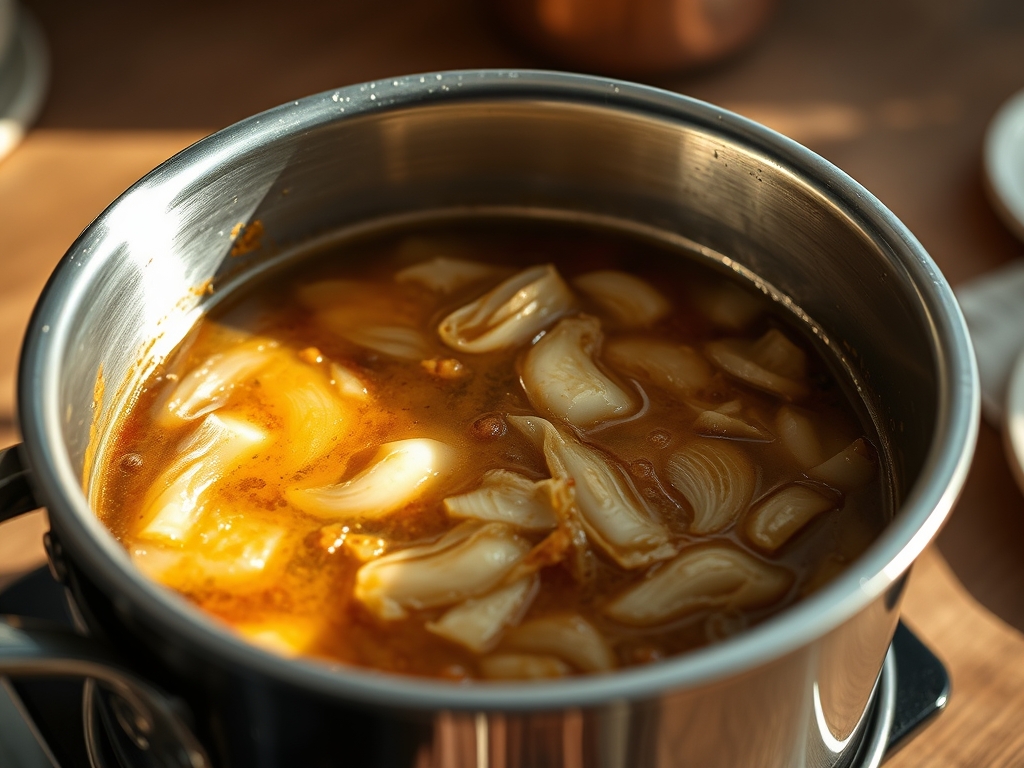
Referencing the Masterclass photo, your final aerosol base should possess a luminous, pale emerald hue. If your liquid appears yellow, you have likely scorched the sugar or over-boiled the botanicals. If the liquid is cloudy, the menthol has not fully emulsified; return the mixture to a low heat and add a drop more glycerin. The texture should be slick and coat the back of a spoon without being "stringy." If you see sediment at the bottom of your storage vessel, your filtration was insufficient. Pass the liquid through a coffee filter to achieve that professional, high-clarity finish.
THE DEEP DIVE
Macro Nutrition Profile:
Per 30ml serving: 85 Calories, 22g Carbohydrates, 0g Fat, 0g Protein. This is a high-energy delivery system designed for rapid flavor impact.
Dietary Swaps:
- Vegan: Naturally compliant.
- Keto: Replace sugar with an Allulose and Monkfruit blend at a 1:1 ratio. Note that Allulose provides the best "syrup" texture without the cooling crystallization of Erythritol.
- GF: Naturally gluten-free.
Meal Prep & Reheating Science:
To maintain the molecular structure, store this in a UV-protected glass bottle in the refrigerator. Light exposure will degrade the chlorophyll and mute the menthol punch. If the syrup crystallizes over time, do not microwave it. Instead, place the bottle in a warm water bath at 50 degrees Celsius to gently re-agitate the molecules without scorching the delicate aromatics.
THE KITCHEN TABLE
Why is my mint syrup brown instead of green?
Oxidation or overheating is the culprit. Shock your mint in ice water before steeping and never boil the leaves. The heat should be residual, not active, during the infusion phase to preserve the color.
Can I use peppermint extract instead of crystals?
You can, but the "Fresh Mint Menthol" signature requires the pure, crystalline form for that specific localized cold sensation. Extracts often contain alcohol which can alter the final viscosity and aroma.
How long will this infrastructure remain stable?
In a sterilized, airtight glass container, this syrup will maintain its peak molecular integrity for up to four weeks. The citric acid acts as a preservative to prevent microbial growth and pH drift.
What is the role of the vegetable glycerin?
Glycerin increases the density and "cling" of the liquid. It ensures the menthol flavor coats the palate evenly rather than washing away instantly, extending the duration of the cooling effect.