Imagine standing in the center of a high-velocity service line when the first crate of Sicilian lemons is cracked open. That immediate, sharp, and electric scent is not just a smell; it is a mechanical event. When you rupture the flavedo of a citrus fruit, you are triggering a microscopic explosion of essential oils. This is the Citrus Zest Aerosol in its rawest form. These volatile compounds, primarily limonene, are held under pressure within tiny glandular pockets. As an auditor of culinary infrastructure, I am here to tell you that most kitchens waste 70% of this aromatic potential through poor technique and blunt tools. We are not just "zesting" a garnish; we are harvesting a hydrophobic oil that is capable of transforming a flat, heavy sauce into a vibrant, piquant masterpiece. To master the Citrus Zest Aerosol is to understand the physics of flavor dispersion. It requires speed, precision, and an absolute refusal to allow these delicate molecules to evaporate into the kitchen vent hood before they hit the plate.
THE DATA MATRIX
| Metric | Value |
|---|---|
| Prep Time | 15 Minutes |
| Execution Time | 10 Minutes |
| Yield | 500ml of Infused Emulsion |
| Complexity (1-10) | 7 |
| Estimated Cost per Serving | $1.15 |
THE GATHERS
Ingredient Protocol:
- Organic Meyer Lemons: 4 Large (approx. 400g)
- High-Fat European Butter: 225g / 1 cup (unsalted)
- Shallots, finely minced: 50g / 0.25 cup
- Dry White Wine (Sauvignon Blanc): 120ml / 0.5 cup
- Heavy Cream (36% fat): 60ml / 0.25 cup
- Flaky Sea Salt: 5g / 1 tsp
- White Peppercorns: 2g / 0.5 tsp (freshly cracked)
Section A: Ingredient Quality Audit:
If your citrus feels soft or looks "waxy," you are dealing with a compromised cellular structure. Waxy skins inhibit the release of the Citrus Zest Aerosol because the paraffin coating traps the oils. To fix this, scrub the fruit under hot water with a coarse brush to strip the wax. If your butter lacks a high butterfat content (below 82%), your emulsion will break. The water content in cheap butter is too high for the limonene to stay suspended. Technical fix: Clarify sub-par butter first to remove excess water, though a high-quality cultured butter is the gold standard for this protocol.
THE MASTERCLASS
Step 1: The Mechanical Rupture
Using a high-quality microplane, zest the lemons directly over a stainless steel mixing bowl. Do not zest onto a cutting board. Every second the zest sits on a board, the Citrus Zest Aerosol is absorbed by the wood or evaporates into the air. You want those oils trapped in the bowl.
Pro Tip: The science here is surface area. A microplane creates jagged, high-surface-area shards that maximize the release of limonene. Use a bench scraper to ensure every milligram of zest is transferred from the tool to the bowl.
Step 2: The Aromatic Reduction
Place your saucier over medium heat. Add a small knob of butter and the minced shallots. Sauté until translucent but do not allow them to brown. Add the white wine and white pepper. Reduce the liquid by half.
Pro Tip: This is a deglazing maneuver. The alcohol in the wine acts as a solvent, pulling the fat-soluble aromatics from the shallots and preparing the base to receive the citrus oils. Use a digital scale to ensure your wine reduction is precise; too much acidity will curdle the cream later.
Step 3: Molecular Integration
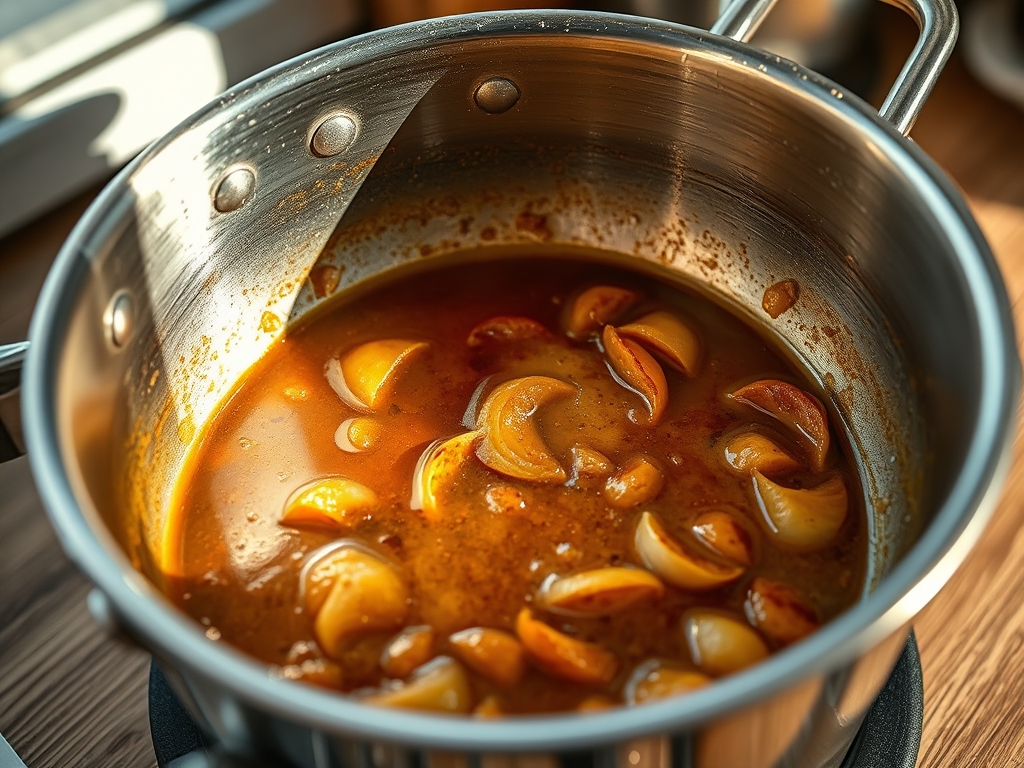
Whisk in the heavy cream and bring to a light simmer. Begin adding the remaining cold butter, one tablespoon at a time, whisking constantly. This is the creation of a beurre blanc, a delicate fat-in-water emulsion.
Pro Tip: Temperature control is king. If the sauce exceeds 190 degrees Fahrenheit, the milk solids will separate from the fats. Use an infrared thermometer to monitor the sauce; you want to maintain a steady 160 to 175 degrees for a perfectly viscous finish.
Step 4: The Aerosol Infusion
Remove the pan from the heat. Immediately fold in the fresh lemon zest and the juice of half a lemon. The residual heat will infuse the sauce with the oils without boiling off the top-note aromatics.
Pro Tip: Adding the zest at the very end preserves the "bright" notes of the Citrus Zest Aerosol. The fat in the butter acts as a stabilizer, "locking" the limonene particles into the emulsion so they explode on the diner's palate rather than in the pan.
Section B: Prep & Timing Fault-Lines:
The most common failure in this workflow is "Zest Latency." If you zest your lemons twenty minutes before you finish the sauce, you are serving a dead product. The volatile compounds oxidize rapidly. Another fault-line is the "Thermal Shock" of adding room-temperature butter to a boiling liquid. This causes the emulsion to shatter. Always use chilled butter and a steady whisking motion to aerate the sauce as you build the structure.
THE VISUAL SPECTRUM
Section C: Thermal & Visual Troubleshooting:
Look at the reference image above. Notice the pale, ivory sheen and the suspended flecks of yellow. If your sauce looks "broken" or oily, your emulsion has failed. This usually happens if the heat was too high. To fix a broken sauce, whisk in a teaspoon of heavy cream or a splash of warm water. If the color is dull or grey, you likely overcooked your shallots or used a reactive aluminum pan. Always use stainless steel or copper to maintain the vibrant, sun-drenched aesthetic of the citrus. The texture should be thick enough to coat the back of a spoon (nappe) but fluid enough to drizzle without clumping.
THE DEEP DIVE
Macro Nutrition Profile:
Per 60ml serving: 180 Calories, 19g Fat, 2g Carbohydrates, 0g Protein. This is a high-density flavor delivery system. The primary caloric load comes from the lipids in the butter, which are essential for carrying the citrus flavor.
Dietary Swaps:
- Vegan: Replace butter with a high-quality vegan block (oil-based, not water-based) and use coconut cream in place of heavy cream.
- Keto: This recipe is naturally keto-friendly. Ensure the wine is bone-dry to minimize residual sugars.
- GF: Naturally gluten-free. Do not use flour to thicken; rely on the emulsion of fat and reduction of liquids.
Meal Prep & Reheating Science:
Emulsions are notoriously difficult to reheat because heat agitation breaks the molecular bonds between the fat and water. To reheat, do not use a microwave. Place the sauce in a small pan over the lowest possible heat and add a teaspoon of water. Whisk constantly as it warms to re-emulsify the fats. For best results, store in a vacuum-sealed bag and reheat in a 140-degree water bath.
THE KITCHEN TABLE
Why does my zest taste bitter?
You likely grated too deep into the pith. The white pith contains alkaloids that are intensely bitter. Only remove the colored outer layer to capture the pure Citrus Zest Aerosol.
Can I use bottled lemon juice?
Absolutely not. Bottled juice is pasteurized, which destroys the enzymatic activity and flattens the flavor profile. It lacks the piquant "zip" of fresh acid required to balance the heavy fats in this sauce.
My sauce is too thin. How do I fix it?
Continue to whisk in cold butter one piece at a time. The friction and the addition of cold fat will help build the viscous structure. Never use cornstarch, as it mutes the citrus notes.
How long does the aroma last?
The peak aromatic window for Citrus Zest Aerosol is approximately 15 minutes after the zest is ruptured. After that, the limonene begins to oxidize and the "bright" scent turns "soapy." Serve immediately for maximum impact.